
Mexico is one of the great motorcycling countries — mountain roads that run for hundreds of kilometres, colonial towns spaced conveniently a tank apart, and a riding culture that is genuinely welcoming. It is also a country where the paperwork is the part that goes wrong, and where the difference between a good trip and an expensive one is decided before you turn a wheel.
This is what actually matters when hiring a bike in Mexico: what your licence covers, why insurance is not optional, which cities are worth riding in and which are not, and the routes that repay the hire.
Licence and paperwork
For a tourist, a valid national driving licence is generally accepted. Rental agencies routinely take licences from the United States, Canada, the UK, Europe, Australia, New Zealand and across Latin America, provided the document is in good condition and readable.
Two qualifications worth taking seriously:
- An International Driving Permit is worth carrying. It is not always demanded, but it removes ambiguity at a rental counter and at a roadside stop, and it costs very little to obtain at home. Where your licence is not in Spanish or English, treat it as effectively required.
- Regulation varies by state. Mexico’s road rules are not uniform, and some states and some agencies expect a specific motorcycle endorsement for machines above 50cc. Ask the agency which state rules apply to the plates on the bike you are hiring, not just where you are collecting it.
Carry your passport, the rental contract and proof of insurance with you when riding. A photocopy of the passport is fine for day-to-day; keep the original in the hotel safe.
Insurance is compulsory, and foreign policies do not count
This is the single most expensive misunderstanding available to visiting riders. Mexican law requires vehicles on Mexican roads to carry Mexican-issued liability insurance. A policy from home, a credit card’s travel cover, or an international motorcycle policy does not satisfy it.
If you are hiring locally, the agency’s policy covers the legal minimum — but read what the excess is and whether theft is included, because on motorcycles it frequently is not. If you are riding your own bike into Mexico, you must buy Mexican cover separately; nobody checks at the border, and that is precisely why people get caught out later.
Helmets, and the rules that get enforced
- Helmets are mandatory for rider and passenger. Enforcement varies by state but the law does not.
- Lane filtering is widely practised and legally grey. Watch what local riders do and match their speed differential rather than their confidence.
- Topes. Mexican speed bumps are aggressive, frequently unmarked, and appear on open highway approaching villages. They are the most common cause of damage to rental bikes in the country.
- Fuel is state-controlled at Pemex and increasingly at competing brands. Attendants pump for you; check the meter is zeroed before they start, and tip a small amount.
- Toll roads (cuotas) versus free roads (libres). Cuotas are faster, better surfaced and safer; libres are more scenic and much slower. On a bike, tolls are cheaper than for cars.
Rates vary enormously between Mexico City, the Bajío and the Caribbean coast, and the same model can differ by half again depending on where you collect it. It is worth taking a minute to compare motorbike hire across Mexican cities before you decide which city to start from — sometimes the cheaper bike is in the better place to ride anyway.
Where to hire, and where not to ride
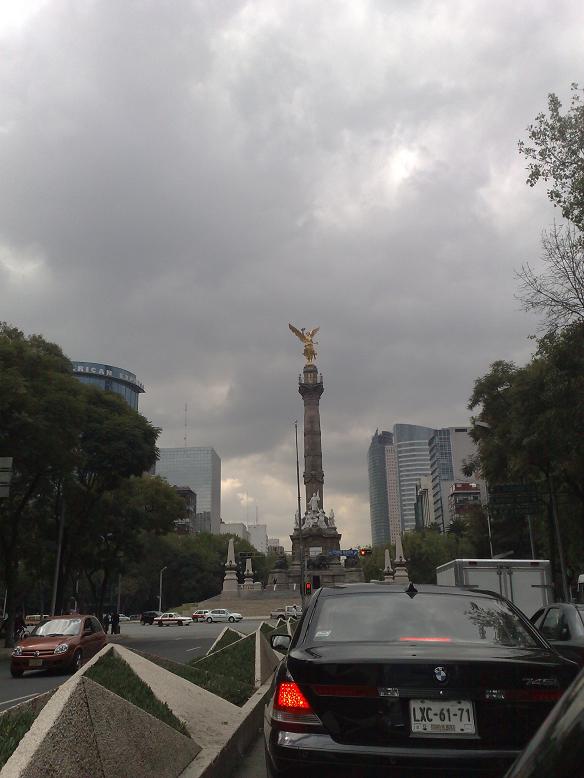
Mexico City has the widest choice of machines and the worst riding conditions in the country for a visitor. Traffic is dense, aggressive and unpredictable; the altitude is 2,240 metres, which noticeably affects carburetted bikes and unacclimatised riders alike; and rain in the afternoon between June and September is close to a daily event. Hire here for the roads out, exactly as you would in any megacity.
Oaxaca, San Miguel de Allende, Mérida and Guadalajara are all better places to start a ride than the capital: smaller, calmer, and each surrounded by good road within an hour.
Cancún and the Riviera Maya have the largest scooter rental market in the country and the most tourist-focused pricing. The riding is flat and dull but the practicality is real if you are hopping between cenotes and beaches.
Four rides that justify the hire
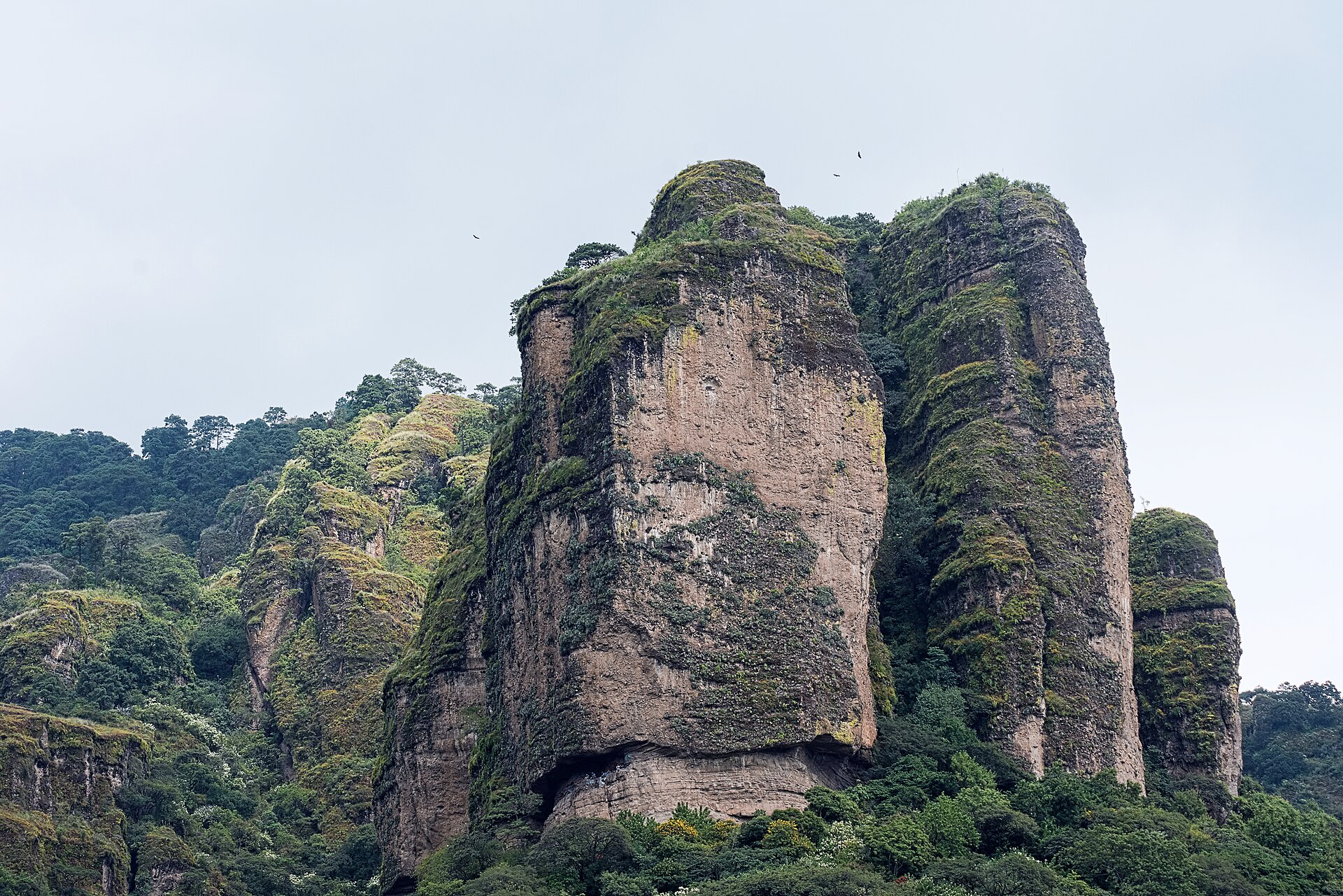
Mexico City to Tepoztlán (about 80 km). South through the pine forest of the Ajusco, dropping into Morelos with the cliffs above Tepoztlán ahead of you. Half a day, and the standard first ride out of the capital for anyone who lives there.
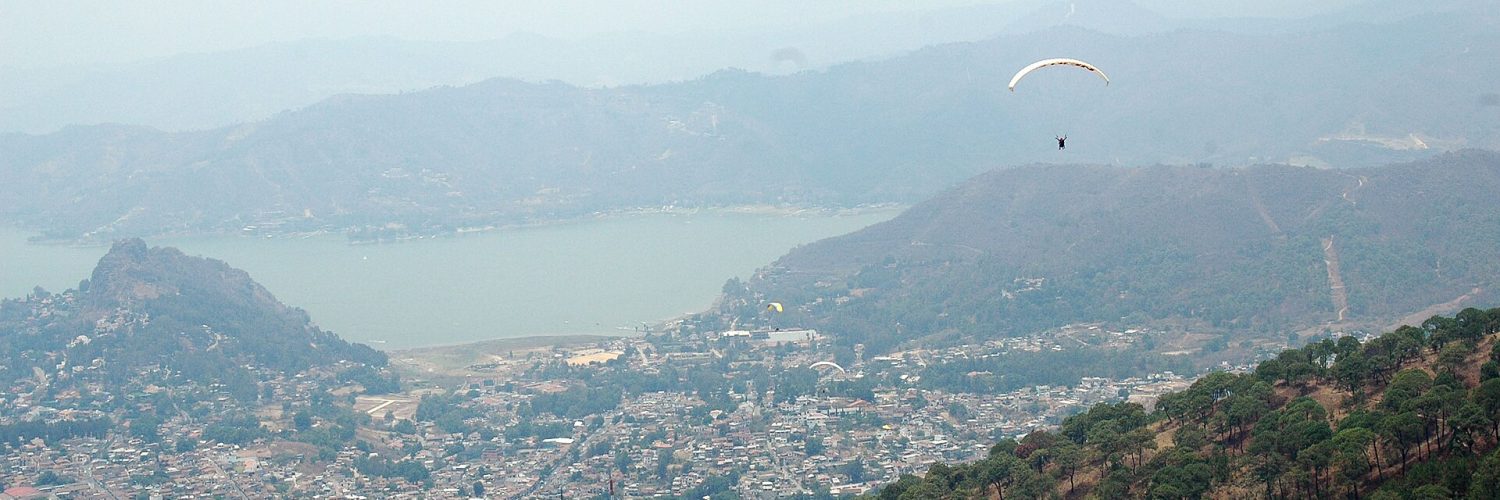
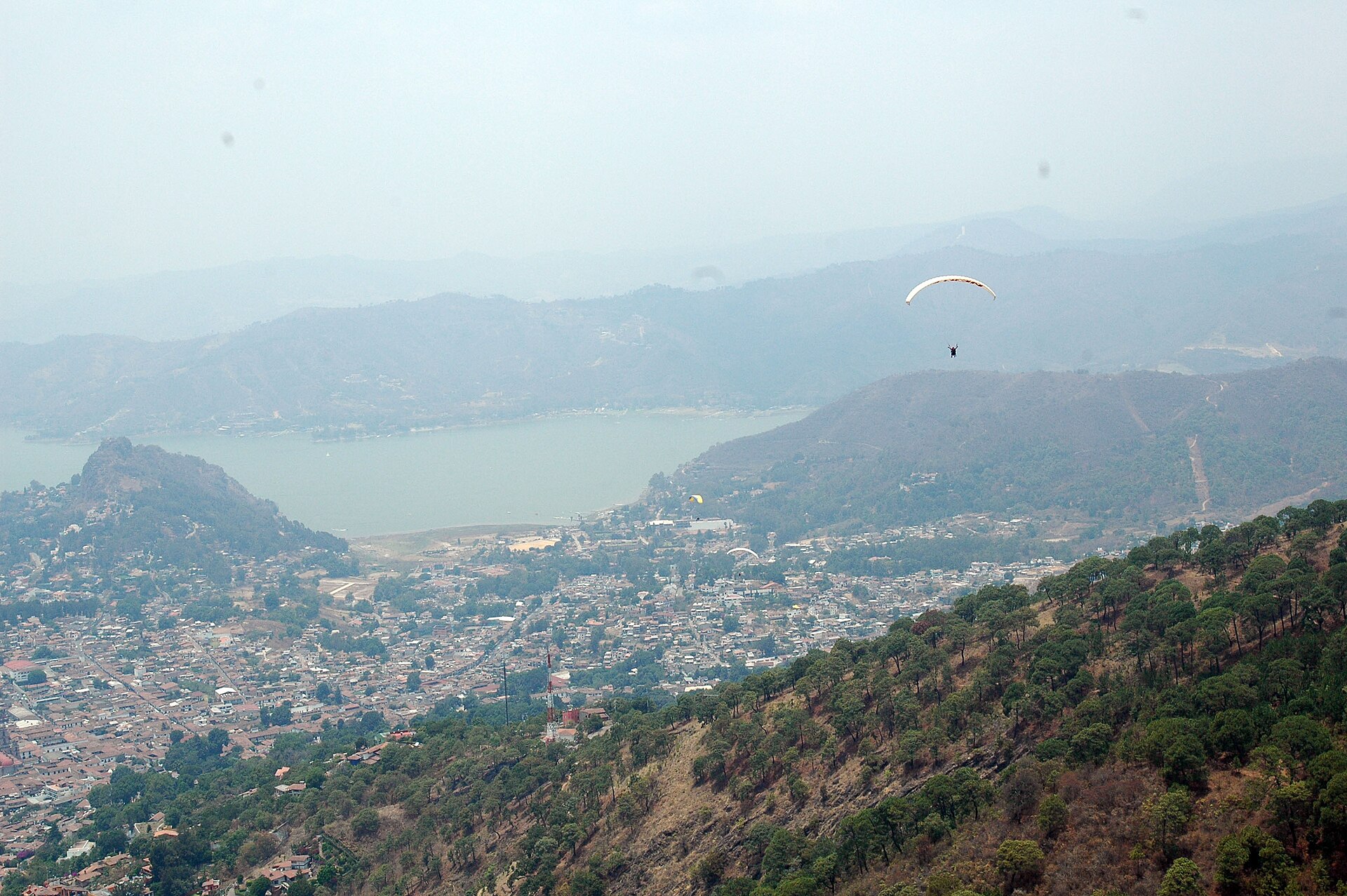
Mexico City to Valle de Bravo (about 150 km). The one local riders actually recommend: a long climb through mountain forest to a lakeside town with cobbled streets. Around 300 km round trip, comfortably a full day, and the road is the point rather than the destination.
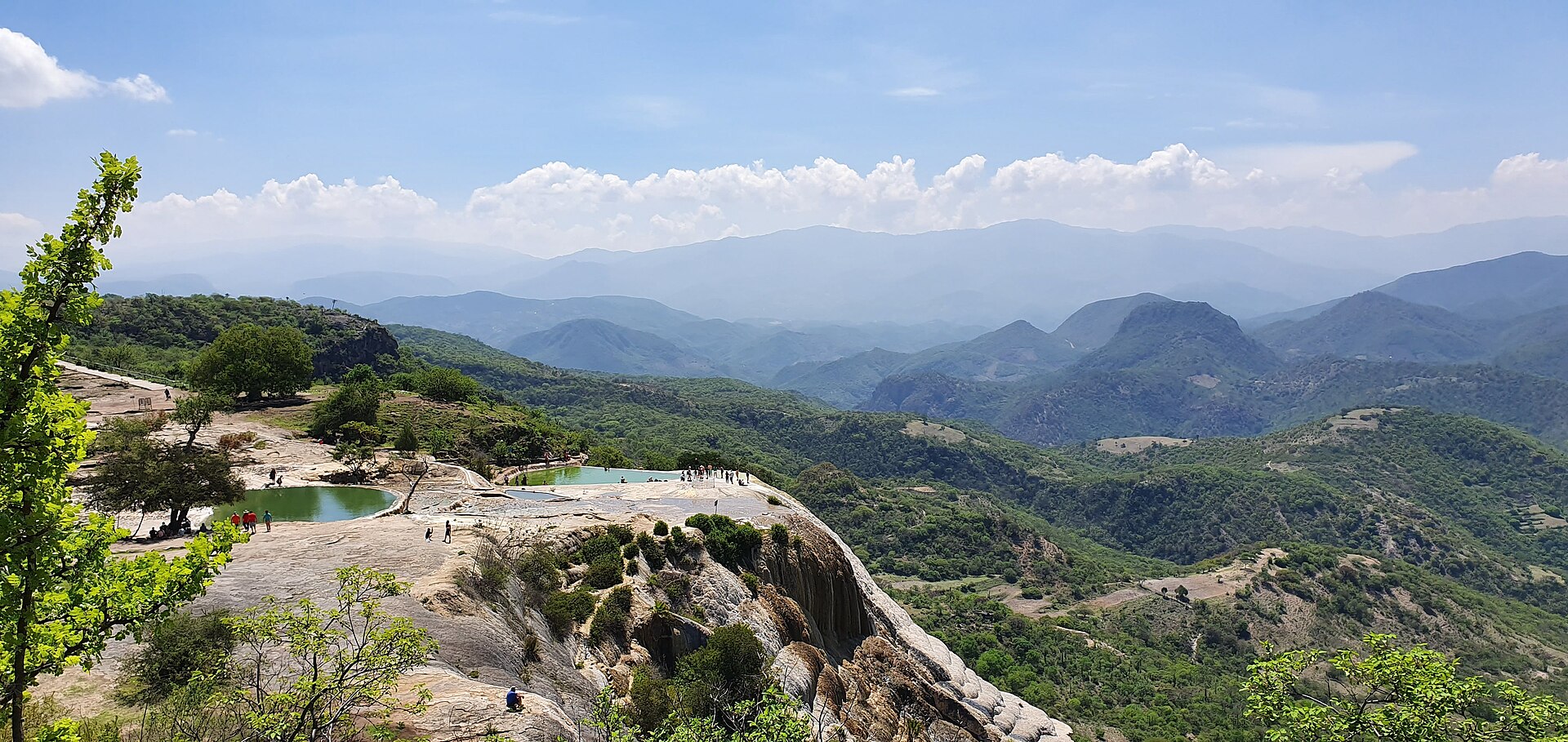
Oaxaca to Hierve el Agua (about 70 km). Mineral terraces and petrified waterfalls at the end of a road that climbs steadily through mezcal country. The last section is rough — this is a ride for something with suspension travel, not a city scooter.
The Yucatán triangle. Mérida, Valladolid and the Puuc route between them: flat, hot, straight and studded with cenotes and ruins. It is the least technical riding in Mexico and among the most rewarding for what you see.
Safety, honestly
Mexico’s security situation is highly regional and does not map onto the country as a whole. Central and southern tourist corridors — the Yucatán, Oaxaca, the colonial Bajío, Mexico City itself — see enormous numbers of visitors without incident. Some northern states and specific highway corridors are a different matter, and government travel advisories are issued state by state for exactly this reason. Check your own government’s current state-level advice before planning a route rather than relying on a general impression of the country.
The practical rules that riders in Mexico follow regardless of region: do not ride intercity roads after dark, both for security and because unlit livestock and topes are genuinely dangerous; stick to toll roads for long distances; do not leave luggage strapped to a parked bike; and keep the bike in secured parking overnight, which most hotels can arrange if you ask.
Arriving, and the first 24 hours
Do not collect a bike on the day you land. Mexico City in particular is a poor place to make your first ride a jet-lagged one at altitude in traffic. Book a transfer into the city, sleep, and collect the machine the following morning.
Where to stay while you ride
The thing to look for is not a location but a facility: secure off-street parking. In Mexico City that means Roma, Condesa, Juárez or Polanco, all of which have hotels with garages and none of which require you to ride into the historic centre. In smaller colonial towns, courtyard hotels almost always have space for a bike and will let you put it inside overnight if you ask when booking.
What to book ahead
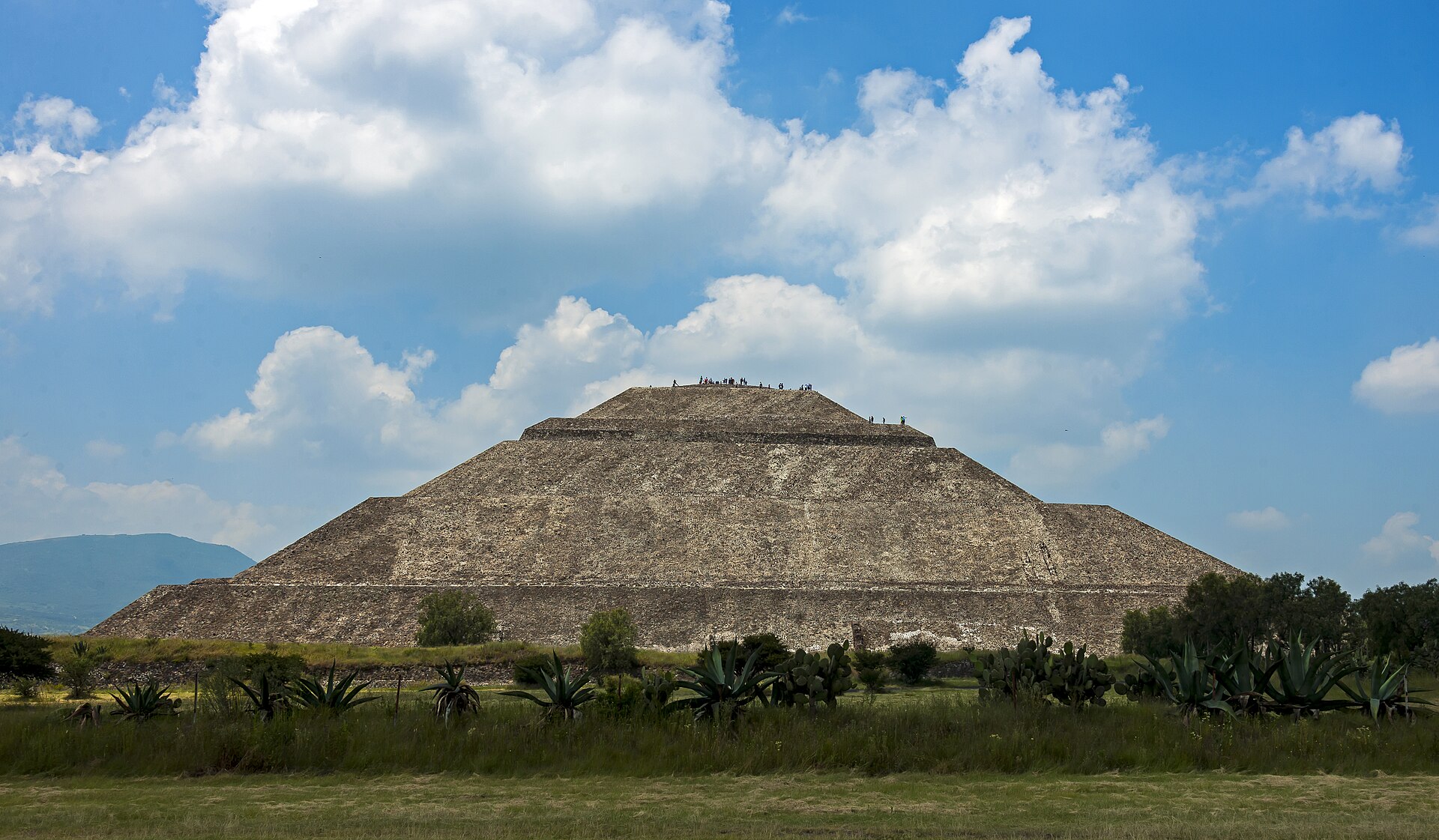
Several of the big-ticket sites near the capital now use timed entry or capacity limits, and Teotihuacán in particular is far more pleasant at opening time than at eleven. Booking ahead also saves you standing in a queue in riding gear:
When to go
November to April is the dry season and the right window for almost the whole country. Clear roads, cool mornings in the highlands, and no daily downpour.
May to October is the rainy season. In the centre and south that usually means a heavy afternoon shower rather than all-day rain, which is manageable if you start early and finish by mid-afternoon. On the Gulf and Caribbean coasts, hurricane season runs roughly June to November and is a real planning constraint.
Semana Santa, the week before Easter, and the Christmas fortnight are when Mexicans travel domestically. Roads, hotels and rental fleets are all at their tightest.
Further reading
- Things to do in Mexico City
- Where to stay in Mexico City
- Domestic flights within Mexico
- Motorcycle rental in Cancún
- Bike rental in Cozumel


Add comment