
There is one thing about renting a motorbike in Zanzibar that matters more than the price, the machine or the road surface: your home licence is not enough. Every foreign driver needs a Zanzibar-issued temporary driving permit before legally riding anything on the island, and the traffic police stop foreign riders specifically to check for it.
Get that right and Zanzibar is one of the most enjoyable places in East Africa to ride — a flat, compact island where you can cross from Stone Town to the northern beaches in under two hours on decent tarmac. Get it wrong and your holiday includes a roadside negotiation you did not budget for.
The permit: what it is, what it costs, how to get it
The Zanzibar temporary driving permit is issued by the local licensing authority and is separate from anything you hold at home, including an International Driving Permit. In practice, the rental company arranges it — they take your licence details, obtain the permit, and add the charge to your bill. Expect something in the region of 10 to 30 US dollars per rider, with the spread reflecting how much the agency marks it up rather than any variation in the underlying fee.
Three practical points:
- Confirm before you pay a deposit that the permit is included and that it will be in your name. A permit issued to someone else is worthless at a checkpoint.
- Carry it with you, along with your home licence and a copy of your passport. Leave the passport itself in the hotel safe.
- Do not skip it to save the fee. The fine for riding without one is higher than the permit, and you will still have to deal with the stop.
If you are stopped and told to pay a fine on the spot, ask politely for a formal receipt or an electronic ticket. That request alone resolves most situations, and it is the standard advice given to visitors driving on the island.
What renting actually costs
A 125cc automatic scooter is the default machine and the sensible one for the island’s roads. Larger geared bikes exist but the extra capacity buys you nothing on terrain where the top useful speed is set by potholes, speed bumps and livestock rather than by the engine.
Budget for the following as separate lines rather than one daily figure:
- Daily rate for a scooter, which falls sharply on multi-day and weekly hires — always ask for the week price even if you think you want four days.
- The permit fee, per rider, as above.
- Fuel, which you pay for yourself. Petrol stations are common on the main routes and scarce on the east coast between villages. Fill up in Stone Town or at a main junction rather than assuming.
- Deposit or passport retention. Some operators ask to hold a passport. Decline and offer a cash deposit or a photocopy instead — handing over your passport for a scooter is a bad trade and reputable agencies do not insist.
- Helmets. One is normally provided. Its condition is variable. If you are riding for more than a day or two, inspect the strap and the visor before you leave the shop.
Prices in Zanzibar are negotiable in person and opaque online, which makes a baseline useful. Take a moment to compare scooter rates on the island before you walk into a shop in Stone Town, so you know what a fair weekly rate looks like rather than guessing.
Driving on the left, and the other things that surprise people
- Zanzibar drives on the left. If you are used to the right, the two moments that catch you out are pulling out of a fuel station and turning at an empty junction. Say it out loud for the first day.
- Speed bumps are everywhere and often unpainted, especially on the approach to villages. They are the single most common cause of scooter incidents on the island.
- Daladalas and lorries overtake on assumption rather than sight lines. Ride defensively on the Stone Town–Nungwi road, which is the busiest.
- Sand. The last few hundred metres to many beach hotels is soft sand, and a loaded scooter will bog down. Park on firm ground and walk.
- Night riding. Unlit roads, unlit pedestrians, unlit bicycles. Finish riding before dark. This is not excessive caution, it is standard practice among residents.
- Modest dress away from the beach and resort areas. Zanzibar is a conservative, majority-Muslim island and riding through villages in swimwear reads badly.
The rides worth doing
Stone Town to Nungwi (about 60 km, 1.5 hours). The classic. Straight run north on the island’s best road, ending at the beach with the reliable sunset and the dhow builders. Most rentals exist to do this route.
Stone Town to Paje or Jambiani (about 50 km, east coast). Crosses the middle of the island through Jozani Forest, where the Zanzibar red colobus — found nowhere else on earth — sit in the trees beside the road. The east coast beaches have enormous tidal ranges, which is worth knowing before you plan a swim.
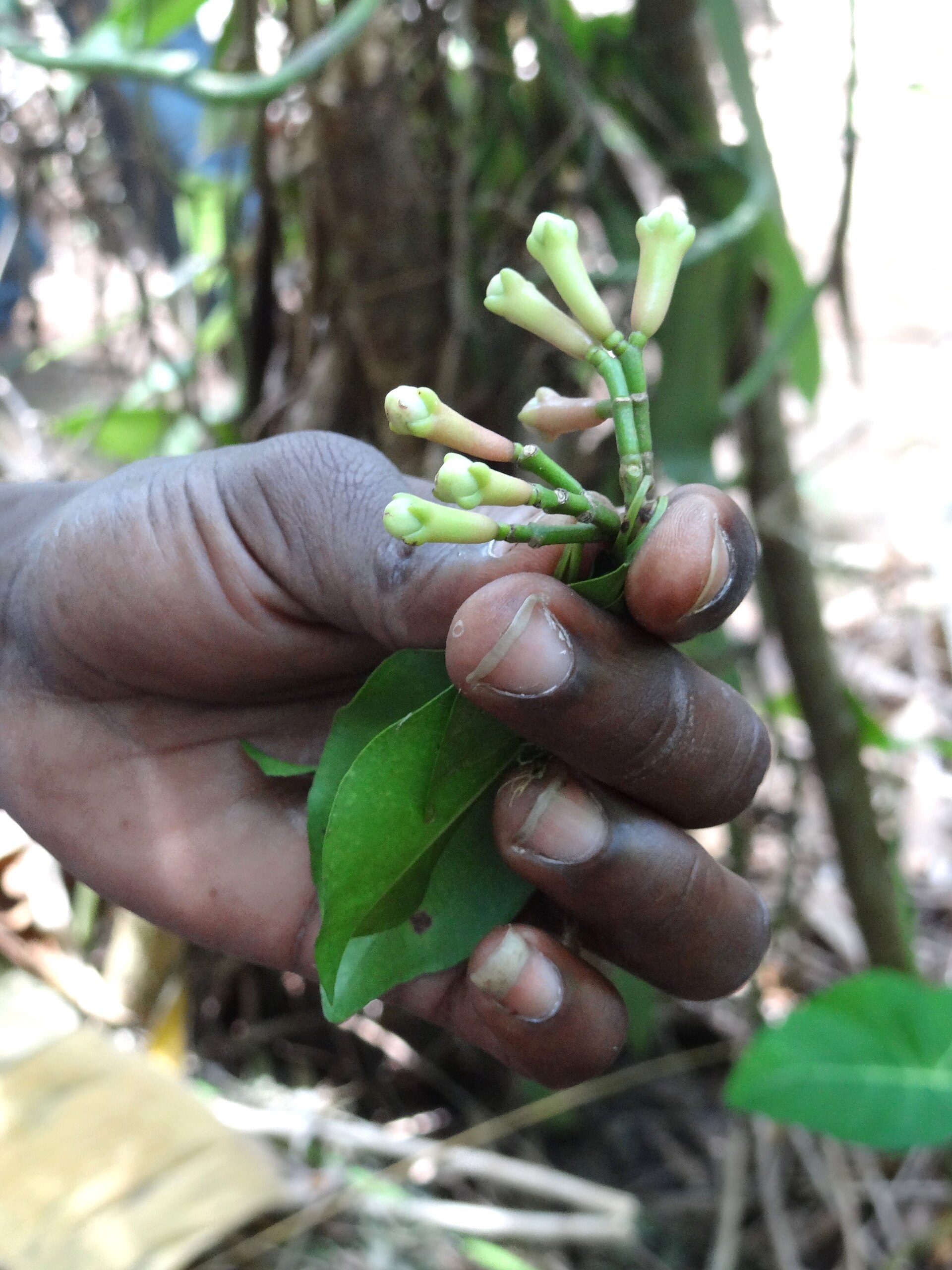
The spice farm loop inland. An hour north-east of Stone Town through clove, nutmeg and cinnamon plantations on narrow lanes that are far more interesting than the coastal roads. Best done in the morning.
Kizimkazi in the far south. Longer and quieter, with the oldest mosque in East Africa and the dolphin boats. The road deteriorates in the last stretch — this is the ride where a scooter’s small wheels become a genuine limitation.

Getting from the airport, and whether you need the bike on day one
Abeid Amani Karume International Airport (ZNZ) sits just south of Stone Town. Almost nobody should collect a motorbike at the airport on arrival — you will have luggage, you will be tired, and the first ride of the trip should not be a loaded scooter on an unfamiliar side of the road. Arrange a transfer to your first hotel and pick the bike up the next morning, in daylight, without bags.
Where to base yourself
The island is small enough that any base works, but the choice changes how much you ride.
- Stone Town — best for the permit paperwork, the rental agencies, the food and the history. Worst for parking; the lanes are too narrow to ride in comfortably.
- Nungwi and Kendwa (north) — the swimmable beaches at all tides, the most nightlife, the most development.
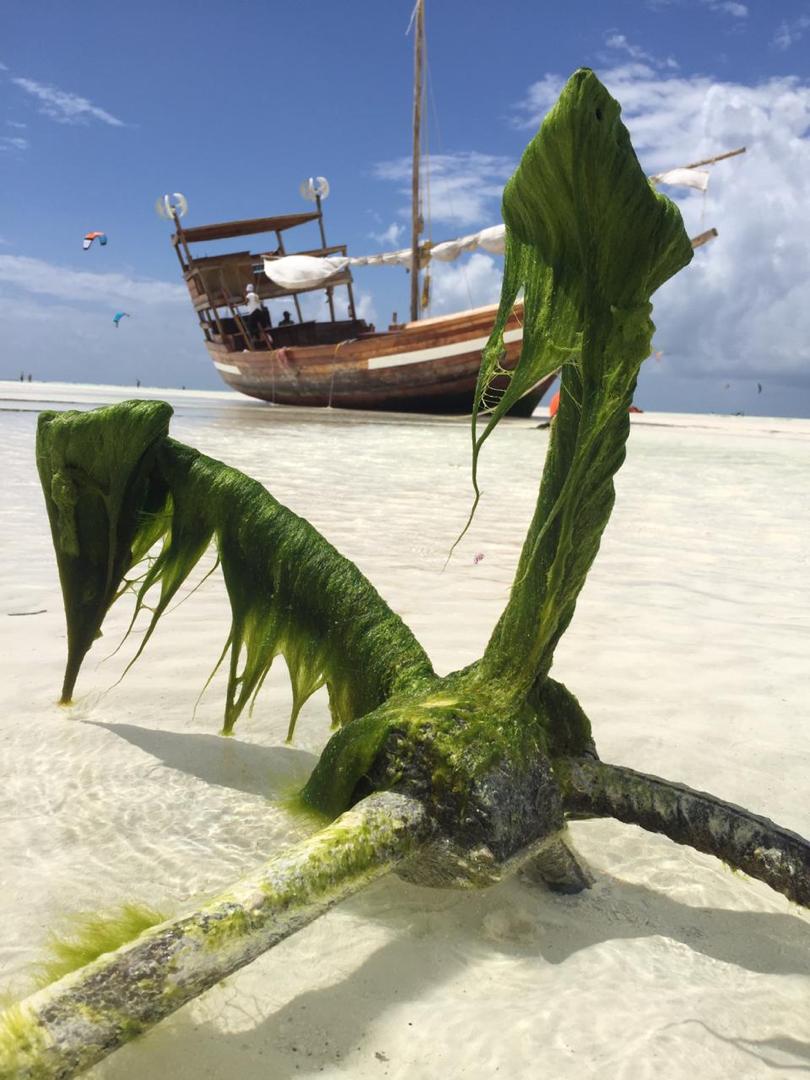
- Paje and Jambiani (east) — kitesurfing, big tides, a calmer scene, and the best value per night.
- Matemwe and Pongwe (north-east) — quiet, spread out, and the place where having a scooter genuinely changes the holiday.
A useful rule: if you are staying north or east and want to eat somewhere other than your hotel, the bike is worth it. If you are staying in Stone Town for the whole trip, it is not.
When to go
June to October is the long dry season and the best riding weather — hot, but with reliable roads and low humidity by island standards. December to February is the short dry season, hotter and busier, with Christmas and New Year at peak pricing. March to May is the long rains, when unsealed sections turn to mud, many small hotels close, and riding a scooter stops being fun. November brings short rains that are usually manageable.
Ramadan shifts opening hours across the island considerably, including at restaurants outside resorts. Check the dates against your trip.
If the scooter is not the answer
Two riders, luggage between beach hotels, or travelling in the rainy season all point toward four wheels instead. The same Zanzibar permit requirement applies to cars, and the daily rates on a small vehicle are closer to a scooter’s than you would expect once you account for the permit and fuel:
Further reading
- Where to stay in Zanzibar
- Motorcycle rental across Tanzania
- Motorcycle rental in Dar es Salaam
- Tanzania domestic flights
- eSIM options for Zanzibar
Read next: Zanzibar Airport Transfers: The $15 Ride, the $45 Ride, and the $94 You Pay Before Either


Add comment