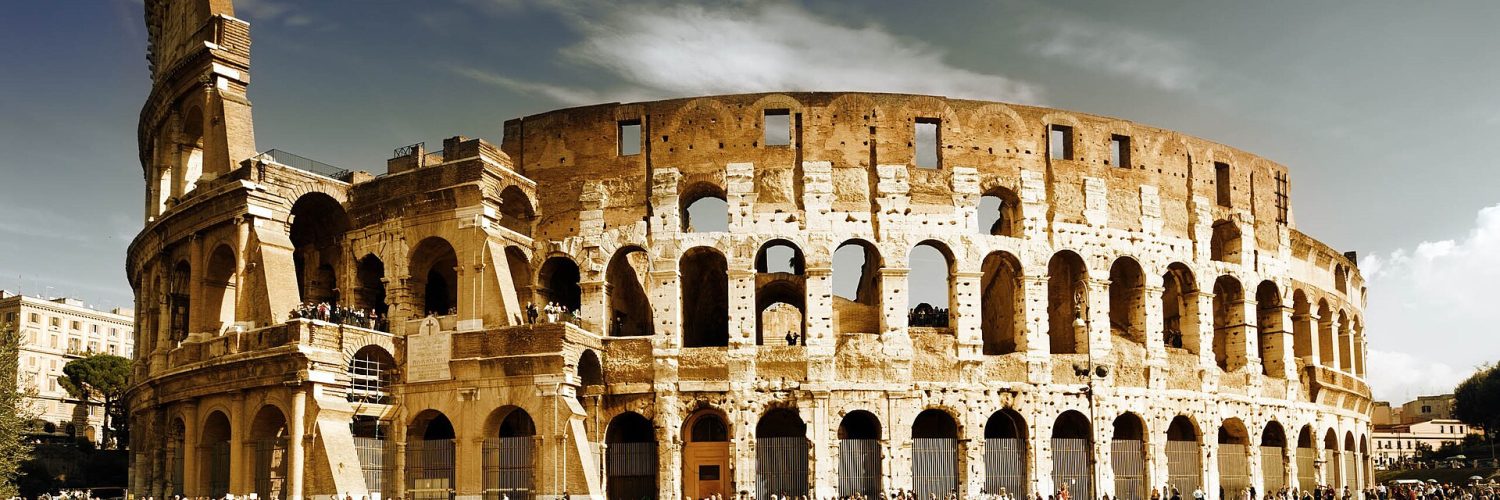
There is a specific kind of holiday disappointment that only happens at famous places. You arrive at the Colosseum at 10:30 on a Tuesday in June, walk towards the entrance, and find a line that disappears around the corner of the building. Ninety minutes later you are inside, sunburnt, and the two hours you had allocated have become forty minutes.
Attraction ticketing platforms exist to prevent exactly that, and Tiqets is one of the bigger ones. This is an honest look at what it does well, where it does not, and how to use it without overpaying.

What Tiqets actually is
Tiqets is an Amsterdam-based ticketing platform founded in 2014. It sells admission to museums, monuments, landmarks, zoos, aquariums and shows — roughly 3,000+ venues, weighted heavily towards major cities in Europe and North America.
The important distinction: it is not a tours marketplace. Competitors like GetYourGuide and Klook sell thousands of guided experiences, day trips and activities. Tiqets is narrower and deeper — it does the “get me into this building on Thursday afternoon” job, and it does that job with less friction than almost anyone.
Mechanically, it works like this: you pick a venue and a date, pay, and a QR code arrives instantly by email or in the app. At most partner venues you scan that code at the door. No printing, no voucher exchange desk, no collecting a paper ticket somewhere else in the city first.
Start with the city, not the attraction
The most useful way to use any of these platforms is backwards from how most people do it. Rather than searching for a specific museum you already decided on, look at what is bookable in the city — you will routinely find that the thing worth your Tuesday morning is not the thing on the postcard.
Here is what that looks like in practice:
Two things to notice in a list like that. First, the “from” prices are real starting prices, not the price you will pay for a premium timeslot or a guided version. Second, bestseller labels tell you where the queues will be — which is exactly the list of places you should be pre-booking rather than turning up at.
“Skip the line” — what it really means
This phrase is oversold across the whole industry, so it is worth being precise. There are three different things hiding behind it:
- Genuine separate entrance. Some venues operate a dedicated door for pre-booked ticket holders. You walk past the ticket-office queue entirely. This is the real thing.
- Skipping the ticket queue only. Far more common. You skip the line to buy a ticket, then join the same security and entry line as everybody else. At the Vatican Museums or the Colosseum, that second line still exists and can still be 20 to 40 minutes in peak season.
- Timed entry, which is now mandatory anyway. A growing number of major sights — the Colosseum, the Alhambra, the Anne Frank House, Sagrada Familia — no longer sell meaningful numbers of tickets at the door at all. Here a platform is not saving you a queue, it is saving you from being turned away.
The practical takeaway: pre-booking is close to essential at big-name European sights between April and October, but treat any promise of walking straight in as marketing rather than a guarantee. Arrive 15 minutes before your slot and expect a security check.
Booking one specific attraction
When you already know exactly what you want, the flow is short. Here is the Colosseum with the Roman Forum and an audio guide — one of the most-booked combinations in Europe, and a good example of why the bundled version is usually the sensible buy:
The Colosseum ticket is a useful case study in how attraction pricing works. Base admission covers the amphitheatre, the Roman Forum and Palatine Hill on a single 24-hour ticket. Add-ons — arena floor access, the underground hypogeum, the upper tiers — are sold in strictly limited numbers and disappear weeks ahead in summer. If the arena floor matters to you, that is the ticket to book early, not the standard one.

Check the calendar before you book flights
This is the step almost everyone does in the wrong order. People book the trip, then discover the one thing they came for is sold out for their entire stay.
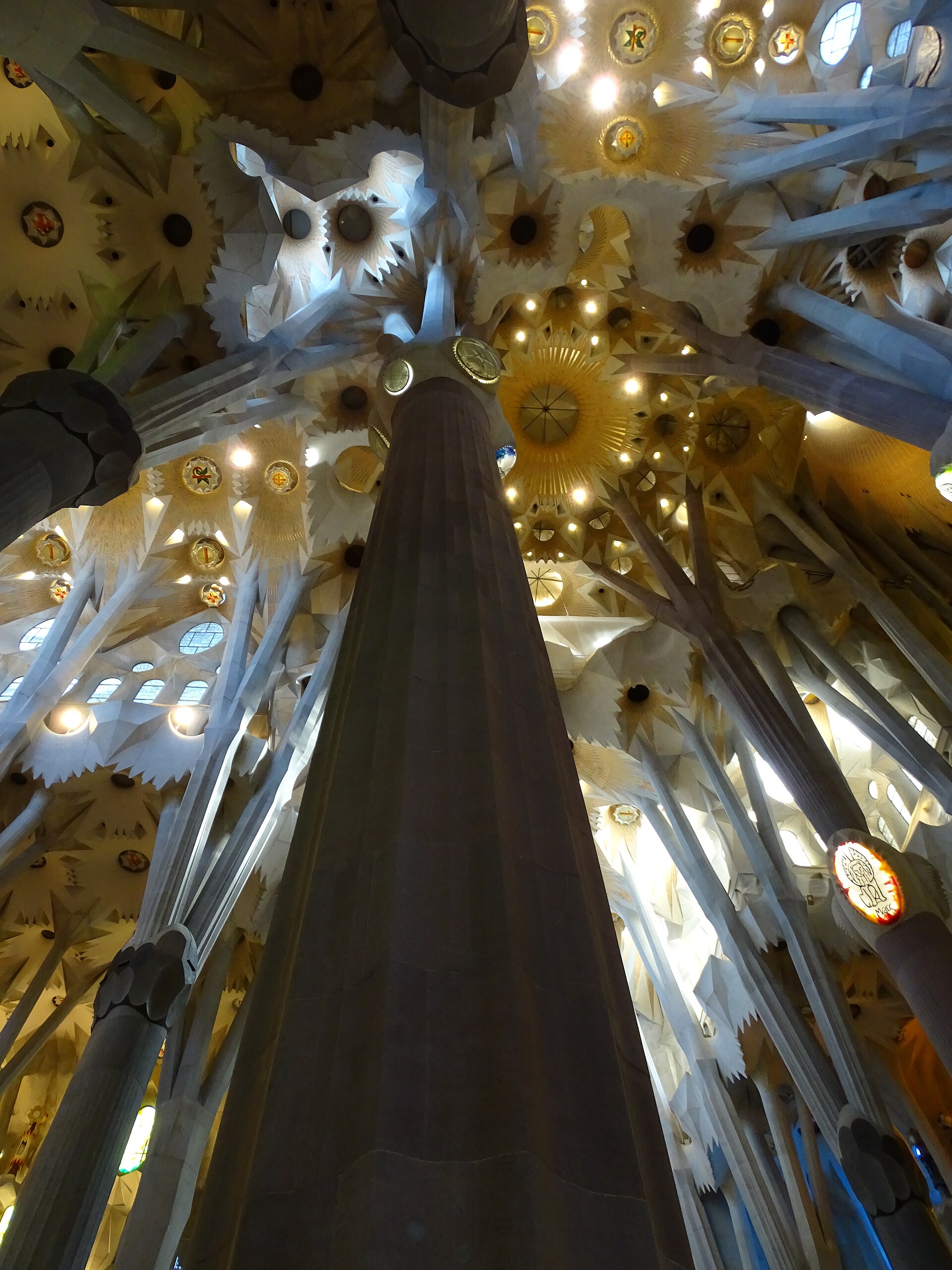
Sagrada Familia is the standard example. It is Barcelona’s most-visited paid attraction, tower access is capped at small numbers per slot, and in July and August the good times go weeks in advance. Checking a live availability calendar before you lock in dates costs nothing:
If a date shows as unavailable, that is genuine — it is the venue’s own inventory, not a platform running low. In that situation your options are a different day, a different time of day (late afternoon is consistently easier than mid-morning), or booking direct with the venue in case a separate allocation exists.
Cancellation: read this bit before you pay
This is where people get caught. Tiqets does offer flexible cancellation on a lot of inventory, but it is not universal and it is not automatic.
- Some tickets are refundable up to 24 or 48 hours before the visit under the venue’s own rules.
- On others, cancellation is an optional paid add-on you must select at checkout — skip it and the ticket is final.
- Plenty of timed-entry museum tickets are non-refundable, full stop.
The terms are shown on the product page before payment. Read them, because “Tiqets has free cancellation” is a half-truth that has cost a lot of people the price of a ticket. If your plans are genuinely uncertain, pay the few euros for the flexible option rather than assuming.
Customer service is the platform’s weakest area by reputation. Support runs 24/7 by chat, email and phone, but reviews consistently mention slow resolution on refunds and disputes. Nothing unusual for the sector — just do not count on a fast human when something goes wrong at the door.
Tiqets vs the alternatives
Four platforms dominate this space and they are genuinely different from each other:
- Tiqets — narrowest catalogue, best museum and monument workflow. Instant mobile tickets, direct barcode scanning at most partner venues. Strongest in European city centres.
- GetYourGuide — much larger inventory covering tours, day trips and activities as well as admission. The right choice if you want to book a whole trip’s worth of things in one place.
- Klook — strongest in Asia by a wide margin. Also covers transport passes, SIM cards and airport transfers.
- Headout — aggressive last-minute discounting, smaller catalogue, good for same-day decisions.
Prices across all four tend to land within a few percent of each other on the same product, because they are all reselling the same venue inventory. Where they differ is coverage and how painful the booking is.
When you should skip the platform entirely
An affiliate site telling you not to use the affiliate link is unusual, so here it is plainly. Book direct with the venue when:
- The museum is free or nearly free. Most UK national museums, many German state museums on certain days. There is nothing to book.
- The venue sells timed slots directly and easily. The Rijksmuseum, the Louvre and the Uffizi all have functional booking systems. Direct is usually a euro or two cheaper.
- You want a city pass. Paris Museum Pass, Roma Pass, I amsterdam City Card — these are sold by the city and bundle transport. If you are hitting five or more sights, a pass usually beats individual tickets.
- You are travelling in the off-season. In Rome in February you can walk up to most things. Pre-booking buys you nothing except a booking fee.

Eight things worth knowing before you book
- Book the first slot of the day. At almost every major sight, the 09:00 entry is dramatically calmer than the 11:00. The difference is bigger than any skip-the-line product.
- Screenshot your QR code. Mobile data fails, roaming fails, venue wifi is terrible. A screenshot in your camera roll always works.
- Check what the ticket includes. “Colosseum ticket” might mean amphitheatre only, or might include the Forum and Palatine. The difference is a full afternoon.
- Names on tickets. Some venues (the Alhambra is strict about this) check ID against the ticket. Enter names exactly.
- Currency. Pay in the local currency where you can. Dynamic currency conversion at checkout costs 3 to 5 percent.
- Bag rules. Large bags are refused at most major museums and the cloakroom queue is its own event. Travel light on museum days.
- Combined tickets are usually worth it only if you genuinely intend to use the second venue within the validity window. Most people do not.
- Late afternoon is the second-best slot. Tour groups clear out after 15:00 at most sights.
The verdict
Tiqets is a good tool for a specific job: getting into famous buildings in European and North American cities without wasting your morning. The mobile ticketing genuinely works, the catalogue covers the things most travellers actually want, and the interface is the cleanest of the major platforms.
It is not the cheapest way to see everything, it will not replace a city pass if you are doing five museums in three days, and the cancellation terms need reading rather than assuming. Used for the top two or three must-see sights on a trip — the ones where being turned away would genuinely ruin the day — it earns its place.
While you are planning the rest of the trip
Two things that pair with attraction bookings. Timed entry only works if you actually arrive on time, so a pre-booked airport transfer matters more than usual when your first slot is the afternoon you land. And every one of these tickets lives on your phone — if you are travelling outside your home region, a European eSIM costs a few euros and removes the “my QR code will not load” scenario entirely.
Related reading
Updated August 2026. Prices and availability change constantly — the widgets above pull live data. Some links on this page are affiliate links; using them costs you nothing and helps keep this site running.







Add comment