Most eSIMs sold for Chile run on exactly one network — Movistar — and that is fine right up until you leave Santiago. Airalo, Holafly and Nomad all route their Chile data through Movistar’s towers, because it is the easiest wholesale deal to strike. The problem is that Movistar is not the network Chileans themselves reach for once they are off the city grid; that is Entel’s job. The gap between the two shows up exactly where you can least afford it: on the road through the Atacama, and on the long stretch of Patagonia between Puerto Montt and Punta Arenas.
It is worth being precise about why this happens rather than just accepting it. More than 10 million 5G lines have already been switched on across Chile according to industry reporting, and Entel, Movistar, Claro and WOM are all racing to expand it — but 5G rollout is a city story. The rural picture is about 4G reach along highways and national park access roads, and that is the metric where Entel has kept its historical lead since Chile’s telecoms privatization decades ago. A travel eSIM locks you to one operator’s identity for the life of the plan, the same as a local SIM would; there is no setting that lets you hop to a stronger tower mid-trip unless the provider explicitly sells a multi-network product, which none of the major single-country Chile eSIMs currently do.
The network question most guides skip
Chile has four real carriers — Entel, Movistar, Claro and WOM — and in the cities you will not notice much difference between them. All four run solid 4G with expanding 5G in Santiago, Valparaíso and Concepción, and WOM currently leads on raw 5G rollout. The split opens once you leave town. Independent coverage testing from OpenSignal and Nperf consistently ranks Entel ahead on rural reach and highway coverage, and it is the network Chileans point to when the conversation turns to what actually works outside the capital. Most travel eSIMs do not let you pick. You buy the plan and you get whichever network the provider has a wholesale agreement with, and for Airalo, Holafly and Nomad in Chile, that is Movistar.
What you will actually pay, gigabyte by gigabyte
Pricing on these plans moves often, so treat the numbers below as a snapshot rather than a promise. Prices checked against operator listings in September 2026.
- Airalo (Movistar): from $5 for 1GB over 7 days, up to roughly $48 for 20GB over 30 days.
- Holafly (Movistar): unlimited data only, no capped tiers — $7.90 for a single day, down to about $3.21 a day if you book the full 90-day plan.
- Nomad (Movistar): from $9 for 1GB over 7 days, up to about $55 for 20GB over 45 days.
None of the mainstream single-country eSIM brands currently sell a Chile plan built on Entel. The closest alternative is a multi-network regional eSIM that bundles several local carriers together, which is a different product with its own cost trade-off — regional plans almost always work out more expensive per gigabyte than a Chile-only plan, so they are worth it mainly if your trip also crosses into Argentina or Peru.
Where the network choice actually bites
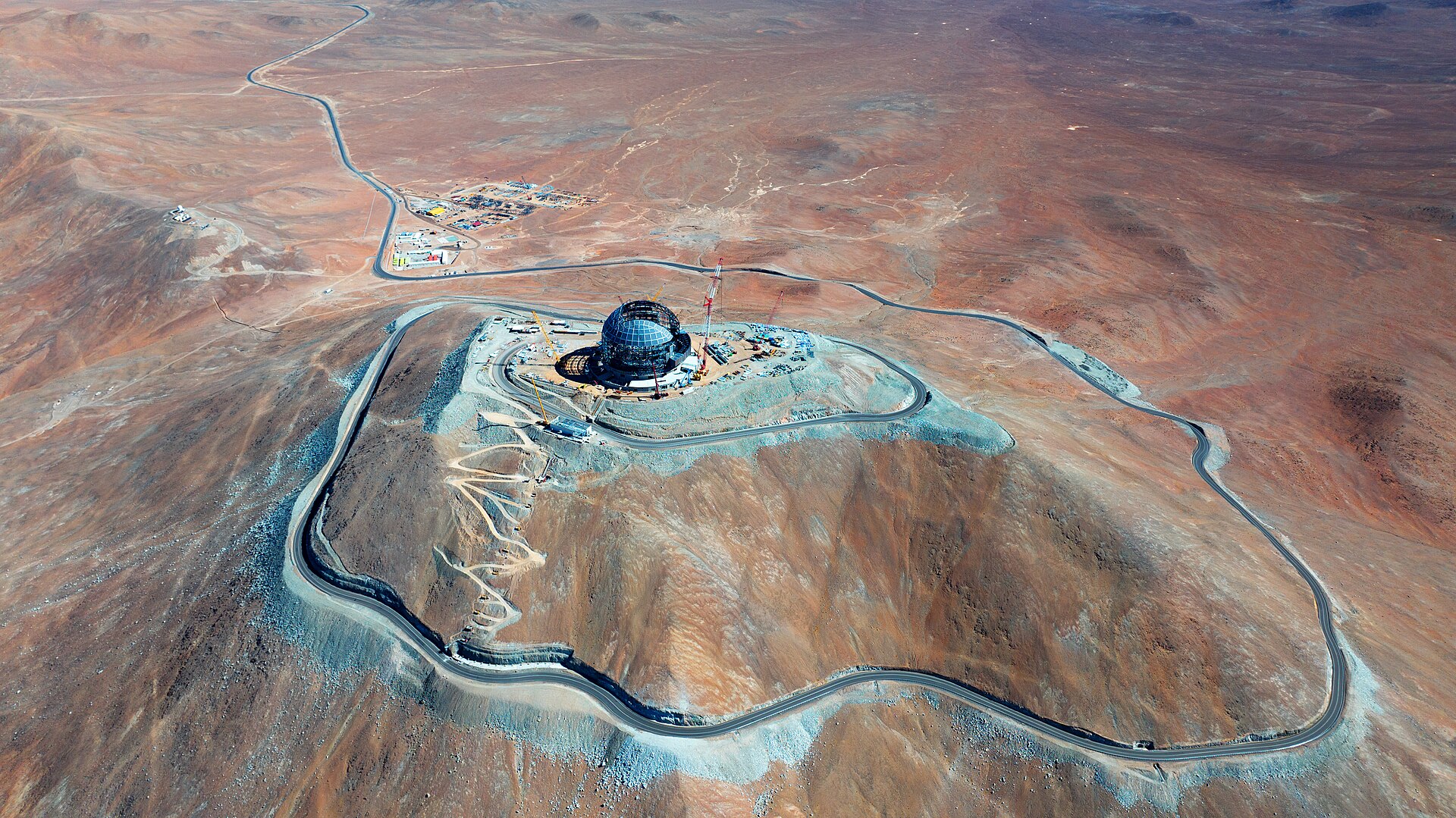
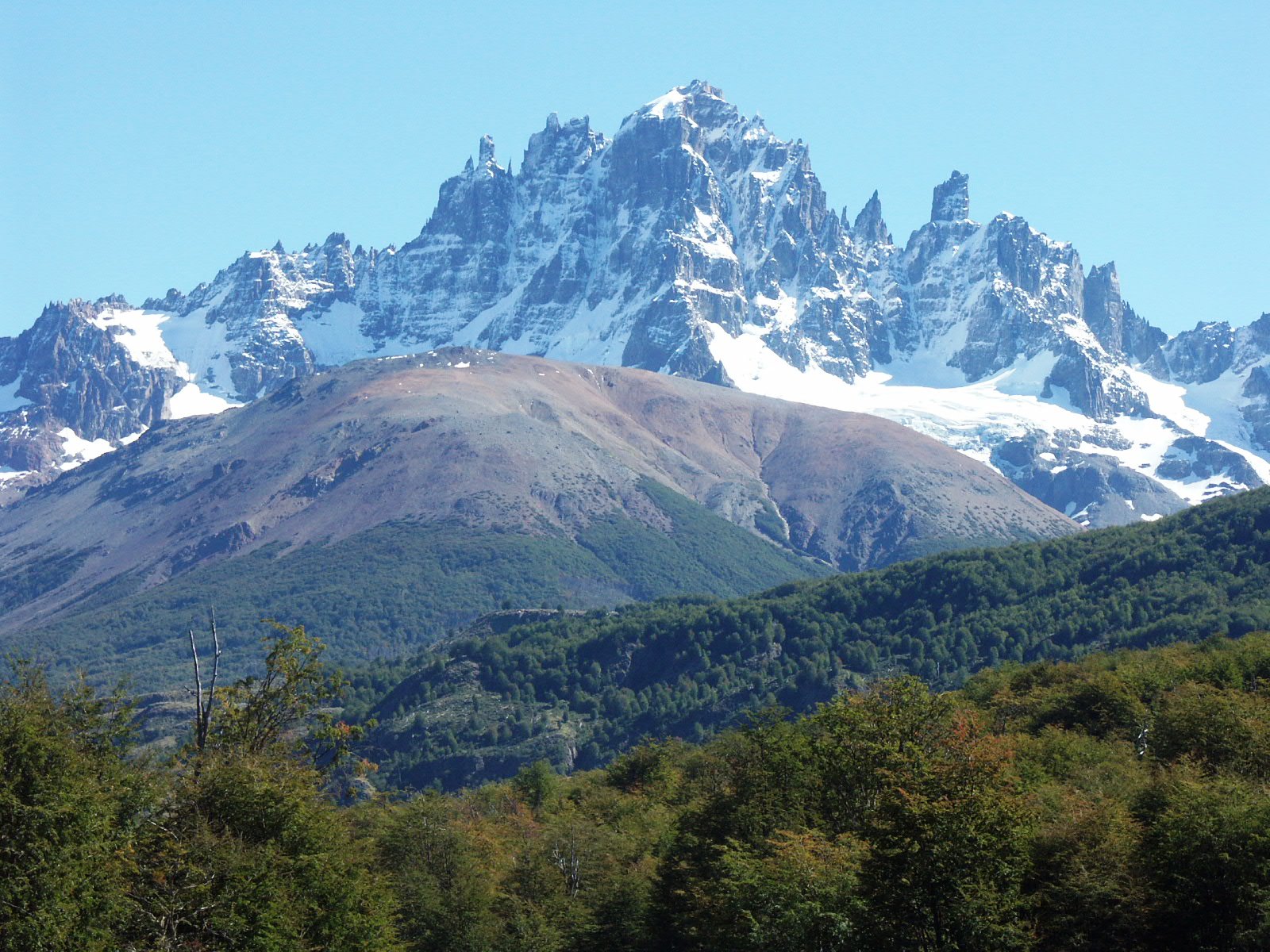
In Santiago, San Pedro de Atacama town, Puerto Natales and Punta Arenas — anywhere with a permanent population — Movistar and Entel both work fine, and you will not notice which one your eSIM uses. The difference shows up between towns. The route linking Copiapó to Antofagasta through the Atacama, and the long haul between Puerto Montt and Punta Arenas that makes up most of Chilean Patagonia, are both dotted with long dead patches no matter which carrier you are on, but Entel is consistently the one that holds a bar of signal for longer before it disappears completely. If your trip stays inside Santiago and a few nearby wine valleys, the network question barely matters. If it includes self-driving through the Atacama or a Patagonia road trip, it is worth knowing your eSIM’s network before you buy, not after you lose signal for three hours on an empty road.
What no eSIM fixes
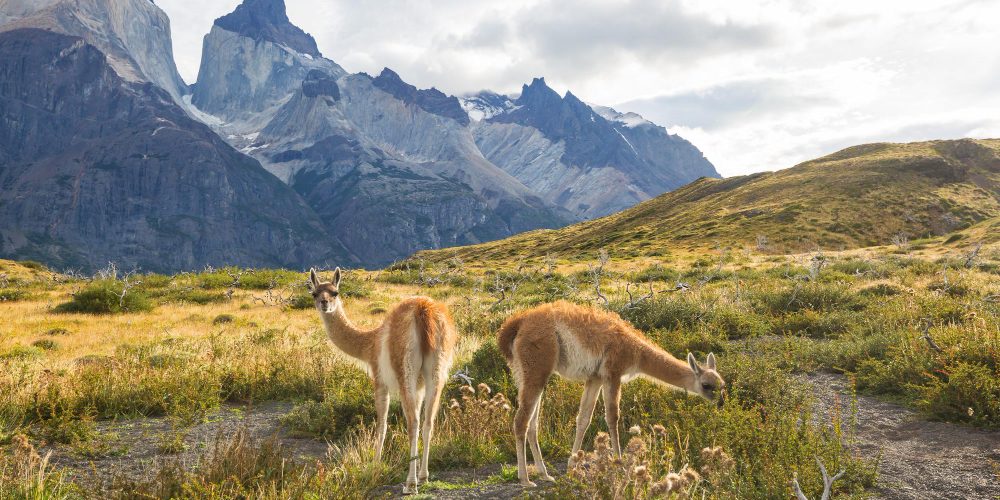
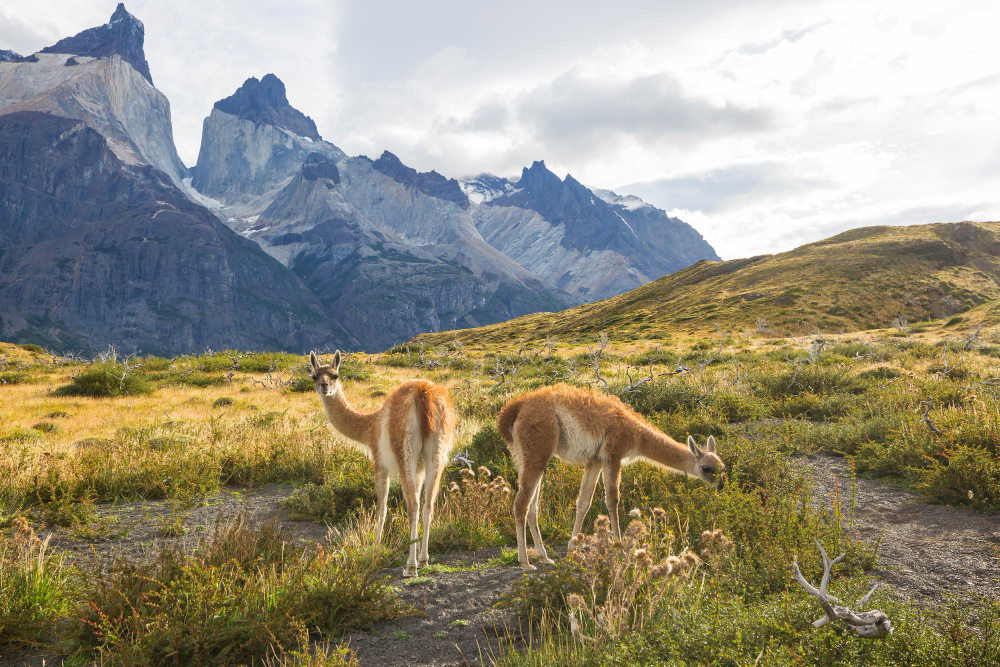
Worth saying plainly: no eSIM, on any network, fixes Torres del Paine. Inside the park, hikers get at best a weak Entel signal near the entrances and refugios, and nothing at all on the trails — that is a function of terrain and tower placement, not your data plan. The high salt-flat routes around San Pedro de Atacama are the same story. Download offline maps before you go, and do not buy a bigger data plan hoping it solves a coverage problem it cannot touch.
How much data a normal trip actually needs
For two to three weeks of maps, messaging, social media and the occasional video call — with Wi-Fi covering you at your accommodation each night — 5 to 10GB is enough for most travelers. Push that higher if you are working remotely or navigating rental-car GPS full time without a dashboard mount for your phone, and lower it if most of your trip is walking tours in Santiago where hotel and café Wi-Fi cover the gaps. Buying the largest tier “just in case” mostly means paying for data you will not use; the mid-size plans in the table above are the better default for a standard two-week itinerary.
Before you buy: a quick device check
Confirm your phone is eSIM-compatible and carrier-unlocked before you pay for anything — recent iPhones (XS and later) and most Android flagships from the last four to five years support it, but some carrier-locked or grey-market phones do not, regardless of age. If you are travelling with more than one device, remember a single eSIM profile typically serves one phone at a time; you would need a separate plan, or a plan with hotspot switched on, to cover a tablet as well.
What is not worth paying for
Holafly’s unlimited plans are genuinely useful if you are streaming or on video calls daily, but for a standard two-to-three-week trip with normal maps-and-messaging use, a capped 10–20GB plan from Airalo or Nomad will almost always cost less for the data you actually burn through. And if you are staying in Chile for a full month and have the patience for a shop visit, a local Entel or WOM prepaid SIM beats every travel eSIM on price per gigabyte, by a wide margin — it just costs you biometric verification at the counter and registering your phone’s IMEI within 30 days under Chile’s Multibanda rules, or the network blocks the handset. A passport is enough; no Chilean RUT required. For a two-week trip it is rarely worth the hassle, but it is the honest answer for longer stays, even though it is not the option that earns us anything.
Setting it up before you fly
Every major eSIM brand activates the same way: install the profile from a QR code before you leave home, and the validity period does not start counting until the eSIM makes its first connection to a network in Chile, not at the moment you buy it. That means there is no downside to installing it a week early and forgetting about it until you land. Hotspot and tethering are included on all the plans listed here, and your regular phone number stays on your main SIM, so WhatsApp and bank verification codes keep working exactly as before.
Where to stay in Santiago
If your trip starts or ends in Santiago, staying somewhere central like Providencia or Las Condes keeps you within easy reach of the metro, and neither neighbourhood is short on options across every price range.
So which one actually makes sense
For a Santiago-and-wine-country trip, price is the only variable that matters, and Airalo’s cheaper tiers are hard to beat on a Movistar signal that is perfectly fine in cities. For a longer loop that includes self-driving through the Atacama or south into Patagonia, weigh the extra reliability of an Entel-based option against Movistar’s lower prices before you commit, and pair whichever you choose with offline maps for the stretches nothing will cover. If your route crosses into Argentina too, check our guide to eSIM for Argentina before buying two separate plans, since Chile-only and Argentina-only eSIMs do not share data. If Santiago’s airport is your first stop, our Santiago airport transfer guide covers what the ride actually costs before you have even opened your data plan, and for the Patagonia leg specifically, our guide to renting a car for Chilean Patagonia covers the ferries and fuel stops where a working signal matters most.

Add comment