A single permit to spend one hour with a mountain gorilla in Rwanda costs $1,500 per person, and that number alone decides who goes and who doesn’t. It is nearly double what the same experience costs just across the border in Uganda. The question worth asking isn’t whether gorilla trekking is special — everyone agrees it is — but whether Rwanda specifically, at that price, is the version of it you should book. The honest answer depends on what you actually value on the day, and this guide breaks down exactly what the $1,500 includes, what it doesn’t, and where the rest of your Rwanda budget is better or worse spent.
Getting to Kigali, and the One Visa Fee That Actually Applies

Kigali International Airport is the only realistic entry point, and RwandAir runs a nonstop route to Paris, with most other travelers connecting through Nairobi, Addis Ababa, Doha, or a European hub. On arrival, most non-African nationalities pay for a single-entry visitor’s visa on arrival rather than getting in free — Rwanda’s own visa services portal (Irembo) lists the standard single-entry Holiday visa at $50, with other categories priced separately. Build that into the budget; it’s easy to overlook when every blog post talks only about the permit.
Search flights to Kigali:
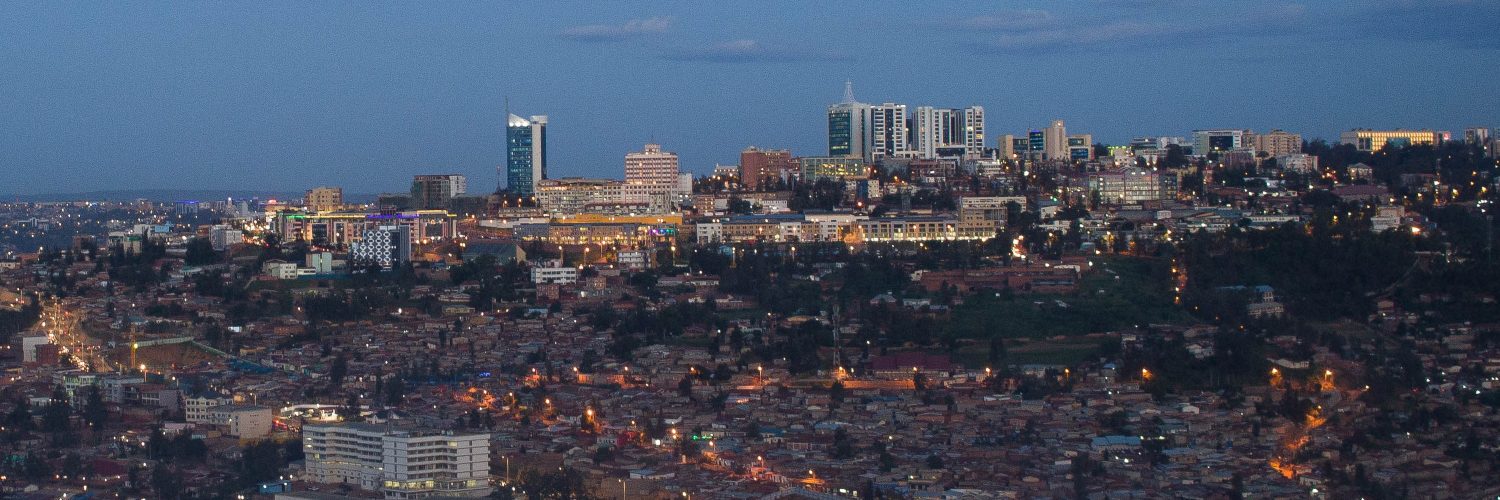
Kigali itself is worth a half-day if your flight timing forces an overnight: the genocide memorial at Gisozi is the one stop locals consistently say matters, and the city is widely reported as the cleanest capital in East Africa, which is its own kind of interesting. But don’t plan more than one night here each way — the actual destination, Volcanoes National Park, is about 90 kilometers and roughly two hours’ drive north, near the town of Musanze.
The $1,500 Number, and What It Actually Includes
A standard gorilla trekking permit for Volcanoes National Park costs $1,500 per person for foreign non-residents. That single fee covers park entry, an armed ranger-guide and tracker team, and up to 60 minutes of direct observation once your group reaches a habituated gorilla family. It does not cover the hike itself, which can run anywhere from 30 minutes to several hours each way depending on where that particular family happens to be that morning — nobody, including the rangers, knows until trackers radio in at dawn. The minimum age for trekking is 15. Groups are kept small and capped per gorilla family, so permits for the busiest months sell out well ahead of travel; booking as early as you can is the only real hedge against being shut out of your preferred dates.
There is one legitimate discount: during the November-to-May low season, Rwanda has periodically offered a reduced $1,050 rate, but only when the gorilla permit is combined with a visit to Akagera or Nyungwe National Park in the same itinerary — it isn’t a standalone discount on the permit alone. Rwanda’s official booking channel for all of this is the Rwanda Development Board’s own portal; third-party tour operators resell the same permits with a markup for handling the paperwork.
Rwanda vs. Uganda: What the Extra $700 Is Really Buying
Uganda’s equivalent permit for Bwindi Impenetrable Forest runs about $800 for foreign non-residents — roughly half of Rwanda’s price for what is, biologically, the same encounter with the same species. The gap isn’t a pricing error; it reflects real differences on the ground, and which side of it matters to you is a personal call, not a fact either country’s tourism board will state plainly.
- Drive time to the trailhead: Rwanda’s Volcanoes National Park sits about two hours from Kigali’s international airport on a paved road. Uganda’s Bwindi is a much longer haul, commonly five to nine hours by road from Entebbe, or a shorter but pricier domestic flight.
- Trek terrain: Rwanda’s slopes are generally considered steep but more consistently manageable; Bwindi’s forest is denser and, by most trekkers’ accounts, physically tougher.
- Infrastructure around the park: Rwanda has concentrated high-end lodge investment right at the park’s edge over the past decade; Uganda’s accommodation near Bwindi is more mixed in quality and price.
- Crowding: Both countries cap group sizes per gorilla family, so the in-forest experience itself is similar either way.
If your budget is the deciding factor and you’re comfortable with a longer, rougher approach, Uganda is a legitimate way to see the same animals for less. If you want the shortest possible trip from landing to trekking, Rwanda’s two-hour transfer is the real product you’re paying the premium for — arguably more than the forest itself, since gorillas in both countries look identical through a lens.
What an Actual Trekking Day Looks Like

Every trek starts with an early-morning briefing at the park headquarters in Kinigi, where trekkers are sorted into groups and assigned to one of the park’s habituated gorilla families based on fitness level and that morning’s tracker reports. From there it’s a 4×4 transfer to the trailhead, then the hike itself through volcanic farmland and into dense forest — expect mud, altitude (the park sits well above 2,000 meters), and a walking pace set by your slowest group member, not you. Porters are available to hire at the trailhead for anyone who wants help carrying gear or a hand on the steeper sections; most operators mention this as an option rather than a requirement.
The payoff is the hour itself: once the tracking team locates the family, you leave bags and walking sticks behind and approach on foot, usually to within a few meters of gorillas that have been habituated to human presence for years. Photography is allowed, flash isn’t, and the rangers set the pace and distance throughout.

What’s Not Worth It
Volcanoes National Park sells several add-on activities, and not all of them earn their place on a short itinerary:
- Golden monkey trekking is a separate permit on top of the gorilla fee, and it’s a genuinely different, lighter experience — worth adding only if you have a spare half-day and aren’t trying to cram the trip into 48 hours.
- The Dian Fossey tomb hike to her former research camp is a steep, multi-hour round trip priced separately from the gorilla permit. It’s a pilgrimage for people who’ve read Gorillas in the Mist and want the context; for everyone else, it’s an extra half-day of hard hiking for a gravesite, not a gorilla encounter.
- The very top tier of lodges right at the park boundary — the ones built around private villas, dedicated trackers, and all-inclusive everything — price well beyond what the trek itself requires. They’re a legitimate splurge, not a necessity; a well-reviewed mid-range lodge in Musanze town gets you to the same 7am briefing just as reliably.
Where to Actually Stay
Musanze town, about 15–20 minutes from park headquarters, has the widest range of honestly priced options and is where most budget and mid-range travelers base themselves. The park-boundary lodges in Kinigi are closer still and come with Virunga mountain views from the room, at a corresponding price jump.
See Hotels in Musanze on Booking.com →
Renting a Car for the Rest of Rwanda
Rwanda drives on the right, uses the Rwandan franc, and has some of the best-maintained paved roads in East Africa outside the capital region, which makes self-driving between Kigali, Musanze, and Lake Kivu a realistic option for the non-trekking part of a trip. You won’t self-drive into the park for the trek itself — that’s handled by your guide’s vehicle — but a rental covers everything around it:
So, Is Rwanda Worth Visiting?
Yes, with a clear-eyed view of what you’re actually paying for. The $1,500 permit buys an hour that people who’ve done both Rwanda and Uganda consistently describe as worth repeating, and the two-hour transfer from a well-connected capital is a genuine convenience that shortens the whole trip. Where Rwanda stops being worth it is in the add-ons: skip the Dian Fossey hike unless the book means something to you personally, treat golden monkey trekking as a bonus rather than a must, and pick your lodge based on what you’ll actually use rather than the view alone. Budget travelers who are comfortable with a rougher, longer approach genuinely do better in Uganda; everyone else is paying for time, comfort, and proximity, and that’s a reasonable thing to pay for.
If you’re combining this with a broader East Africa trip, our guides to packing for Kenya’s safari flights, where to stay in Nairobi, and what a Kilimanjaro climb actually costs cover the other big-ticket decisions most people are weighing alongside this one.
Watch Before You Go
Quick Reference
- Gorilla trekking permit: $1,500 per person (foreign non-resident), includes park entry, guide, and up to 60 minutes with the gorillas.
- Low-season combo discount: $1,050 per person, November–May, only when paired with Akagera or Nyungwe.
- Minimum age: 15.
- Visa on arrival: $50 single-entry Holiday visa for most nationalities, via Rwanda’s Irembo portal.
- Kigali to the park: about 90 km, roughly 2 hours by road.
- Uganda’s equivalent permit: about $800 — cheaper, but a much longer transfer from Entebbe.
- Base yourself in Musanze for value, or Kinigi for proximity and views.