The Kandy to Ella train is on almost every Sri Lanka itinerary ever written, and as of August 2026 you cannot take it. Cyclone Ditwah tore through the island in late November 2025 and damaged the Colombo–Badulla railway at 223 separate locations — landslides, washouts and ground subsidence across the hill country. Nine months later the line is still not whole.
This is the single most common piece of out-of-date advice in Sri Lanka travel planning right now, because every guide published before December 2025 says to book it and most of them have not been touched since. Here is what is actually running, what is not, and what to do instead.
The current status, as of August 2026
- Colombo to Kandy: not running through. The Udarata Menike, the main hill-country express, is terminating at Rambukkana — roughly 90 km inland, well short of Kandy.
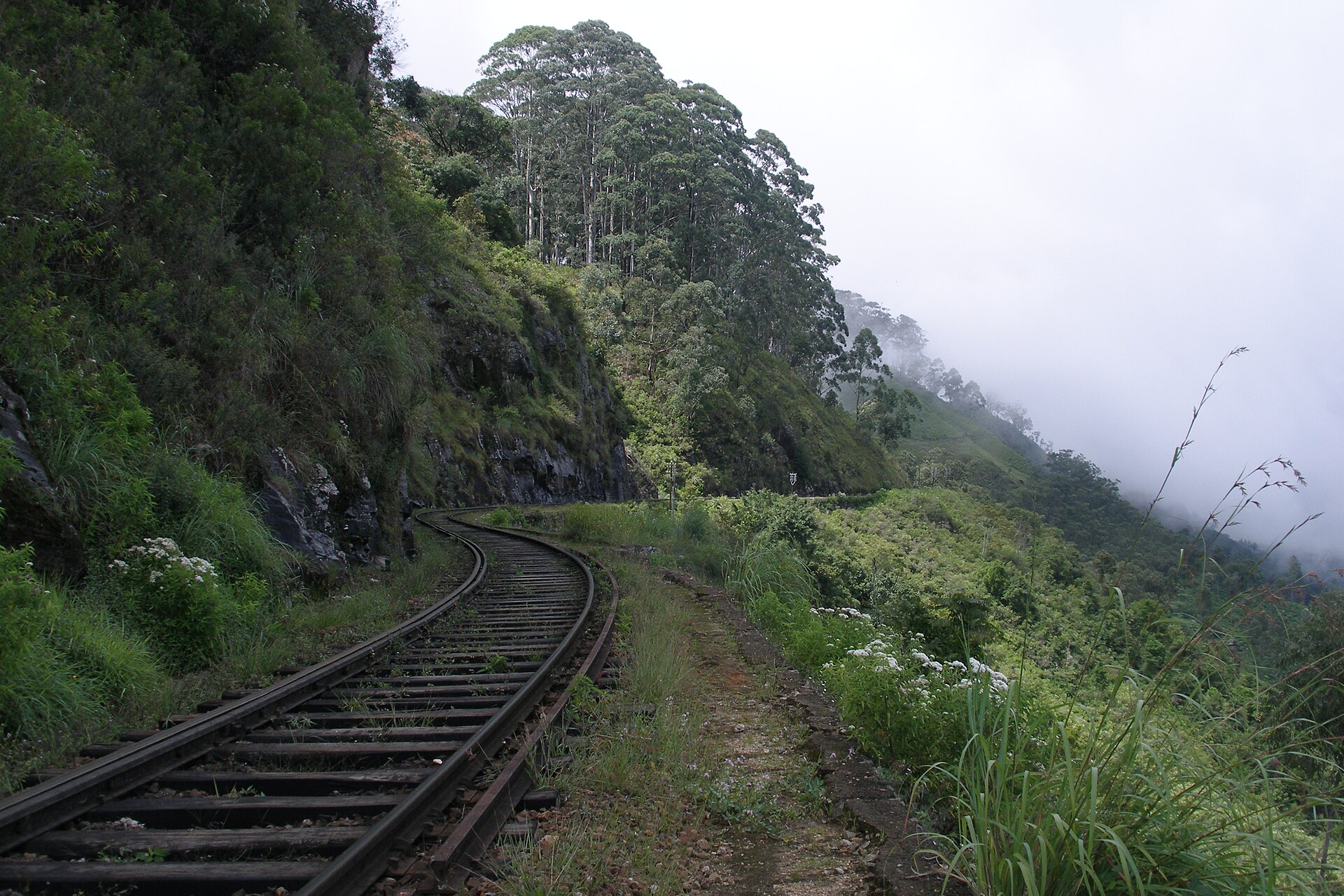
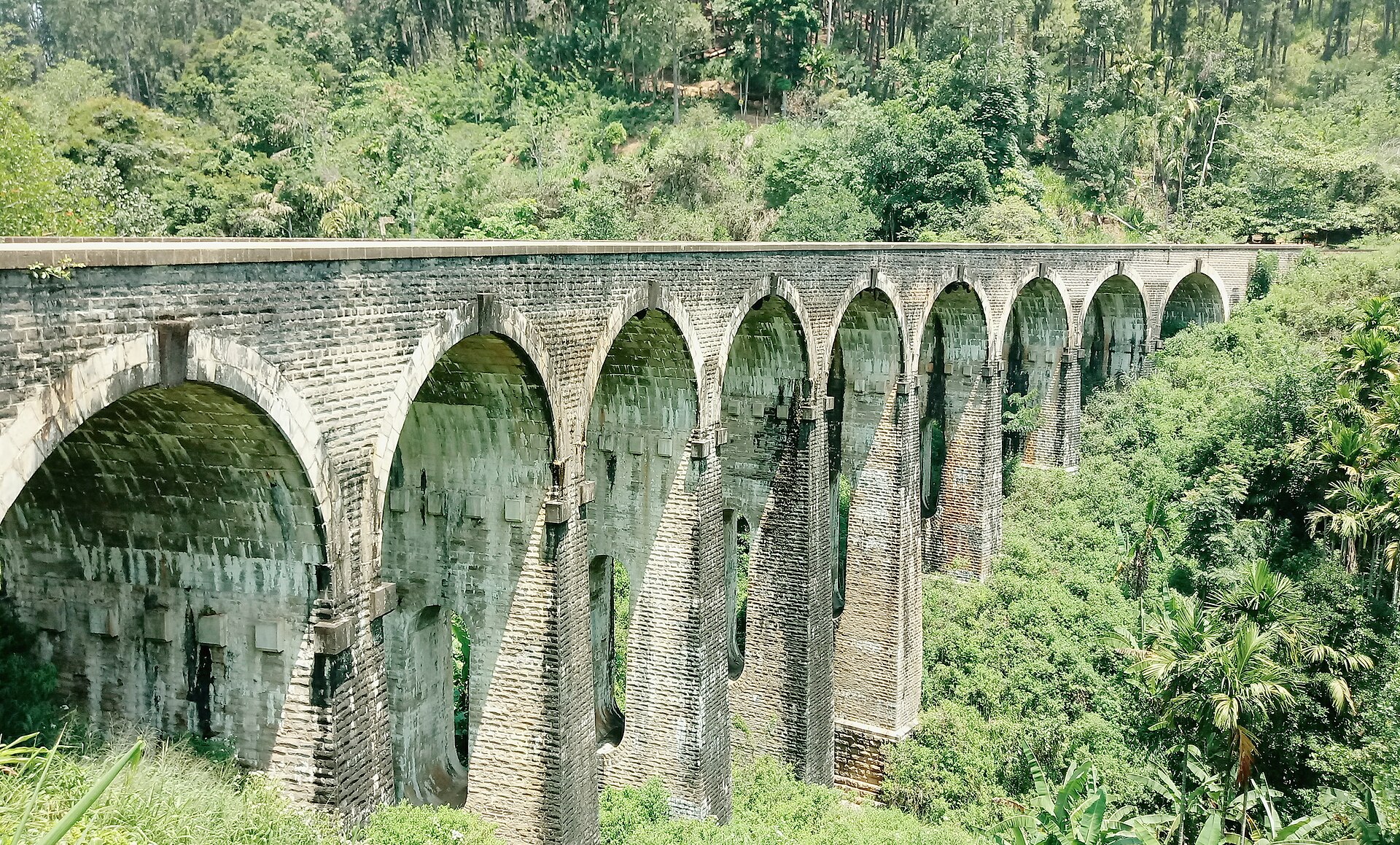
- Kandy to Ella: not available as a through journey. This is the stretch the photographs come from, and it is the one you cannot currently do.
- Ambewela to Badulla: running. Service on this upper section resumed after a 23-day suspension, and Ella sits on it. The famous scenery is still there and trains are still crossing it — you just cannot reach it by rail from Kandy or Colombo.
- Expected reopening: the Deputy Minister of Transport and Highways has said services to Kandy are expected to resume by the end of 2026. Of 97 major damaged sites, 92 have been repaired to a standard that allows trains to run; five still have significant structural damage.
The total repair bill has been estimated at around Rs 341 billion. Timelines on a project that size have already slipped once, so treat “end of 2026” as an intention rather than a date. Check Sri Lanka Railways directly in the week before you travel — this situation is changing, and it may well have changed again by the time you read this.
What this means in practice
If your plan was Colombo → Kandy → Ella by train, you now need road transport for the first two legs and can optionally pick the train back up at the top. The good news is that the road journey is not a punishment — it is just different, and in one respect it is better.
The best workaround, and the one most travellers land on once they understand the geography: take a private car from Kandy to Nanu Oya or Ella, then ride the surviving Ambewela–Badulla section as a day trip. You get the scenery, the Nine Arch Bridge, the open doorways and the tea country, and you skip the part that is closed. It costs more than the old train fare and less than most people expect.
Option one: private car or driver
This is what most visitors are doing, and for a group it is not expensive. Kandy to Ella by road is roughly 140 km and takes four to five hours because the road climbs continuously and switchbacks the whole way. A driver will stop at the tea factories, the Ramboda and Devon falls, and the Nuwara Eliya viewpoints — none of which the train stops for.
The honest trade: you lose the doorway photograph and the sociability of the carriage. You gain the ability to stop, and you gain a vehicle at the other end, which matters in Ella where the sights are spread out.
For airport arrivals and longer transfers around the island, our Colombo car rental guide covers the pricing in more detail.
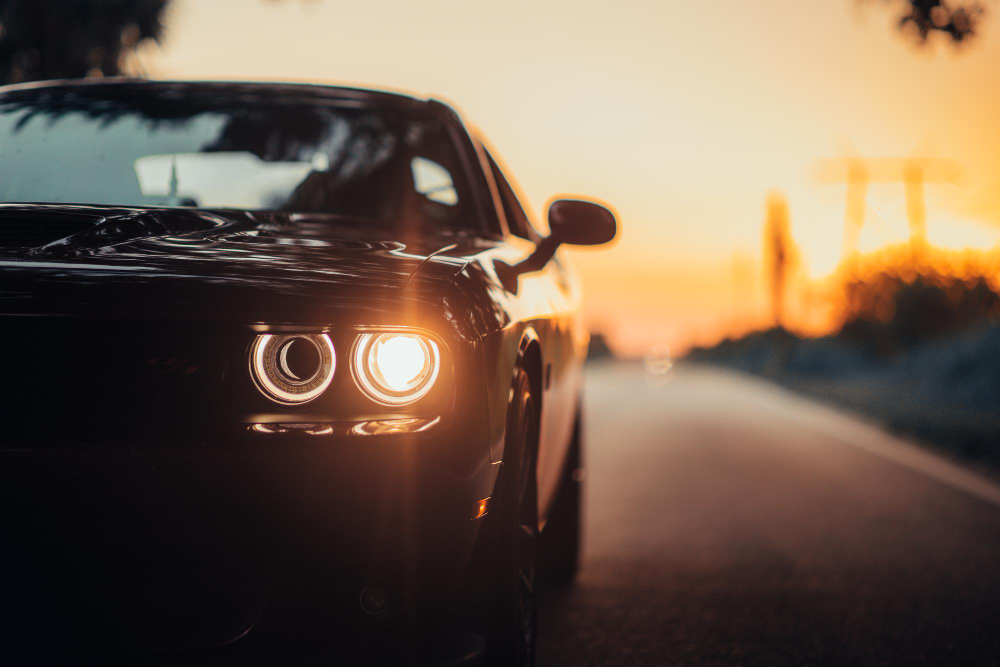
Option two: self-drive
Legal and doable, with caveats. You need a Sri Lankan recognition permit issued against your International Driving Permit — it is obtained locally through the Automobile Association of Ceylon and is not optional. Driving is on the left.
The hill-country roads are narrow, steep and busy with buses that do not concede much. Sri Lankan bus driving is a genuine cultural experience from the pavement and a slightly harrowing one from behind a steering wheel. If you are a confident driver used to mountain roads, it is fine and gives you total freedom. If you are not, hire the driver — labour is inexpensive here and the difference in cost is smaller than you would think.
Option three: bus
The cheapest option by a wide margin. Intercity buses run Kandy–Nuwara Eliya–Ella frequently, cost a few hundred rupees, and take longer than a car because they stop constantly. They are crowded and the luggage situation is improvised. For budget travellers they are entirely workable and always have been.
What the train cost, and what it will cost again
For reference, the standard fares on the hill-country line before the suspension were roughly LKR 300 in third class, LKR 600 in second and LKR 1,200 in first. That is a strikingly small amount of money for one of the great rail journeys in Asia, and it explains why the route is so heavily oversubscribed when it runs.
A few things worth knowing for when it returns: first class is reserved-only and you cannot board without a ticket. The observation car with the panoramic rear windows does not run on every service and its seats are limited. Second and third class reserved tickets exist and are the sweet spot — third class unreserved is where the open doorways and the famous photographs come from, but it is standing-room-only on a good day.
Ella itself is unaffected
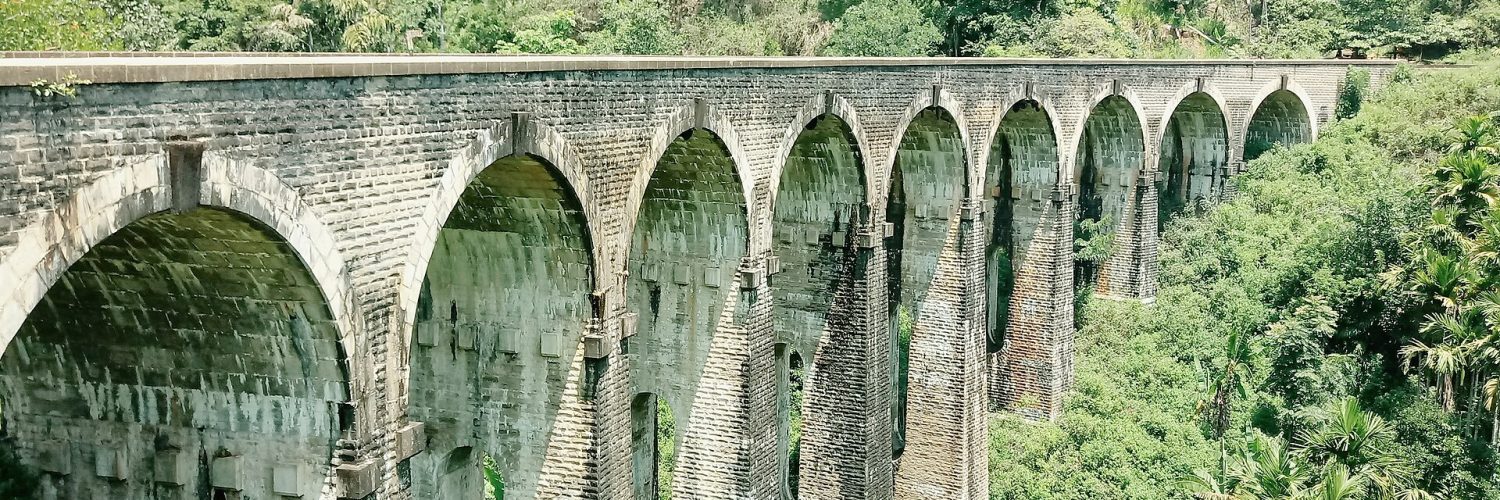
None of this diminishes Ella. The Nine Arch Bridge still stands and trains still cross it — several a day on the Badulla section — so the shot everyone comes for is still available. Little Adam’s Peak is a gentle hour-ish walk with a genuinely large payoff. Ella Rock is harder, less well signed and worth a guide. Ravana Falls is roadside and busy. The tea estates around Demodara and Halpewatte will show you the whole process from leaf to packet.
The town has become firmly backpacker-commercial in the last decade — cafés with the same menus, a lot of construction. It is still beautiful, but arrive expecting a small tourist town rather than a hidden village.
A revised route that works right now
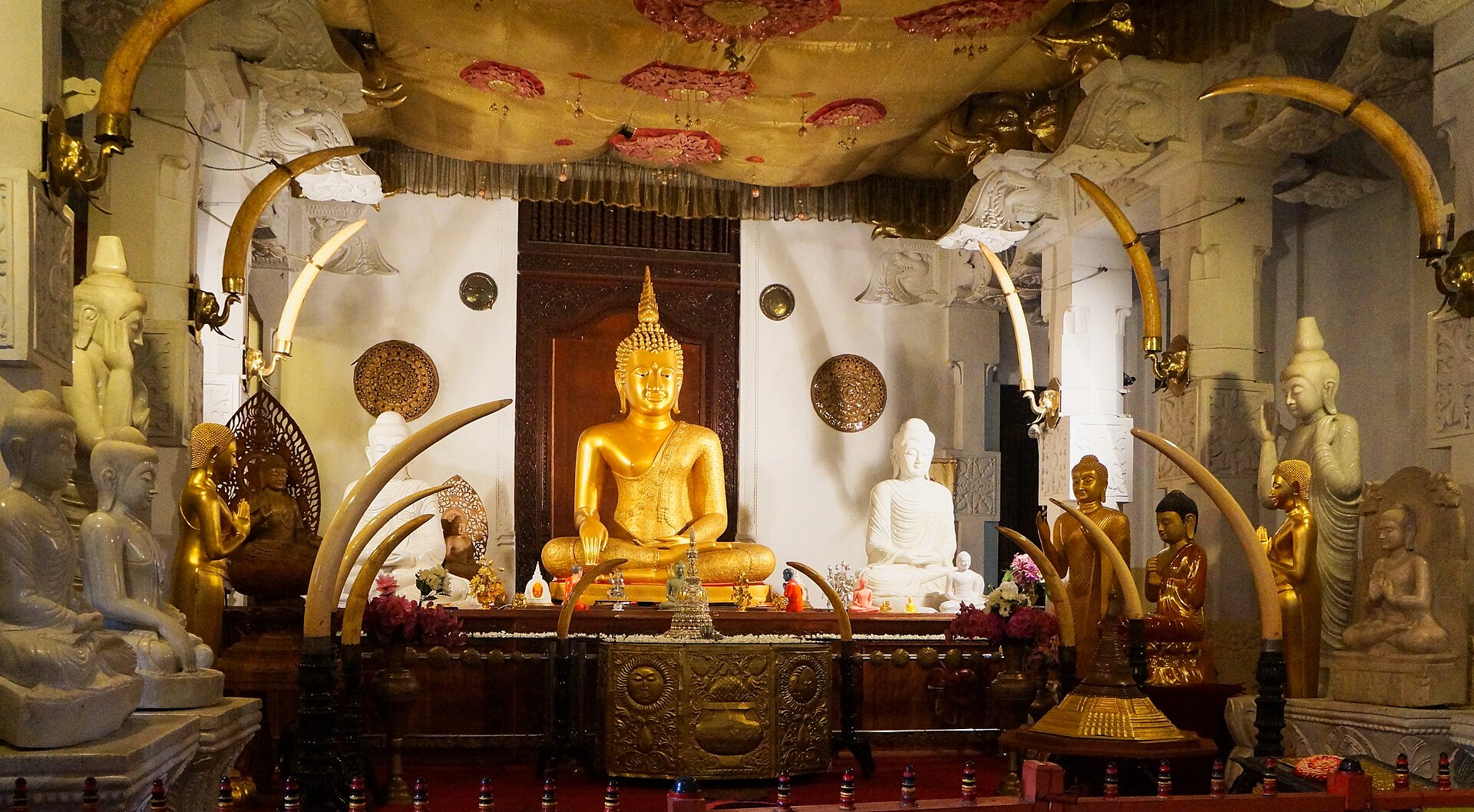
Days 1–2, Kandy. Arrive by road from Colombo or from the airport. Temple of the Sacred Tooth Relic, the lake, the botanical gardens at Peradeniya. Kandy is a good base and does not need the train to be worth visiting.
Day 3, Kandy to Nuwara Eliya by road. Four hours with stops at a tea factory and the waterfalls. Nuwara Eliya is the strange colonial hill station with the mock-Tudor post office and genuinely cold evenings.
Day 4, Nuwara Eliya to Ella. Either continue by road, or take the train from Nanu Oya if that leg is running when you travel — check locally, it is the most changeable part of the network.
Days 5–6, Ella. Nine Arch Bridge at a train time, Little Adam’s Peak at sunrise, a day trip on the Ambewela–Badulla stretch to ride the surviving line.
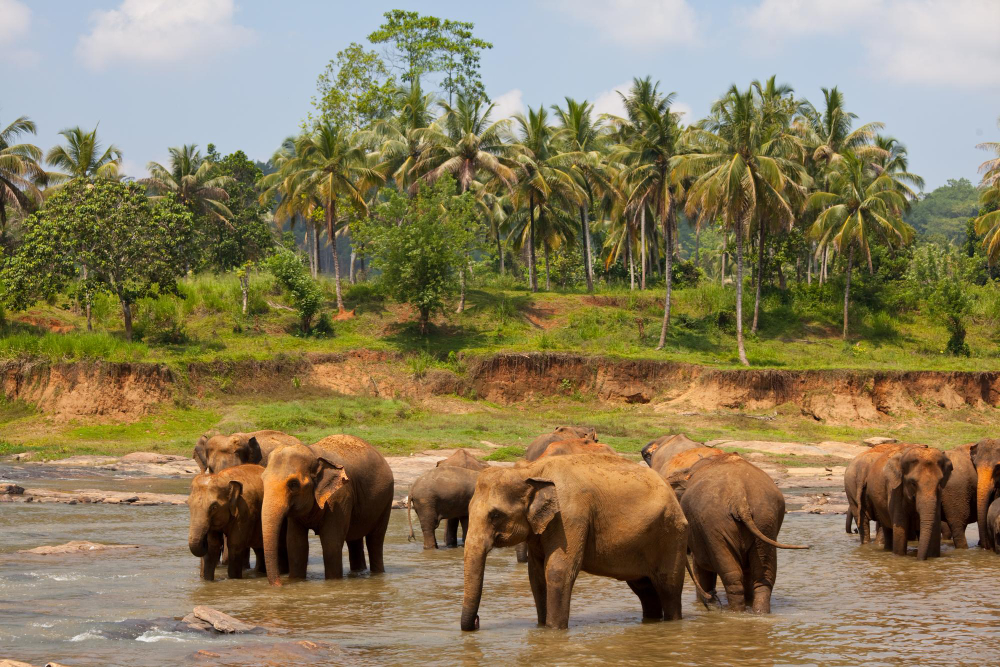
Day 7 onward. South to the coast — Yala or Udawalawe for wildlife, then the beaches around Mirissa and Tangalle. Roads here are good and the southern expressway is fast.
Where to stay
Ella has a lot of small guesthouses with valley views, and the price difference between a very good one and an average one is small. Kandy and Nuwara Eliya both have more range. Because the transport picture is unsettled, book accommodation with flexible cancellation where you can:
When to go
The hill country has its own weather. December to March is the driest and clearest for Ella and the south coast. April to June brings the southwest monsoon to that side of the island. The east coast runs on the opposite schedule, dry from May to September, which is why a Sri Lanka itinerary can be salvaged in almost any month if you are willing to move.
Given the current state of the railway, one more consideration: the repairs are weather-dependent. Progress through the monsoon months is slower, which is part of why the timeline has moved.
Practical notes
- Sri Lanka requires an ETA for most nationalities; apply through the official portal rather than a third-party site.
- Cash is still king outside the cities. ATMs are common in Kandy, Nuwara Eliya and Ella.
- Remove shoes and cover shoulders and knees at temples. Turning your back on a Buddha image for a photograph causes genuine offence.
- Mornings in Nuwara Eliya and Ella are cold — single digits Celsius is normal. Pack a layer.
- For data, see our eSIM guide for Sri Lanka.
Further reading
- Cheap Car Rental in Colombo, Sri Lanka
- Motorbike Rental in Sri Lanka
- Best eSIM for Sri Lanka
- Things to Do in Bangkok