

Phuket is Thailand’s biggest island, its beaches are scattered along 50 kilometres of coastline, and its taxi cartel charges some of the highest per-kilometre rates in Asia. That combination is why half the tourists you see are on scooters. But Phuket is also not Bali or a flat Greek island: it has real hills, real traffic, and police who check licences with real enthusiasm. Here’s what renting two wheels on the island actually looks like in 2026 — costs, paperwork, and the two or three things that put riders in clinics.
What a scooter costs in Phuket in 2026
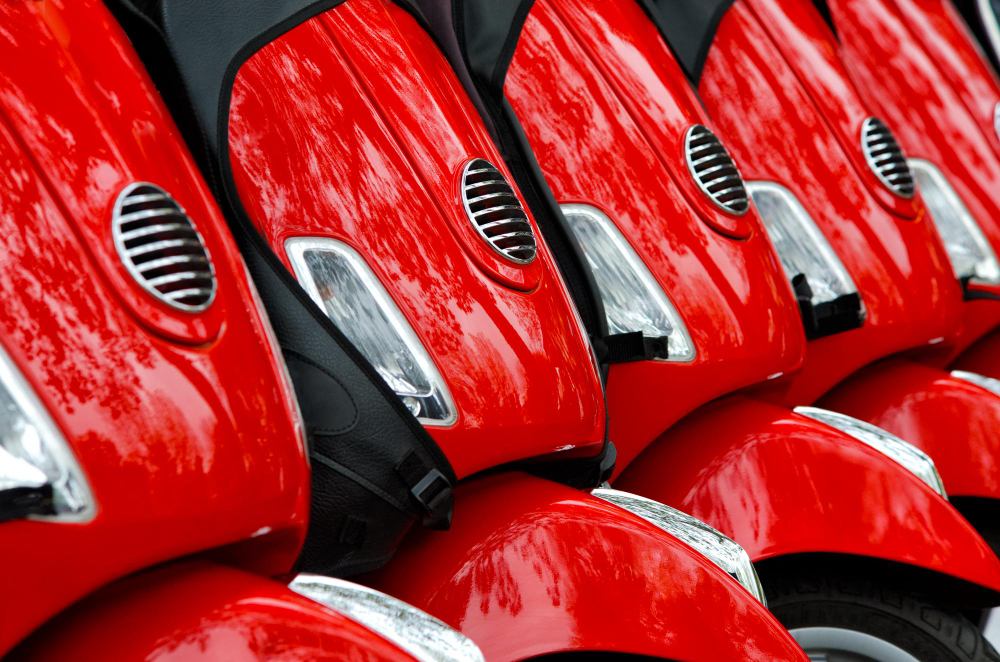
Standard rates for a 125–160cc automatic (Honda Click, PCX, Yamaha NMAX — the island fleet):
- Daily, walk-in: 250–350 baht in Patong and tourist zones; 200–250 in Phuket Town
- Weekly: 1,200–1,800 baht — always ask, the discount is automatic once you do
- Monthly: 2,500–4,000 baht, the long-stay sweet spot
- Bigger bikes (300cc+, for the confident): 800–1,500/day
Petrol is cheap: the tank of a Click costs about 120 baht to fill and lasts days. Skip the roadside glass-bottle petrol (50 baht and questionable) unless you’re running on fumes. Deposits are where shops differ: reputable ones take 2,000–5,000 baht in cash. If a shop insists on keeping your passport, walk out — a photocopy plus cash deposit is the professional standard, and a held passport is the classic lever for inflated “damage” claims at return time.
The licence rule the beach bars won’t mention
To ride legally you need a motorcycle licence from your home country plus an International Driving Permit with the motorcycle (A) category stamped — or a Thai licence. A car licence does not cover a 125cc scooter, and “the shop rented it to me” is not a defence. Checkpoints cluster on the Patong hill road, around Chalong circle and at the entrances to Karon and Kata, and the on-the-spot fine for riding unlicensed or helmetless is 500–1,000 baht. The bigger issue is insurance: ride without the right licence and your travel insurance is void from the moment you sit on the saddle. Every serious injury horror story you’ve read from Thailand starts with that sentence. Wear the helmet even for 200 metres; the fine is the cheapest part of not doing so.
The hill that catches riders out
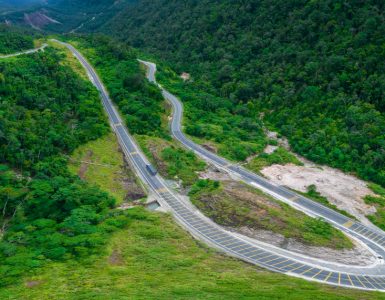
The road from Patong over to Karon — and the stretch past Kata viewpoint — is a genuine mountain pass compressed into a few kilometres: 12% grades, blind hairpins, songthaews braking mid-corner, and afternoon rain that turns the surface to soap. It is the single most common place for tourist scooter accidents on the island. If you’ve never ridden before, Phuket’s hills are not the classroom; practise on the flat roads around Rawai and Nai Harn first, brake before the corner with both brakes, and in the wet season (May–October) treat painted road markings like ice. Two riders, two helmets, luggage between the feet — never hang bags off the handlebars, snatch thefts and balance are both real.
The payoff: beaches the taxi mafia can’t reach
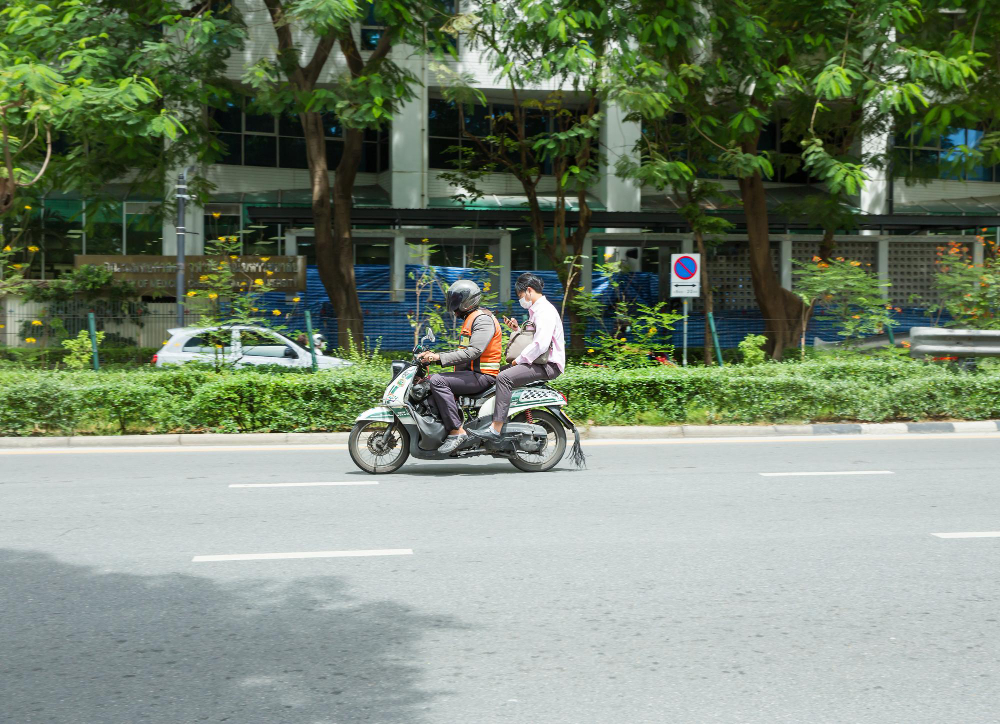
This is why you bother. With your own wheels, the island’s quiet corners open up: Ao Sane’s snorkelling coves past Nai Harn, Banana Beach hiding below the Sirinat coast road, the viewpoint runs up to Big Buddha at sunrise before the minibuses arrive, and the old shophouse cafés of Phuket Town on a random Tuesday. A taxi to any one of these runs 500–800 baht each way; your scooter does the whole list on one 120-baht tank. Download offline maps, note that Google occasionally routes scooters up concrete paths meant for goats, and fuel up before the northern beaches where stations thin out.
When a car honestly beats a scooter
Traveling as a family, staying a fortnight, or planning day trips to Phang Nga Bay and Khao Sok? An economy car runs 800–1,200 baht a day with air conditioning, a boot, and immunity to both rain and road rash. Phuket’s roads are the best in southern Thailand and parking is manageable outside Patong. Compare Phuket car rental prices here — the airport pick-up desks are competitive and it saves the notorious 800-baht airport taxi immediately.
Practical checklist before you ride off
- Video the bike at pick-up — every scratch, both sides, the mirrors, the fuel level. Thirty seconds of phone footage ends every dispute.
- Test both brakes and the horn in the first 50 metres.
- Photograph the shop’s card so you can call them, and note the bike’s plate.
- Stay left, and assume anything larger than you has right of way regardless of the law — riding defensively isn’t pessimism here, it’s technique.
- Get connected before you land: an eSIM for Thailand costs a few dollars, and our full Thailand eSIM guide compares the plans — you’ll want live maps on the road.
Renting elsewhere in the country too? Rules and prices shift by region — see our guides to motorbike rental across Thailand and renting in Bangkok, and if you’re island-hopping onwards, domestic flights within Thailand are absurdly cheap booked a few weeks out. Search flights below to line up your route.
Getting from the airport to your accommodation is the one leg worth arranging before you arrive — compare fixed-price transfers here:
The verdict: on Phuket, a scooter is freedom, savings and the best beaches — for riders with the licence, the helmet and the humility to respect that hill. If any of those three is missing, rent the car. The island is glorious either way.
Wet season riding, insurance, and where to actually rent
May to October changes the rules. Phuket’s southwest monsoon delivers short, violent afternoon downpours rather than all-day rain. The technique: check the radar at breakfast, ride mornings, and when the sky goes grey-green, park under the nearest 7-Eleven awning and wait twenty minutes with a coffee like everyone else. The first ten minutes of rain are the most dangerous — months of oil film lifting off the asphalt — so never ride into the start of a storm thinking you’ll beat it home.
Insurance reality check. The 200-baht walk-in rental includes, in practice, nothing: Thailand’s compulsory motor insurance covers third-party medical only, capped low. Damage to the bike comes out of your deposit at the shop’s imaginative valuation, and your own hospital bills route to your travel insurance — which, again, pays only if you hold the correct motorcycle licence. The better online rental platforms and bigger shops sell proper damage cover for 50–100 baht a day; for a two-week rental, that’s the cheapest peace of mind in Thailand.
Where to rent matters more than brand. Airport counters charge a third more for the same Click you’d get in town. Beach-town strips (Patong’s Rat-U-Thit road, Kata centre) are convenient and competitive; Phuket Town shops are cheapest and the fleet is newer than the tourist-strip stereotype. For monthly rentals, ask two shops for their rate and watch both drop — long-stay riders are the business every shop wants, since the bike comes back slower but the income is guaranteed.
Fuel strategy: the green-labeled gasohol 91 at PT and PTT stations suits every rental scooter; full-service pumps fill it for you and take cards at bigger stations. The bottle racks outside minimarts exist for emergencies at emergency prices — fine once, silly as a habit.
Last thing — the return inspection. Bring the bike back with the same fuel level, washed if it’s muddy (a 40-baht hose-down avoids a 300-baht “cleaning fee”), and stand there while they check it against your pickup video. Ninety-nine shops in a hundred hand back the deposit with a smile and a wai; the video is for the hundredth. Ride safe, and enjoy the island — sunrise at Promthep Cape with the roads to yourself is worth every baht of that scooter.

Add comment