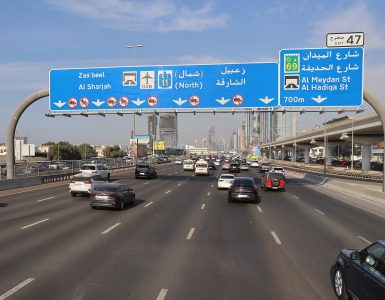
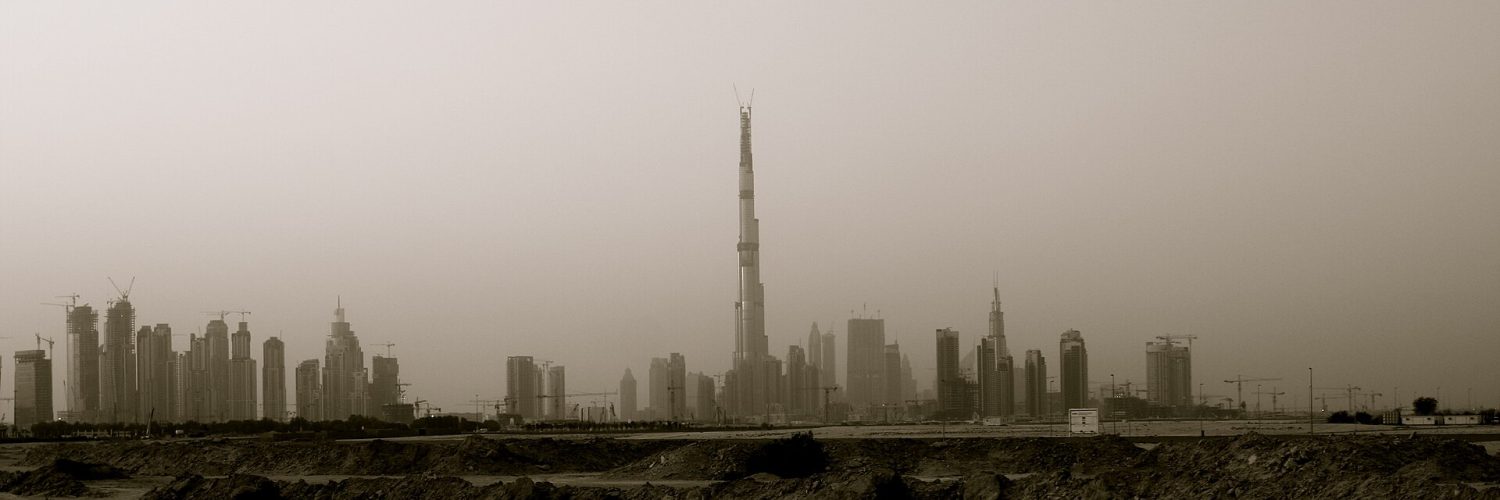
Dubai is not a city with a centre. It is a city with a road. Sheikh Zayed Road runs for roughly 55 kilometres down the spine of the emirate, the Red Line of the metro shadows it almost the whole way, and virtually everything you have come to see is strung out along that line like beads on a wire. Once you understand that, Dubai stops being confusing and starts being easy. Ignore it, and you will spend your holiday in the back of a taxi watching the meter.
This guide is built around that single fact. Where you stay, what you book, and what you skip all follow from it.
Why Dubai looks the way it does
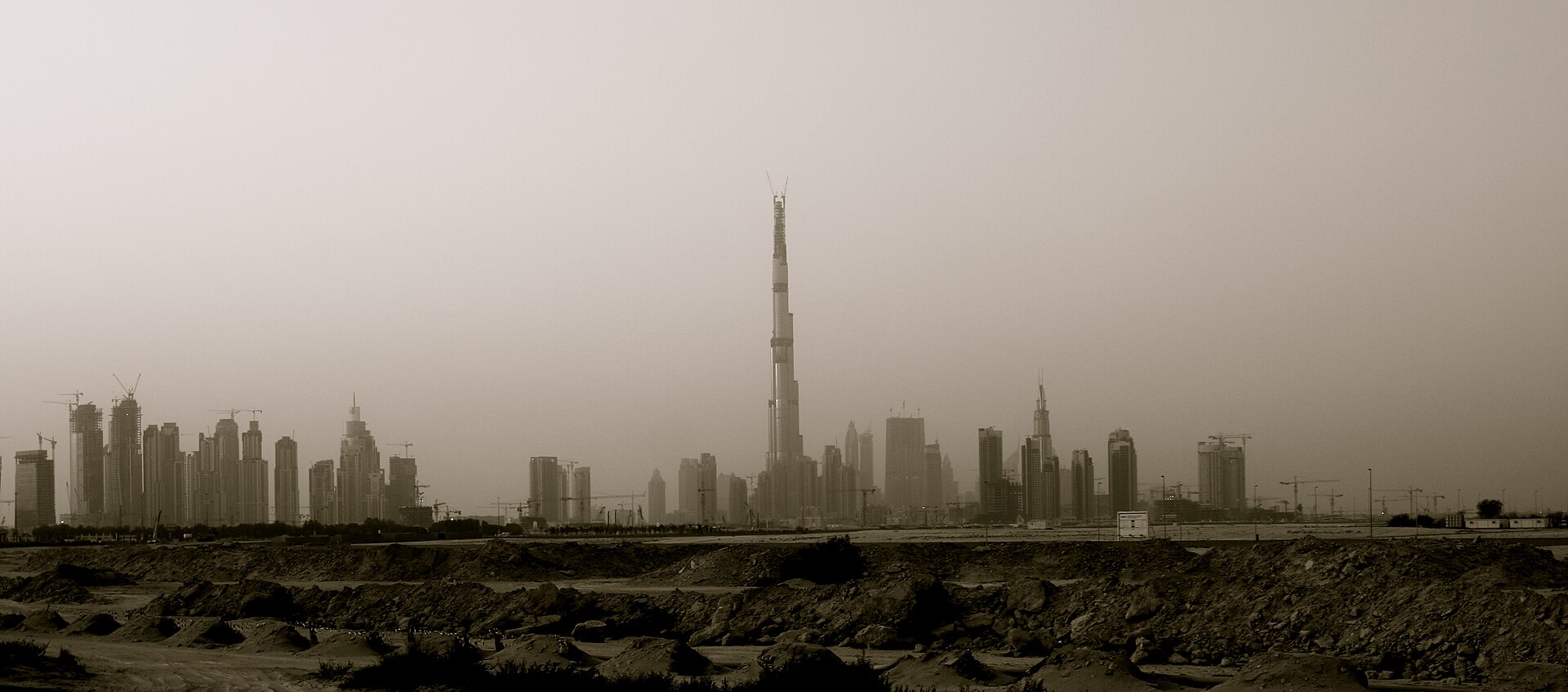
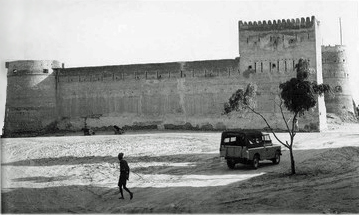
Almost every old city in the world grew outward from a river crossing, a fort, or a market. Dubai did too — the Creek, a saltwater inlet that cuts inland from the Gulf, was the original harbour, and the Al Fahidi fort that guarded it is still standing. But that historic core stopped being the centre of gravity in the 1970s. Oil money and, more importantly, the decision to build a deep-water port and a free-trade zone pushed development south-west along the coast, in a strip a few kilometres wide, hemmed in by the sea on one side and open desert on the other.
The result is a city with no single downtown but a series of purpose-built clusters, each a few kilometres apart: Deira and Bur Dubai around the old Creek, then Downtown with the Burj Khalifa, then Business Bay, then Dubai Marina and JBR near the far end. Between them: motorway. This is why Dubai feels simultaneously enormous and strangely empty at street level — you are almost never walking between two districts, because the districts were never designed to touch.
Getting in from the airport
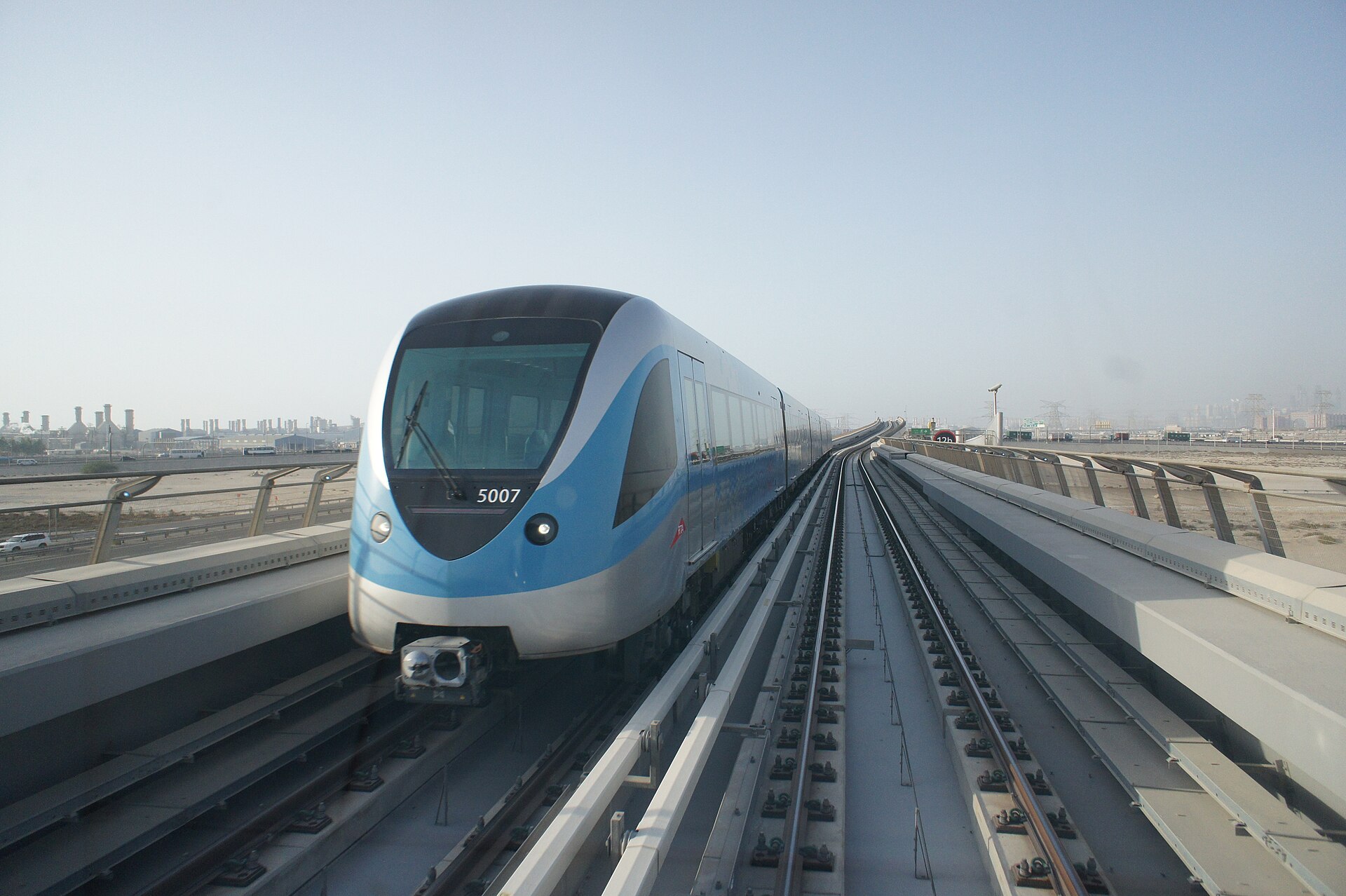
Dubai International (DXB) sits closer to the old city than most people expect — Terminals 1 and 3 both have their own Red Line metro stations, and the train into Downtown takes about 20 minutes.
- Metro — roughly AED 5–7.50 with a Nol card depending on how many zones you cross. There is a daily cap of about AED 14, and no peak-hour surcharge. The catch: the Red Line does not run 24 hours, and if you land late at night it will be shut.
- Taxi — expect around AED 50–70 to Downtown. The meter starts with an AED 25 airport surcharge, then runs at roughly AED 1.96 per kilometre, plus about AED 4 if your route crosses a Salik toll gate. Official RTA taxis queue outside every terminal and are metered and safe; there is no haggling culture at the airport.
- Pre-booked transfer — worth it if you are arriving at 3am with luggage and children, or if you simply do not want to queue after a long-haul flight. Fixed price agreed in advance, driver waiting in arrivals.
If you are continuing on to Abu Dhabi or planning day trips into the desert, compare rates before you land — and see our guide to SUV rental in Dubai if you want something with clearance for the dunes.
The Nol card: buy one immediately
A Silver Nol card costs AED 25 from any ticket machine or office, of which AED 19 is usable travel credit and AED 6 is the non-refundable card fee. It stays valid for five years. Single-zone journeys are AED 3, two zones AED 5, three or more AED 7.50. The same card works on the metro, the trams, the public buses and the water buses.
One quiet trap: the Gold card gives you a less crowded carriage at the front of the train, but it charges exactly double the Silver fare on metro and tram. At rush hour on the Red Line it is arguably worth it. At 11am on a Tuesday it is money for nothing.
What you should book ahead, and what it costs
Dubai’s headline attractions run on timed entry, and the good slots genuinely do sell out — particularly around sunset, and particularly in high season.
Burj Khalifa
The standard At the Top ticket covers levels 124 and 125 and costs around AED 173 for adults and AED 140 for children off-peak. “Prime hours” — roughly 4pm to 7pm, when the sun is going down — jump to about AED 250 for adults. The At the Top SKY upgrade adds level 148 at 555 metres, with a host, refreshments and a cap of about 50 people on the deck, and runs from roughly AED 400 up to AED 554 depending on time.
Honest verdict: the SKY upgrade costs more than double the standard prime ticket, and the view from 555 metres is not meaningfully different from the view at 452 metres — you are above everything either way. Pay for the time slot, not the altitude. A standard ticket at sunset beats a SKY ticket at noon by a wide margin.
Museum of the Future
Entry is AED 169 for anyone aged four and over. It opens daily 10:00 to 19:00 with last admission at 17:00, and tickets are date- and time-specific — everyone needs one, including visitors entitled to free entry. It sits directly next to Emirates Towers metro station on the Red Line, with a link bridge straight from the station into the building, so there is no reason to drive. Children under four and People of Determination with one caregiver enter free, collected at the customer service desk on arrival rather than pre-booked.
Dubai Frame
The cheapest of the big three, from around AED 42 for adults and AED 25.50 for children aged 3–11. It is a 150-metre picture frame you ride to the top of, with old Dubai on one side and new Dubai on the other. For the price it is a fair hour.
What is free and genuinely good
Dubai has a reputation as a city where everything costs money. Much of the best of it does not.
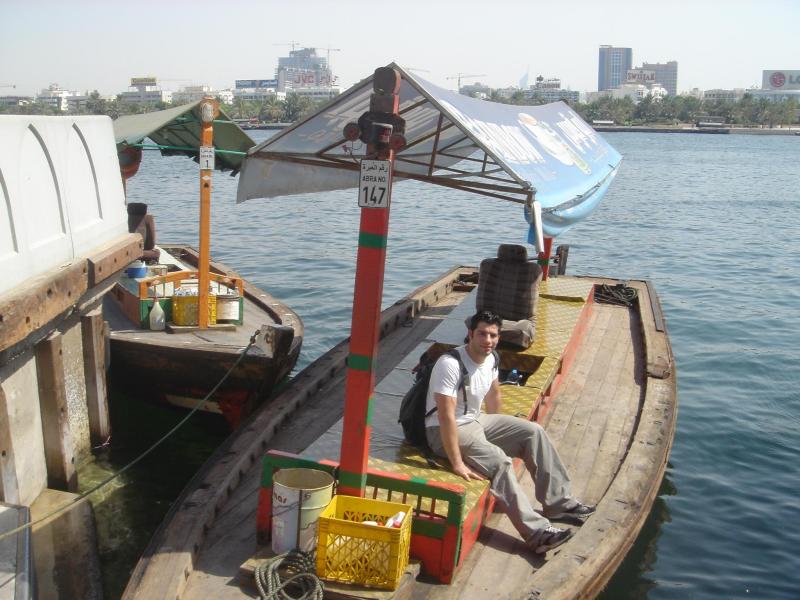
- The abra across the Creek. A wooden boat, no roof, twenty-odd passengers on a bench, crossing between Deira and Bur Dubai. The fare is about AED 1 per person in cash on the traditional boats (roughly AED 2 for the air-conditioned ones). It is the single best value experience in the city and the only place where Dubai feels like a port town.
- The Dubai Fountain. Free from every public viewing area around the lake. Shows run every 30 minutes from about 6pm to 11pm, with extra afternoon shows on Friday and Saturday. Each lasts around five minutes. You do not need a restaurant reservation to see it — the promenade works fine.
- Al Fahidi historical district. Wind-tower houses, narrow lanes, and the only shade at street level you will find in Dubai. Free to walk.
- The public beaches. JBR, Kite Beach and Umm Suqeim are free, clean, and have showers.
Neighbourhoods: what each one is for
Downtown — the Burj Khalifa, Dubai Mall, the Fountain. Central on the metro, expensive, and the obvious first-trip base.
Dubai Marina and JBR — high-rise canyon on the water, beach at the bottom, the best concentration of restaurants that are not inside a mall. About 30–40 minutes from Downtown on the Red Line.
Deira and Bur Dubai — the old city. Gold and spice souks, the Creek, the abras, and much cheaper hotels. Less polished, considerably more interesting.
Business Bay — mostly residential towers, but a short hop to Downtown and often noticeably cheaper for the same standard of room.
Palm Jumeirah — resorts. Beautiful, isolated, and served by its own monorail rather than the metro. A good place to end a trip, a poor place to start one.
A sensible four days
Day 1 — Old Dubai. Metro to Al Ras or Al Fahidi. Gold and spice souks in the morning, abra across the Creek, Al Fahidi district, and the Dubai Museum area in the afternoon. Cheap, shaded, and it puts the rest of the city in context.
Day 2 — Downtown. Museum of the Future in the morning (book the 10am slot), Dubai Mall and the aquarium in the heat of the day, Burj Khalifa at sunset, fountain show afterwards.
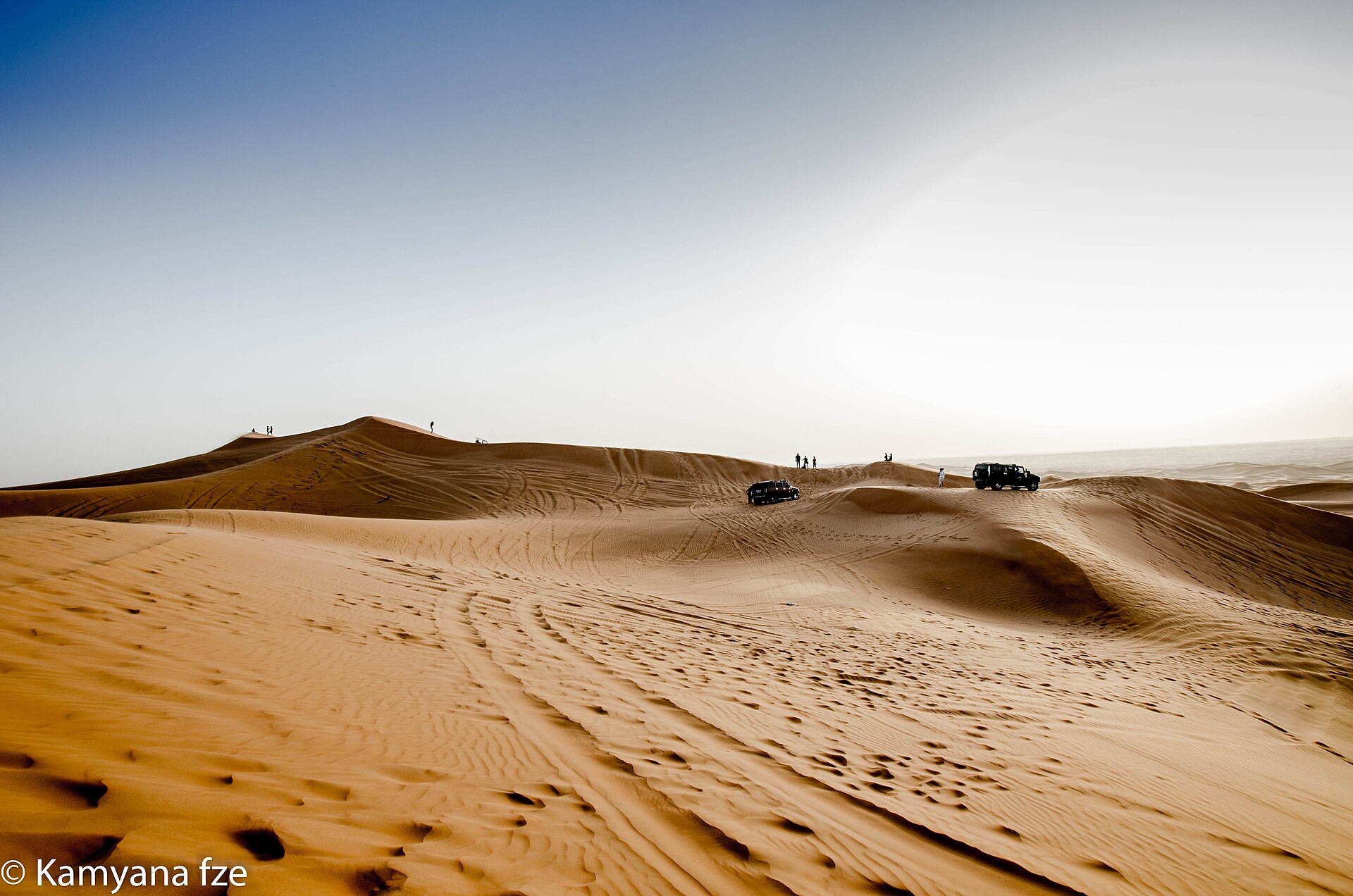
Day 3 — Desert. A morning or evening desert safari. Book afternoon departures rather than midday ones; dune driving in 45°C with a full stomach is how people get sick.
Day 4 — Marina and beach. Late start, JBR beach, the Marina walk in the evening. If you have energy, the Palm and its observation deck.
When to go — and when absolutely not to
This matters more in Dubai than in almost any other destination. From June to September, daytime highs sit in the mid-forties Celsius with high humidity coming off the Gulf. Outdoor attractions become genuinely unusable in the middle of the day, and a “walk along the Marina” turns into a route march between air-conditioned buildings. Hotel rates collapse in summer for exactly this reason.
November to March is the season: warm, dry, comfortable for walking, and the time everything outdoors actually works. It is also when prices peak and when you must book timed attractions well ahead. April/May and October are the compromise — hot but survivable, and noticeably cheaper.
Practical notes people get wrong
- Alcohol. Legal for visitors in licensed venues — hotels, most restaurants, bars. Not legal to drink in public or be drunk in public, and that is enforced.
- Dress. Beachwear on the beach and at the pool; cover shoulders and knees in malls, souks and public transport. Nobody will stop you at the door of a mall, but it is the local norm and it is easy to respect.
- Salik tolls. Dubai’s road tolls are automatic and get added to your taxi fare or your rental car bill. If you hire a car, expect toll charges to appear on your credit card after you return the vehicle.
- Ramadan. The dates move each year. Restaurants and attractions operate, but daytime eating and drinking in public is restricted, and the atmosphere is very different. Check before booking.
- Friday and Saturday. The UAE weekend is Saturday–Sunday, with Friday a half day. Malls and attractions are busiest Friday evening through Sunday.
Further reading
- SUV rental in Dubai — for desert trips and Hatta
- Luxury car rental in Dubai
- Scooter rental in Dubai
- The best eSIM for Dubai
- Things to do in Istanbul — a natural stopover pairing