A taxi from Narita Airport into central Tokyo costs about ¥30,000. A train doing the same journey costs ¥1,260. That is a factor of twenty-four, and it is the largest gap between the best and worst airport transfer option of any major city in the world.
The reason is geography. Narita is not Tokyo’s airport in any meaningful sense — it sits 60 kilometres away in Chiba Prefecture, roughly the distance from central London to Brighton. Haneda, the other airport, is 15 kilometres from Tokyo Station and behaves like a normal city airport. Which one you land at changes the entire calculation, and most guides blur the two together. This one does not.
First: which airport are you at?
Tokyo has two international airports and they are not interchangeable.
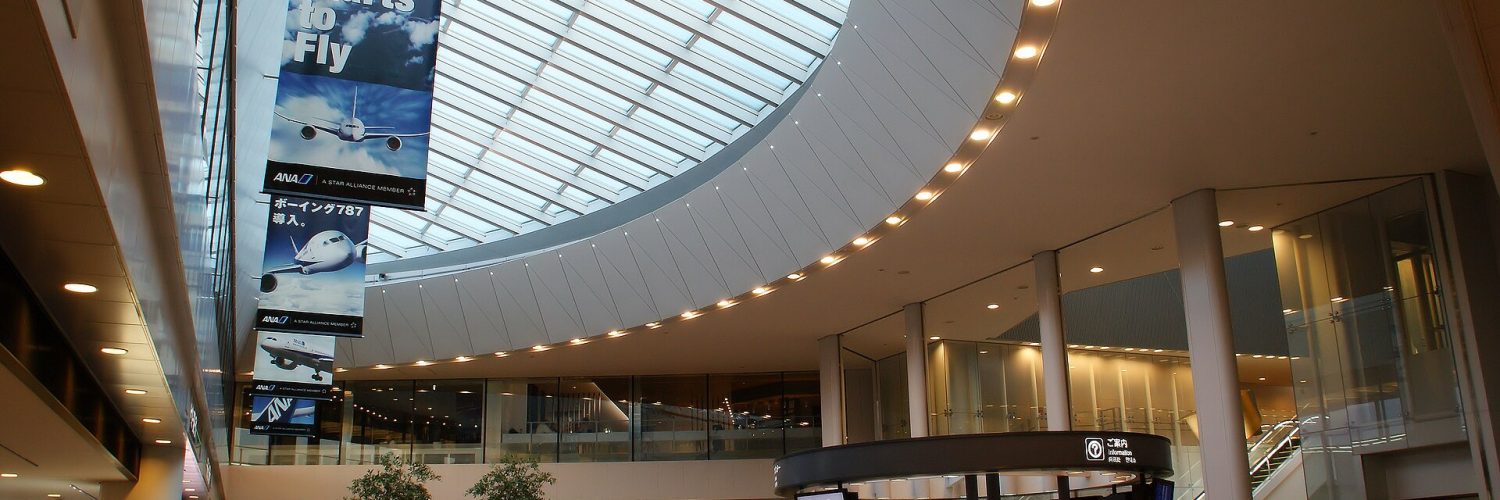
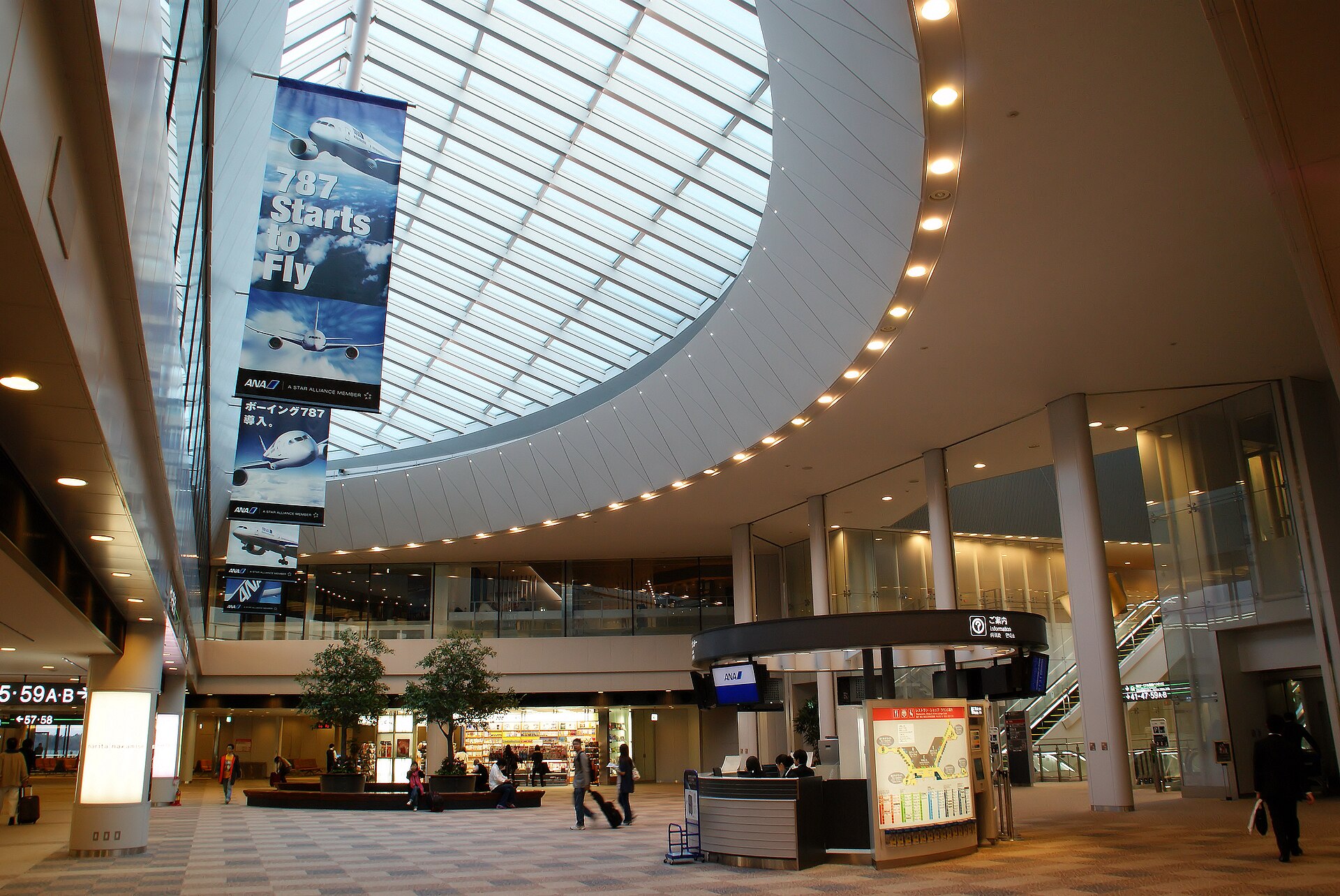
Narita (NRT) handles most long-haul international traffic and the budget carriers. It has three terminals; Terminals 1 and 2 each have a railway station in the basement, and Terminal 3 — the low-cost terminal — has no station of its own and is connected to Terminal 2 by a covered walkway of roughly 500 metres. If you fly into Terminal 3, budget fifteen minutes on foot before you even reach a train.
Haneda (HND) handles the bulk of domestic flights and a growing share of international ones. It is close, well connected, and the transfer is genuinely easy at almost any hour.
If you have a choice when booking, Haneda is worth paying a modest premium for — you will save an hour and roughly ¥2,000 each way.
It is worth checking both airports when you search fares — the difference in transfer cost and time can easily outweigh a small difference in ticket price. And once you have landed, most of Tokyo’s big-ticket attractions run on timed entry, so it is worth seeing what needs booking before you arrive.
Narita to central Tokyo: the six real options
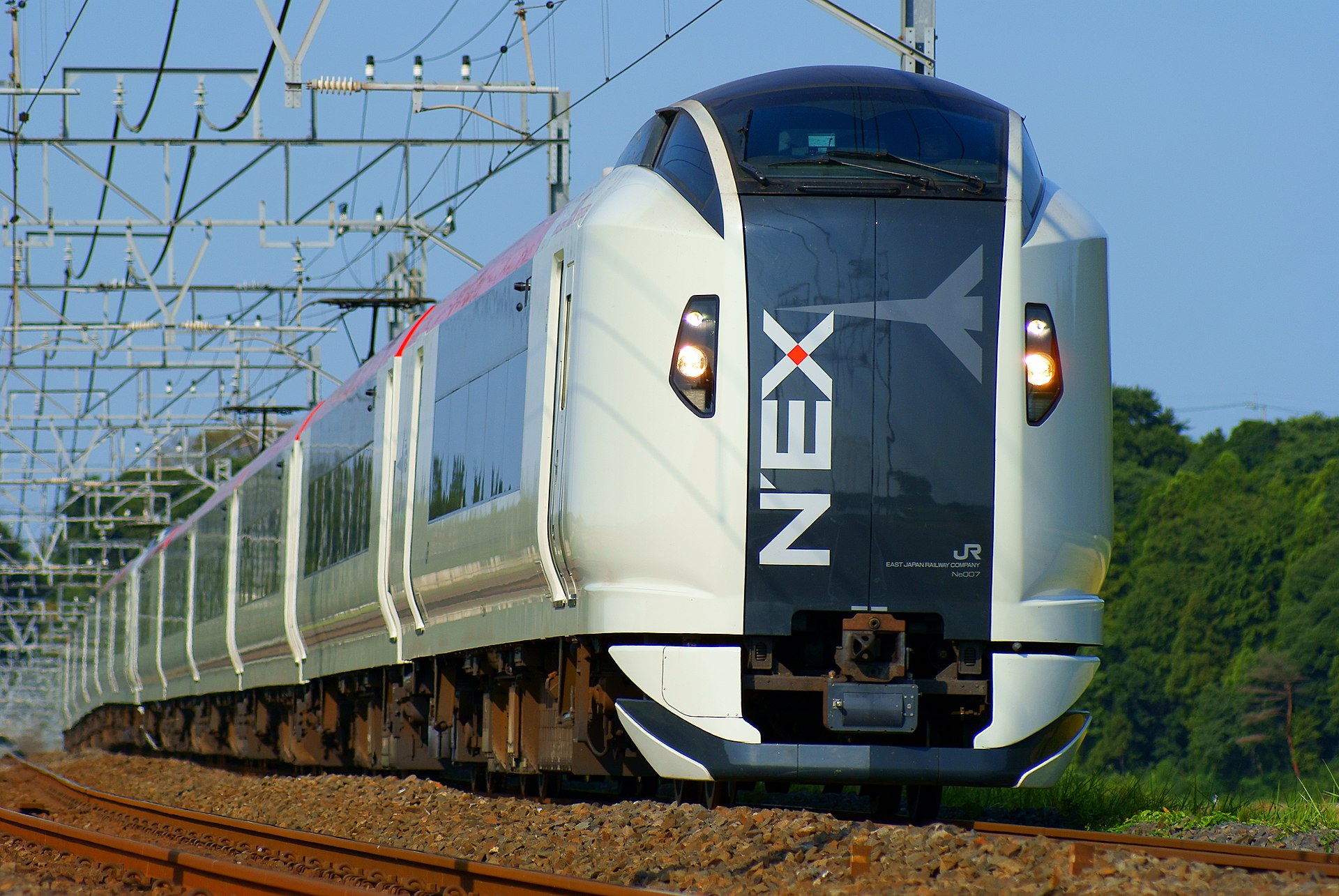
1. JR Narita Express (N’EX) — ¥3,140, about 60 minutes
The most comfortable option. All seats reserved, generous luggage racks, direct to Tokyo Station and onward to Shinagawa, Shibuya, Shinjuku and Yokohama. Departures every 30 to 60 minutes.
The important detail: it is fully covered by the Japan Rail Pass, the JR Tokyo Wide Area Pass and several other JR passes. If you hold one of these, the N’EX is effectively free and there is no reason to consider anything else. If you do not, foreign visitors can buy the N’EX Tokyo Round Trip Ticket for about ¥5,200, valid for a return journey within 14 days — cheaper than two singles.
2. Keisei Skyliner — about ¥2,580, 40 minutes to Nippori/Ueno
The fastest train into the city, but it goes to Ueno and Nippori in the north-east, not Tokyo Station. If your hotel is in Ueno, Asakusa or on the northern half of the Yamanote loop, this wins outright. If you are heading to Tokyo Station, add a 10-minute JR connection and about ¥200.
All seats are reserved. Foreign tourists who buy in advance from outside Japan pay a discounted rate of around ¥2,310.
3. JR Sobu Line Rapid — ¥1,410, about 90 minutes
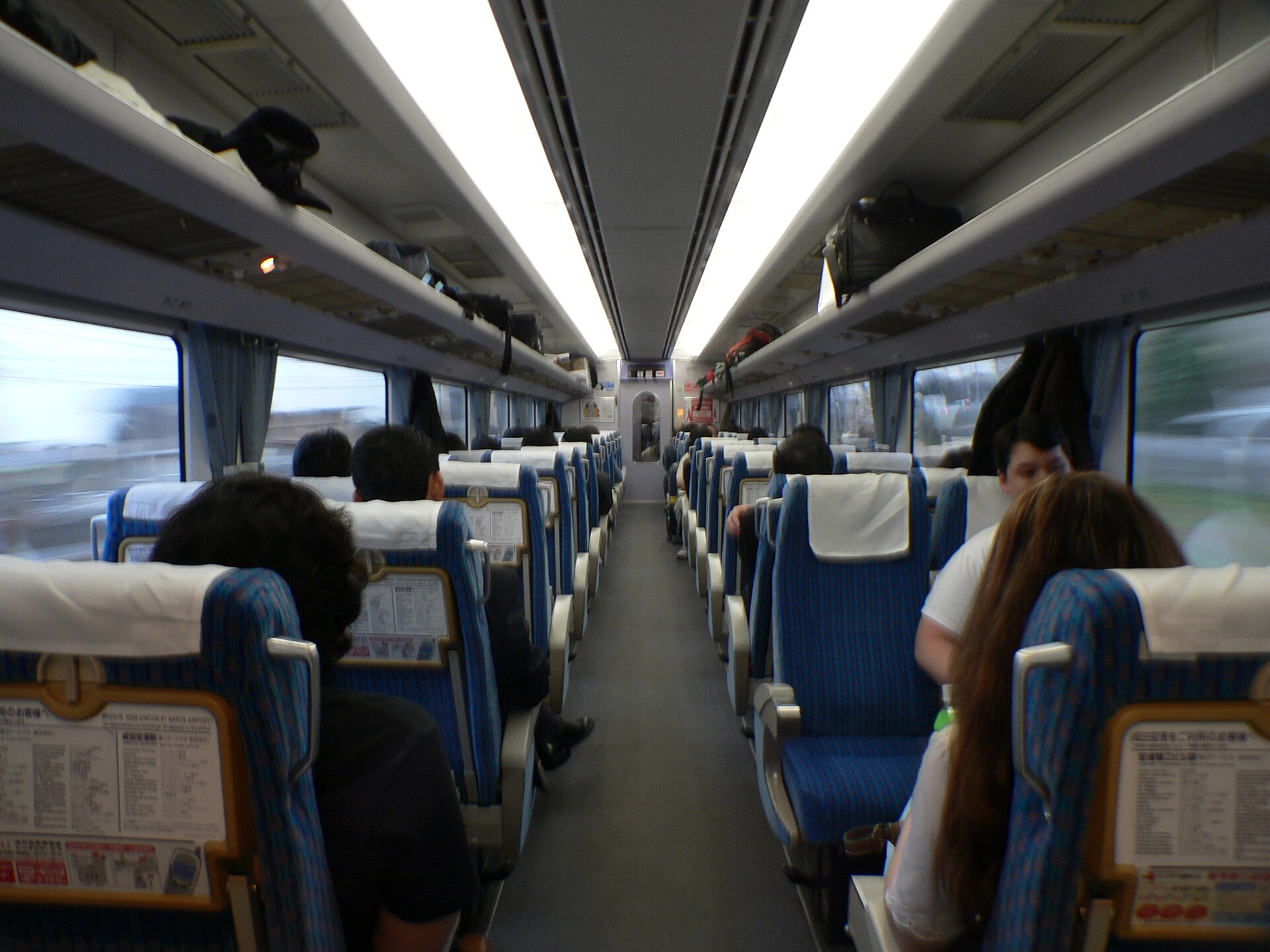
The cheap JR option and a genuinely sensible choice. It is an ordinary commuter train, so no reserved seats and no luggage racks, but it runs direct to Tokyo Station. About one departure per hour. Avoid it at rush hour with large bags.
4. Keisei Main Line — ¥1,260, 90–100 minutes
The cheapest way into Tokyo, full stop. Ordinary commuter trains to Nippori, usually with one transfer along the way, then a JR connection. Multiple departures per hour. The trade-off is time and comfort, not safety or complexity.
5. Airport Bus TYO-NRT — ¥1,500, about 65 minutes
The most underrated option on this list. A low-cost coach running multiple times an hour to Tokyo Station and Ginza, with proper luggage holds, for barely more than the slowest train. Late-night and early-morning departures cost ¥3,000. If you have two large suitcases and no rail pass, this is very often the right answer.
6. Airport Limousine Bus — ¥3,100, about 100 minutes
Slower and more than twice the price of the TYO-NRT bus, but it goes directly to a long list of major hotels rather than to a station. If your hotel is on the route, you avoid dragging luggage through a transfer, and that is worth real money to some travellers.
And the taxi
Roughly ¥30,000 and 60–90 minutes depending on traffic. There is no scenario in which this represents value. Private pre-booked transfers start around ¥15,000 — half the metered taxi fare — with a driver meeting you in arrivals, which is a reasonable choice for a family with luggage arriving late, or for anyone who simply does not want to navigate on arrival.
Haneda to central Tokyo: much simpler
Haneda is 15 km out and every option is cheap.
- Tokyo Monorail — ¥520 to Hamamatsucho in about 15 minutes, then ¥200 on the JR Yamanote or Keihin-Tohoku line to Tokyo Station. Total around ¥720 and 30 minutes. Covered by the Japan Rail Pass and the JR Tokyo Wide Pass. First arrival around 05:12, last departure around 00:08.
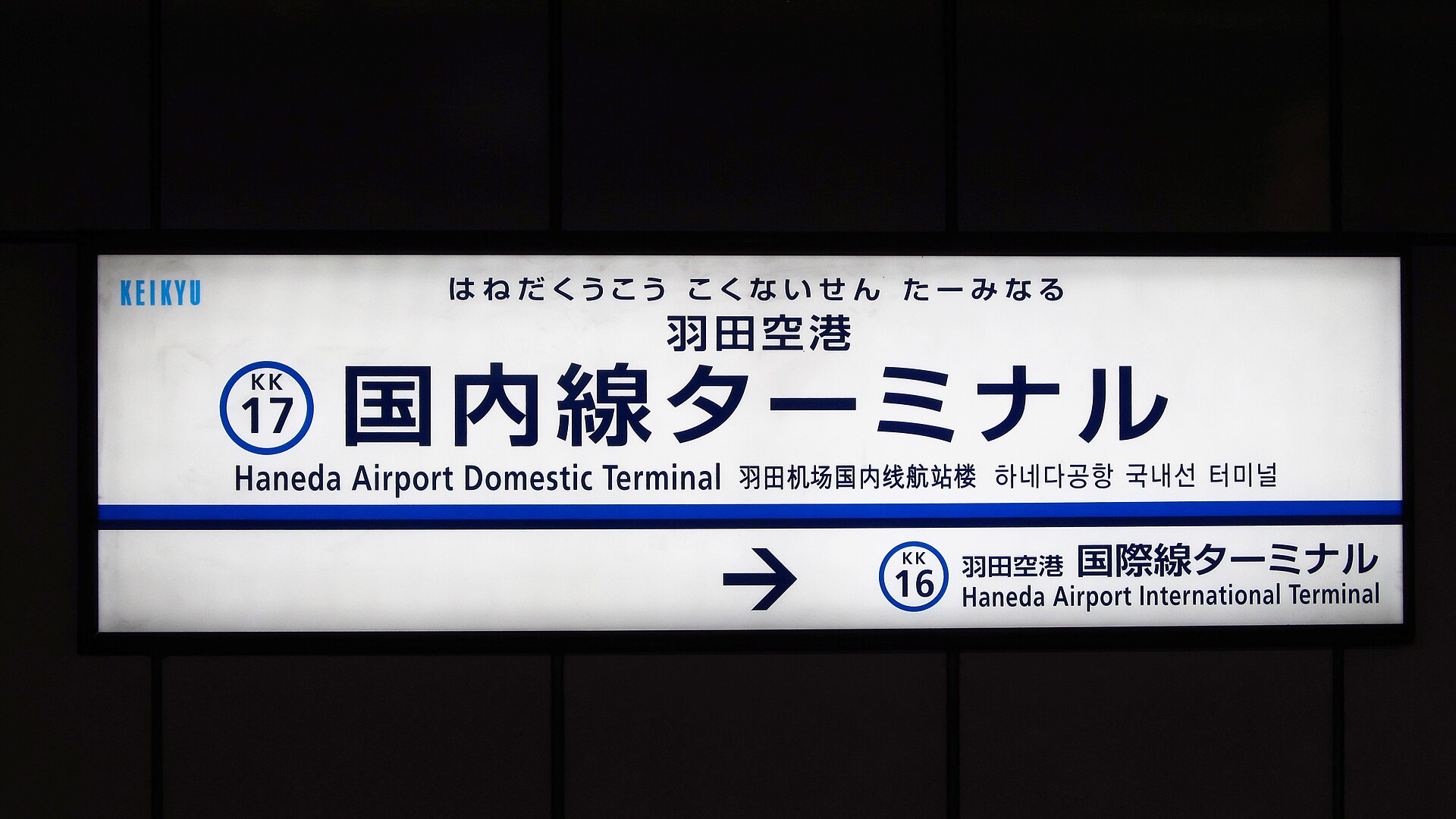
- Keikyu Railway — ¥330 to Shinagawa in about 15 minutes, then ¥210 to Tokyo Station. Total around ¥540 and 35 minutes. Keikyu also runs through onto the Asakusa subway line, which means direct trains to Asakusa and Ginza without changing. First arrival 05:27, last departure 00:08.
- Limousine bus — ¥800–1,900 depending on destination, 30–80 minutes. First arrivals around 05:30, last departures around 01:00, which is later than the trains.
- Taxi — ¥5,000–11,000 depending on destination and time, with a late-night surcharge of typically 20% between 22:00 and 05:00. Many central destinations use a fixed-fare system, so you know the price before you set off. For a group of three or four arriving after the trains stop, this is defensible.
Which should you actually choose?
- You have a Japan Rail Pass — N’EX from Narita, monorail from Haneda. Nothing else to think about.
- Narita, no pass, light luggage, going to Tokyo Station — Sobu Rapid at ¥1,410 or Keisei Main Line at ¥1,260.
- Narita, no pass, heavy luggage — Airport Bus TYO-NRT at ¥1,500.
- Narita, going to Ueno or Asakusa — Keisei Skyliner.
- Narita, want comfort and a reserved seat — N’EX, and buy the round-trip ticket.
- Haneda, any time the trains are running — Keikyu if you want cheapest, monorail if you have a JR pass.
- Landing after midnight at either airport — pre-booked transfer or taxi; the trains have stopped.
Five things that catch people out
- The last train is earlier than you think. Both airports effectively close their rail links shortly after midnight. A delayed flight can leave you with a ¥30,000 problem at Narita. If your scheduled arrival is after 21:00, have a backup plan.
- Terminal 3 at Narita has no station. Budget the walk.
- IC cards work, until they do not. Suica and Pasmo cover the ordinary commuter trains, but the N’EX and the Skyliner require a separate reserved-seat ticket on top.
- Luggage forwarding is a real option. Takkyubin counters at both airports will send your suitcases to your hotel, typically for next-day delivery, for a couple of thousand yen a bag. For anyone changing cities or staying somewhere without a lift, this transforms the journey.
- Narita and Haneda are connected directly. The Keisei/Keikyu Narita–Haneda Express runs airport to airport in about 60 minutes for around ¥1,500. If you have a connection between the two, do not go via Tokyo Station.
Where to stay for an early flight
If you have a dawn departure from Narita, staying in central Tokyo means a 4am start and possibly a taxi. All three Haneda terminals have hotels attached, and Narita City has a cluster of airport hotels with free shuttles ten minutes from the terminals. For a 07:00 flight, that is almost always the better plan.