

Japan is the country where arriving without mobile data hurts most. Almost every practical thing you will do — working out which of the eleven exits at Shinjuku you need, reading a menu with a camera translation, finding out whether the train on platform 3 is the local or the rapid — assumes you have a connection. And Japan is unusually badly served by ordinary international roaming, which is expensive here even by roaming standards.
The good news is that Japan has excellent network coverage and an eSIM will work almost everywhere you go, including on most of the Shinkansen route and deep into the countryside. Here is how to choose one without overpaying.

The short answer
For most visitors on a trip of one to three weeks, a travel eSIM bought before you fly is the cheapest and least stressful option. You install it at home on wifi, it activates when you land, and there is no counter to find and no deposit to reclaim at the end.
- Short trip, light use (under a week, maps and messaging): a small data eSIM, typically 1–3 GB, is plenty.
- Two weeks, normal use: 5–10 GB is the usual sweet spot.
- Heavy use, tethering a laptop, or several people sharing: consider pocket wifi instead — see below.
You can compare current Japan plans and prices here: check Japan eSIM data plans and prices.
If you would rather have one SIM that works across several countries — useful if Japan is one stop on a longer Asia trip — a multi-country option like this international data SIM avoids buying a new plan at every border.
One thing to check before you buy anything
Your phone must be carrier-unlocked and must support eSIM. Those are two separate requirements and people trip over both.
Broadly, iPhone XS and later, most recent Google Pixels, and Samsung flagships from the S20 generation onward support eSIM — but there are regional exceptions that matter here. Notably, phones bought in mainland China frequently lack eSIM hardware, and some Japanese-market and US carrier-locked handsets behave differently. Check in your settings before you travel, not at the airport: if you can find an option to add a mobile or cellular plan via QR code, you are fine.
If your phone does not support eSIM, you need a physical SIM or pocket wifi, both of which are readily available on arrival.
The four options, honestly compared
Travel eSIM (data only). Cheapest for most people, instant, no physical object to lose. The catch: almost all of them are data-only, so you get no Japanese phone number. That matters less than you would think — restaurant and accommodation bookings can be done online, and calls can go over the internet — but it does matter for a handful of things, notably some restaurant reservation systems and calling a taxi company directly.
Physical tourist SIM. Sold at counters in Narita, Haneda and Kansai arrivals halls and in electronics shops like Bic Camera and Yodobashi. Similar prices, sometimes with a voice option. Worth it mainly if your phone cannot take an eSIM.
Pocket wifi. A small rented hotspot, usually collected at the airport or posted to your first hotel. Better value than eSIM once you are a family or group of three or more, because everyone shares one device and one allowance. Downsides: a second thing to charge, a device to return, and if the person carrying it walks off, everyone else is offline.
Roaming from your home carrier. Almost always the most expensive way to do this in Japan. Occasionally worth it if your plan includes Japan at no extra cost — check, but do not assume.
Which network you are actually on
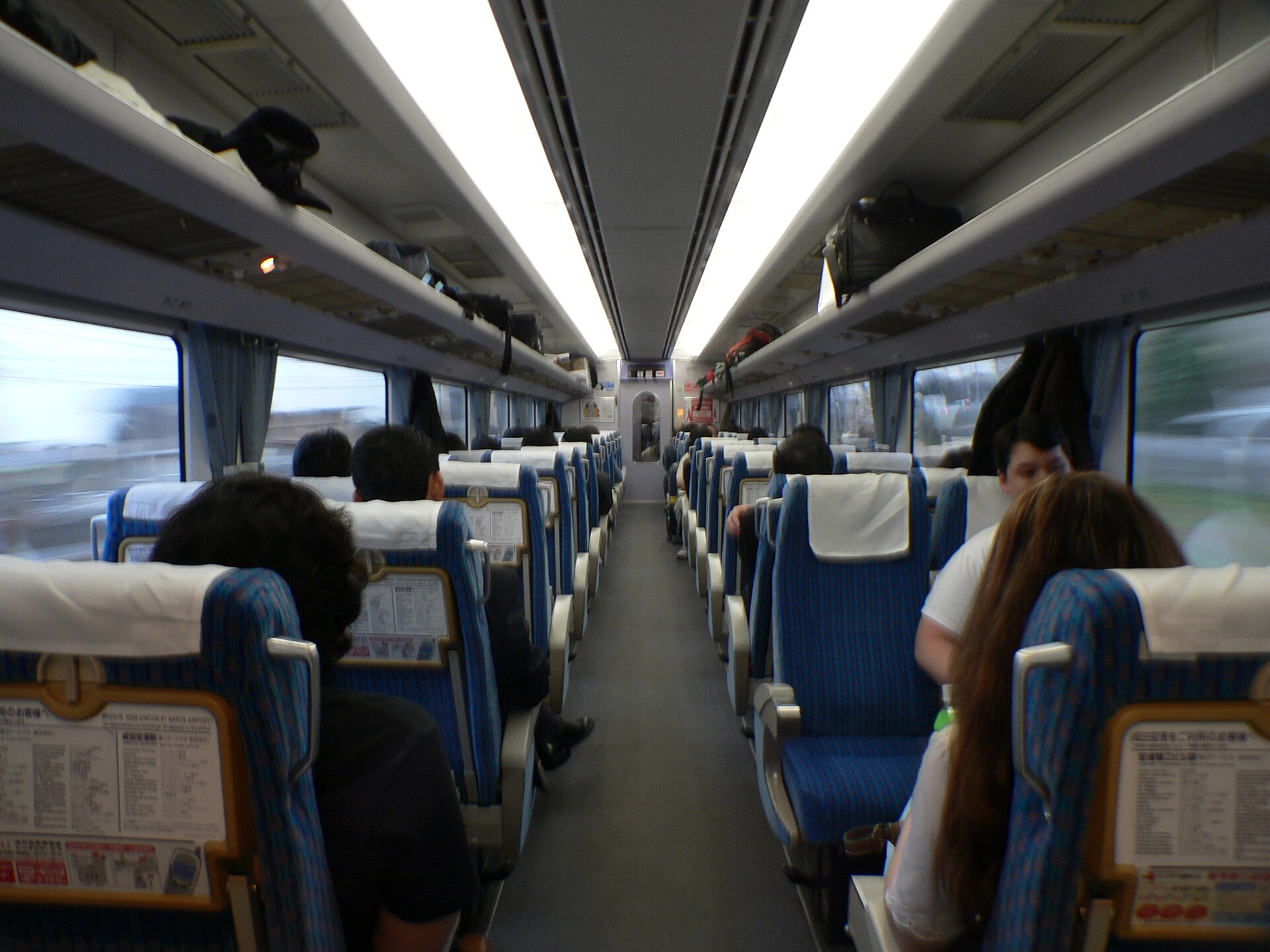
Japan has three major networks — NTT Docomo, KDDI (au) and SoftBank — plus Rakuten Mobile, which is newer and has thinner rural coverage. Most travel eSIMs are foreign providers with roaming agreements onto Docomo or SoftBank rather than native Japanese plans.
For ordinary tourist routes — Tokyo, Kyoto, Osaka, Hiroshima, Hakone, Nikko — any of them is fine. If you are going somewhere genuinely remote, rural Hokkaido or the mountains of Nagano, a Docomo-based plan has historically had the widest reach. Most providers state which network they use; it is worth thirty seconds to check.
How much data do you actually need?
Visitors consistently overestimate. Google Maps navigation uses far less than people assume, and Japan has genuinely widespread free wifi in stations, convenience stores, cafés and most accommodation.
- Maps, messaging, occasional searching: roughly 500 MB – 1 GB per week.
- Adding social media and photo uploads: roughly 2–3 GB per week.
- Streaming or tethering: budget 1 GB per day and consider pocket wifi instead.
Buying a smaller plan and topping up if needed is almost always cheaper than buying the largest plan up front. Most providers let you top up in the app.
Install before you fly
This is the one procedural mistake worth avoiding. Installing an eSIM usually requires an internet connection, and the QR code arrives by email. If you wait until you land, you need airport wifi to install the thing that is supposed to give you internet — which works, but is a needless hassle after a long flight.
Install it at home, leave it switched off, and turn it on when you land. Also switch off data roaming on your home SIM at the same time, or you may find your normal carrier quietly billing you for the first hour in Japan.
Landing at Narita or Haneda
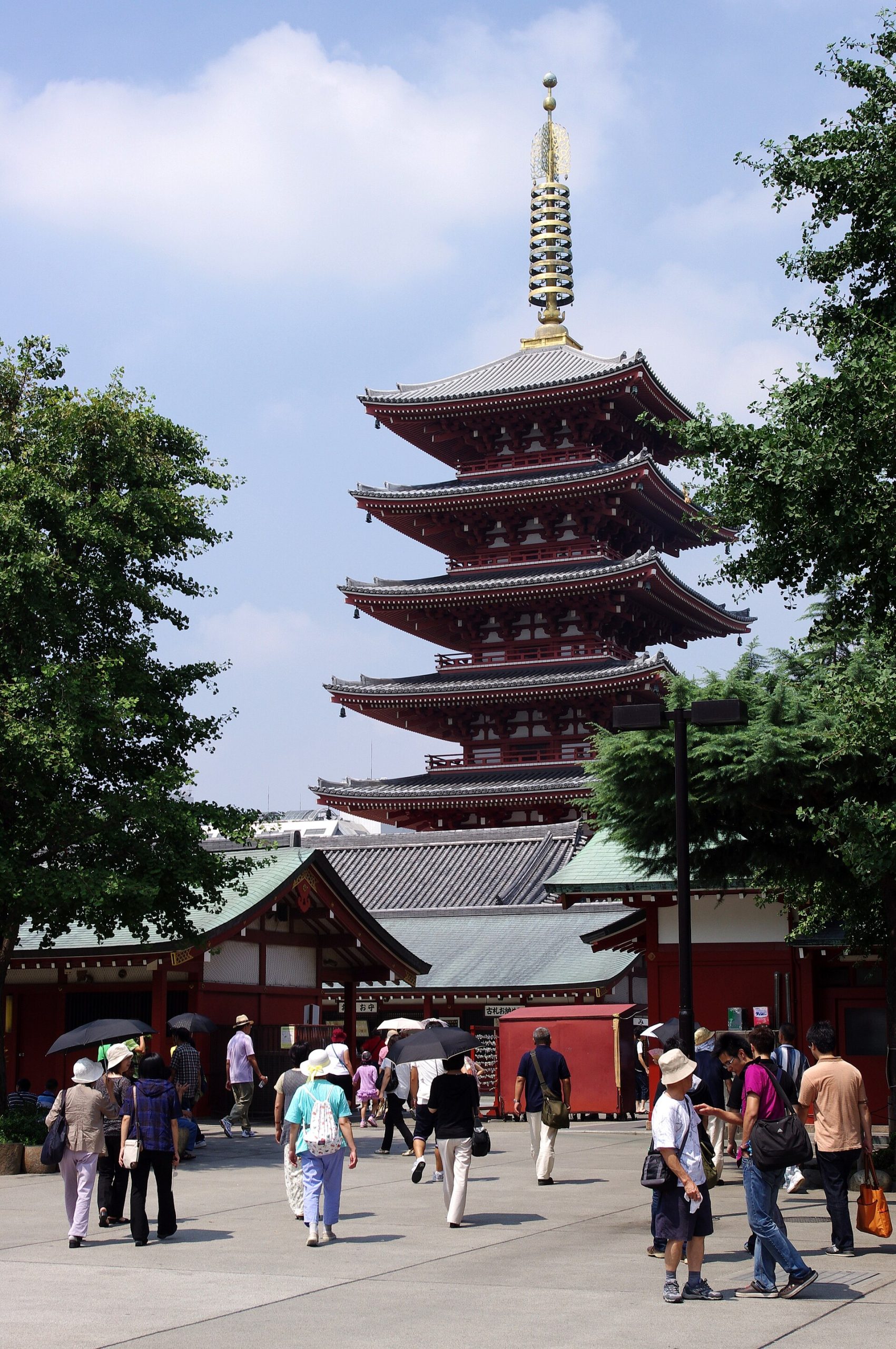
Both airports have arrivals wifi, SIM counters and pocket wifi pickup points. Narita is the further of the two — roughly an hour into central Tokyo on the Skyliner or the Narita Express — while Haneda is much closer.
If you are arriving late, with luggage, or heading somewhere other than a major station, a pre-booked transfer removes the one genuinely awkward part of a Japan arrival:
Our Tokyo guide covers the airport rail options in more detail.
What you will use the data for
Mostly maps and translation — but also for booking the things that sell out. Timed-entry tickets for the more popular Tokyo attractions are worth securing in advance rather than hoping on the day:

Where to stay
Almost all Japanese accommodation includes fast, free wifi, which reduces how much mobile data you need in the evenings:
Practical notes
- Keep your home SIM in the phone for calls and two-factor SMS; just turn its data roaming off.
- Japan uses 100V power and Type A/B plugs — the same shape as North America but lower voltage.
- IC cards (Suica, Pasmo, ICOCA) are for transport and convenience stores and have nothing to do with your data plan, but you will want one.
- Some eSIM providers throttle rather than cut off when you hit your allowance, which is worth knowing before you pick.
- Coverage in the Tokyo metro tunnels is good; on rural bus routes it is patchier.
Further reading
- Things to Do in Tokyo
- Car Hire in Tokyo
- Best eSIM for the USA
- Things to Do in Bangkok
Read next: Macau eSIM (2026): The Network Map Changed Twice and Most Guides Missed It







Add comment