A $19-a-day economy quote for a rental car in Costa Rica is real. So is the $51 you will actually pay once you reach the counter, and neither number is a scam. The gap is a single line item almost no booking site shows you: mandatory third-party liability insurance, which Costa Rican law requires on every rental car and which most online quotes simply leave out. Stack a damage waiver on top of that — also effectively mandatory, because the legal minimum liability coverage leaves you exposed for the vehicle itself — and the “cheap” rate roughly doubles or triples before you have driven a single kilometre.
None of this is hidden in fine print. It is just never in the number you see first. Here is what the real math looks like in 2026, what voids your coverage completely regardless of what you paid for it, and which roads actually require a 4×4 rather than just make a good excuse to rent one.
The Insurance Layer Nobody Quotes
Costa Rica requires every rental car to carry third-party liability insurance, known locally as “daños a terceros” or TPL. It is not optional, and in practice it is rarely baked into the headline price you see on an aggregator site. Budget somewhere between $10 and $25 a day for it, depending on the company and the vehicle class; this is on top of the base rental rate, not instead of it.
TPL only covers damage you cause to other people’s vehicles or property. It does nothing for the rental car itself, which is what a collision damage waiver (CDW) is for. A basic CDW typically adds another $10–15 a day and brings your liability down to roughly $500–1,000 if something goes wrong. A full CDW runs closer to $30–40 a day on top of that, and drops your exposure under $500. Add it up and a quoted low-season rate of $10–20 a day for the car alone routinely becomes $35–60 a day once you are actually covered — and in high season (December through April), when base rates themselves climb to $50–100 a day before insurance, full coverage can push the daily total past $100.
The deposit follows the same logic in reverse. Decline every add-on and most companies will hold $2,000–3,000 on your credit card; add basic CDW and that drops to under $1,000; full coverage usually gets you under $500. Debit cards are not accepted for this hold anywhere reputable. And before you assume your credit card’s travel perks cover you: most card issuers’ standard rental coverage does not meet Costa Rica’s legal minimums, which is exactly why the mandatory TPL exists as a separate, non-waivable charge in the first place.
What No Policy Will Ever Cover, at Any Price
There is a category of damage that no amount of insurance buys you out of. Rental companies are explicit that if the vehicle enters water — a river, a stream, a flooded section of road, the ocean — no coverage applies, regardless of which waiver you bought and regardless of whether the car is a 4×4. River crossings are meant to happen on an official bridge only. Driving off a recognized road, even briefly and even in a 4×4, is treated the same way: several companies describe coverage as void the moment you leave a marked road, and beach driving is against Costa Rican law outright. None of this is a contract clause you are likely to be shown before you sign; it is simply how the companies describe their own terms, so ask directly if you are planning anything beyond paved or well-maintained gravel roads.
Do You Actually Need a 4×4?
It depends entirely on where you are going, and the honest answer is that most of a standard Costa Rica itinerary does not require one.
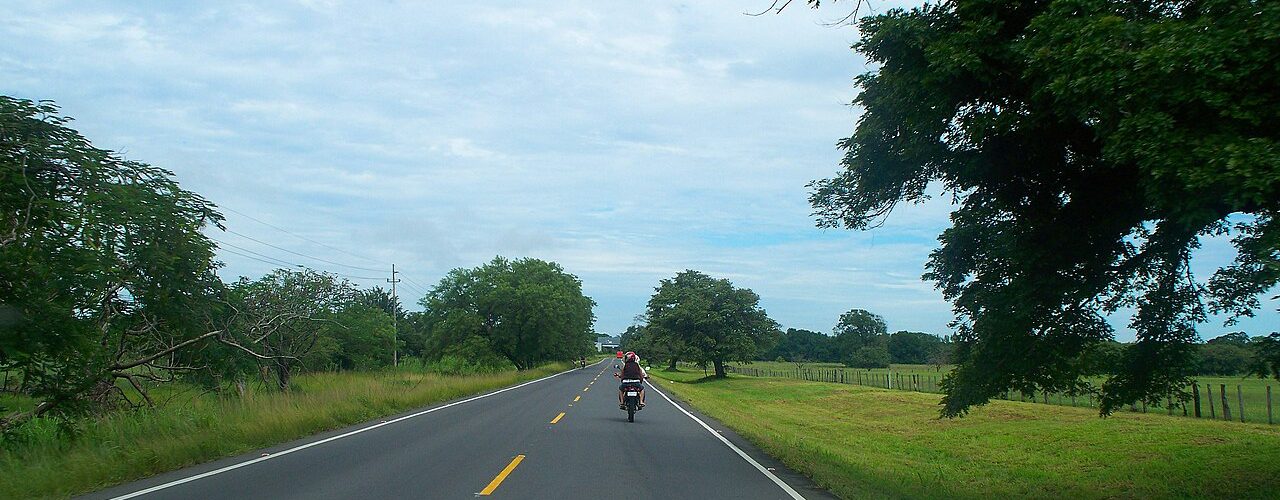
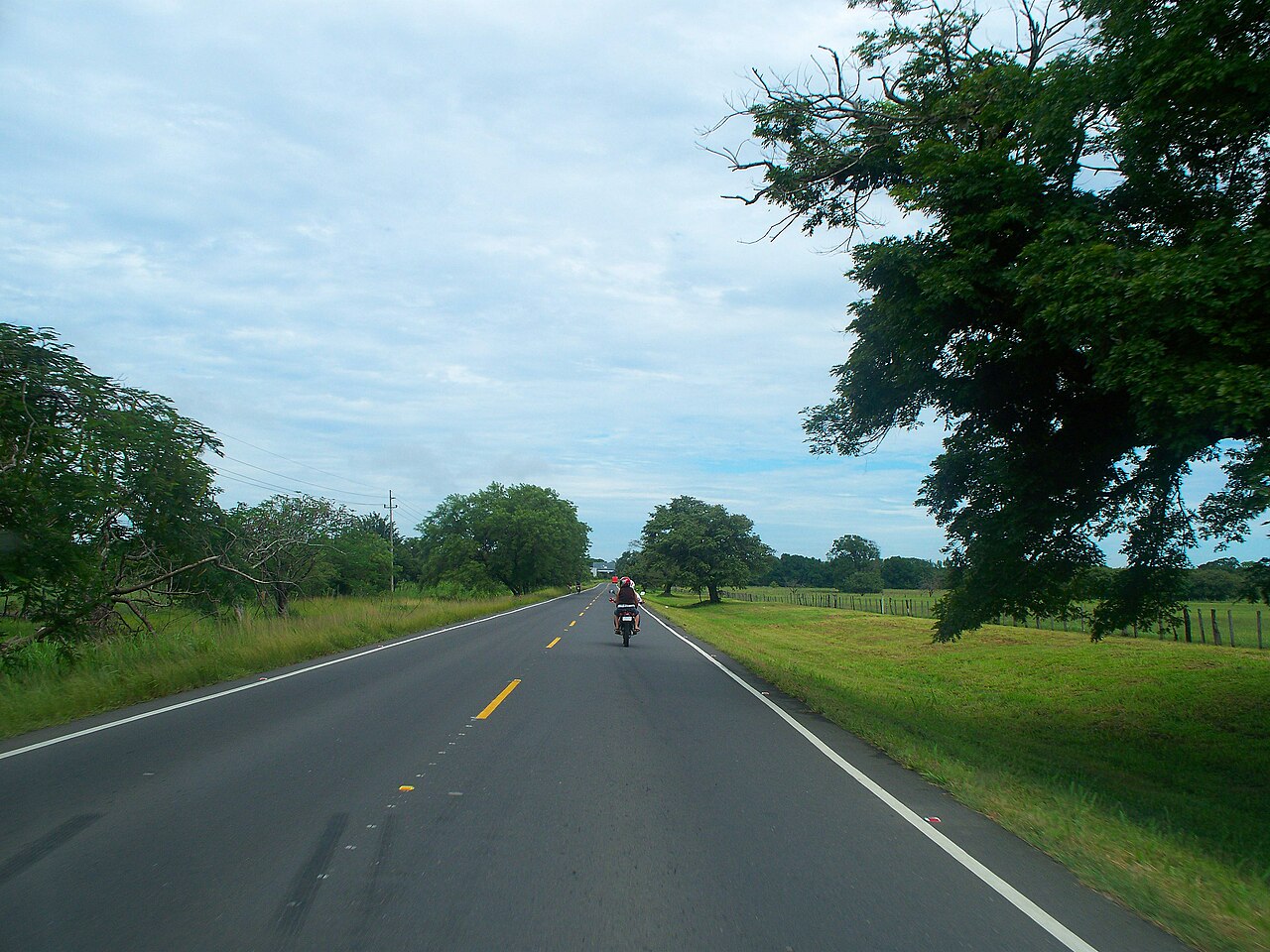
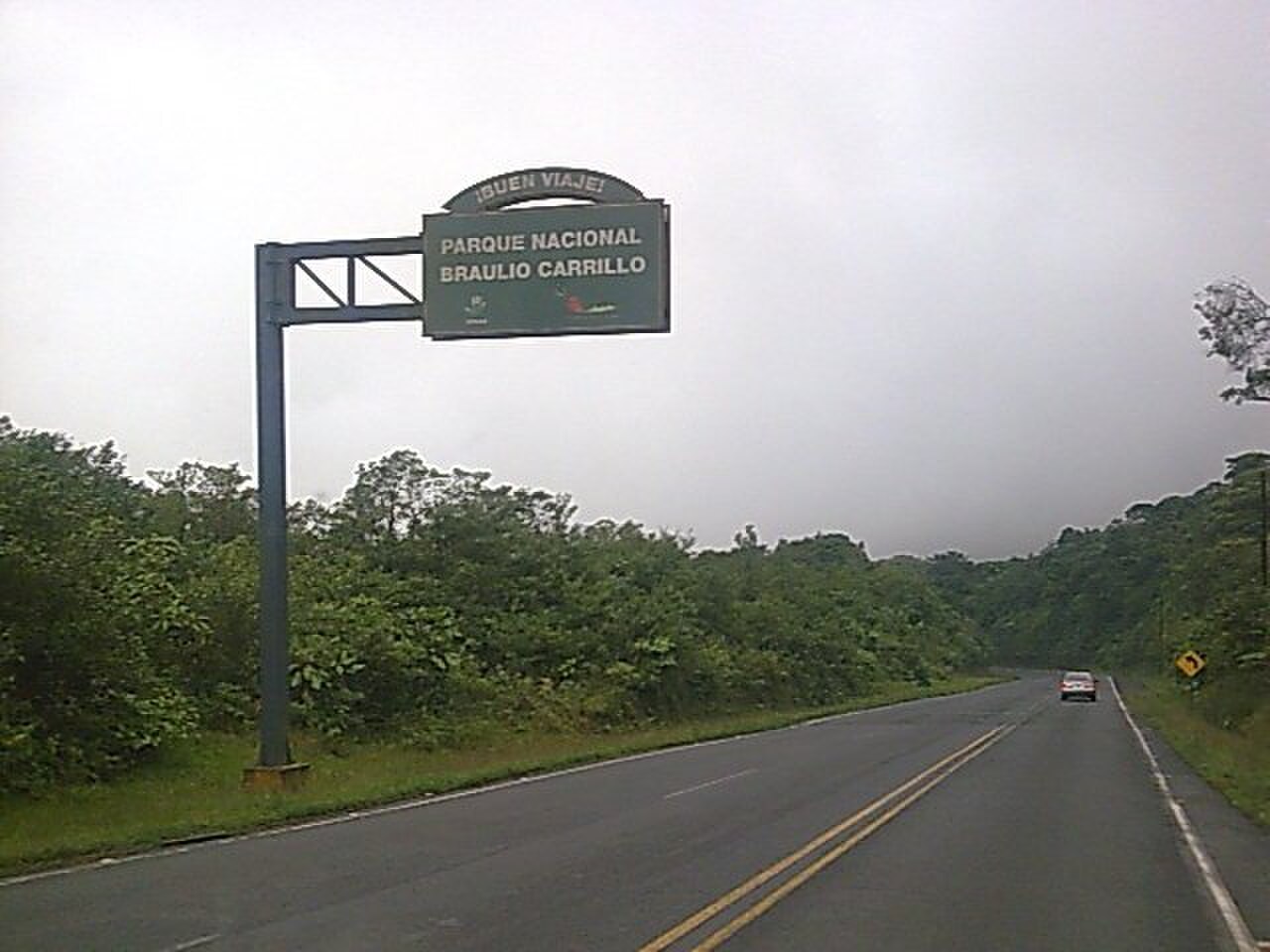
- San José, La Fortuna/Arenal, and the main highway corridors — Route 1 (the Inter-American Highway), Route 27 (the Caldera toll road to the Pacific) and Route 32 (San José to the Caribbean through Braulio Carrillo) are paved, two-lane, and perfectly fine in a sedan.
- Monteverde — most of the access route is paved, but the final stretch up to Santa Elena is steep and partly unpaved, and it is the one place where rental companies, guidebooks and tour operators consistently disagree on whether a sedan will make it. Book a 4×4 if you are not willing to find out which version is true on the day.
- The Osa Peninsula, Corcovado and Drake Bay — this is where a 4×4 stops being optional. The southern route involves multiple river crossings in the rainy season, which is exactly the kind of driving your insurance will not cover if it goes wrong. Most visitors reach Drake Bay by boat from Sierpe instead of driving the whole way, and that is generally the better call.
- Nicoya Peninsula backroads — Santa Teresa, Montezuma and Malpais are reachable on paved roads as far as the nearest town, but the final unpaved stretches and most rental contracts for this area call for a 4×4, especially outside the December–April dry season.
- Tenorio Volcano and Rio Celeste — the access road has potholes and blind corners that make a 4×4 strongly worth the extra cost, even though it is technically passable in a sedan in good weather.
Search current 4×4 and SUV availability for your dates here:
License, Age, and the Paperwork
A valid driver’s license from the US or Canada works on its own, with no International Driving Permit required, as long as it is at least two years old and written in Roman script — carry your passport alongside it. Licenses in other alphabets generally do need an IDP, which costs around $20 to arrange before you leave home. Most agencies set the minimum driving age at 21, but Hertz and Budget commonly require drivers to be 23–25 or charge a young-driver surcharge below that age, so check the specific company’s policy before you book rather than after.
Who You’re Actually Renting From
The big international names — Hertz, Budget, National, Alamo — all operate counters at San José (SJO) and Liberia (LIR), alongside well-established local companies like Vamos Rent-A-Car and Adobe Rent a Car, which run their own fleets and offices across the country rather than acting as resellers. Local companies are frequently cheaper once insurance is included and tend to be more upfront about the TPL charge at the time of quoting, but an international chain’s counter is the safer bet if something goes wrong with the vehicle far from San José and you want a familiar claims process. Either way, get the all-in daily price — base rate plus TPL plus whichever CDW level you want — in writing before you arrive, not as a verbal estimate.
When to Go, and What It Does to the Price
December through April is the dry season and also the expensive one: base rates alone can run $50–100 a day before any insurance is added, and 4x4s for peak-season travel are often worth booking three to four months ahead. May through November is the green season, when base rates drop to roughly $10–20 a day for an economy car, but it is also when the river-crossing and backroad warnings above matter most. A few sources stretch the rainy season into mid-December, so treat late November and early December as a genuine toss-up rather than committing to either season’s pricing or road assumptions.
Fuel in the Remote Stretches
As of May 2026, gasoline runs about 730–750 colones per litre, roughly $1.60–1.65. Stations are frequent along the main highways and in every town of any size, but they thin out fast once you leave them — fill up before heading into the Nicoya Peninsula, the Southern Zone toward the Osa, or around Lake Arenal, where the next station can be further away than it looks on the map.
Search flights to San José:
Where to Stay While You Have the Car
Most self-drive itineraries start and end in San José, even when the plan is to spend most nights elsewhere — it is simply where the main rental counters and the international airport are. Booking a night near the airport on each end of the trip, rather than fighting traffic to a hotel downtown, is the easier way to handle early pickups and late returns.
See Hotels in San José on Booking.com →
Quick Reference
- Mandatory third-party liability (TPL): roughly $10–25/day, almost never included in online quotes
- Basic CDW: adds about $10–15/day; full CDW: about $30–40/day on top of that
- Deposit: $2,000–3,000 with no CDW, under $1,000 with basic CDW, under $500 with full CDW; credit card only
- Minimum age: 21 at most agencies; 23–25 (or a surcharge) at Hertz and Budget
- IDP: not required for US/Canada licenses 2+ years old in Roman script; required for other alphabets (~$20)
- 4×4 genuinely needed: Osa Peninsula/Corcovado/Drake Bay, Nicoya backroads (Santa Teresa, Montezuma, Malpais), Tenorio/Rio Celeste, and the final stretch into Monteverde
- No coverage ever applies to water entry or off-road driving, in any vehicle, with any insurance level
- Fuel: about $1.60–1.65/litre as of May 2026
If you are weighing this against other self-drive trips in the Americas, our guides to renting a car for Chilean Patagonia and getting from San José airport into the city cover the two decisions most people weigh right alongside this one, and our look at whether you actually need a 4×4 in Namibia is a useful comparison if you are trying to work out how seriously to take the warnings above.