
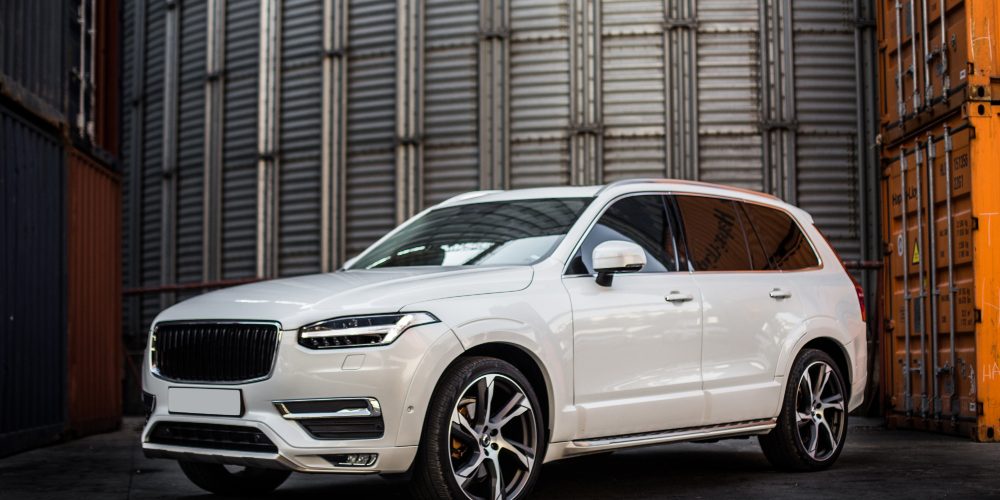
Namibia is the easiest hard country in Africa. The roads are empty, the camps are superbly organised, crime against travelers is rare — and yet the distances are vast, the gravel is merciless, and the nearest tow truck can be 300 kilometres away. That combination makes it the continent’s self-drive capital, and it makes one question decisive before anything else gets booked: do you actually need a 4×4, or is the cheaper 2WD enough? The honest answer depends entirely on where you are going, so let’s map it out properly for 2026.
Somewhere to sleep is the other half of the booking — compare accommodation for these dates:
Namibia’s roads, decoded in one paragraph
B-roads are tarred and excellent — Windhoek to Swakopmund or the airport run needs nothing special. C-roads are maintained gravel: washboard surfaces, loose stones, fine in a 2WD sedan if driven slowly and thoughtfully. D-roads are rougher farm tracks where clearance starts to matter. Then there are the special cases: the deep sand of Sossusvlei’s final 5 km, the dune roads of Sandwich Harbour (serious 4×4 only, with experience or a guide), and anything in Kaokoland or up to Van Zyl’s Pass, which is expedition territory. The classic tourist loop — Windhoek, Sossusvlei, Swakopmund, Damaraland, Etosha — is roughly 60 percent gravel. Technically a careful 2WD survives it in the dry season. Practically, nearly everyone is happier in a 4×4, and here is why.
Why the 4×4 wins even when the 2WD “would make it”
Clearance, not traction, is the real issue. Gravel corrugations hammer low-slung cars, stone-strewn stretches threaten sumps and sills, and the sandy final approach to the Sossusvlei pan simply strands 2WDs at the 2×4 car park (a shuttle covers the last stretch, so it is an inconvenience rather than a disaster). A Toyota Hilux or Fortuner shrugs all of it off, carries two full-size spares, and — in the popular camping spec — brings its own rooftop tent, fridge, water tank and recovery gear. Namibia’s tourism infrastructure is built around these vehicles for a reason. The 2WD saves perhaps N$400–700 a day; one bent rim on a C-road erases a week of that saving.
Namibian rates vary widely between the international brands at Windhoek and the local specialists who equip vehicles properly for gravel. Compare across suppliers for your dates:
What rentals cost in 2026
High season (July–October) daily rates out of Windhoek: a 2WD compact from about N$700–1,000 (US$40–55); a standard 4×4 SUV N$1,400–2,000 (US$75–110); a fully equipped double-cab camper with rooftop tents N$2,200–3,200 (US$120–175). Book three to six months ahead for July–October — the equipped-camper fleet genuinely sells out, because most of it is pre-booked by European travelers a season in advance. Compare both international and local specialists: aggregator pricing via DiscoverCars Namibia is a fast way to benchmark the SUV classes and filter for unlimited mileage, which on a 2,500 km loop is non-negotiable.
The insurance conversation matters more here than anywhere
Standard CDW in Namibia typically carries a brutal excess — N$30,000–60,000 — and excludes precisely the things that happen on gravel: tyre damage, windscreen chips, undercarriage strikes, and single-vehicle rollovers, which are the country’s signature accident. Zero-excess packages or third-party full coverage bought at booking (usually US$10–20 per day) are worth serious consideration, but read the gravel clauses line by line: some policies void cover on D-roads or after dark. Two rules the rental desk will repeat and mean: never drive at night (kudu and warthog own the roads after dusk), and 80 km/h is the sensible maximum on gravel no matter what the sign allows.
A proven two-week loop
Day 1–2: Windhoek, stock up (supermarkets are excellent). Day 3–5: south to Sesriem for Sossusvlei’s dunes at dawn and Deadvlei’s camelthorn skeletons. Day 6–7: over the Gaub and Kuiseb passes to Swakopmund for Atlantic air and, if you like, a guided Sandwich Harbour dune trip. Day 8–9: Damaraland — Twyfelfontein engravings, desert elephants if luck cooperates. Day 10–13: Etosha National Park, where the waterhole circuit from Okaukuejo to Namutoni is the best self-drive wildlife viewing in Africa — sit still at a waterhole at sunset and let the elephants come to you. Day 14: back to Windhoek on tar. Total: about 2,400 km. Fuel (diesel around N$21–23 per litre) will run N$5,000–6,500 for the loop; fill up at every town, because the gap between stations can exceed a tank’s comfort zone.

Watch: what the trip actually looks like
Camping rig or lodges: the budget fork
The rooftop-tent camper is the iconic Namibia experience, and campsite fees (N$250–500 per person at NWR and private sites) keep nightly costs tiny — but the vehicle premium means it only beats lodging on cost for trips of ten days or more, or for parties of three and four. Lodge-hopping in a standard 4×4 SUV costs more per night (N$1,500–4,000 per person half-board at mid-range lodges) yet removes all camp admin and rewards you with waterhole decks and astonishing dinners in the middle of nowhere. Many first-timers split the difference: camp the desert half, lodge the Etosha half.
Gravel-driving technique in five habits
Namibian gravel rewards a specific driving style, and adopting it on day one is the single best insurance policy you can buy for free. First, drop tyre pressures slightly for long gravel stretches if your rental company approves it — ask at pickup; many pre-set the pressures for you and note it on the sheet. Second, hold 60–80 km/h and resist the smooth-stretch temptation to creep toward 100; washboard grip vanishes without warning and most rollovers begin with a small drift at speed. Third, slow to a crawl for oncoming vehicles — flying stones break windscreens in both directions, and locals will do the same for you. Fourth, brake before sandy patches and dry riverbed crossings, never in them, and keep momentum steady through. Fifth, treat every crest and bend as if a springbok is standing behind it, because remarkably often one is. None of this is difficult; all of it is the difference between a trip story and an insurance claim.
A last planning note on timing: May and June offer green-tinged landscapes, mild days and thinner crowds at half the accommodation pressure of the July–October peak, while the hot months of December to March bring dramatic skies, occasional flooded riverbeds, and the lowest prices of the year — a legitimate choice for experienced gravel drivers who check road conditions daily.
Namibia self-drive FAQ
Is an international driving permit required? An English-language licence is generally accepted, but an IDP is cheap insurance and some rental firms ask for it — bring one.
Can I take the car into Botswana or South Africa? Usually yes with advance notice and a cross-border letter (fee applies); one-way drops to Cape Town or Maun exist but carry hefty fees.
What about phone signal? Towns and main routes have decent coverage, the deep desert has none. Download offline maps, and consider a local eSIM for the connected stretches. Rental companies rent satellite phones for remote itineraries.
Two spare tyres — really? On gravel-heavy routes, yes. Punctures are Namibia’s most common “breakdown,” and towns with tyre repair (every one has a “tyre doctor”) can be far apart. If your comparison shortlist offers one spare, ask the depot to add a second.
If African self-driving appeals but Namibia feels like a big first step, our Costa Rica 4×4 guide covers a gentler introduction to gravel-road touring — and if your route starts further south, see our Cape Town airport transfer guide for the arrival leg.
Getting from Hosea Kutako to the vehicle
Windhoek’s international airport sits about 45 km east of the city, and most rental collections happen either at the airport itself or at a depot in town. If you land in the evening, collecting a fully-loaded 4×4 and driving into Windhoek in the dark on your first night is a poor start — animals on the road after sunset are the single most common cause of first-day incidents in Namibia. A pre-booked transfer into the city, a night’s sleep and a morning collection is the safer sequence.
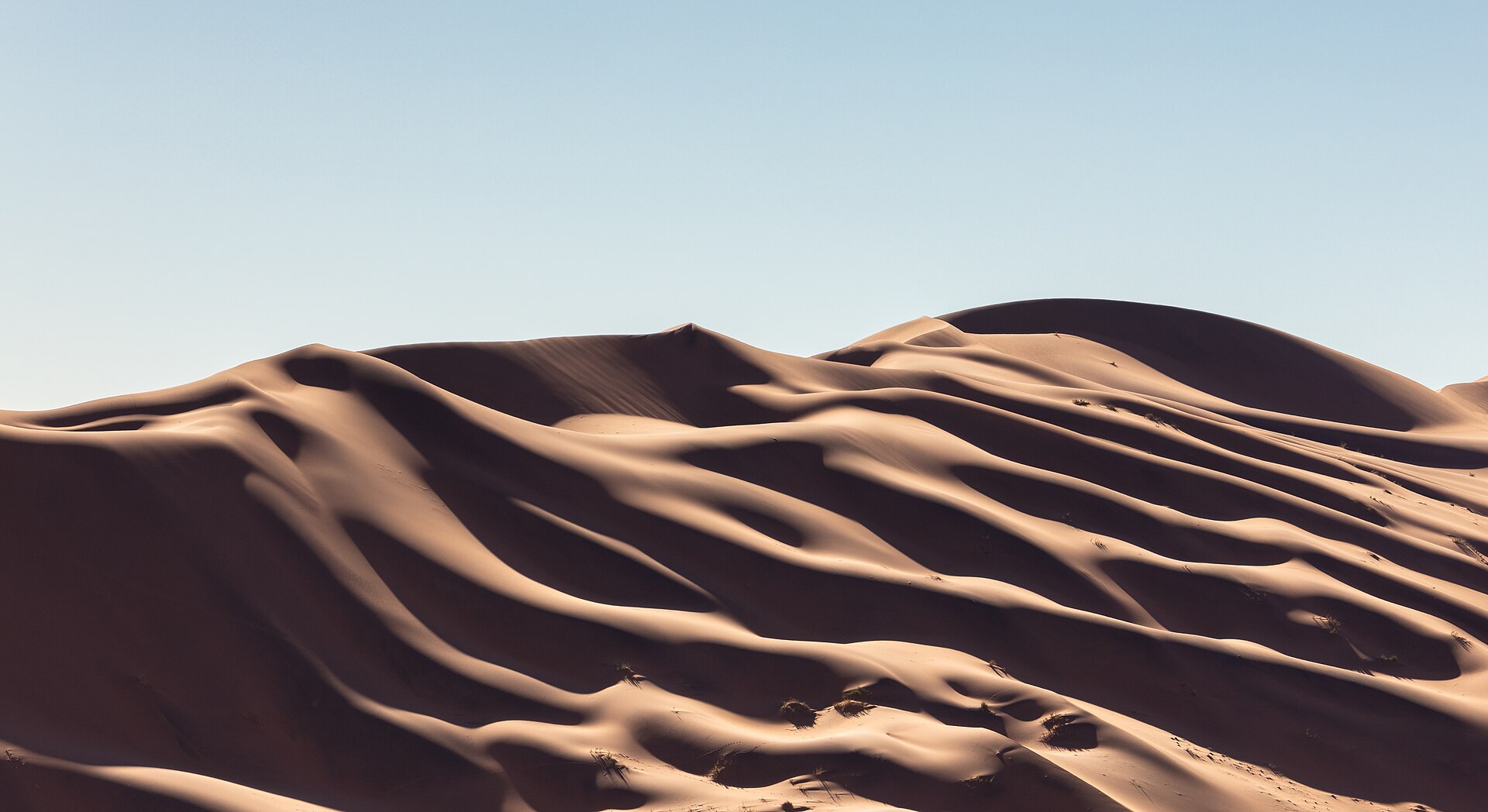
One detail on Sossusvlei specifically, because it is where the 2WD-versus-4×4 argument becomes concrete: the sealed road ends at a car park, and the last stretch to Deadvlei is soft sand where two-wheel-drive vehicles get stuck daily. Either you have the right vehicle and the tyre pressures lowered, or you take the official shuttle. Recovery out there is expensive and slow.
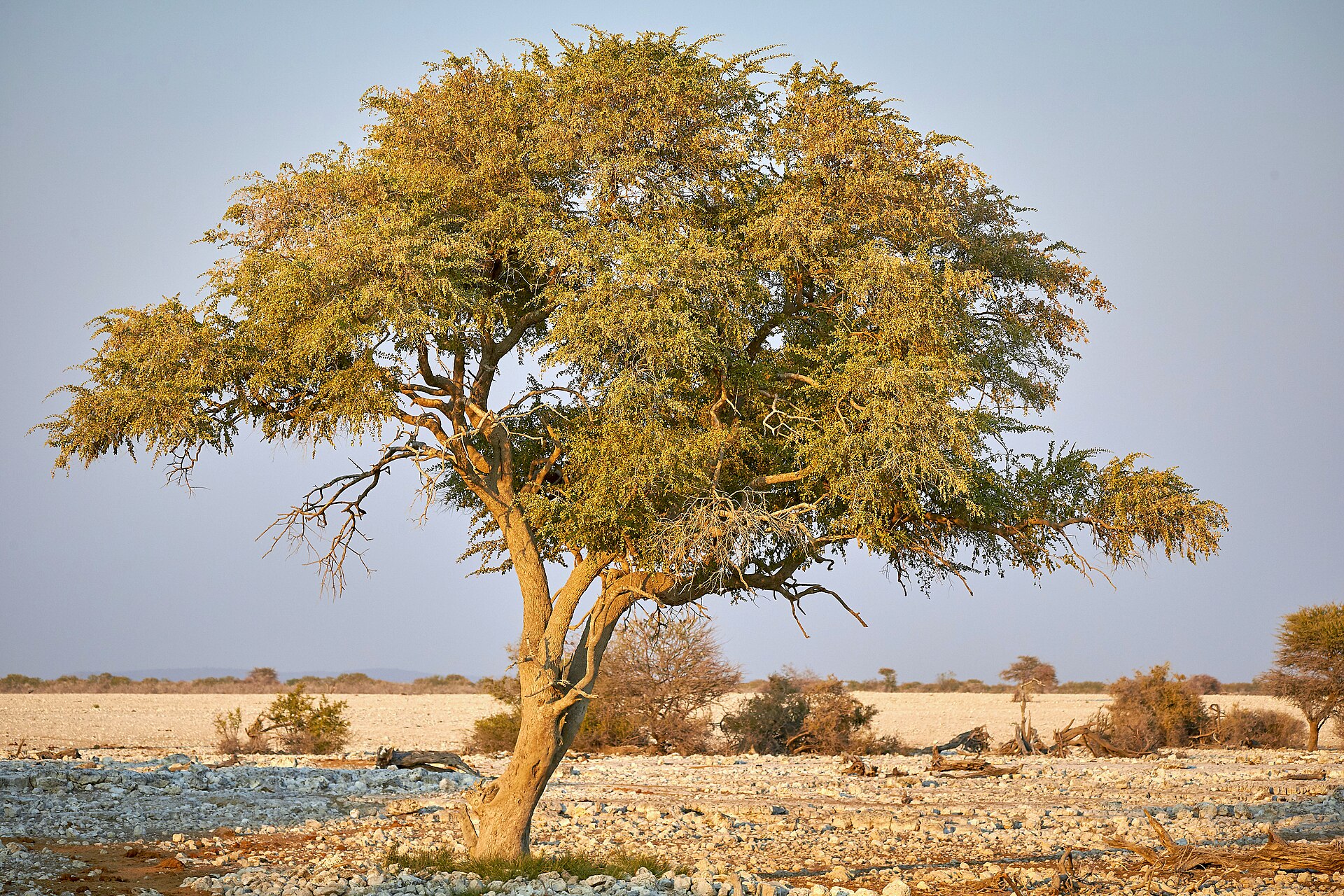
Namibia’s gravel network rewards the same discipline as any long remote drive: fill up in every town, keep speeds down on corrugations, and treat the published distances as a minimum. For a comparable ferry-and-gravel route on the other side of the world, see our guide to renting a car for Chilean Patagonia.
Read next: Botswana Charges You by the Day to Sit in the Park — and Nobody Agrees What the Day Costs

Add comment