
Scotland’s North Coast 500 gets called “Scotland’s Route 66” so often that the comparison has gone stale, but one part of it is accurate: this is a drive you plan around the car. The 516-mile (830 km) loop from Inverness through Wester Ross, Sutherland and Caithness is mostly single-track road with passing places, occasional 20% gradients, and long stretches with no fuel station. The right rental makes it one of Europe’s great road trips. The wrong one makes it a week of white knuckles. Here is what actually matters when you book — including the one detail that catches almost every overseas visitor.
Automatics sell out first — book months ahead
The single most important fact for American, Canadian, Australian and Asian drivers: the default rental car in Scotland has a manual gearbox, and you will be shifting with your left hand while driving on the left side of the road. Automatics make up a minority of most Inverness fleets, and in July and August they are routinely gone 6–10 weeks in advance.
Expect these 2026 summer rates from Inverness Airport (INV), the natural start point:
- Compact manual (Corsa, Fabia class): £35–48 per day
- Compact automatic: £55–75 per day — a 40–60% premium
- Mid-size SUV automatic (Qashqai class): £70–95 per day
- Shoulder season (May, late September): knock roughly 30% off all of the above
Comparison platforms like DiscoverCars let you filter Inverness pickups by transmission, which is the fastest way to see what automatics are actually left for your dates.
Rates on this route swing hard between operators and between Inverness city pickups and the airport desk. Compare across companies for your exact dates before you commit — the cheapest headline price is very often not the cheapest total once excess and one-way fees are included.
Do you need an SUV? Mostly, no
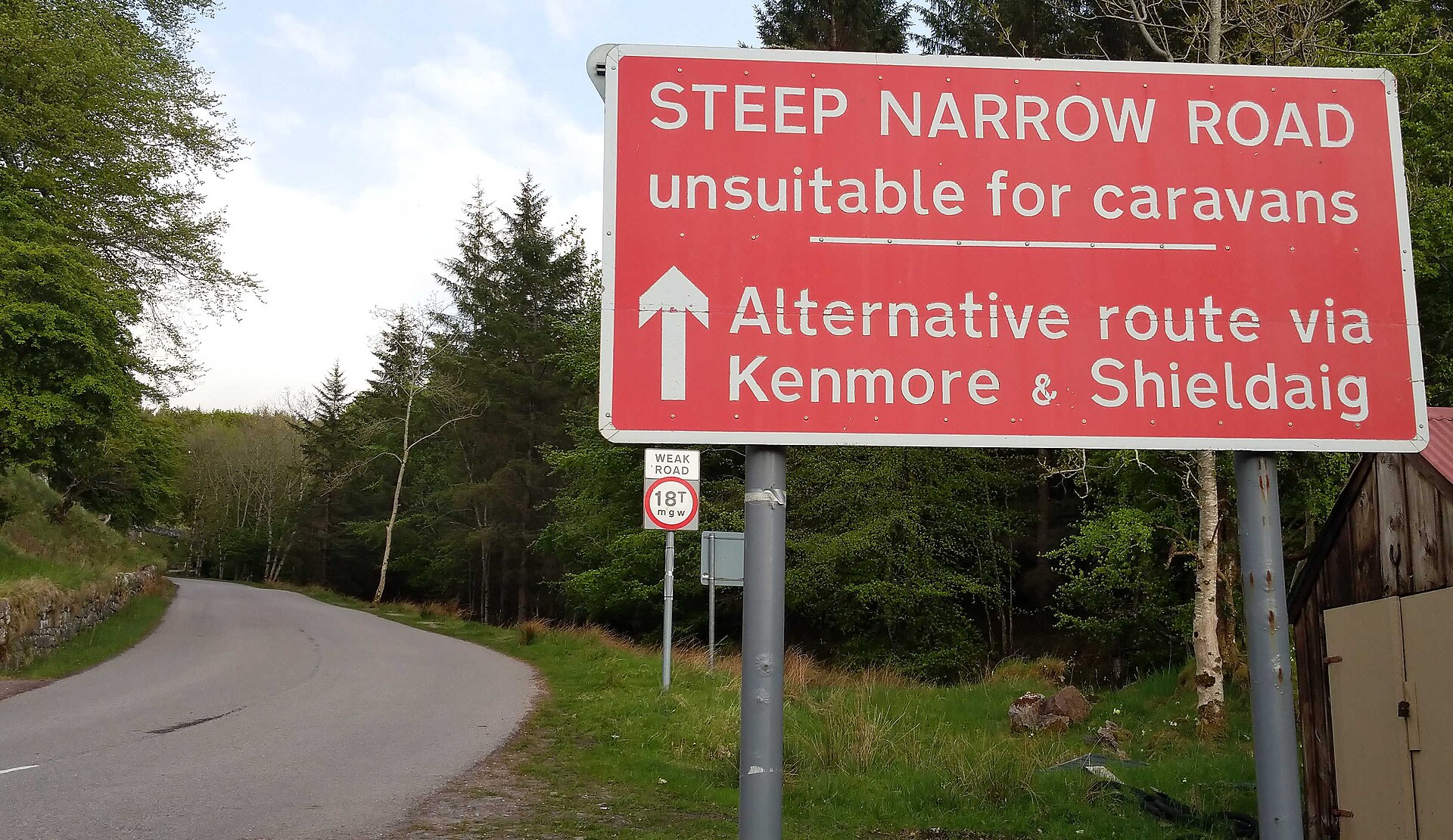
The NC500 is entirely paved. A 1.0-litre city car will complete it without complaint, and its narrow body is an asset on single-track sections where two vehicles meet mirror-to-mirror. Where a bigger engine earns its keep is the Bealach na Ba — the 626-metre pass over the Applecross peninsula with hairpins and gradients up to 20%. Small cars manage it in first and second gear; you will simply be slower. If you are two people with soft luggage, book small. Four adults with hard suitcases justify a compact SUV, not for capability, but for boot space, because visible luggage in a parked car at trailheads is a break-in invitation.
The insurance excess trap
Standard UK rental agreements carry an excess of £1,000–£1,500, and the NC500 is exactly the kind of route that finds it: gravel chips on windscreens, alloy scrapes against dry-stone passing places, and the occasional sheep-dodge into a verge. Desk staff at Inverness will offer excess reduction at £25–35 per day — often more than the car itself. Two cheaper routes: buy standalone excess insurance before you fly (typically £3–6 per day from UK providers), or take the full-coverage option offered at booking time on the comparison site, which usually lands between the two. Whatever you choose, photograph every panel, the roof and the windscreen on collection. Single-track roads produce disputed damage claims like nowhere else.
Passing places: the two rules that keep you popular
Single-track etiquette is simple and locals genuinely care about it. First, passing places are for passing and letting faster traffic overtake — if a local is behind you, pull in and wave them through; they are commuting, not sightseeing. Second, never park in a passing place, ever, not even “just for a photo”. Uphill traffic generally has priority, and a flash of headlights usually means “come through”. Master these and the road system works beautifully; ignore them and you will meet the famous Highland reverse-for-400-metres experience.
Fuel, midges and the empty quarter
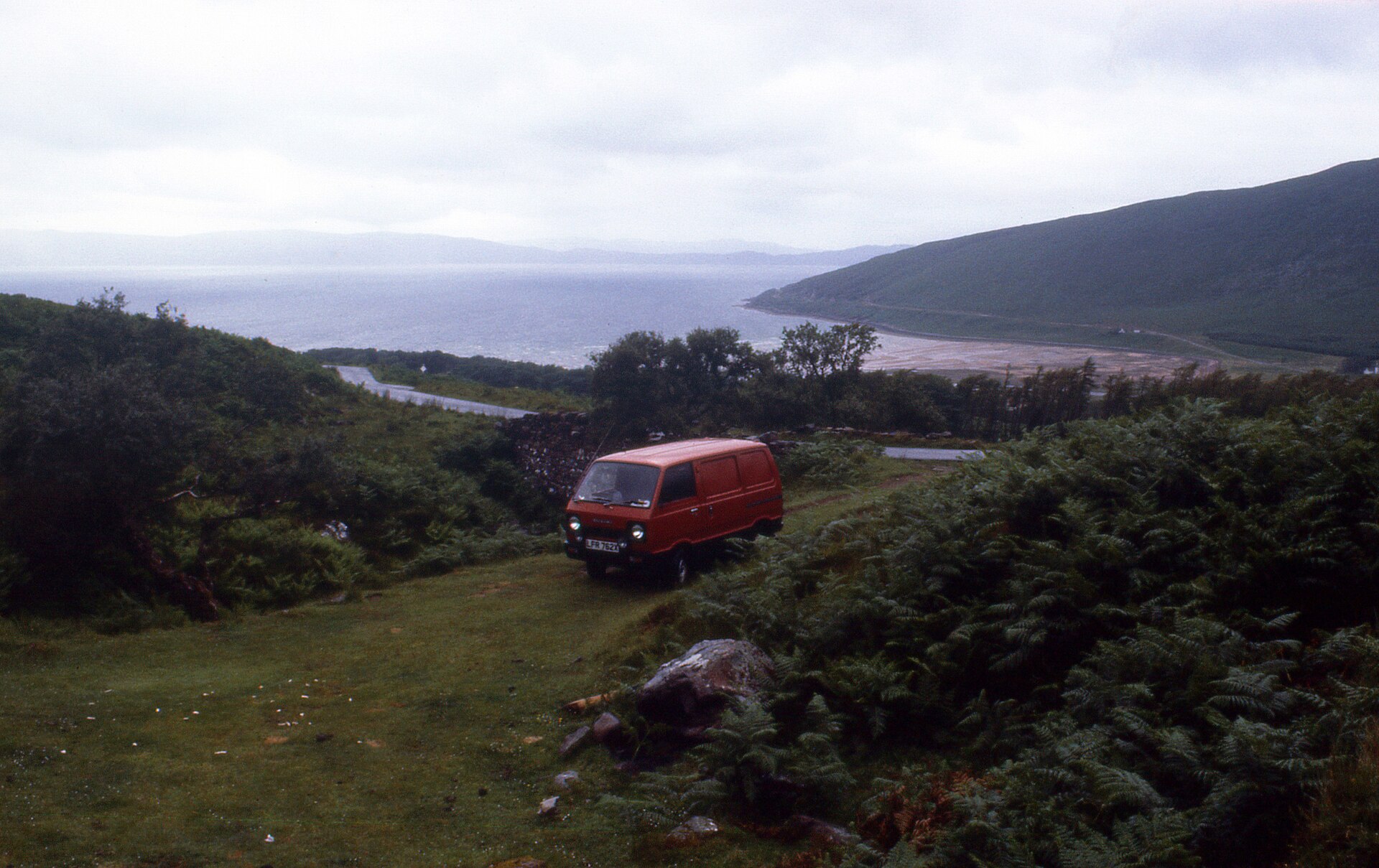
Petrol on the route ran £1.45–1.60 per litre in early 2026, roughly 10–15p above city prices, and stations are scarce in the northwest: after Ullapool, meaningful fuel stops are Kinlochbervie, Durness and Tongue, some closed Sundays. The working rule is to refuel whenever you drop below half a tank. Diesel-engined rentals give usefully more range here. As for the Highland midge: June through August, calm overcast evenings turn into a feeding frenzy. Smidge repellent (sold in every Co-op on the route) and a breeze are the only reliable defences. May and September largely dodge them, which is one reason experienced NC500 drivers book the shoulders.
A realistic 6-day clockwise itinerary
- Day 1 — Inverness to Applecross (85 mi): Rogie Falls, Torridon viewpoints, then the Bealach na Ba before dinner at the Applecross Inn.
- Day 2 — Applecross to Ullapool (95 mi): Shieldaig, Gairloch beaches, Corrieshalloch Gorge.
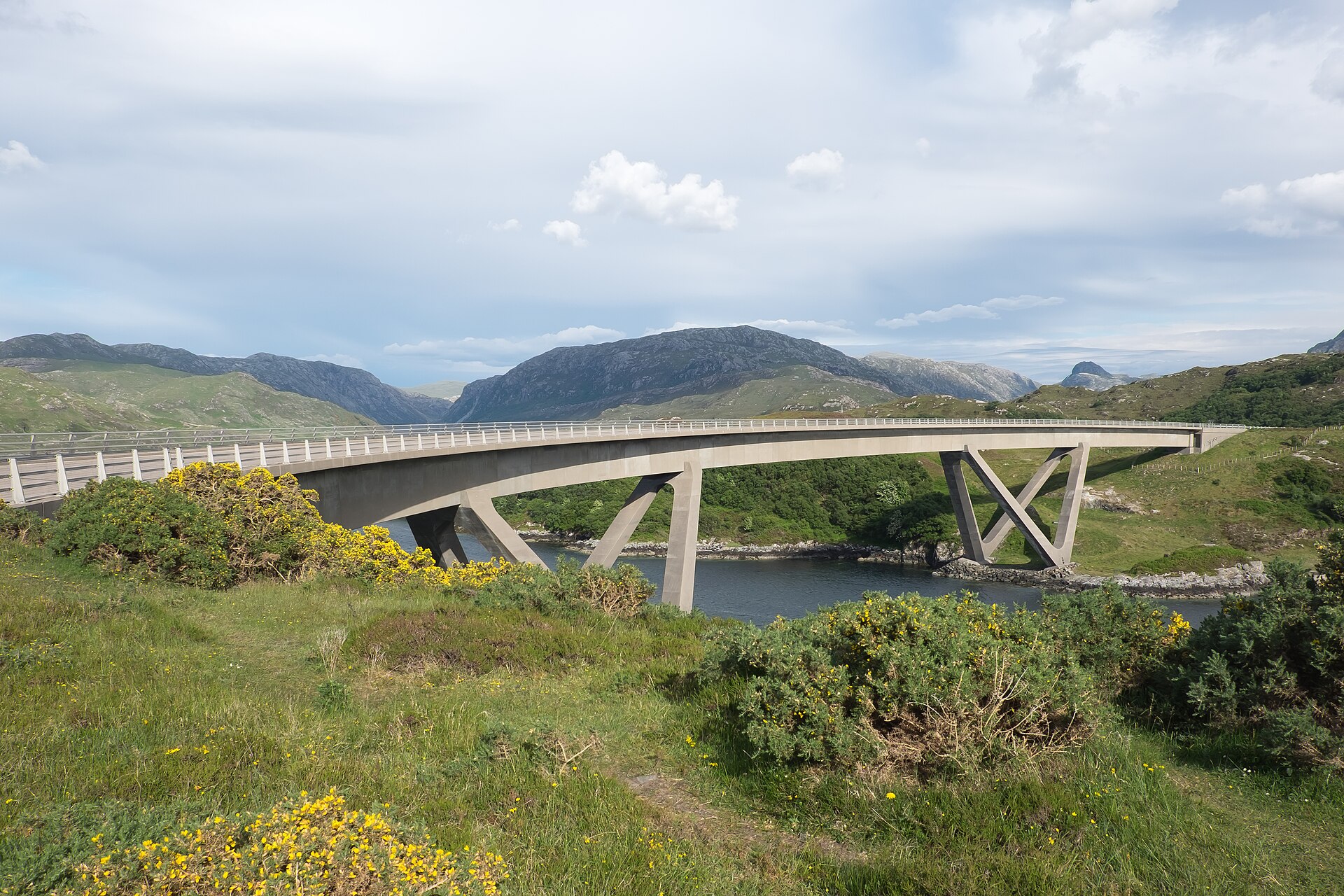
- Day 3 — Ullapool to Durness (70 mi): Ardvreck Castle, Kylesku Bridge, Smoo Cave.
- Day 4 — Durness to Thurso (75 mi): Ceannabeinne beach, the Kyle of Tongue, Dunnet Head — the true northern tip of mainland Britain.
- Day 5 — Thurso to Dornoch (90 mi): John o’Groats photo stop, Duncansby Stacks, Whaligoe Steps, Dunrobin Castle.
- Day 6 — Dornoch to Inverness (50 mi): Glenmorangie distillery, Chanonry Point for dolphins, drop the car.
Five days is the sane minimum; seven lets you hike. Day-trippers doing it in three see mostly windscreen.
When to go and what it all costs
A two-person, six-day NC500 in a compact manual in June works out roughly: car £250, fuel £110 (about 830 miles at 45 mpg), B&Bs £85–120 per night, and food from £40 per person per day with one Applecross Inn splurge. Call it £1,400–1,700 all-in for two — significantly less than the equivalent Iceland Ring Road trip and with better pubs. If you are weighing Scotland against Norway’s fjord roads, our Norway rental car breakdown runs the same math there.
One-way rentals, EVs and the winter question
Three variations worth knowing about. One-way rentals (Inverness pickup, Edinburgh or Glasgow drop-off) typically add a £50–100 fee but let you pair the NC500 with the Cairngorms or Skye without backtracking — often worth it on a two-week Scotland trip. Electric vehicles are now genuinely feasible: chargers exist in Ullapool, Durness, Tongue, Thurso and most villages between, but they are single units — if the Durness charger is occupied or faulty, your evening changes. Take an EV only if you enjoy planning around it, and note that cold, wind and hills can cut real-world range 25% below the brochure figure. Winter (November–March) brings snow gates, 6–8 hours of daylight and empty roads of severe beauty; rental companies do not fit winter tyres as standard in the UK, so book a car with them explicitly or keep speeds modest and days short.
Common questions, quickly
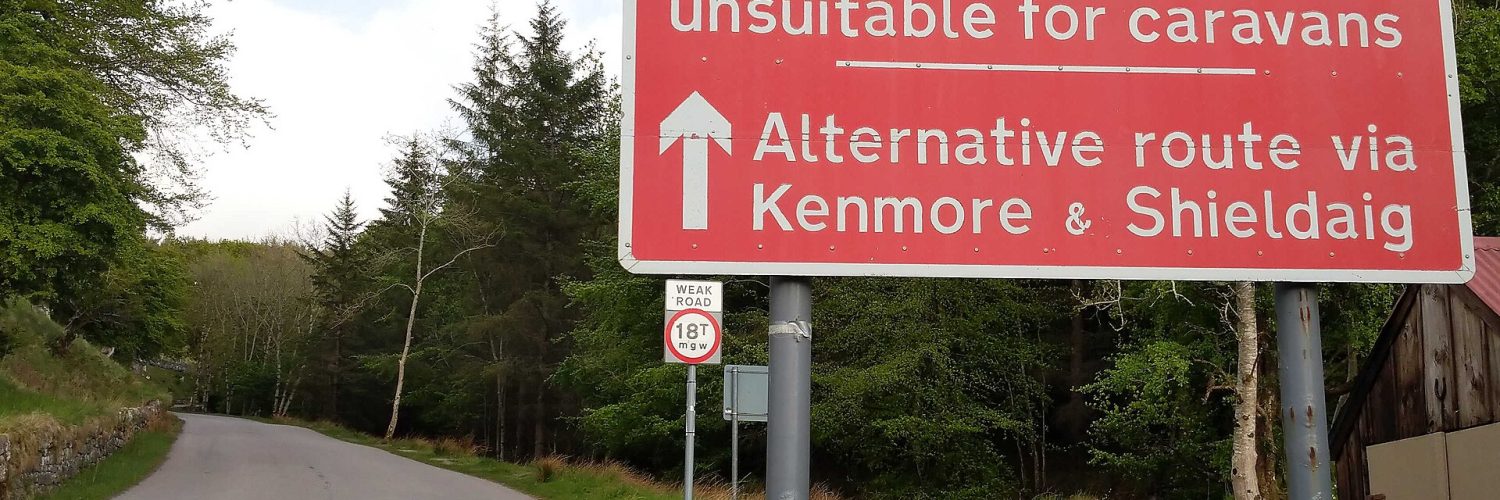
Can I drive it in a campervan? Yes, thousands do, but the Bealach na Ba is officially discouraged for large motorhomes — the Kishorn coast alternative is signposted — and wild-camping pressure means you should book sites ahead in summer. Is fuel payable by card everywhere? Yes, including the unmanned 24-hour pumps in the far northwest, but they pre-authorise up to £100, which surprises debit-card users. Do I need cash? Almost nowhere; a few honesty-box parking spots and village halls appreciate coins. Mobile signal? Patchy to absent between Ullapool and Tongue on every network — download offline maps before you leave Inverness, and treat the trip as a feature, not a bug.
Watch before you drive
Compare prices for your dates
Inverness fleets are small and the automatic problem is real — checking early costs nothing:
Getting from the airport to your accommodation is the one leg worth arranging before you arrive — compare fixed-price transfers here:
Compare Scotland rental prices across all major companies →
Where you sleep decides how far you drive
The NC500’s real constraint is not the driving, it is the beds. The route passes through a handful of small settlements — Ullapool, Durness, Thurso, Dornoch — and between them accommodation is sparse, family-run and booked out months ahead between May and September. Turning up in Scourie at 7pm in July looking for a room is not a plan.
Two practical consequences. First, book accommodation before you book the car, because the beds sell out earlier than the vehicles and they dictate your daily stages. Second, resist the temptation to spread nights evenly: Ullapool and Durness are worth two nights each, while several of the eastern stops are worth none.
If a self-contained vehicle sounds like the answer to the accommodation problem, read the Icelandic version of that argument first — the rules and the economics have shifted there in ways that are heading the same direction in the Highlands. See why a campervan in Iceland is no longer the cheap option, and note that Highland councils have been steadily adding overnight parking restrictions for the same reasons.








Add comment