Slovenia pulled in roughly 7 million visitor arrivals and almost 18 million overnight stays in 2025, up 6% on the year before — and its own tourism board still describes the country’s resorts as “not overcrowded.” That combination, growing fast but starting from a small base, is the whole case for going now rather than in five years. The country is also small enough that the claim is testable in a single week: Ljubljana, Lake Bled, Postojna Cave and the Adriatic coast at Piran all sit within about two hours of each other by car.
We priced the parts that actually cost money — the boat to Bled’s island, the cave everyone adds to the itinerary, the toll system that fines first-time drivers — to see what a trip here runs, and where the money is better spent elsewhere.
What Bled Island Actually Costs
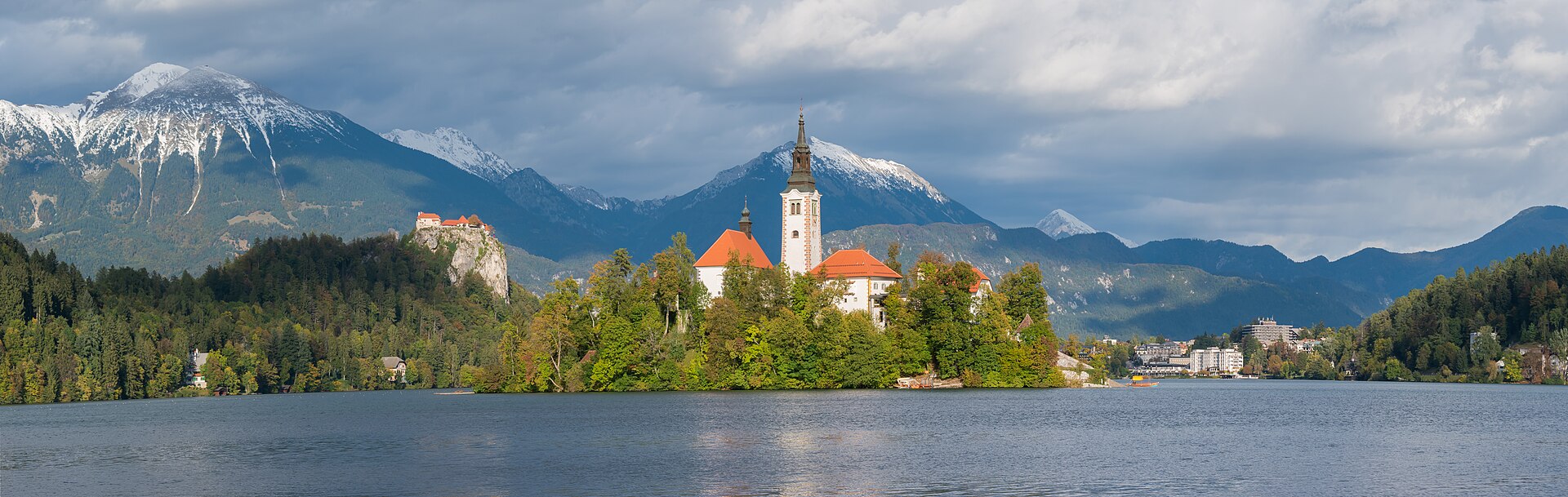
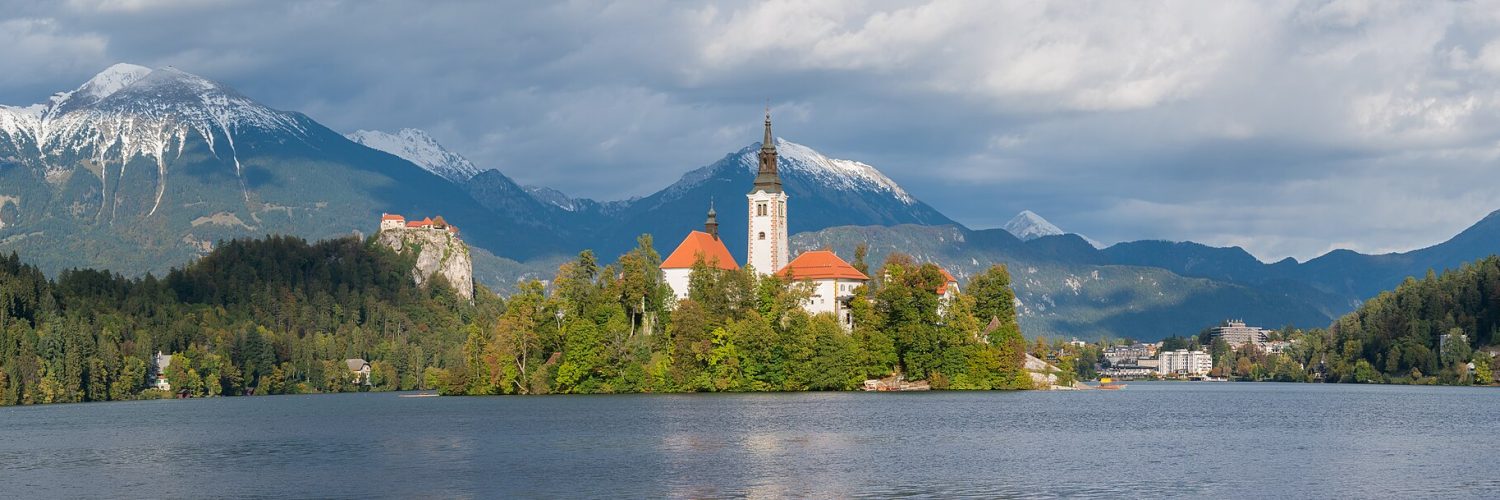
The postcard shot of Slovenia is a single church on a single island in the middle of Lake Bled, and getting to it is not free. A round-trip on one of the wooden pletna boats — the only traditional way across, licensed to a single boatmen’s association and rowed, not motorized — costs €20 per adult and €10 per child aged 4 to 12, according to the Bled tourist board’s current price list. The boat leaves once it fills up, from one of four docks around the lake (Kazina, Mlino, Vila Bled or Velika Zaka), not from a single fixed point.
That gets you to the island. Actually going inside the church, climbing the bell tower and seeing the small museum in the Provost’s House is a separate ticket: €12 for an adult, €5 for a child up to 15, €10.50 for students and seniors, or €24 for a family. Add the boat and the island admission together and one adult is looking at roughly €32 just to stand where every photo of Slovenia is taken — before lunch.
What that €32 buys: 99 stone steps up from the jetty to the church (local tradition has the groom carry the bride up all of them if the couple wants to marry there), a wishing bell inside that visitors ring for luck, and a free-standing 52-metre bell tower with a mechanical oscillation clock you can see from below. There’s no time limit on the visit — you catch the next available pletna back, or an electric motorboat.
See Hotels in Bled on Booking.com →
The €55 Day Trip Everyone Adds to the Itinerary
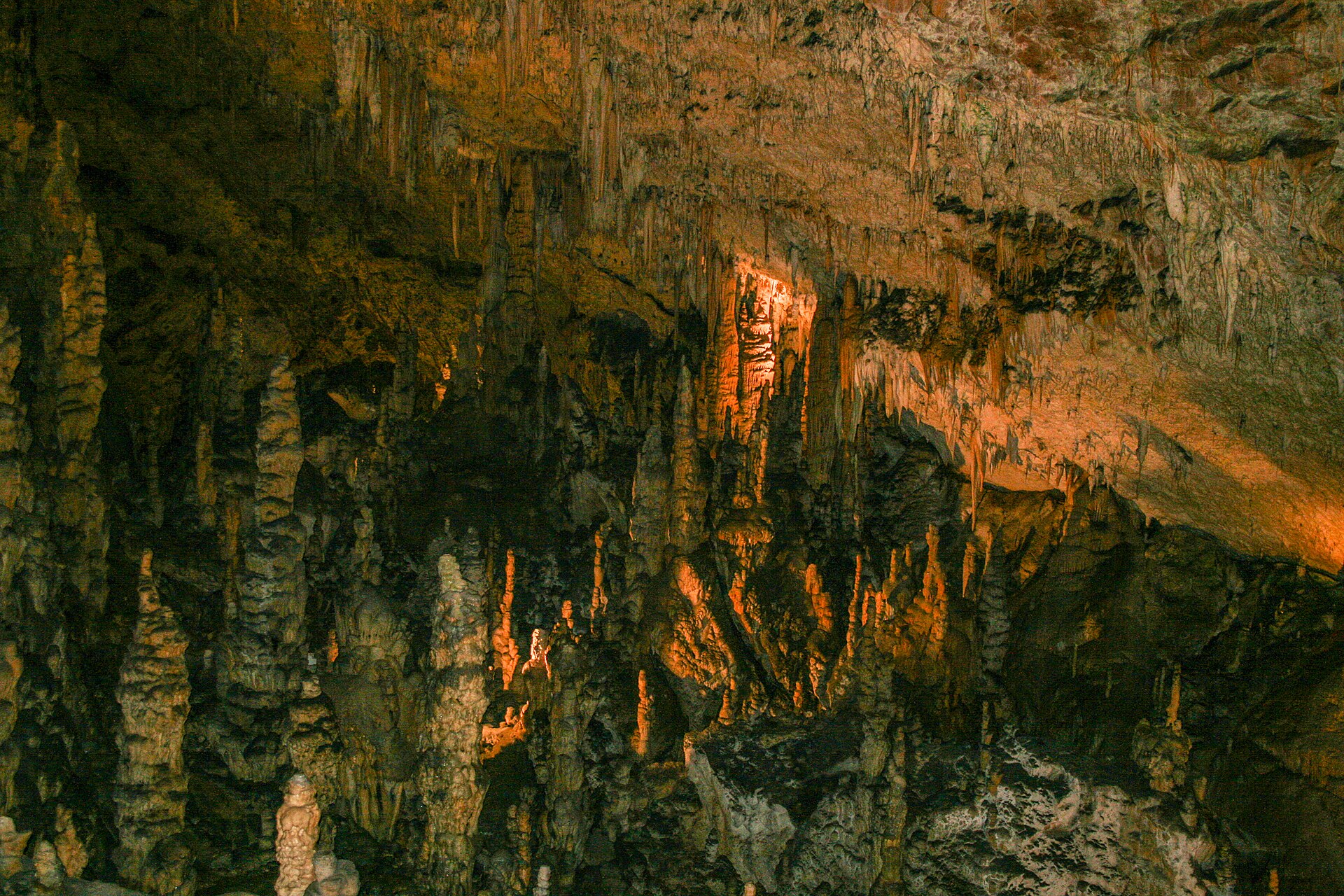
Postojna Cave is usually sold as a package with nearby Predjama Castle, and it’s worth knowing the combined price before you book: €55 for an adult, €44 for a student aged 16 to 25, €33 for a child aged 6 to 15, and €3 for a child under 6, per the official ticketing site. That covers the cave, the castle, and the Expo Postojna Cave Karst exhibition, which throws in two further small exhibitions (“Life in Billion Years” and “Butterflies of the World”) at no extra charge.
The cave itself starts with a roughly 2-kilometre underground train ride to the start of the walking route, then continues on foot past the illuminated Beautiful Caves and the Brilliant Passage, and through the Concert Hall, where an aquarium holds the olm — the blind cave salamander locals nickname the “human fish.” The temperature inside sits at a constant 10°C (50°F) year-round, whatever the season outside; a warm cloak can be hired at the entrance if you show up in summer clothes, which is the single most common mistake visitors make here.
Ljubljana in an Afternoon, Not Three Days
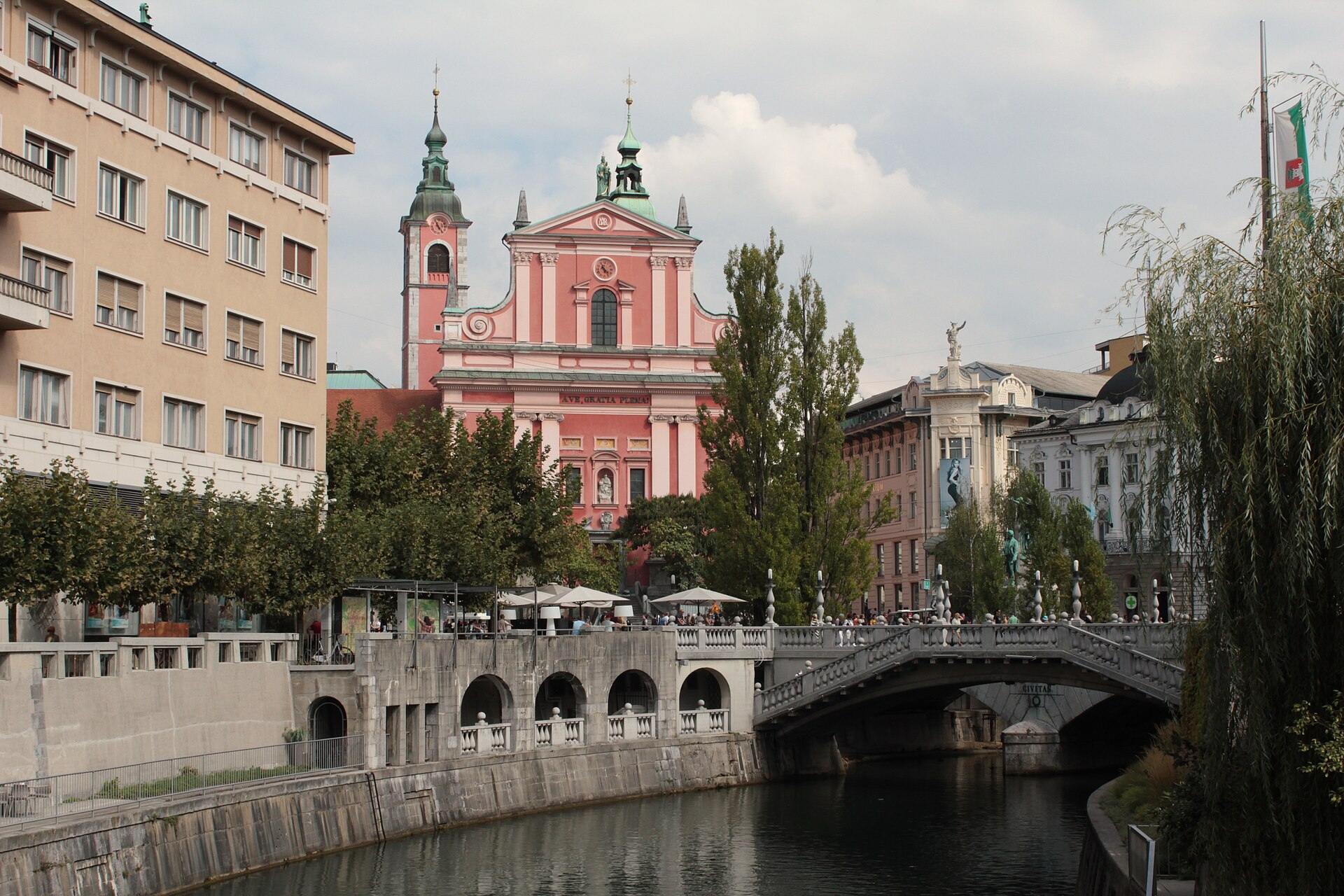
Slovenia’s capital is genuinely compact: the old town sits in a loop of the Ljubljanica river, car-free, and the Triple Bridge — three connected pedestrian bridges built where a single one used to stand — drops you straight into Prešeren Square and the old town in a few minutes on foot from almost anywhere central. That compactness is the reason most itineraries badly over-allocate time to Ljubljana at the expense of Bled, Postojna and the coast; half a day covers the core sights comfortably, with a second half-day only worth adding if you want the castle hill and the riverside market as well. If you’re coming from Vienna, it’s worth knowing the two capitals are connected by direct rail, which makes a one-way overland leg a realistic alternative to flying.
Getting There
Ljubljana Jože Pučnik Airport (LJU) handled close to 1.6 million passengers in 2025, still a small airport by European standards, but one that’s been adding routes: easyJet started a direct Edinburgh service in April 2026, Wizz Air added Podgorica in June 2026, and KLM has flown Amsterdam–Ljubljana daily since March 2025. Iberia and Vueling both run seasonal summer services from Madrid and Barcelona, and Swiss connects to Zurich year-round. None of this makes Ljubljana a major hub — it isn’t one — but it does mean more of Europe can now reach it without a connection than could two or three years ago.
Search flights to Ljubljana and across the region:
The Toll Rule That Catches First-Time Drivers
Slovenia has used a fully digital vignette since 2022 — there’s no windscreen sticker to buy anymore, and the old paper stickers are no longer valid at all. For a standard passenger car, the official 7-day e-vignette costs €16, a one-month vignette is €32, and driving on a tolled motorway or expressway without one carries a flat €300 fine, checked automatically by cameras rather than at a toll booth. Most of Slovenia’s motorway network requires it; a handful of stretches are free, including the Koper–Lucija expressway on the coast and the section from the Austrian border to Hrušica. If you’re driving in from Austria through the Karavanke Tunnel specifically, budget an extra €9 on top of the vignette — that tunnel charges its own separate toll.
Most rental counters in Slovenia don’t automatically register the vignette for you, so confirm at pickup whether it’s included or whether you need to buy one yourself before getting on the motorway. If you’re coming in from Croatia, the rules change again at the border — worth knowing if your route also runs through Zagreb, where Croatia’s own toll system applies instead.
Looking at a rental for the drive between Ljubljana, Bled and the coast:
Piran: the Coast Without the Crowds
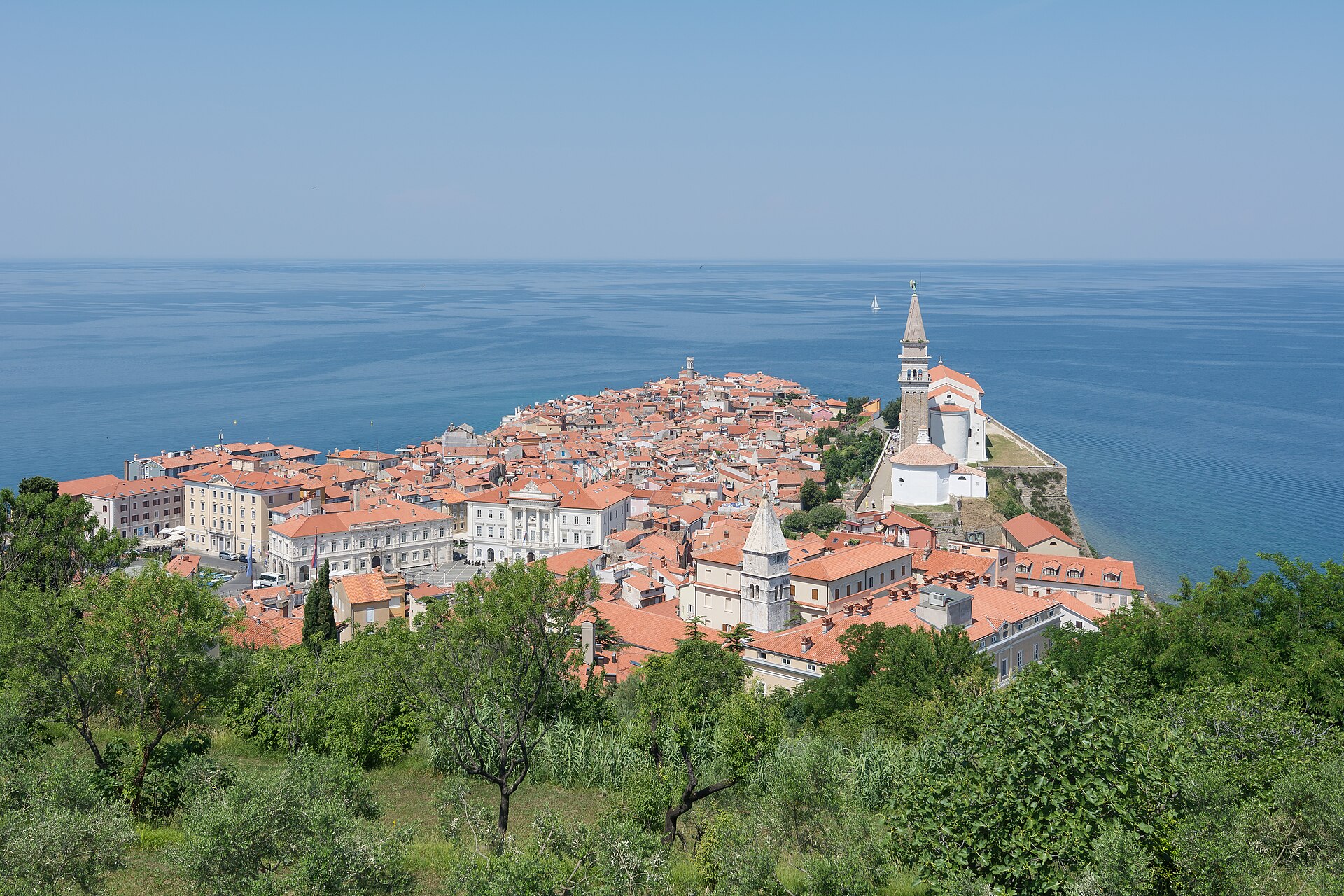
Slovenia has just 47 kilometres of coastline — the shortest of any Mediterranean country — and almost all of the appeal is concentrated in Piran, a Venetian-era port built on a narrow peninsula with a completely car-free old town. The walls above the town (part of the old St. George’s fortifications, with the best-preserved sections, including seven watchtowers, dating to the 15th century) are open to climb for a small entrance fee, around €2 for an adult and €1 for a child, for a view that on a clear day reaches across the Gulf of Trieste to Italy and, in the other direction, toward Croatia. Give it 30 to 90 minutes depending on whether you’re there for sunset.
The trade-off for the lack of crowds is the drive: Piran sits roughly two hours from Ljubljana, which is why so many visitors only see it as a rushed stop bolted onto a cruise-ship shore excursion or a day trip bused in from Venice or Trieste — often with as little as 90 minutes actually in town before the bus leaves again. If the coast is a priority rather than an afterthought, it earns an overnight.
See Hotels in Piran on Booking.com →
What’s Not Worth It
The shore-excursion version of Slovenia — a bus from a coastal cruise stop that touches Piran, Postojna Cave and sometimes Bled all in one long day — is sold constantly and is close to the worst way to see any of the three. Each of these places rewards unhurried time (the cave tour alone fills most of a morning once you count the train, the walk and the drive back), and stacking all three into a single day mostly buys you a lot of parking lots and a view through a bus window. If you only have one day inland from the coast, picking one of Bled or Postojna and doing it properly beats a rushed version of both.
A rental car for Ljubljana itself is also money you don’t need to spend. The old town is pedestrianised, parking in it is limited and expensive, and every sight in this article’s “afternoon in Ljubljana” section is walkable from the centre. Pick the car up on the day you leave the city instead, for Bled, Postojna or the coast.
Watch Before You Go
So, Is It Worth It?
Seven million visitors in 2025 sounds like a lot until you compare it with neighbours like Austria or Italy, which is exactly why Slovenia’s own tourism board can still call its resorts uncrowded with a straight face. The country is small enough to see properly in a week without ever spending more than two hours in a car, the pricing at its main sights is transparent and posted rather than negotiated, and the one real risk — an unregistered toll vignette or a rushed shore excursion — is avoidable with about five minutes of planning. For travellers who’ve already done Vienna, Budapest and Kraków and are looking at where in Central Europe still feels underbuilt for tourism, this is it — for now. Planning the practical side, including connectivity, is worth doing before you land; our guide to getting online in Slovenia covers what EU travellers can skip buying altogether.