Budapest is the only capital in Europe where the reason you can sit outdoors in 38°C water on a February morning is the same reason the two halves of the city look nothing alike. That is not a marketing line. The Danube here does not simply divide Buda from Pest. It runs along a geological fault that separates the Buda Hills from the edge of the Great Hungarian Plain, and that fault is what drives roughly 70 million litres of thermal water a day up through about 123 springs and boreholes inside the city limits.
Almost every practical decision on a Budapest trip — which side of the river to sleep on, which sights to book weeks ahead, which ticket is worth 14,000 forints and which one is a waste — gets easier once you know where that seam runs. This guide is organised around it.
Why Budapest looks the way it does
Budapest did not exist until 17 November 1873. Before that there were three separate towns: hilly, fortified Buda on the west bank; small Óbuda just north of it, sitting on Roman ruins; and flat, commercial Pest across the water. The 1873 merger stitched them into one city, but it did not flatten the hills or move the river, so the old differences are still the ones you feel.
Buda is vertical, quiet, green and residential, with the castle district on a limestone ridge and villa neighbourhoods climbing behind it. Pest is a nineteenth-century grid on level ground: the boulevards, the Parliament, the opera house, most of the restaurants, nearly all of the nightlife, and every metro line that matters. Visitors who book a “romantic castle view” hotel in Buda and then discover they are taking a bus back at midnight have simply not read the map.
The fault line explains the rest. The Romans built baths here because the water was already coming out of the ground hot. The Ottomans rebuilt them in the sixteenth century, and two Turkish-era baths — Rudas and Király — are still working. The grand nineteenth and twentieth-century complexes came later. Budapest is a spa city because of geology, not because someone decided to market it that way.
Getting in from the airport
Budapest Ferenc Liszt International (BUD) sits about 16 km southeast of the centre and has no rail link. There are three sensible options and one bad one.
The 100E Airport Express is the cheap, direct choice: a dedicated bus to Deák Ferenc tér in the middle of Pest, roughly 40 minutes depending on traffic. A single costs 2,500 HUF as of 2026. It needs its own ticket — an ordinary single or a 24-hour travelcard is not valid on it — although if you already hold a Budapest-pass (any except the 15-day), a Pest County Pass or a Hungary Pass, you can buy a discounted 1,000 HUF add-on instead. You can tap a card, phone or watch on the Budapest Pay&GO readers on board, which is the fastest way to do it.
The 200E city bus plus metro M3 is slower and involves a change at Kőbánya-Kispest, but it runs on a normal 500 HUF ticket and it runs when the 100E does not.
A taxi or a pre-booked transfer makes sense with luggage, small children or a late arrival. Fares are regulated: from August 2026 the tariff is 1,300 HUF base, 520 HUF per kilometre and 130 HUF per minute of waiting, with an airport base fare of 2,100 HUF applying to journeys to and from BUD. Expect roughly 15,000–19,000 HUF into the centre. Főtaxi holds the airport concession, and Bolt and Uber both dispatch Főtaxi cars in the city. Card payment is mandatory in licensed taxis. A pre-booked private transfer removes the queue and fixes the price in advance, which is the main thing it is buying you.
The bad option is the one that finds you: never accept a ride from someone who approaches you in the terminal. That is the single most reliable way to be overcharged in this city.
What you must book ahead, and what it actually costs
Budapest is not Rome. Most of it can be done on the day. There are four real exceptions.
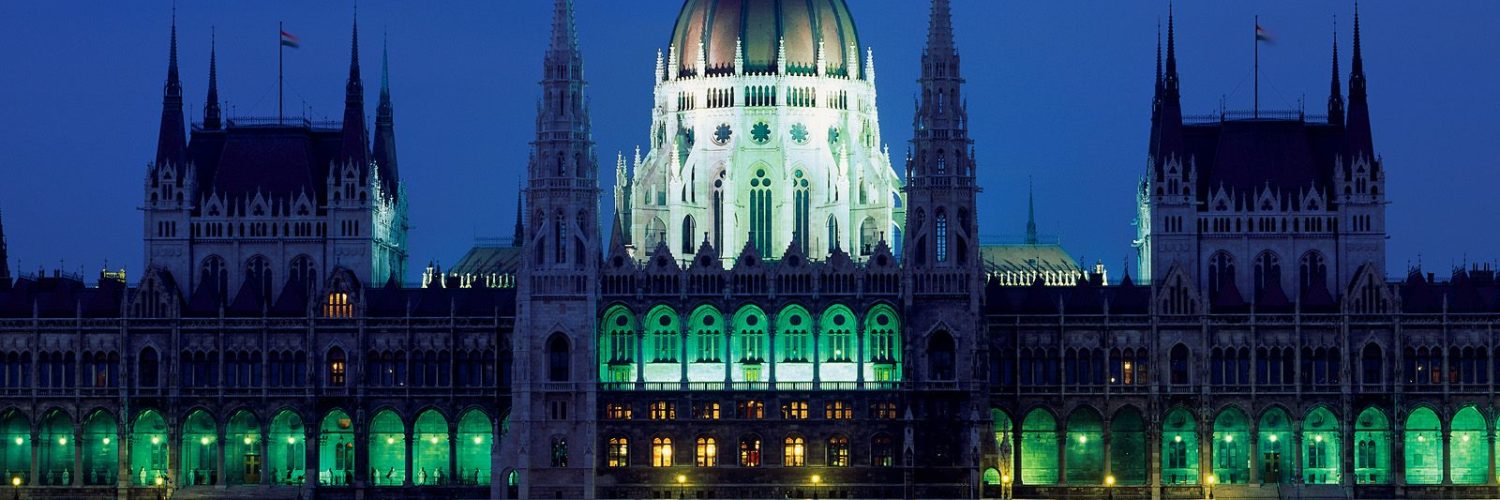
The Parliament cannot be entered without a tour, full stop. Every ticket includes a guided or audio-guided visit, the standard tour is about 45 minutes, and there is a pricing detail that catches people out: as of 1 January 2026 the official price is 7,000 HUF for EEA citizens and 14,000 HUF for everyone else. If you are travelling on a British, American, Canadian, Australian or most other non-EEA passports, you pay double, and you cannot talk your way out of it at the desk. English-language slots between 10:00 and 15:30 routinely sell out two to four weeks ahead from April to October. Book it first and build the day around it.
Széchenyi and Gellért both sell out on weekends in high season and both have long queues even when they do not. The Hospital in the Rock runs on fixed-time guided tours only and has genuinely limited capacity. Danube evening cruises are worth pre-booking simply because the good time slots go.
Everything else — St Stephen’s Basilica, the Dohány Street Synagogue, the Museum of Fine Arts, Memento Park — you can generally handle on the day, though a timed ticket saves you standing outside in August.
The baths, honestly
This is the part of a Budapest trip most likely to go wrong, because the baths are sold as one experience and they are actually four or five very different ones.
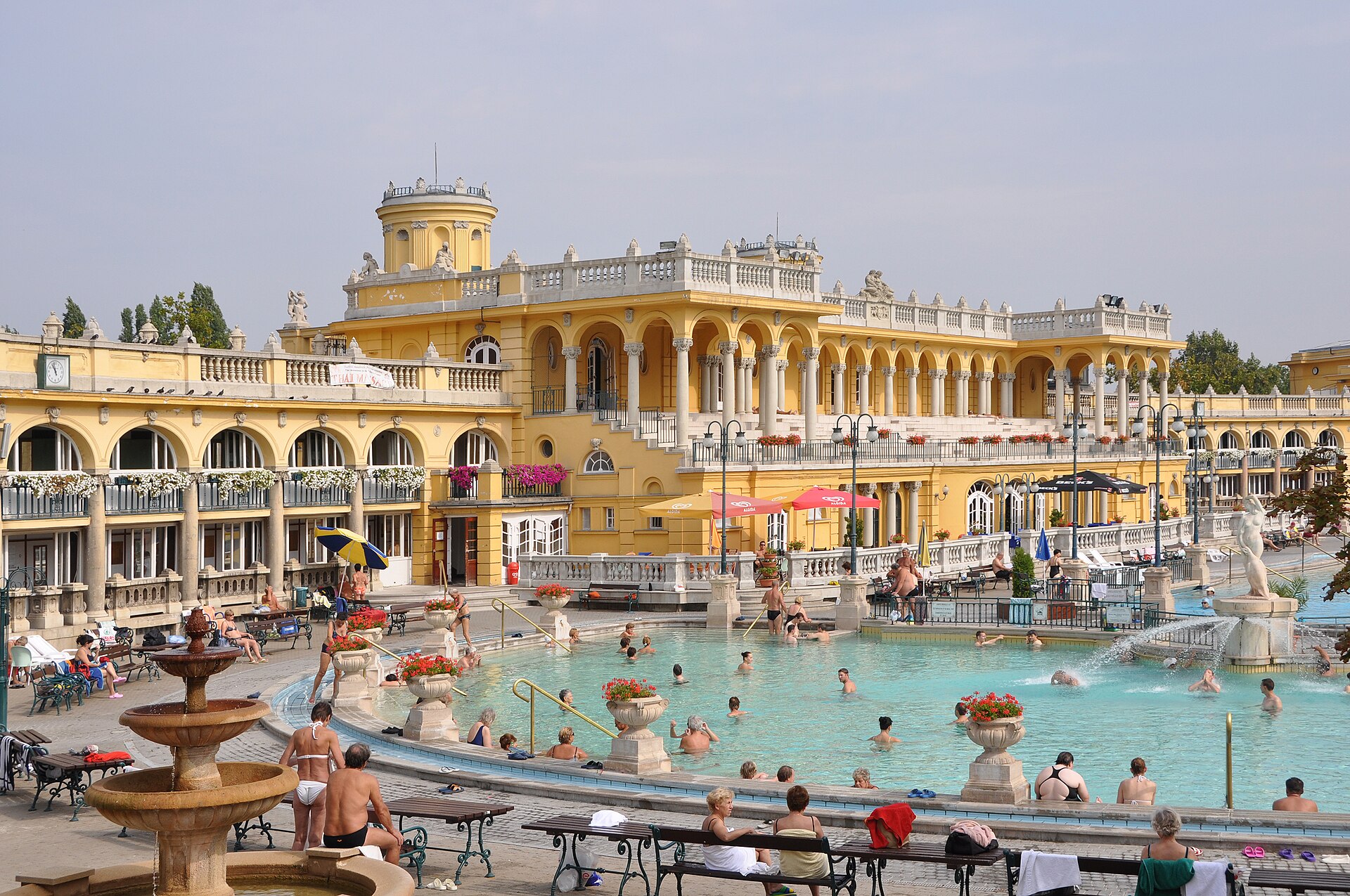
Széchenyi is the big one in City Park: the largest medicinal bath complex in Europe, yellow neo-baroque, three outdoor pools and fifteen indoor ones. On-site tickets run around 13,200 HUF on weekdays and 14,800 HUF at weekends with a locker; a cabin, which is a private changing room and the right choice if you have luggage, costs about 1,000 HUF more. Pre-booked skip-the-line tickets typically land in the €26–34 range. It is genuinely spectacular and genuinely crowded. Go at opening or after 19:00.
Gellért is the prettiest — art nouveau tiling, stained glass, a proper thermal hall — and the most photographed, which tells you what the queue is like. Rudas has the original Ottoman octagonal pool under a domed roof and a rooftop tub with a river view; check the schedule, because parts of it are still single-sex on certain weekdays. Lukács is where people who live here go, is cheaper, and has none of the atmosphere the other three are selling.
What is not worth the money: the “spa party” nights at Széchenyi, unless a nightclub in warm water is specifically what you came for. And the 20% Budapest Card discount at Széchenyi only pays for itself if you are also using the card for transport and museums.
What is free, and no worse
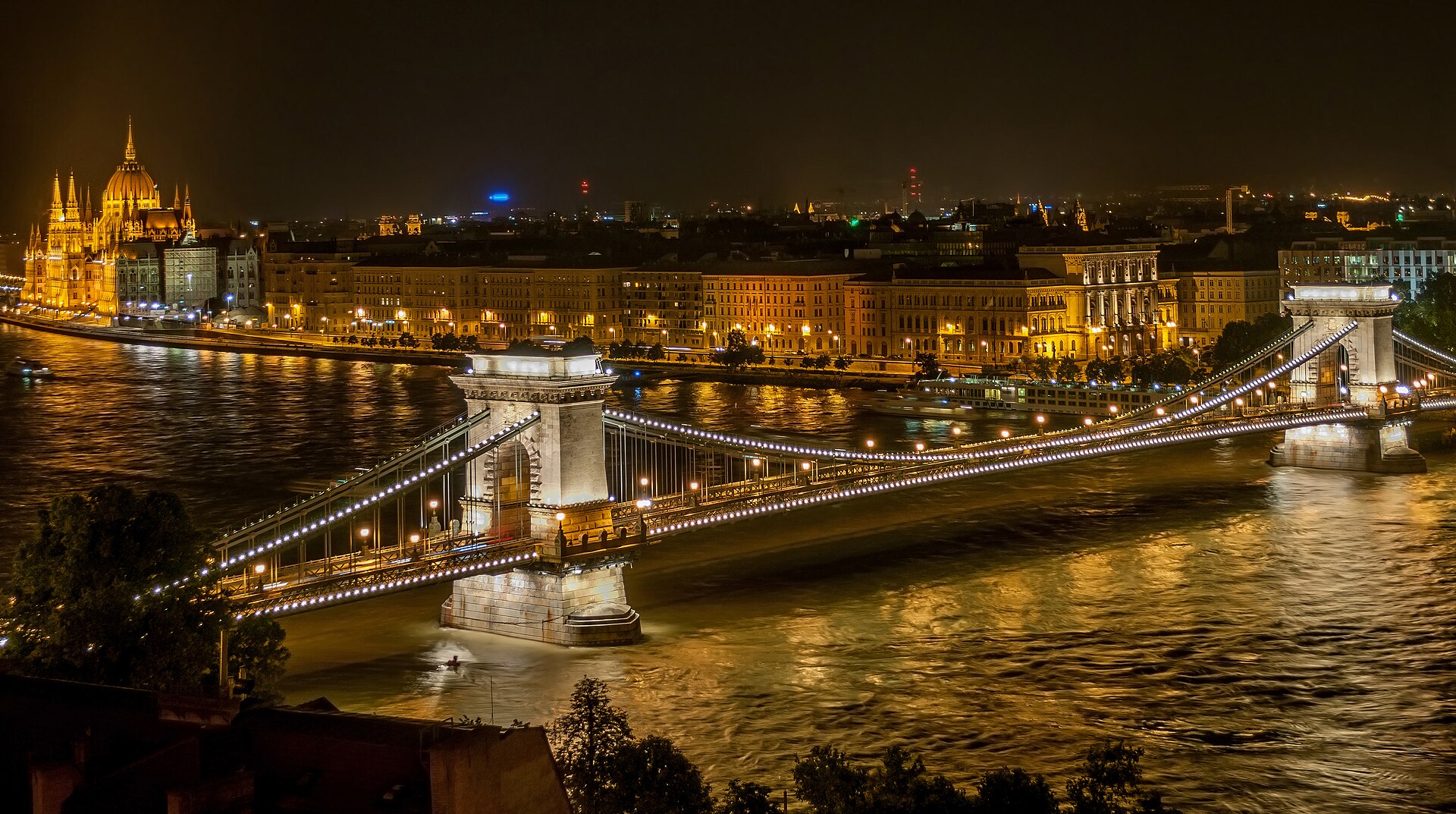
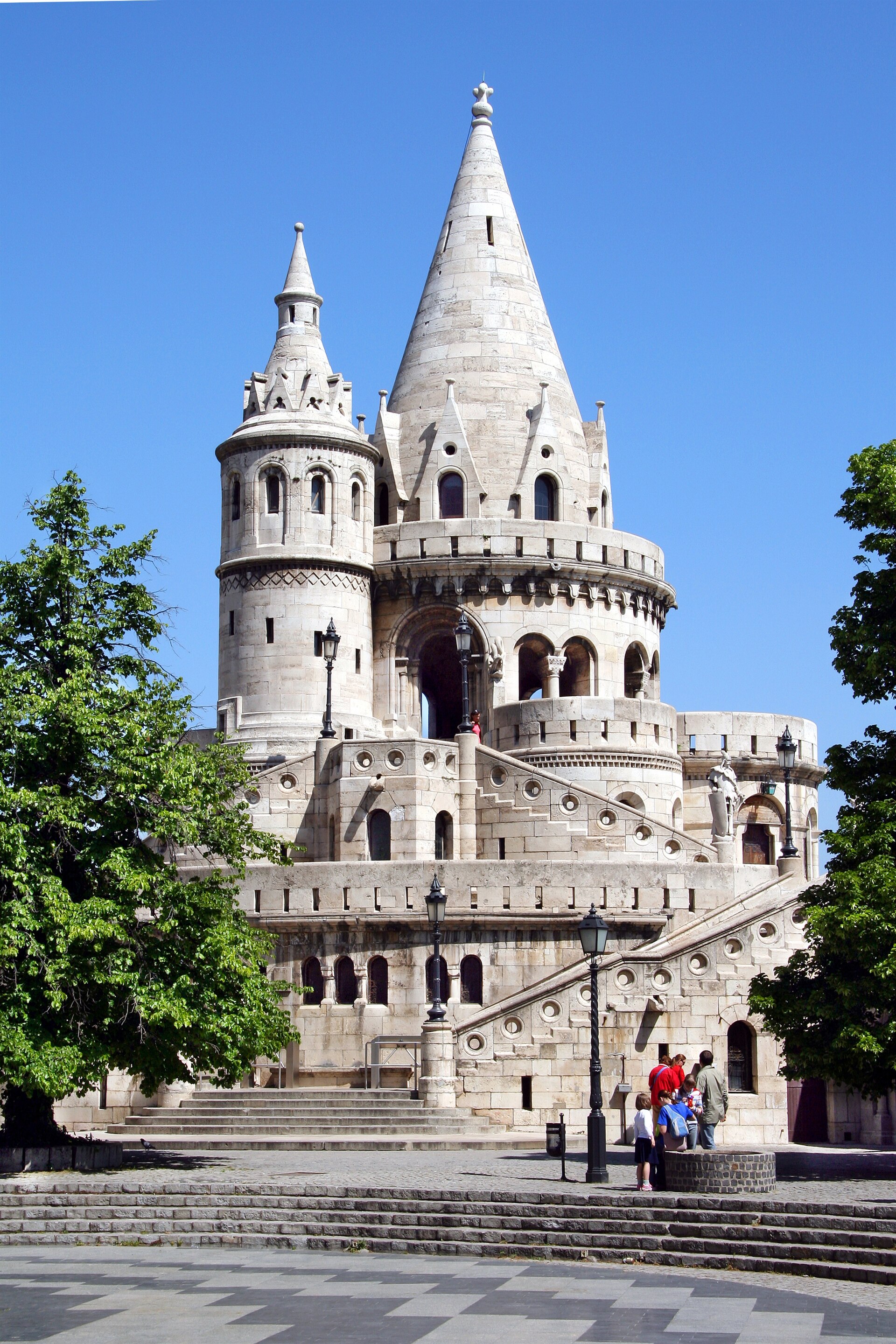
The best hour in Budapest costs nothing. Walk the Pest embankment from the Chain Bridge to the Parliament at dusk, cross to Buda, and climb to Fisherman’s Bastion. The lower terraces are free and always open; only the upper turret level is ticketed, and during the winter months even that is free. The view is the same from both.
Gellért Hill and the Citadella is a 30-minute climb for the single best panorama in the city, free, and best in the hour before sunset. Margaret Island, a car-free park in the middle of the Danube, is free and is where the city goes to run and lie in the grass. The Shoes on the Danube Bank memorial costs nothing and takes ten minutes; it commemorates Jews shot into the river by the Arrow Cross in 1944 and it deserves those ten minutes.
Metro Line 1 is worth a ride for its own sake. Opened in 1896, it is the oldest electrified underground railway on the European continent and a UNESCO World Heritage site, and the wooden-panelled stations under Andrássy út look like a museum you happen to be commuting through. It costs a single fare.
The districts, and what each one is for
Budapest numbers its districts in Roman numerals, and locals use the numbers constantly. Five matter to visitors.
District V (Belváros-Lipótváros) is the Pest core: Parliament, the Basilica, the river promenade, Vörösmarty tér. Central, safe, expensive, slightly sterile after dark. District VI (Terézváros) runs along Andrássy út from the Opera to Heroes’ Square — the elegant one, good restaurants, walkable to almost everything. District VII (Erzsébetváros) is the old Jewish quarter and the ruin bar district: the most interesting neighbourhood in the city and the loudest. District VIII (Józsefváros) is patchy; the half near the Palace Quarter is handsome and cheap, the half near Keleti station is not. District I (Várkerület) is Castle Hill in Buda: beautiful, quiet, and inconvenient in a way that only becomes obvious on day two.
A three-day route that respects the geography
Day one, Pest. Parliament tour in the morning at your booked slot. Walk south along the embankment past the Shoes memorial to the Chain Bridge. Lunch near the Basilica, climb the dome. Afternoon in the Jewish quarter: the Dohány Street Synagogue, the largest in Europe, then wander District VII. Evening in a ruin bar.
Day two, Buda and water. Cross early and go up Castle Hill by the funicular or on foot. Fisherman’s Bastion and Matthias Church, then down through the Víziváros back streets. Afternoon at Rudas or Gellért, both on the Buda side, both a short walk from the bridges. Sunset on Gellért Hill.
Day three, the north and the park. Metro M1 up Andrássy út to Heroes’ Square. Museum of Fine Arts or the Széchenyi baths, or both. Walk through City Park to Vajdahunyad Castle. If you have a fourth day, Óbuda and the Aquincum Roman ruins, or a day trip.
Eating, and the ruin bar question
Hungarian food is heavier and better than its reputation. Eat gulyás as the soup it actually is, not the stew that Anglophone menus pretend it is. Look for lángos at the markets, töltött káposzta in winter, and a proper Dobos torta in a café that has been there a century. The Great Market Hall is worth one visit for the building and the ground floor; the first-floor food stalls are a tourist tax.
Ruin bars started in District VII in 2002, when Szimpla Kert opened in a derelict building and left it derelict. Twenty-four years later Szimpla is still worth seeing and is also, on a Saturday, mostly other tourists. The smaller ones nearby are better after midnight.
One thing to know before you go: District VII is a residential district that voted on this. Organised pub crawls are treated as a nuisance by the local municipality, street noise after 22:00 is enforced, and shouting, drinking or playing music in the street can earn you a fine. Nobody minds you being in the bars. They mind you being loud outside their windows at 2am. Behave accordingly and you will have no trouble at all.
Getting around
Budapest has four metro lines, an extensive tram network and trolleybuses, all run by BKK. A single ticket is 500 HUF, a 24-hour Budapest travelcard is 2,500 HUF and a 72-hour travelcard is 5,500 HUF. Do the arithmetic before you buy: at 500 HUF a ride, the 24-hour card only wins if you take five or more journeys in a day, and Budapest’s centre is walkable enough that many visitors do not.
Validate paper tickets. Inspectors work the metro entrances and the busier tram stops, they are not sympathetic, and the fine is substantially more than the fare. Trams 4 and 6 run all night along the Grand Boulevard; tram 2 along the Pest embankment is one of the best-value sightseeing rides in Europe at the price of a single fare.
Where to sleep
The short version: stay in Pest, in District V, VI or VII, unless you have a specific reason not to. You will be walking distance from the majority of what you came for, on top of the metro, and you will not be waiting for a night bus up a hill.
District VI is the best all-round compromise — central, handsome, and one street back from the noise. District V is the safest choice if you want everything within ten minutes and do not mind paying for it. District VII is right if nightlife is the point and wrong if you are a light sleeper; ask for a courtyard-facing room. Castle Hill in District I is genuinely lovely and genuinely inconvenient, and it suits a second visit better than a first.
Prices swing hard around the summer, the Christmas markets and the Formula 1 weekend at the Hungaroring. Outside those, Budapest remains one of the better-value capitals in Europe.
Day trips worth the day
The Danube Bend — Szentendre, Visegrád, Esztergom — is the classic, and Szentendre alone is reachable by suburban HÉV train in 40 minutes. Lake Balaton is two hours by train and is a summer trip, not a year-round one. Eger, two hours east, has a castle, a baroque old town and the Szépasszony-völgy wine cellars. Vienna is two and a half hours by direct train and makes a very long but genuinely doable day.
You do not need a car for any of these; Hungarian trains go to all of them. A car only makes sense if you are combining Balaton with the smaller wine regions, or heading into the countryside where the buses run twice a day.
When to go
May, June and September are the best months: warm, long days, everything open, and the baths pleasant rather than punishing. July and August are hot, humid and crowded, and the outdoor pools become an endurance sport. October is underrated — the light on the river is exceptional and the prices drop.
Winter is the contrarian’s answer. Budapest between December and February is cold and often grey, but sitting in 38°C outdoor water while the air is below freezing is the single most memorable thing you can do here, and it only works in winter. The Christmas markets at Vörösmarty tér and the Basilica run through December and are better than most.
Practical notes
Hungary uses the forint, not the euro, and this matters. Shops and restaurants that accept euros give bad rates. Avoid Euronet ATMs and the dynamic currency conversion prompt that asks whether you would like to be charged in your home currency — always choose forints. Change money at a proper exchange office in District V rather than at the airport.
Never hail a taxi off the street. Use Bolt or the Főtaxi app. Tipping is around 10% and is often already added as a service charge, so check the bill before you tip twice. Tap water is safe and good. The emergency number is 112.
Budapest is a safe city by European standards. The realistic risks are pickpocketing on the busy trams and around Váci utca, taxi overcharging, and the long-running scam in which a friendly local invites you to a bar and the bill arrives at several hundred euros. If someone approaches you on the street and suggests a specific bar, the answer is no.
Further reading
If you are combining Budapest with the rest of Central Europe, our guides to things to do in Vienna and things to do in Prague cover the two cities most often paired with it. For the wider region, see our notes on booking European trains, and for a very different kind of European capital, things to do in Istanbul.
Read next: Is Kraków Still Europe’s Best-Value City Break? A 2026 Price Check