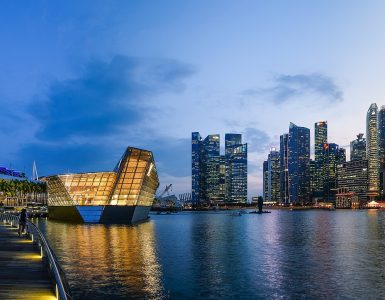
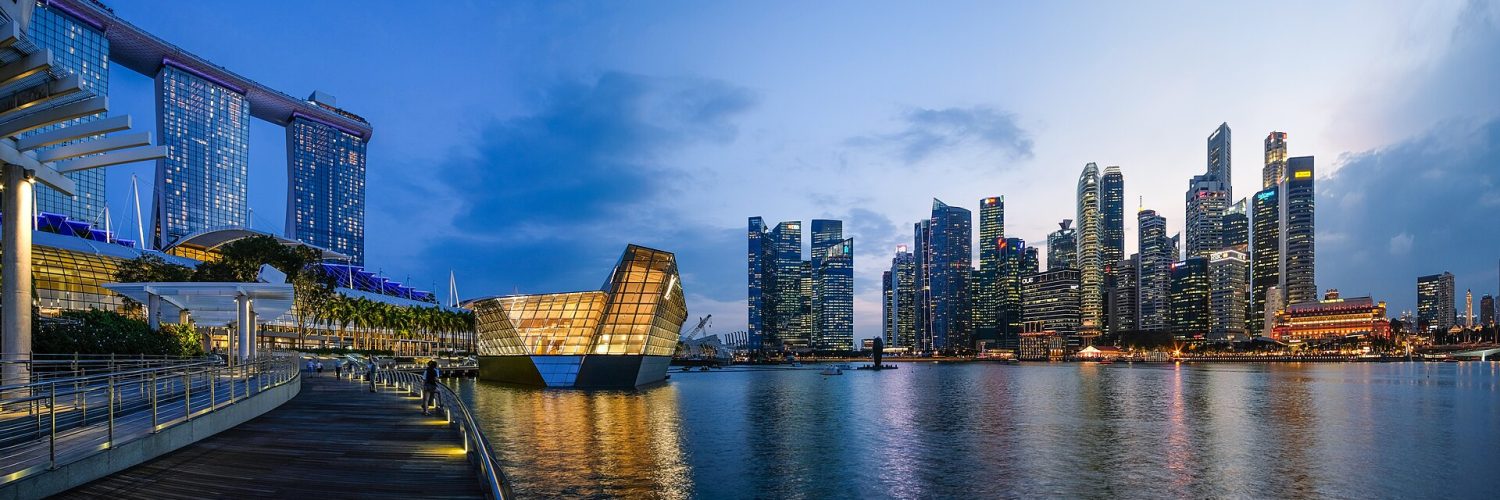
Singapore has a reputation as an expensive city, and the reputation is half right. A single ticket to one of its headline attractions costs more than a good meal for four people at a hawker centre a ten-minute train ride away. That gap — not the overall price level — is the thing to plan around. The city’s paid attractions are polished, air-conditioned and priced like theme parks. Its free ones are among the best in Asia. Getting the balance right is most of what separates a good four days here from an expensive, slightly sterile one.
This guide is organised around that decision: what genuinely earns its ticket price, what to skip, what costs nothing, and how to move between them without melting.
Why Singapore looks the way it does
Singapore became independent in 1965, unwillingly, after being expelled from the Federation of Malaysia. It had no natural resources, no hinterland and no fresh water supply of its own. Almost everything you see is a response to that: the container port, the aggressive land reclamation (the island is roughly a quarter larger than it was at independence — Marina Bay is built entirely on reclaimed land), the public housing estates that today hold around eight in ten residents, and the “garden city” policy that started as a deliberate campaign in 1967 and is why a modern financial district is draped in vegetation.
This matters for visitors in a practical way. There is no medieval old town to wander into. The historic quarters — Chinatown, Little India, Kampong Glam, Katong — are compact and separated by modern city, so you travel between set pieces rather than drifting. Plan in blocks, not in strolls.
Arriving: Changi to the city
Changi is consistently rated among the world’s best airports and is worth arriving early for on the way out, not just passing through. The MRT runs from Changi Airport station and requires one change at Tanah Merah; reckon on about 35 minutes to City Hall and a fare in the region of S$2 with a stored-value card, slightly more with a single-trip ticket. It is the cheapest option by a wide margin, but the trains do not run through the night and luggage on a rush-hour carriage is unpleasant.
A taxi or Grab to the Marina Bay area typically runs S$25–40 depending on time of day, with late-night and peak surcharges that are applied openly rather than hidden. A pre-booked private transfer costs more than a metered taxi but fixes the price and puts a driver at arrivals, which is worth something after a long-haul flight landing at 1am. We covered the trade-offs in detail in our guide to Singapore airport transfers.
One thing worth knowing: Jewel, the mall-and-garden complex attached to Terminal 1, is landside and open to anyone. If you have a long layover, or simply an evening free, you can visit without a boarding pass.
What to book ahead, and what it costs
Singapore is one of the few cities where advance booking genuinely saves money rather than just time. Attractions here are operated commercially and sold through resellers, so the walk-up counter price is usually the highest price available. Timed entry is common at the big three.
Rough 2026 pricing, worth re-checking before you commit because these move: the Flower Dome and Cloud Forest combination at Gardens by the Bay sits in the S$35–48 range for adults depending on where you buy; the Marina Bay Sands SkyPark observation deck starts around S$47; Universal Studios and the Singapore Zoo group are both firmly in theme-park territory. Multi-attraction passes exist and can make sense, but only if you will realistically use four or more attractions — most visitors do not.
What earns its ticket, and what does not
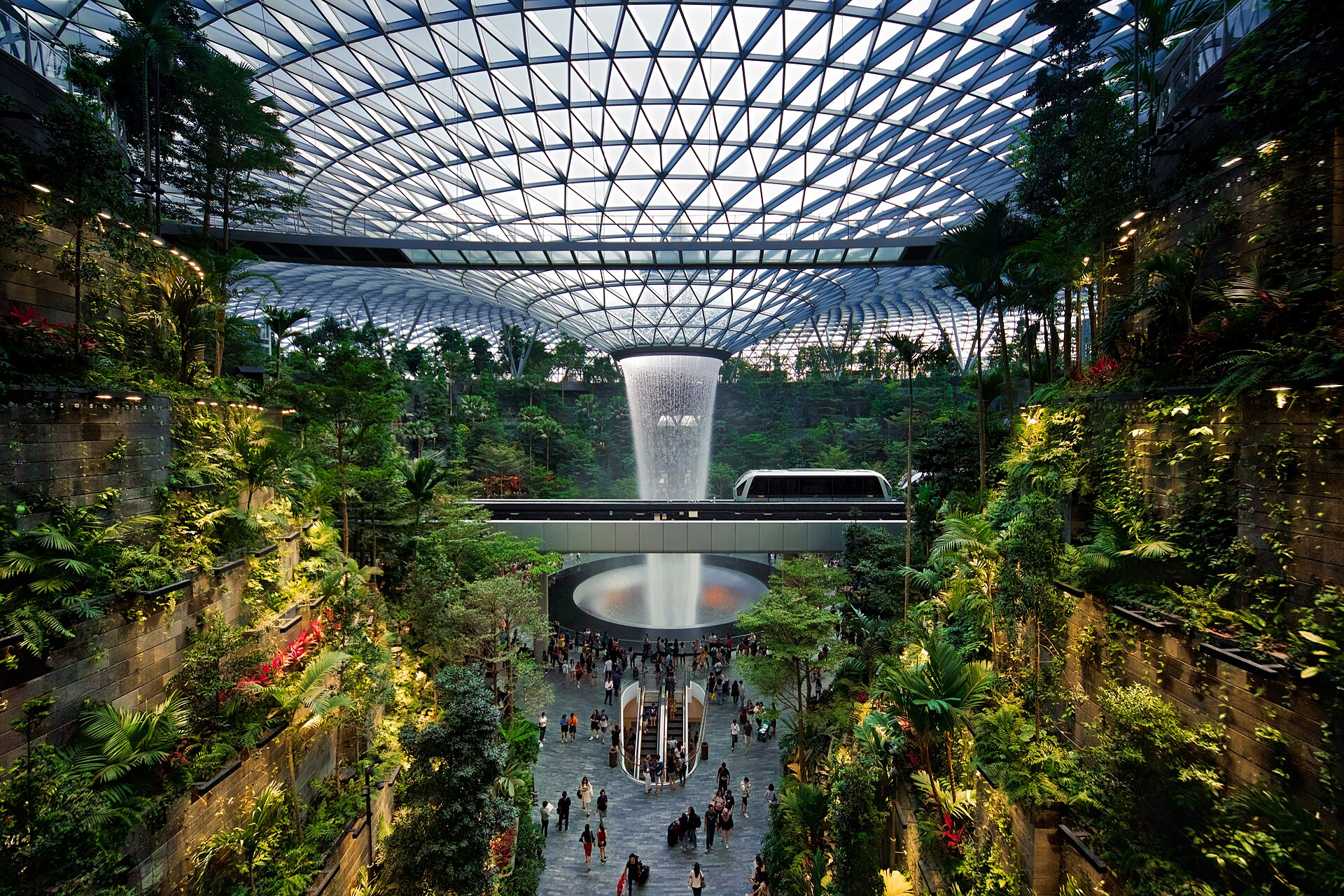
Worth it: the Cloud Forest. It is a genuinely unusual piece of engineering — a 35-metre indoor waterfall inside a cooled mountain — and it is the one paid attraction that has no free equivalent anywhere. The Night Safari, if you like zoos at all, is well run and the nocturnal premise is not a gimmick. The National Gallery is excellent and modestly priced by local standards.
Skip or downgrade: the Singapore Flyer is expensive for what it is and the view from the free rooftop bars is comparable. The Flower Dome is pleasant but it is a large greenhouse; if you are choosing one dome, choose Cloud Forest. Sentosa’s smaller attractions — wax museums, ropes courses, aquarium add-ons — are individually forgettable and add up fast. And the SkyPark deck at Marina Bay Sands costs roughly what a cocktail at the hotel’s bar costs, and the bar has the same view with a chair.
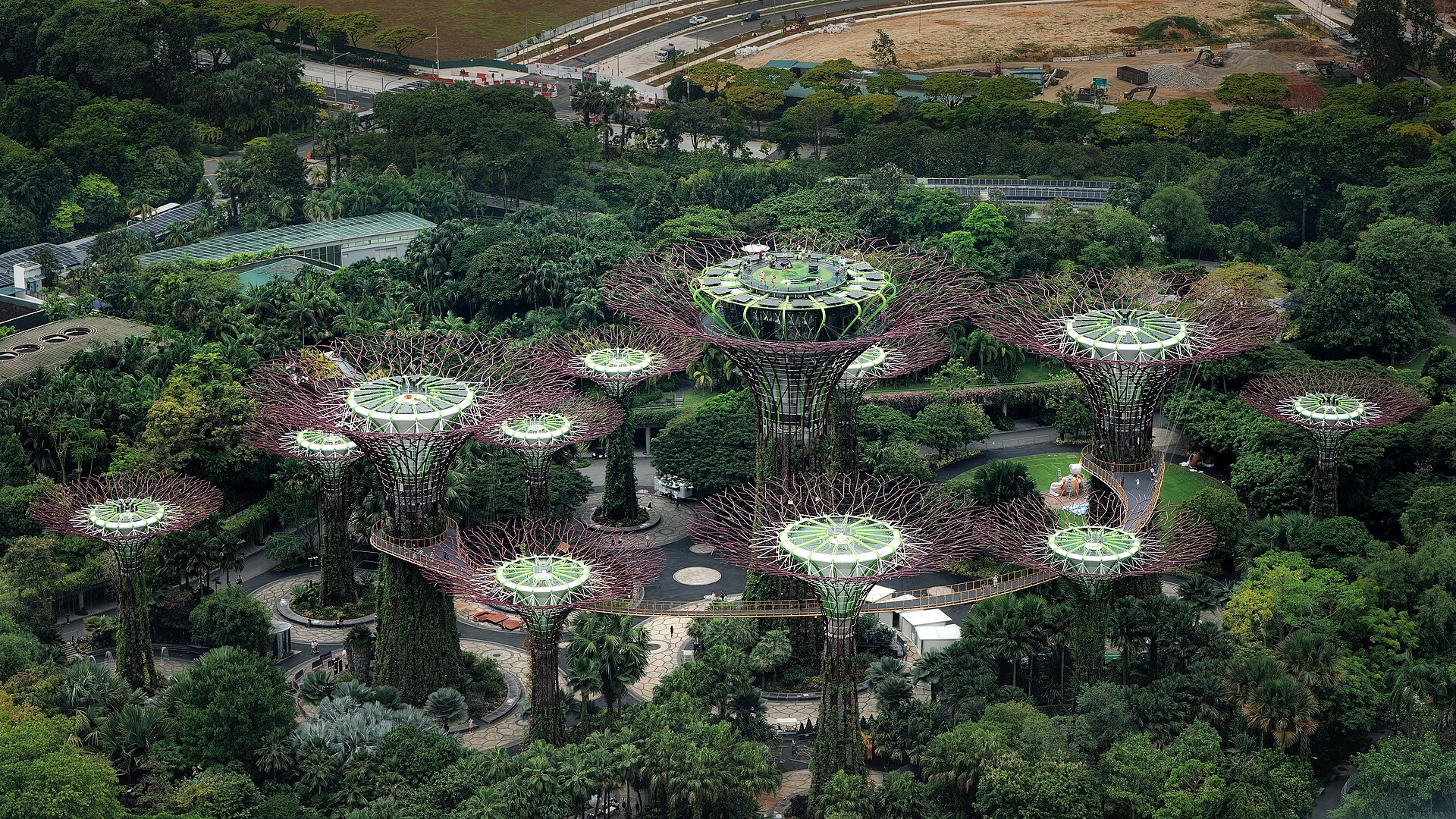
Be aware of over-tourism at Gardens by the Bay in the hour around the evening light show. If you want photographs of the Supertrees without crowds, go at opening or on a weekday morning.
What is free and no worse
- The Botanic Gardens. A UNESCO World Heritage Site, free to enter, and the equal of anything ticketed in the city. Only the National Orchid Garden inside it charges.
- The Supertree Grove and the outdoor gardens. The conservatories are ticketed; the grove, the waterfront and the evening Garden Rhapsody light show are not.
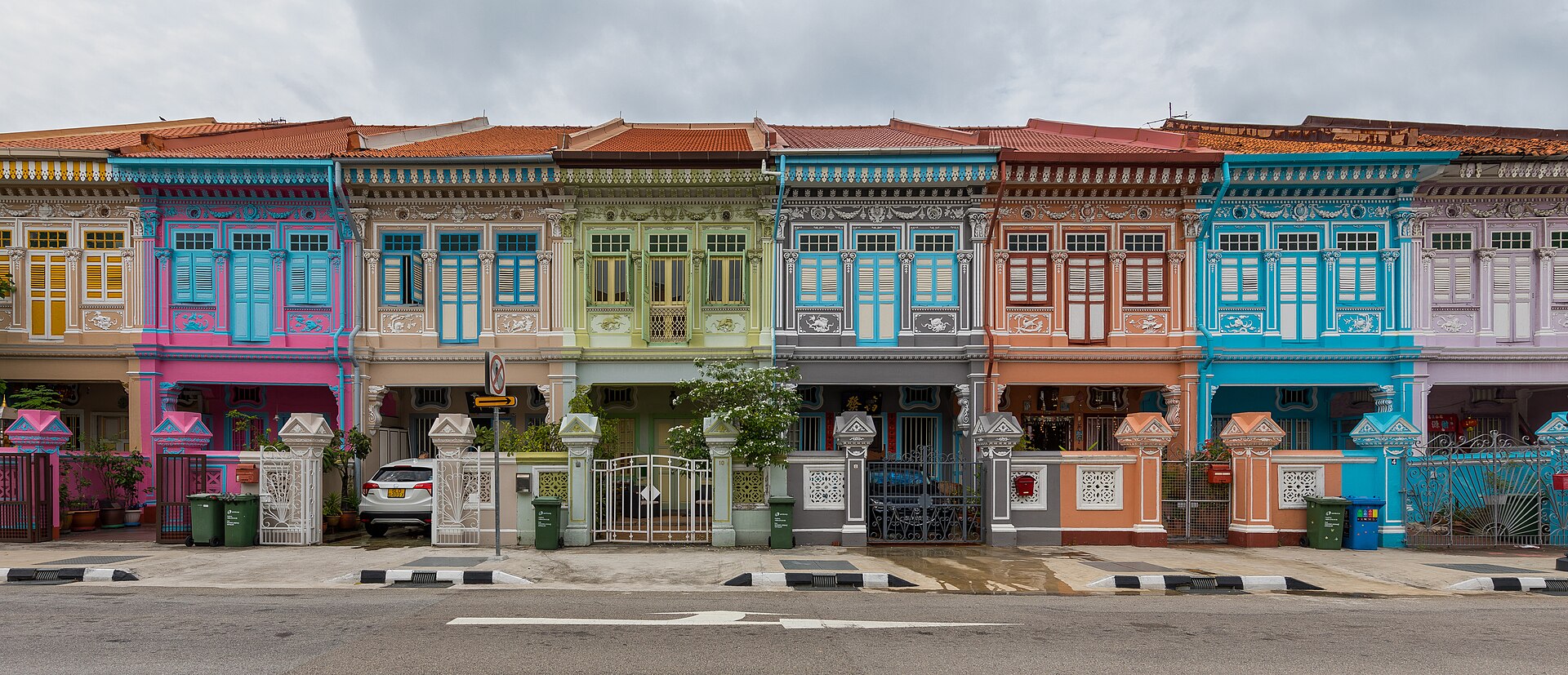
- Neighbourhood walking. Katong and Joo Chiat for Peranakan shophouses, Tiong Bahru for 1930s art deco housing and coffee, Kampong Glam for the Sultan Mosque and Haji Lane.
- Marina Barrage and the Southern Ridges. The Henderson Waves bridge walk gives you skyline and jungle in the same hour.
- Hawker centres. The single best thing about the city, and cheaper than cooking at home in most Western countries.
Neighbourhoods, and what each is for
Marina Bay is the postcard: skyline, museums, the two conservatories. It is where you go, not where you linger. Chinatown mixes temples and a heritage centre with a genuinely good hawker scene. Little India is the loudest and least sanitised part of the city and the most interesting for it; Tekka Centre is the anchor. Kampong Glam is the Malay-Arab quarter, now also the independent-shopping quarter. Katong and Joo Chiat, east of the centre, are where Peranakan culture is most visible and where the laksa argument is settled. Tiong Bahru is the low-rise, walkable counterexample to everything else. Sentosa is a resort island with beaches that are functional rather than beautiful — go for a specific attraction, not for the sand.
A four-day plan that works
Day 1 — Marina Bay and the centre. Start at the Botanic Gardens in the cool of the morning. Lunch at a hawker centre. Afternoon indoors at the National Gallery or the ArtScience Museum while the heat peaks. Evening at the Supertree Grove for Garden Rhapsody.
Day 2 — Chinatown, Tiong Bahru and Cloud Forest. Morning in Chinatown before the tour groups. Tiong Bahru for lunch and the market. Book Cloud Forest for mid-afternoon — it is cooled, which makes it the correct place to be at 3pm. Dinner in Chinatown.
Day 3 — the east. Katong and Joo Chiat in the morning, laksa for lunch, East Coast Park in the late afternoon when it cools. This is the day that feels least like a brochure.
Day 4 — Little India, Kampong Glam, and one big-ticket item. Mornings in both quarters, then either the Night Safari or an evening on the Southern Ridges depending on budget.
The recurring principle: outdoors early and late, indoors and air-conditioned between roughly 1pm and 4pm. Afternoon thunderstorms are frequent year-round and arrive fast. Build the day so that a downpour changes nothing.
Eating: the part nobody regrets
Hawker centres are the reason to come. A plate of chicken rice, char kway teow, laksa or nasi lemak runs roughly S$4–8 in 2026, and the quality at a good stall beats most restaurants at ten times the price. Hawker culture was added to UNESCO’s intangible heritage list in 2020, which is unusual for street food and entirely deserved.
Practical rules: the long queue is the correct queue and locals are not being sentimental about it. “Chope-ing” — reserving a table with a packet of tissues — is real and respected. Many stalls are cash-only or QR-only despite the city’s reputation for contactless everything, so carry small notes. Stalls close early and many take a fixed rest day, so a specific stall on a specific evening is a gamble.
Where to go: Maxwell Food Centre and Chinatown Complex in Chinatown, Tekka Centre in Little India, Tiong Bahru Market, Old Airport Road in the east, and Lau Pa Sat in the financial district for the satay street that opens in the evening.
The one real expense is alcohol. Duty is heavy and a beer in a bar can cost more than an entire hawker dinner. If drinking matters to you, budget for it separately rather than being surprised nightly.
Getting around
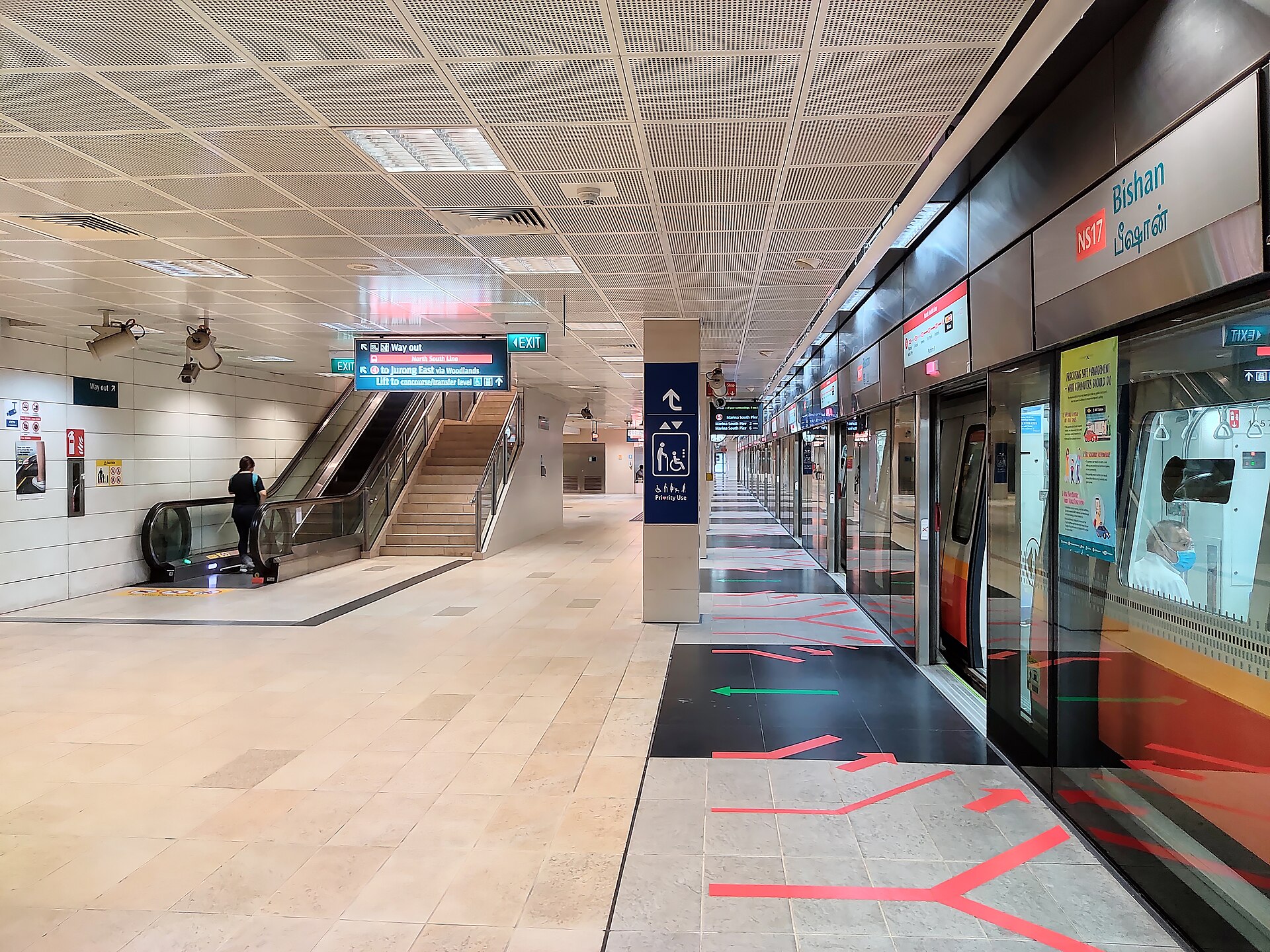
The MRT is clean, fast, comprehensive, fully air-conditioned and cheap — fares run roughly S$1.30–2.60 across the network. You do not need a tourist pass or a separate card: contactless bank cards and phone wallets are accepted directly at the gates through SimplyGo, and that is almost always the simplest option. Buses cover the gaps and use the same payment.
Taxis and Grab are reasonable by international standards and worth it in a downpour or late at night. Cycling is pleasant on the park connector network and unpleasant anywhere else. Renting a car is close to pointless: parking is expensive, the road pricing system charges you to enter busy areas at busy times, and the public transport is better than driving. If you are combining Singapore with a road trip up the Malaysian peninsula, that is the only common reason to want a vehicle.
Where to stay
Marina Bay and the CBD put you next to the sights but empty out at night and cost the most. Chinatown and Bugis are the best all-round compromise: central, well connected, and surrounded by food after dark. Little India is the cheapest central option and the liveliest. Katong is the choice if you want a neighbourhood rather than a base, at the cost of a longer commute. Sentosa makes sense only if you are travelling with children who intend to use the island properly.
Rooms are small almost everywhere — this is a land-constrained island and hotel floorplans reflect it. Check the square-metre figure rather than the star rating. Our full breakdown by area is in where to stay in Singapore.
Day trips and what is nearby
Singapore is small enough that “day trip” usually means leaving the country. Johor Bahru, across the causeway in Malaysia, is an easy and much cheaper day out, though the border queues at weekends and on public holidays are genuinely bad — go early on a weekday or not at all. Bintan and Batam in Indonesia are reachable by ferry in under an hour and are mainly beach-resort destinations.
For a longer onward leg, Kuala Lumpur is about four and a half hours by coach or a short flight; our guide to things to do in Kuala Lumpur pairs naturally with a few days here. Bangkok is the other obvious pairing and a very different city in almost every respect.
When to go
Singapore sits just over one degree north of the equator, so there is no seasonal temperature variation worth planning around: it is roughly 26–32°C every day of the year with high humidity. What changes is rainfall. The northeast monsoon from roughly December to early March brings the wettest and slightly cooler weather; February to April is generally the driest stretch. Even in the dry months, expect an afternoon thunderstorm most days — they are intense and usually short.
Avoid the Formula 1 weekend in late September unless you are coming for it, when hotel rates roughly double and the centre is fenced off. Chinese New Year is spectacular in Chinatown but many hawker stalls close for several days, which materially affects how you eat.
Practical notes
- Arrival card. Almost all visitors must submit the electronic SG Arrival Card before entry — it is free, it opens three days before arrival, and third-party sites charging for it are not official.
- Tap water is safe to drink everywhere.
- Tipping is not expected. Restaurants add a service charge and GST; hawker stalls add nothing.
- The strict laws are real but mostly irrelevant to visitors behaving normally. The ones that actually catch people out: no eating or drinking on the MRT, no smoking outside designated areas, and jaywalking near a crossing.
- Drug offences carry the death penalty. This is not a formality and applies at the border. Do not carry anything for anyone.
- Chewing gum cannot be sold, but bringing a small personal quantity is not an issue.
- Power is UK-style three-pin, 230V.
- Dress for humidity, but bring one light layer — indoor air conditioning is set aggressively cold.
Further reading
- Where to stay in Singapore — neighbourhood-by-neighbourhood breakdown
- Singapore airport transfers — MRT, taxi and private transfer compared
- Things to do in Kuala Lumpur — the natural next stop
- Things to do in Bangkok — a useful contrast in pace and price