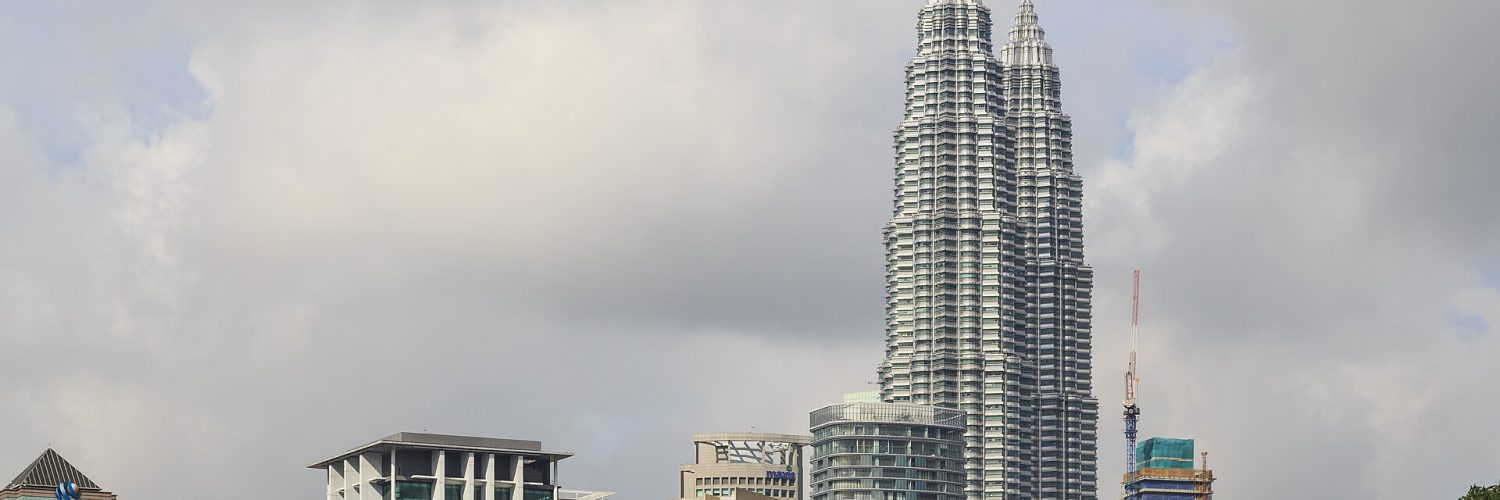
Most cities reward you for finding the centre and staying near it. Kuala Lumpur punishes you for looking. There is no old town to anchor yourself in, no cathedral square, no single street where the city concentrates itself. What KL has instead is roughly eight separate districts, each perfectly pleasant, separated from one another by six-lane roads with no pavement and no crossing. You can see the Petronas Towers from almost anywhere in the city and walk to them from almost nowhere.
This is not a flaw you can plan around with a good map. It is the single fact that determines whether your trip works, and it comes down to one decision made before you arrive: which rail line you sleep on. Get that right and KL is one of the cheapest, easiest, best-fed cities in Asia. Get it wrong and you will spend four days in traffic wondering why everyone else seems to like the place.
Why Kuala Lumpur is shaped like this
The name is the explanation. Kuala Lumpur means “muddy confluence” — the point where the Klang and Gombak rivers meet, which is exactly where a party of Chinese tin prospectors landed in 1857 looking for ore upstream. Most of them died of malaria within months. The ones who survived built a mining camp out of wood and palm thatch on the mud flat, and that camp is the entire origin of a city of nearly two million people.
A tin camp is not a town plan. It grew where the ore and the money were, and it kept burning down and flooding — badly enough in the 1880s that the British Resident ordered the whole thing rebuilt in brick. Then came rubber, then oil, then the palm-oil and finance boom of the 1990s that produced the Petronas Towers, and each wave built its own district somewhere else rather than densifying what already existed.
The result is a city assembled from about a century and a half of unrelated booms, connected by roads designed in the car-crazy 1970s and 80s. There was never a moment when anyone stood back and drew a centre. Understanding this stops you fighting the city: you are not visiting a place with a heart and suburbs, you are visiting a cluster of islands, and the trains are the boats.
Getting in from the airport, and the one number worth knowing
KLIA sits about 45 km south of the city, which is far enough that the transfer decision matters. There are three honest options.
KLIA Ekspres is the fast one: 28 minutes non-stop from KLIA Terminal 1 to KL Sentral, three more minutes if you are coming from Terminal 2, departures every 20 minutes from 05:00 to midnight. A single adult fare is RM55 and a return is RM100, with children 6–15 at RM25 single and under-6s free (maximum three per paying adult). Buying through the operator’s own app or website takes 10% off. If there are three or more of you travelling together, the Group Saver rate drops it to RM40 each, and a family package covering two adults and two children starts at RM120 one way — worth checking before you buy four singles at counter price.
One detail that catches people: the ticket is valid for 90 minutes from tap-in to tap-out. Linger past that and you pay the fare again.
A pre-booked private transfer makes sense if you land late, have heavy luggage, or are staying somewhere the train does not conveniently serve — which, given the geography above, is most of the city. KL Sentral is a transport interchange, not a destination, and the last leg from there to your hotel is exactly the kind of short, awkward, pavement-free hop that KL is bad at. A car to the door removes the worst part of the journey rather than the longest.
Grab, the regional ride-hailing app, is the third option and usually the cheapest for two people, but airport pickup involves a designated waiting bay and surge pricing at peak arrival banks. It is fine; it is just not always the bargain people expect.
If you are connecting onward to Penang, Langkawi or Borneo rather than staying, our guide to domestic flights in Malaysia covers which routes are worth flying and which are better done overland.
What you actually need to book ahead — and what it costs
KL is not a city with a long list of timed-entry attractions. Two things are worth pre-booking and the rest you can decide on the morning.
The Petronas Twin Towers are the one genuine bottleneck. The visit takes you to the Skybridge on level 41 and the observation deck on level 86, and the number of slots per day is limited. Official admission for non-Malaysians is RM98 for adults aged 13–60, RM50 for children aged 2–12 and for seniors 61 and over, and free below age 2. Malaysian MyKad holders pay RM35 and RM17. Opening hours are 09:00 to 21:00 Tuesday to Sunday with last admission at 20:30 — and note the towers are closed most Mondays, opening only on the second and fourth Monday of each month. More trips are wrecked by that Monday closure than by anything else in this article.
Merdeka 118 is the tall one you will notice and wonder about. At 678.9 m it is the second-tallest building in the world, finished on the outside and visible from everywhere — and as of now you still cannot go up it. The observation deck, The View at 118 on levels 115 and 116, has not opened to the public, with the current expectation being some point in the second half of 2026. Anyone quoting you a firm ticket price for it is guessing. Treat it as a thing to photograph, not a thing to visit, and check before you build a day around it.
Beyond those two, KL’s paid attractions — Aquaria KLCC, the Islamic Arts Museum, the Bird Park, KL Tower’s deck — rarely sell out, but buying ahead still saves you the ticket queue in genuinely unpleasant humidity.
What is free, and no worse for it
Batu Caves is the big one. The main Temple Cave, the 272 painted steps and the 43-metre gold statue of Lord Murugan at their foot cost nothing at all, and the site is open from around 06:00 to 21:00. The Ramayana Cave next door charges a small separate fee, in the region of RM5 to RM15 depending on when you ask. The Dark Cave conservation tour has been closed for years — plenty of guides still list it.
Two practical notes. The dress code covering shoulders and knees is enforced consistently, not selectively, and sarong hire at the entrance runs to roughly RM15 — bring your own covering and save it. And the macaques are not charming; they are practised thieves who target water bottles, sunglasses and phones held loosely at arm’s length.
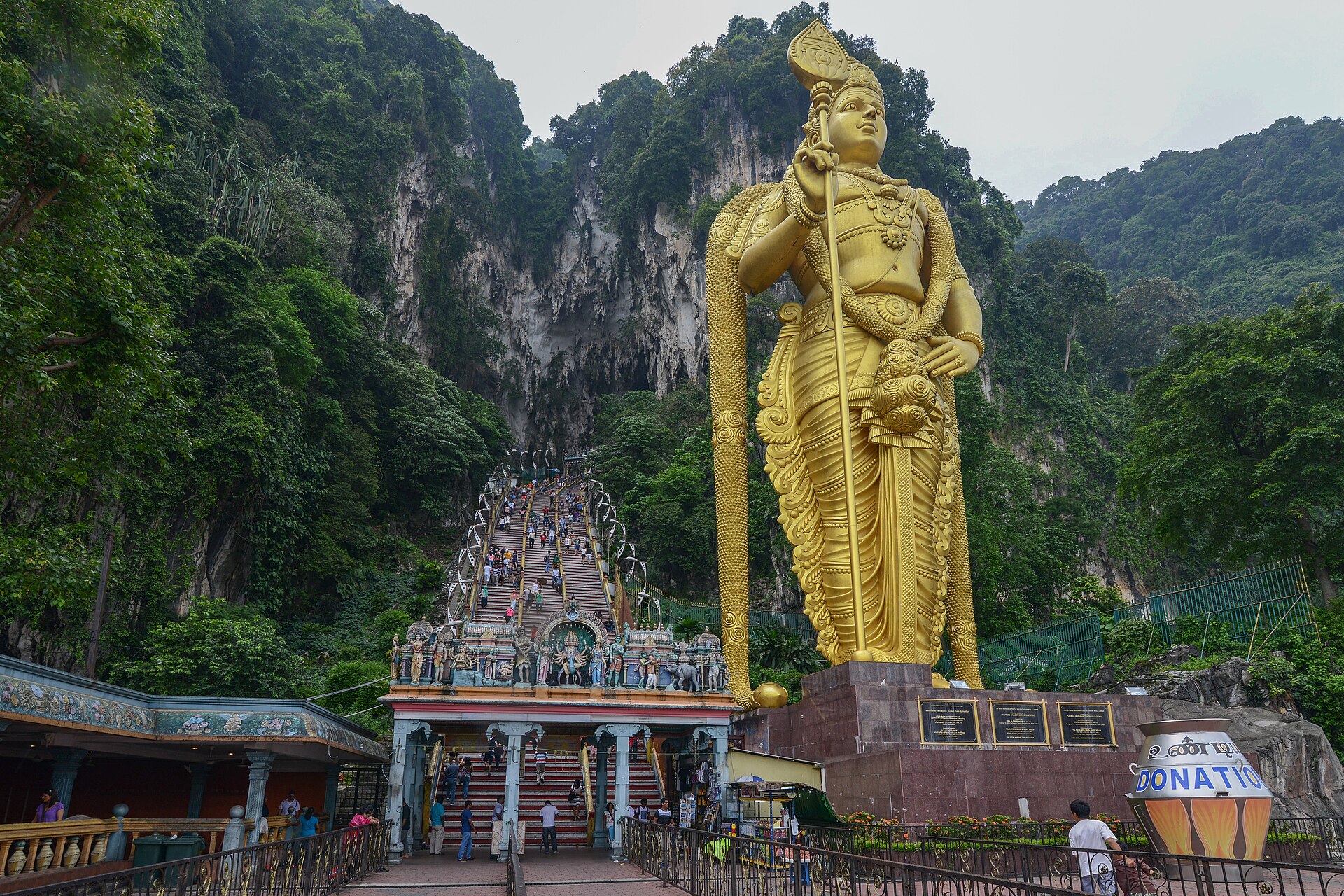
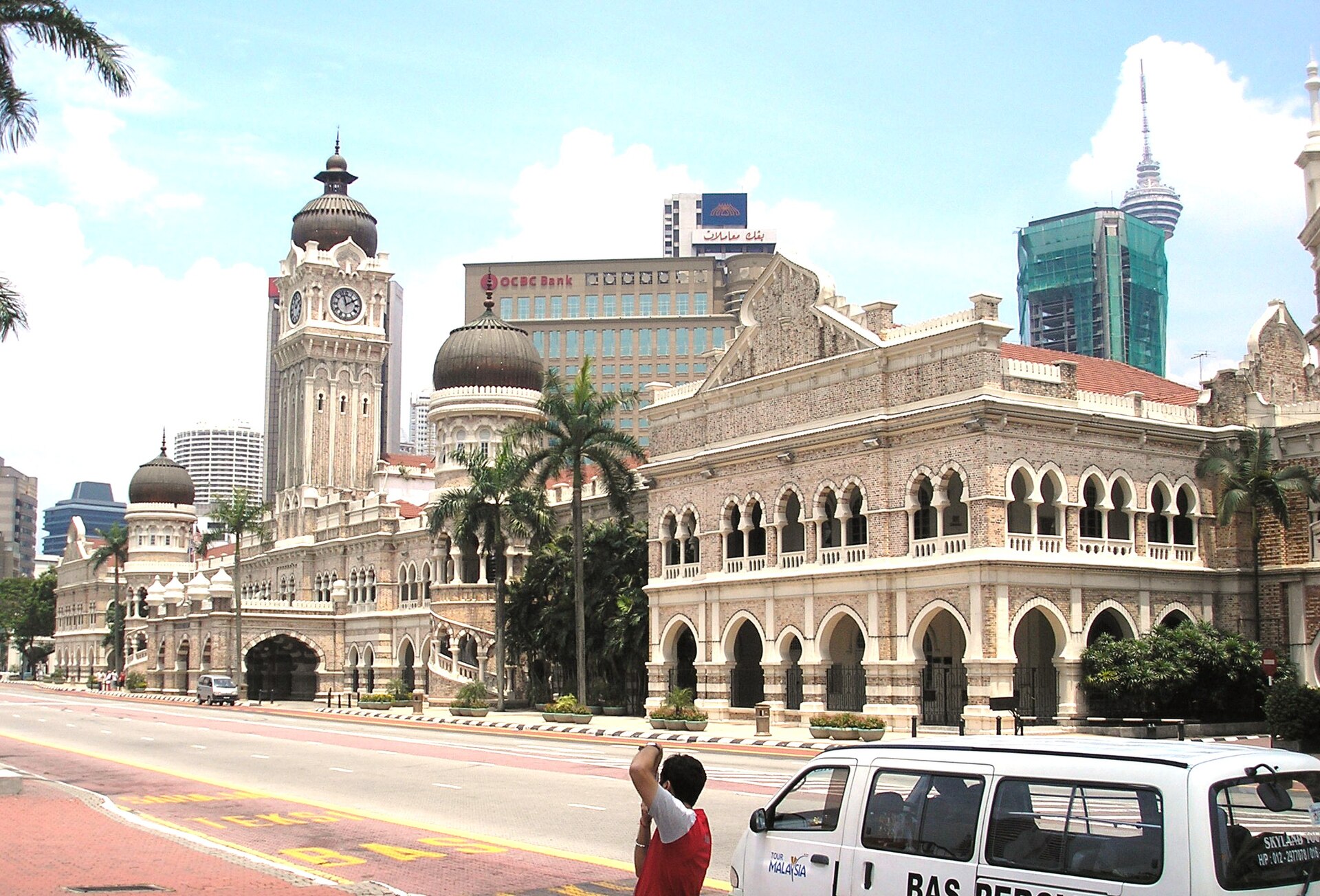
Also free and genuinely good: Merdeka Square and the Moorish-revival Sultan Abdul Samad Building around it; the KL Forest Eco Park, a surviving patch of primary rainforest in the middle of the city with a canopy walkway; Thean Hou Temple, a six-tiered Chinese temple on a hill with the best free view in the city; and the Perdana Botanical Gardens. Wandering Kampung Baru, the Malay village that somehow survived in the shadow of the towers, costs nothing and tells you more about the city than any museum.
The districts, and what each one is for
Bukit Bintang — shopping, nightlife, hotels, and Jalan Alor. Dense, walkable within itself, well served by monorail and MRT. This is where most first-time visitors should sleep.
KLCC — the Petronas Towers, the park beneath them, the upmarket malls. Polished and slightly sterile, connected to Bukit Bintang by an air-conditioned covered walkway that is one of the few genuinely good pieces of pedestrian infrastructure in the city.
Chinatown / Petaling Street — the oldest surviving fabric, cheap guesthouses, temples, coffee shops that have been open for eighty years. Also the most touristed street market in the country and priced accordingly.
Bangsar and Damansara — where residents actually eat and drink. Better food, better bars, more expensive, and poorly connected by rail. Great if you are staying a while, frustrating for four days.
KL Sentral / Brickfields — the transport hub and Little India. Convenient rather than lovely; a reasonable base if you are moving on quickly.
Kampung Baru — low-rise Malay houses, the best Malay food, and the most photographed skyline contrast in KL.
A four-day route that respects the geography
Day one — the KLCC island. Petronas in the morning on a pre-booked slot, KLCC Park afterwards, then the covered walkway to Bukit Bintang. Finish on Jalan Alor when the stalls open around 17:00. You have walked a lot and taken no transport at all, which is the point.
Day two — the old city. Merdeka Square, the Sultan Abdul Samad Building, Masjid Jamek at the actual river confluence, then Petaling Street and the Sri Mahamariamman temple. Add the Islamic Arts Museum in the afternoon — it is the best museum in the city and most people miss it. All of this is one contiguous walk plus one short LRT hop.
Day three — Batu Caves and Kampung Baru. Batu Caves early, before the heat and the tour buses; the KTM Komuter train from KL Sentral runs straight there and takes about half an hour. Back in the city by midday, then Kampung Baru in the late afternoon for Malay food and the skyline view.
Day four — out of town, or deeper in. Either take a day trip (see below) or spend the day in Bangsar eating properly and visiting Thean Hou Temple on the way.
Eating, which is the real reason to come
KL’s food is the product of the same history as its layout: Malay, Chinese and Indian kitchens that have been next door to each other for a hundred and fifty years and have thoroughly borrowed from one another.
The things to actually eat: nasi lemak, coconut rice with sambal, anchovies and egg, eaten for breakfast and sold everywhere; char kway teow, flat noodles fried hot enough to taste of the wok; banana leaf rice in Brickfields, where refills of rice and vegetables are unlimited and expected; roti canai with dhal at a mamak stall at any hour; satay, grilled to order; and durian in season, which you should try once and will then have opinions about.
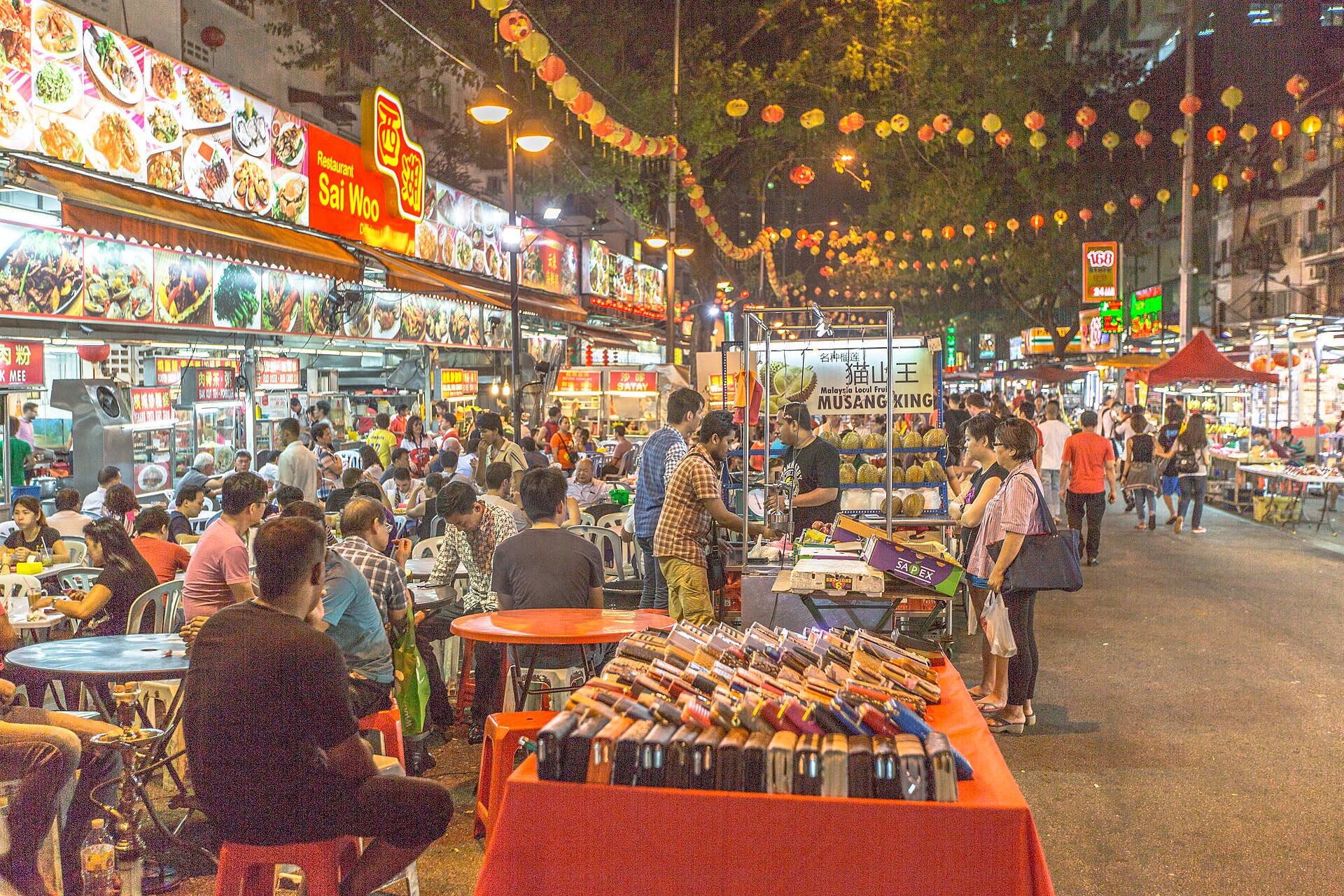
Jalan Alor is the famous street and it is genuinely good, if firmly aimed at visitors. For the version locals eat, go to a kopitiam in Chinatown for breakfast, or any mamak shop after 22:00. A full meal at either costs less than a coffee in most European capitals.
Getting around: the trains, and the pass that is probably a trap
The rail network — LRT, MRT, monorail, BRT and the KTM Komuter lines — is the reason KL works at all. Single fares run from about RM1.20 to RM6.20 depending on distance, and paying with a stored-value Touch ‘n Go card comes out roughly 10% cheaper than buying a token at the machine.
Now the part that most guides get wrong, because it changed this year. The old RM10 MyCity Pass for tourists was withdrawn on 1 January 2026. It has been replaced by the Rapid Kembara Pass, which costs RM25 for one day or RM55 for three days and is loaded onto a Touch ‘n Go card. The separate MY50 pass at RM50 a month is still the great bargain of Malaysian transport, but it requires a MyKad and is for Malaysians only — you cannot buy it, no matter what an older blog post tells you.
Do the arithmetic before you buy the Kembara pass. At RM25 a day you need roughly six or seven journeys to break even, and a well-planned KL day involves two or three. For most visitors, a plain Touch ‘n Go card topped up with RM30 will cover several days and cost less. The pass makes sense if you are deliberately criss-crossing the city, and not otherwise.
Where to sleep
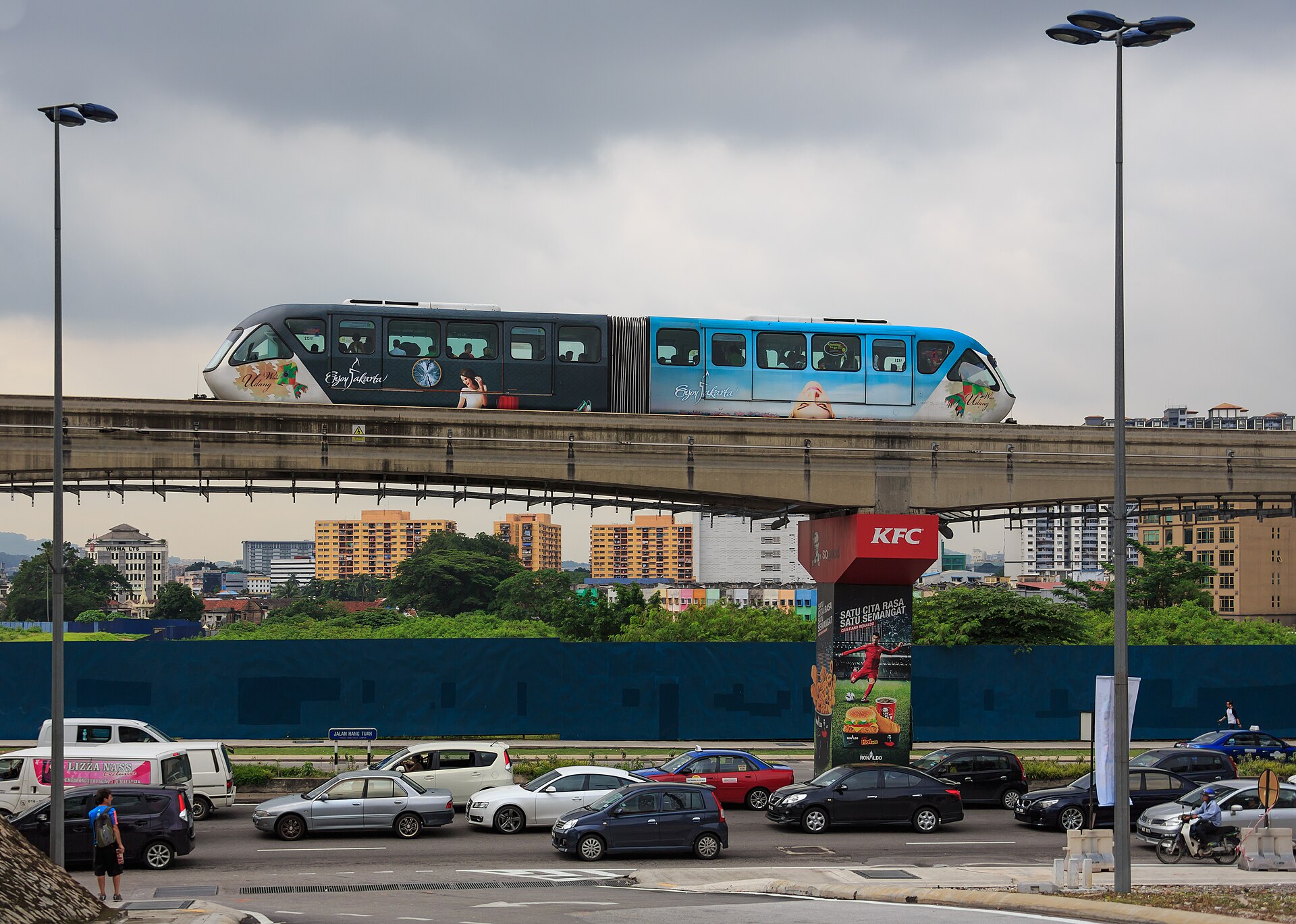
Everything above reduces to one rule: book within a five-minute walk of a monorail or MRT station, and treat that as a harder requirement than the neighbourhood name, the star rating or the pool. A four-star hotel 900 metres from a station is, in KL’s heat and pavement conditions, further away than a three-star hotel 200 metres from one.
Bukit Bintang is the safest choice for a first visit — it has the highest density of hotels at every price point and sits on both the monorail and the MRT. KLCC costs more for the same room. Chinatown is cheapest and has real character but thinner mid-range stock. Bangsar is lovely and badly connected.
KL is one of the cheapest major Asian cities for accommodation, and the gap between a budget room and a genuinely good four-star is smaller here than almost anywhere. It is one of the few cities where paying up slightly is straightforwardly worth it.
Day trips worth the effort
Batu Caves is barely a day trip — it is a half hour on the Komuter train and should simply be part of your stay. Genting Highlands, an hour north and 1,700 m up, is a strange casino-and-theme-park complex reached by cable car, and is worth it mainly for the temperature drop. Melaka, two hours south, is a UNESCO-listed Portuguese-Dutch-British port town and the best single day out from KL; it is also entirely doable by bus. Kuala Selangor for the synchronous fireflies at dusk is the one that people remember years later.
For Melaka and Kuala Selangor in particular, a car buys you the thing that public transport cannot: leaving when you want, and stopping on the way. Malaysian roads are good, signage is in Latin script, and driving is on the left.
When to go
KL sits two degrees north of the equator, so there is no season in the temperate sense — it is 31–33°C and humid every single day of the year, and the temperature at night barely drops. What varies is rain. The wettest months are roughly March–April and October–November, when afternoon thunderstorms are close to daily; they are heavy, dramatic and usually over within an hour, which is less disruptive than it sounds if you plan indoor things for late afternoon.
June to August is marginally drier. The haze season, caused by agricultural burning in the region, can affect air quality between roughly June and September in bad years — worth checking an air quality index before booking if you are sensitive.
The dates that matter more than the weather are the festivals. Thaipusam in January or February turns Batu Caves into a procession of over a million people and is extraordinary, but it is not a day for a casual visit. Hari Raya Aidilfitri at the end of Ramadan empties the city as people return to their home towns, closing a lot of restaurants. Chinese New Year does something similar to Chinatown.
Practical notes
- Money. The ringgit is cash-friendly at street level and card-friendly everywhere else. Hawker stalls want cash or a local e-wallet.
- Alcohol is legal but heavily taxed, which is why a beer can cost more than your dinner. Buy at a supermarket rather than a bar if it matters to you.
- Modesty is expected at mosques and Hindu temples: shoulders and knees covered, shoes off, and robes usually available at the door.
- Heat management is the real skill. Locals move between air-conditioned buildings and do outdoor things early or after dark. Copy them rather than powering through at midday.
- Tap water is treated but most residents filter or boil it. Bottled water is cheap.
- Grab replaces taxis almost entirely. Street taxis that refuse the meter still exist; the app removes the argument.
Further reading
- Domestic flights in Malaysia — onward routes to Penang, Langkawi and Borneo, and which ones are worth flying.
- Singapore airport transfers — for the obvious next stop down the peninsula.
- Things to do in Bangkok — the other great Southeast Asian food city, organised very differently.
- Scooter rental in Phuket — if the region has you thinking about two wheels.
- Choosing an eSIM for Southeast Asia — staying connected without roaming charges.