Most people who go to Japan never rent a car, and for most itineraries that is the right call. The Shinkansen makes Tokyo to Kyoto a two-and-a-quarter-hour problem, and driving in either city is an act of self-punishment. But the moment your plan includes a peninsula, an island, a national park or a village that the trains reach four times a day, the arithmetic flips completely, and it flips harder in Japan than almost anywhere else.
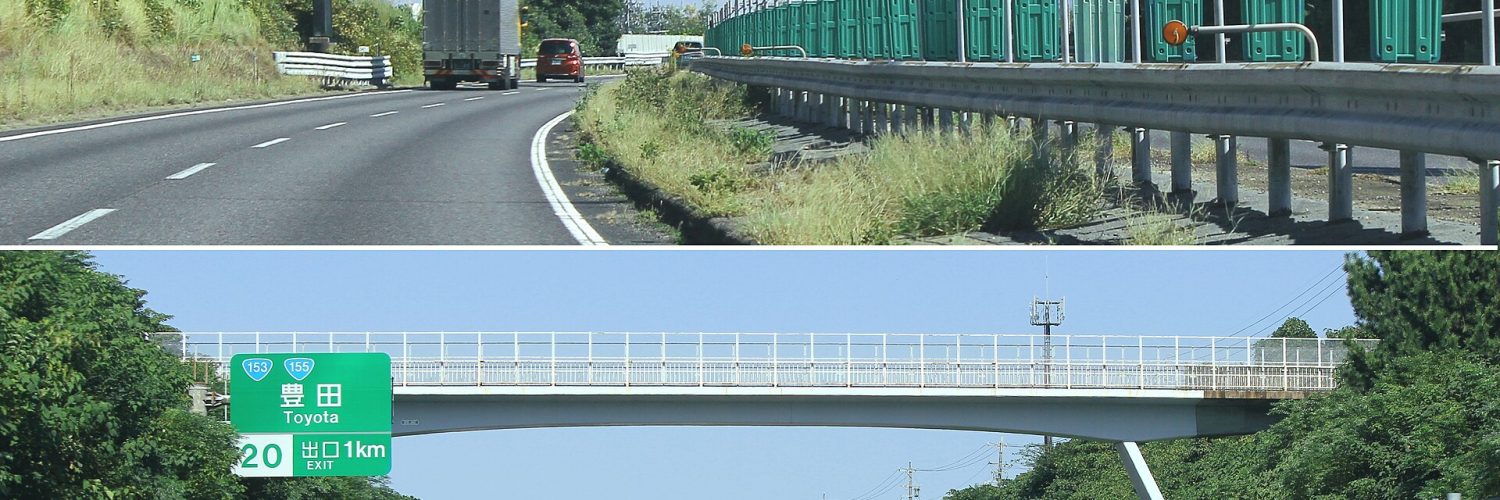
Here is the number that decides it: driving Tokyo to Kyoto costs roughly 8,000 to 15,000 yen in expressway tolls alone, before fuel, before the rental itself. That is the single most surprising thing about Japanese car travel to people arriving from Europe or North America. Tolls are not a rounding error here. They are frequently the largest line on the trip, and if you do not plan for them you will be unpleasantly surprised at the return desk.
The licence rule that turns people away at the counter
Japan recognises only International Driving Permits issued under the 1949 Geneva Convention. A permit issued under the 1968 Vienna Convention is not valid here, no matter what it says on the cover. Your IDP must carry the words “Geneva Convention on International Road Traffic of 19 September 1949”. Rental desks check, and they will refuse you.
There is an important exception. Drivers licensed in Switzerland, Germany, France, Belgium, Monaco and Taiwan do not use an IDP at all. They carry an official Japanese translation of their home licence instead, valid for up to a year from entry. If you hold one of those licences and turn up with an IDP, you have the wrong document.
Three more rules that catch people:
- The IDP is valid for one year from issue, and only while your home licence is also valid.
- You must carry your original home licence alongside the IDP or translation. The permit alone is not a licence.
- Digital or app-based permits are not accepted. It has to be the physical booklet.
Get the IDP before you fly. You cannot obtain one inside Japan against a foreign licence, and no amount of goodwill at the counter will fix it.
What it actually costs
Four separate costs, and only the first is the one people compare:
- The car. A kei car or compact typically starts around 6,000 to 8,000 yen a day, with larger vehicles and one-way drop-offs rising from there.
- Tolls. The big one. Budget 8,000 to 15,000 yen for a long inter-city run like Tokyo to Kyoto, and expect several thousand yen even for modest regional hops.
- Fuel. Around 165 to 170 yen a litre in mid-2026, so roughly 6,500 to 7,000 yen to cover 450 to 500 km in a normal compact.
- Parking. Almost free in the countryside, brutal in city centres. Tokyo and Kyoto hotel parking commonly runs 1,500 to 3,000 yen per night on top of the room.
Compare like for like before booking. The aggregator below pulls the Japanese suppliers plus the international brands into one list, which is the fastest way to see whether a kei car or a compact is genuinely cheaper for your dates and pick-up point:
ETC: the card that decides how much you pay
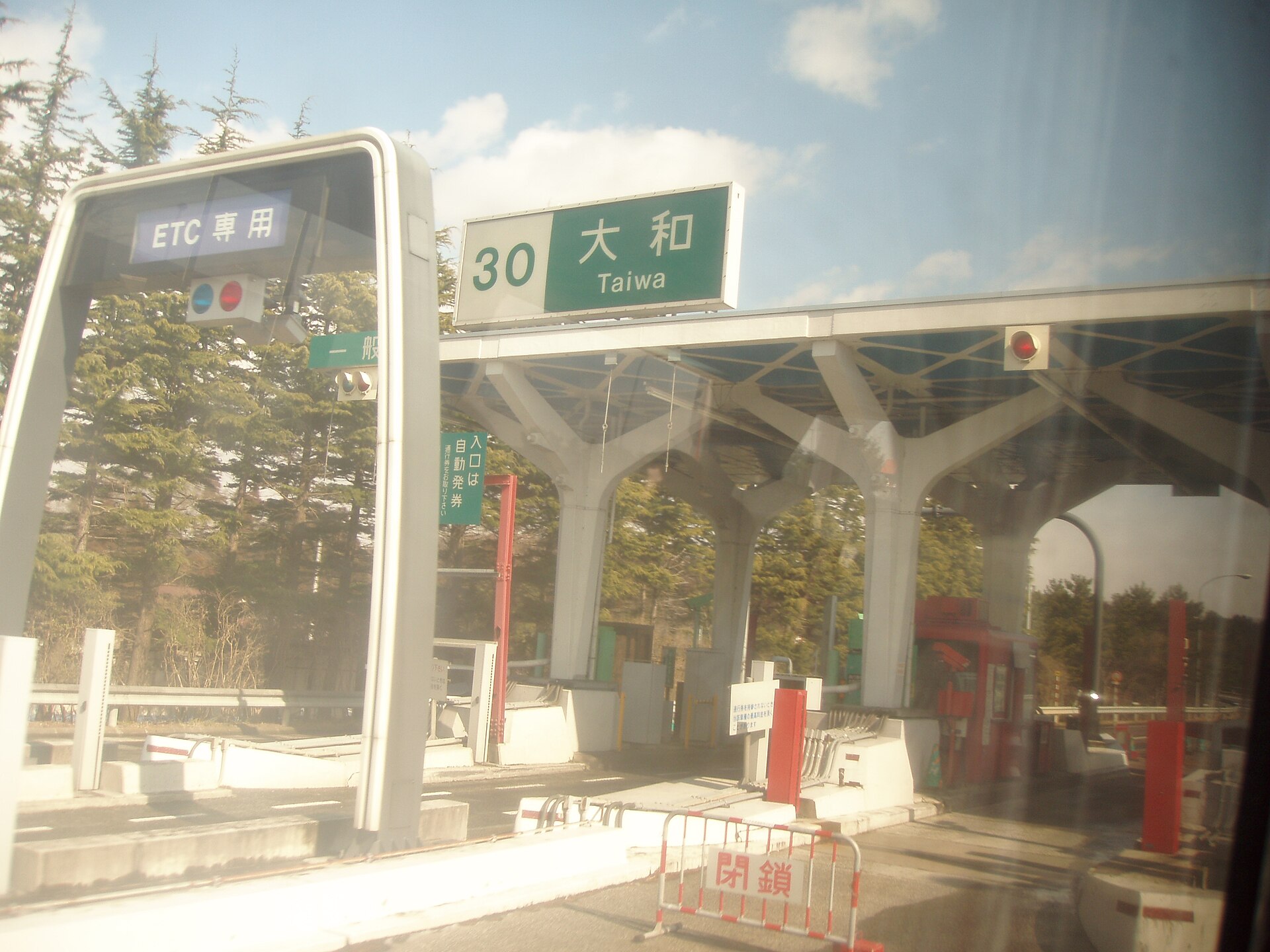
Japanese tolls are collected electronically through the ETC system. Rental companies rent you an ETC card, usually for a one-off fee of a few hundred yen, and the tolls are totted up and settled with your rental bill when you return the car.
Take the card. Three reasons:
- ETC lanes are cheaper. Discounts apply on ETC transactions that cash payers do not get, including off-peak and holiday reductions.
- Cash lanes are disappearing. Japan is progressively phasing cash tolls out, and the number of staffed lanes falls every year.
- Toll passes only work through ETC. The visitor expressway passes are issued as ETC cards. Without one you cannot use them.
On the passes: the Japan Expressway Pass offers unlimited use of designated expressways for a fixed price, sold in 7-day and 14-day versions in the region of 20,000 and 34,000 yen respectively, and there are regional equivalents including a Hokkaido pass. They are sold only to foreign visitors, only with a rental car, and only at participating outlets in the coverage area. Prices and coverage change, so check the current terms when you book rather than trusting any guide, including this one.
The honest test for whether a pass is worth it: add up the tolls for the route you actually intend to drive. If you are doing one long trunk-road run and then pottering locally, single tolls usually win. If you are covering several hundred kilometres of expressway on most days, the pass wins clearly.
Driving on the left, and the rest of the road rules
Japan drives on the left, with the driver on the right. If you have never done it, the two things that actually catch people are not the lane discipline, which comes quickly, but the wipers-instead-of-indicators reflex and judging the nearside of the car at narrow passing points. Give yourself an hour on quiet roads before you commit to anything technical.
- Speed limits are low by international standards. Ordinary roads are often 40 to 60 km/h, and expressways typically 80 to 100 km/h, with some newer sections raised to 120.
- Alcohol. Japan is effectively zero tolerance and the penalties are severe, including for passengers who knowingly rode with a drunk driver and for whoever supplied the alcohol. Do not have one beer with lunch.
- Stop lines. A full stop at a red-bordered stop sign means wheels stationary. Rolling through is a common and enthusiastically enforced offence.
- Level crossings. You must come to a complete stop at every railway crossing, every time, even with the barriers up.
- Child seats are mandatory for children under six. Reserve them with the car; supply is limited.
- Parking. Never leave a car on the street overnight. Japanese cities enforce parking rigidly and most residential streets have no legal on-street parking at all.
Where a car is worth it, and where it is a mistake
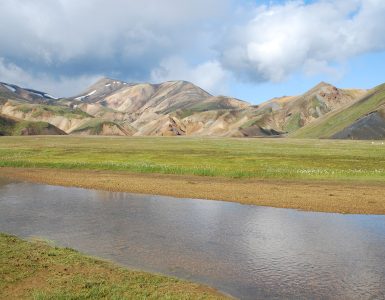
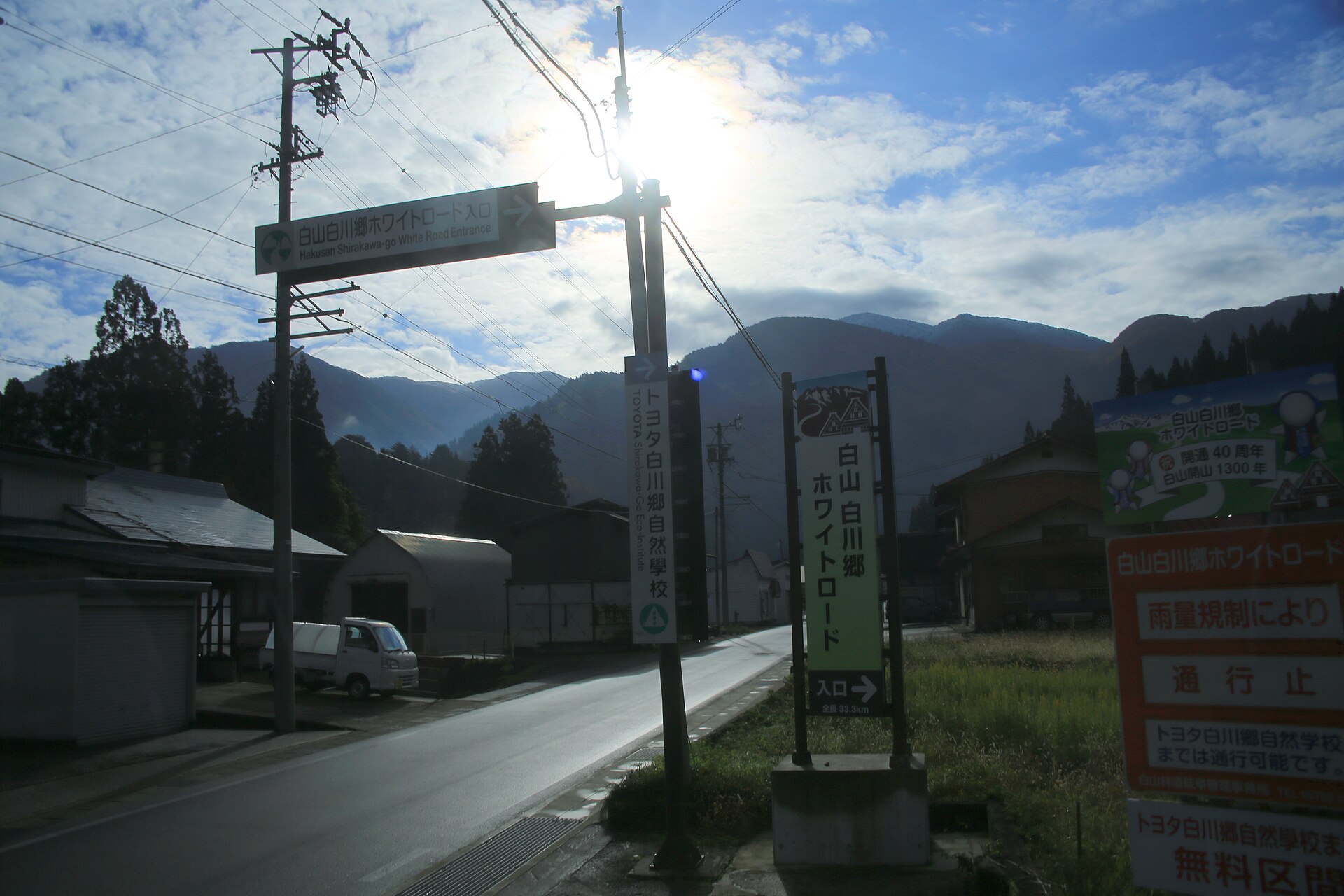
Rent a car for: Hokkaido, where distances are large and rail is thin. The Noto and Izu peninsulas. The Japan Alps and the Shirakawa-go region. Shikoku and the Seto Inland Sea islands. Kyushu’s volcanic interior around Aso and Kirishima. Rural Tohoku. In all of these the car is not a convenience, it is the difference between seeing the place and seeing the station.
Do not rent for: Tokyo, Osaka, Kyoto, Nagoya, Fukuoka or Sapporo city centres. Parking is expensive, traffic is dense, one-way systems are unforgiving, and every single thing you want to see is better reached by train or subway. The standard pattern that works is to arrive by rail, see the city without a car, then pick the car up at a station branch on the morning you leave for the countryside, and drop it at another station at the far end.
Because that hand-off only works if the first and last legs are sorted, book the airport leg separately rather than picking the car up at the terminal and immediately driving into a city you did not want to drive in:
Kei cars, and why the small one is often the right one
Japan has a distinct vehicle class, the kei car, capped at 660cc and to strict size limits. They are cheap to rent, cheap to fuel, taxed lightly, and above all they are narrow, which matters more than power on the roads you rented the car to drive. Rural Japanese lanes, mountain switchbacks and village streets were laid out for exactly these dimensions.
The trade-offs are real: kei cars are underpowered on long expressway climbs with four adults aboard, luggage space is genuinely small, and cabin noise at 100 km/h is tiring. Rule of thumb: two people with normal luggage doing mostly back roads, take the kei. Four people or a long expressway trunk route, pay for the compact.
Winter is a different sport
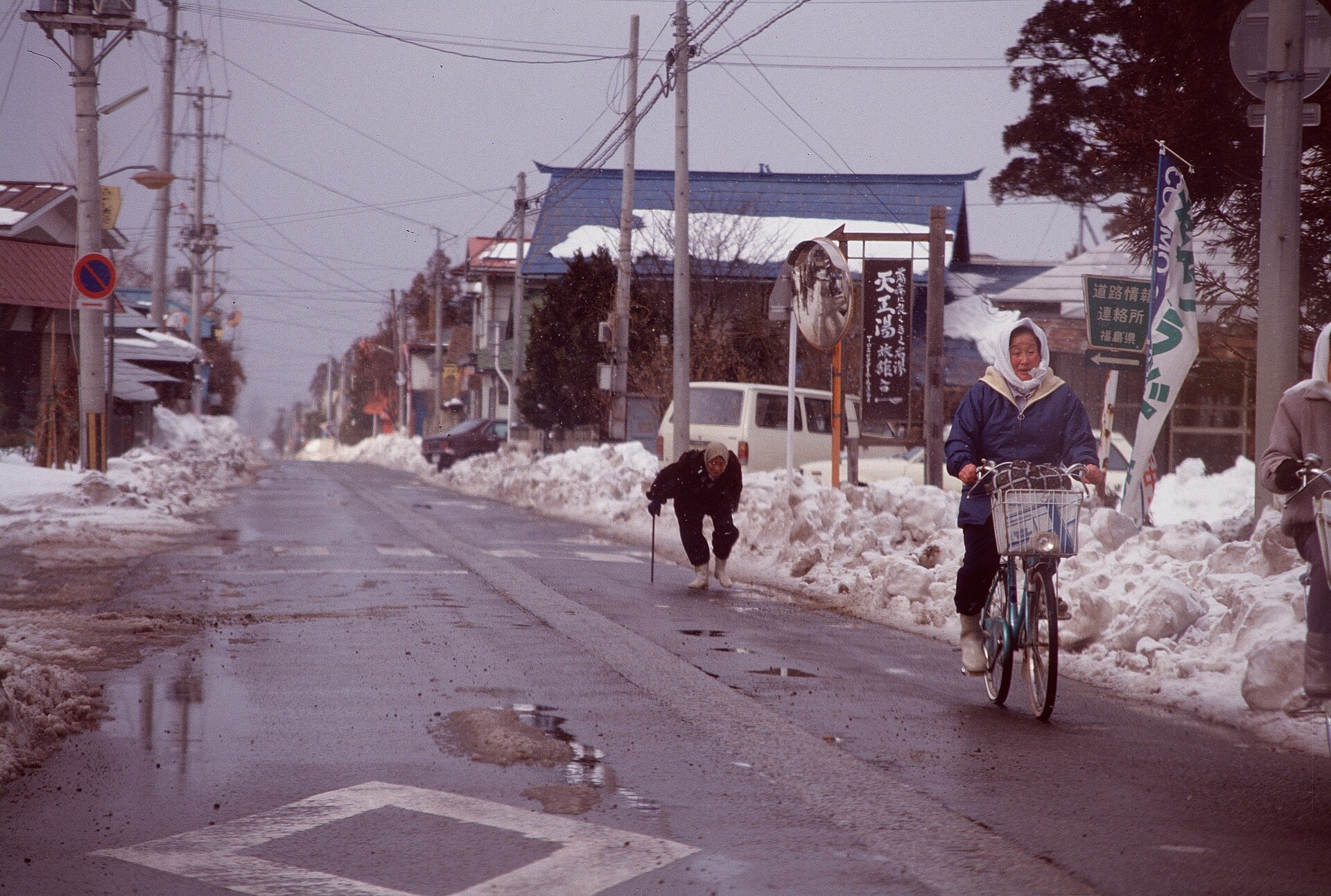
Hokkaido, Tohoku and the whole Sea of Japan side of Honshu get heavy, sustained snow from roughly December through March. Rentals in those regions fit winter tyres as standard in season, and you should confirm it rather than assume. Some mountain roads close entirely for the winter, including parts of the alpine routes, and they do not reopen because you have a booking.
If you have never driven on snow, do not learn in Hokkaido in January with a flight to catch. Either move the trip, or take the train and rent locally for short daylight runs.
Booking, insurance and the return
- Book in advance in season. Hokkaido in summer, anywhere in cherry blossom season and around Golden Week and Obon sell out, and last-minute rates are punitive.
- Read the excess. Japanese rentals typically carry a compensation charge, the NOC, payable if the car is damaged even when insurance covers the repair. It is usually 20,000 to 50,000 yen. There is normally a cheap daily waiver that removes it, and it is usually worth taking.
- Fuel policy is full to full, and staff will ask for the receipt. Stations are sparse in the mountains and many rural ones close in the evening, so refuel at half a tank rather than a quarter.
- Toll settlement happens at return, so leave more time at the desk than you would elsewhere.
Where to stay is worth deciding before the route rather than after, because rural Japan has far fewer beds than the cities and the good ryokan fill months out:
Further reading
Plan the rail half of the trip alongside the driving half: our guides to things to do in Tokyo and things to do in Kyoto cover the two cities you should not drive in, while Tokyo airport transfers and domestic flights in Japan handle the legs where neither train nor car is the answer. For where to base yourself, see where to stay in Osaka.