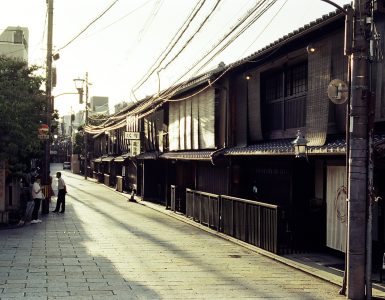
Kyoto is the only large Japanese city where you can work out where you are from the name of the street. Not roughly — exactly. That is not a charming quirk. It is the surviving skeleton of a city plan drawn in 794, and it is the most useful thing anyone can tell you before you arrive.
The second most useful thing: almost every temple in Kyoto closes at 16:30 or 17:00. Itineraries built around European opening hours fall apart here on the first afternoon.
Why Kyoto looks the way it does
In 794 the imperial court moved to a new capital called Heian-kyō and laid it out on the model of Chang’an, the Tang dynasty capital: a rectangular grid with numbered east–west avenues running from First Street in the north to Ninth Street in the south. Those names are still in daily use. Shijō is Fourth Avenue and it is the main shopping street. Sanjō is Third. Gojō is Fifth. If you are on Shijō and you want Sanjō, you walk north one avenue. That is the whole system.
Japanese addresses in Kyoto go further and tell you which way to move from a crossing — agaru means go up, meaning north, and sagaru means go down, meaning south. A Kyoto address is a set of directions rather than a number on a list.
The reason any of this is still legible is bleaker. Kyoto was on the shortlist of targets for the atomic bomb in 1945 and was removed from it, and it was largely spared conventional firebombing as well. Osaka, Nagoya and most of Tokyo were not. Kyoto is not better preserved because the Japanese cared more about it. It is better preserved because it was not burned.
Getting in from the airport
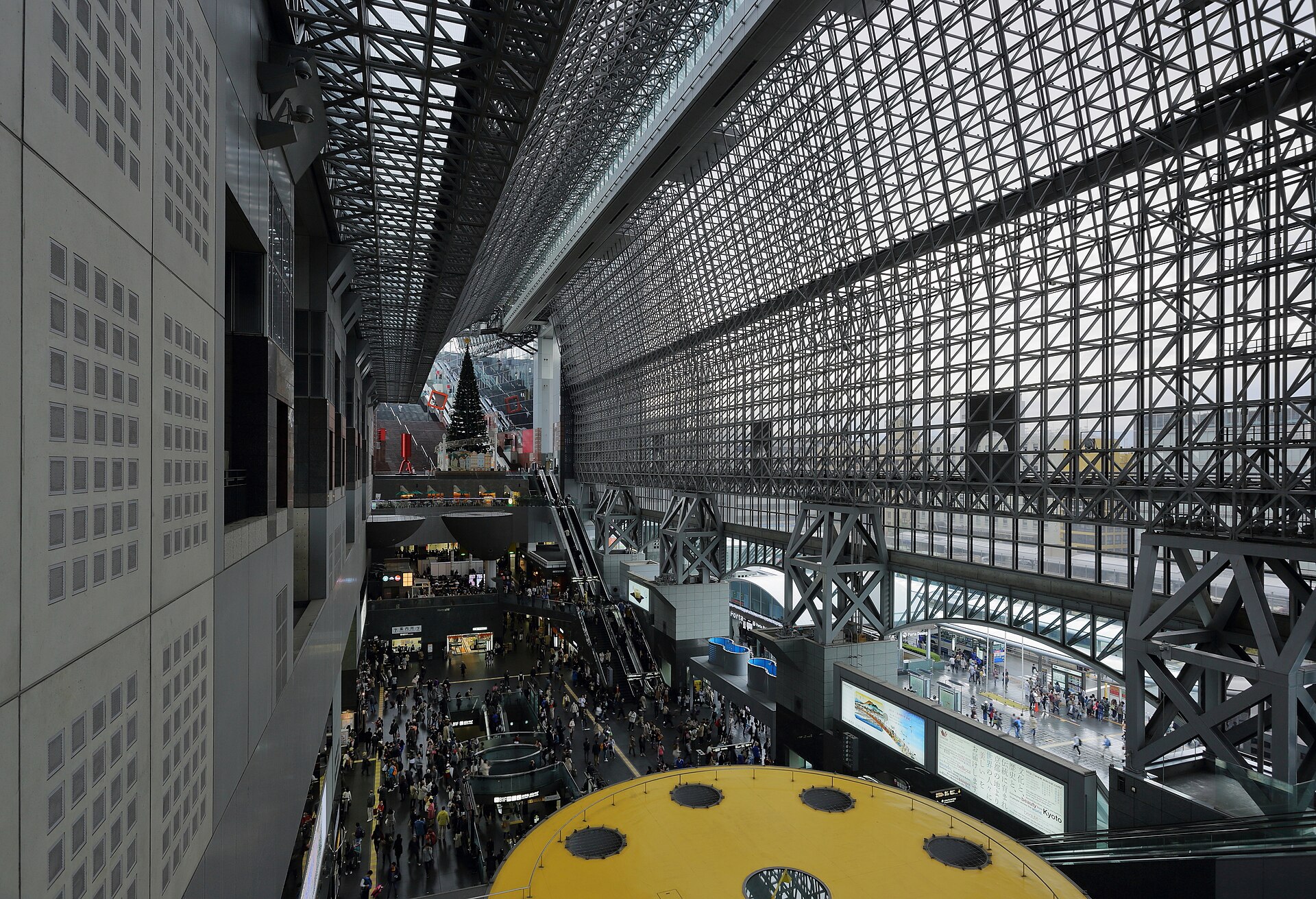
Most visitors arrive at Kansai International, which is on an artificial island in Osaka Bay and roughly 75 to 80 minutes from Kyoto Station on the Haruka limited express. It is comfortable, it is reserved seating, and it runs about twice an hour. Osaka Itami is closer if you are connecting domestically — about 55 minutes by limousine bus straight to Kyoto Station.
A private transfer is worth it in two specific cases. The first is a late arrival: the Haruka stops running in the evening and the alternative involves a change at Osaka Station with luggage. The second is any hotel in Higashiyama or Gion, where the taxi rank at Kyoto Station is efficient but the drop-off streets are narrow enough that a driver who already knows the address saves genuine time.
If you are arriving from Tokyo instead, the Shinkansen takes about 2 hours 15 minutes on the Nozomi and puts you inside the city rather than on its edge. That is almost always the better choice than a domestic flight once you count the airport time at both ends.
What to book ahead, and what things cost
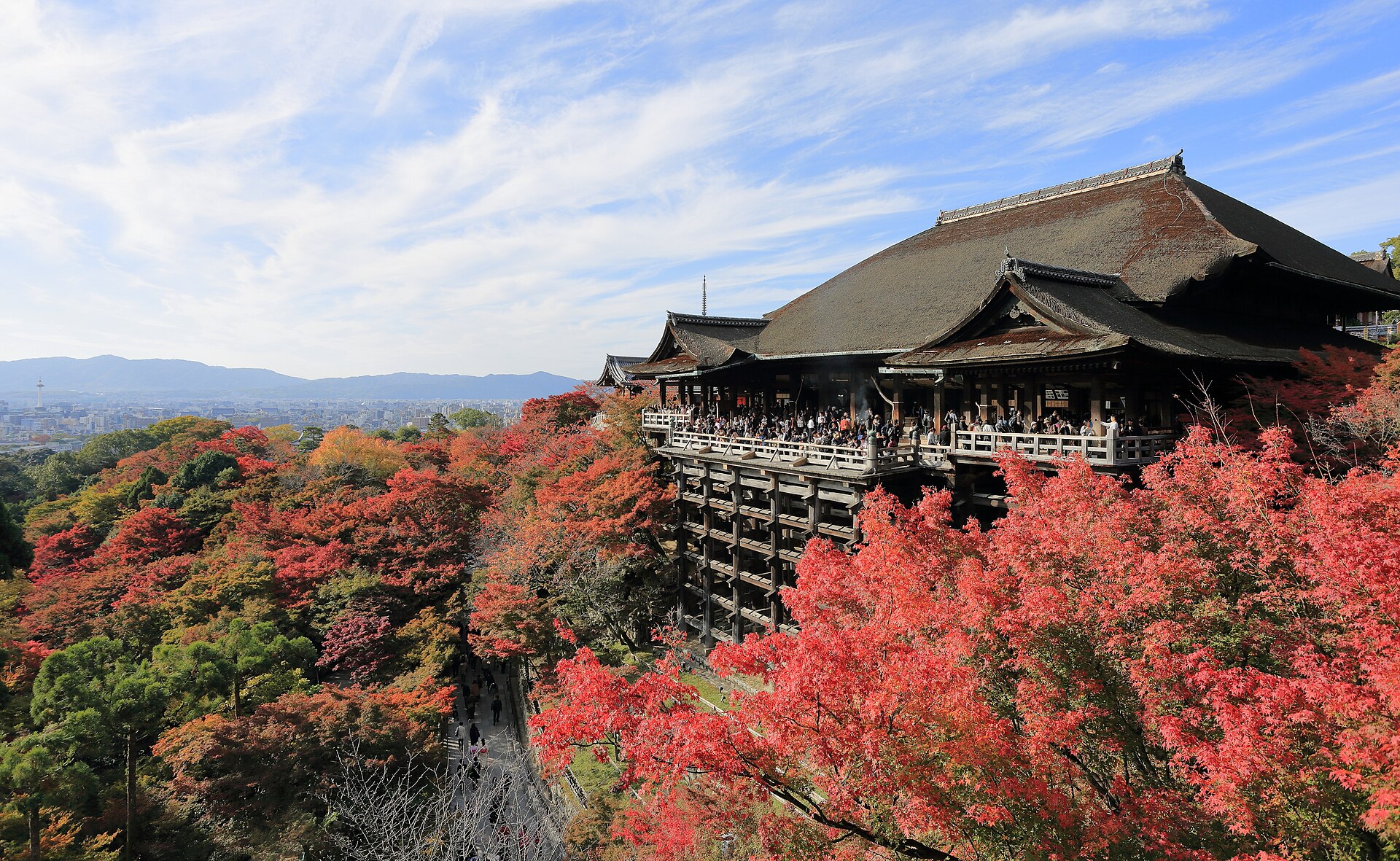
Kyoto is cheap by the standards of European capitals. Kinkaku-ji, the Golden Pavilion, costs ¥500 and opens 09:00 to 17:00. Kiyomizu-dera also costs ¥500 and — this is the one that matters — opens at 06:00 and stays open until 18:00. It is the only major site in Kyoto you can visit at dawn, and at 06:30 you will have the wooden stage more or less to yourself.
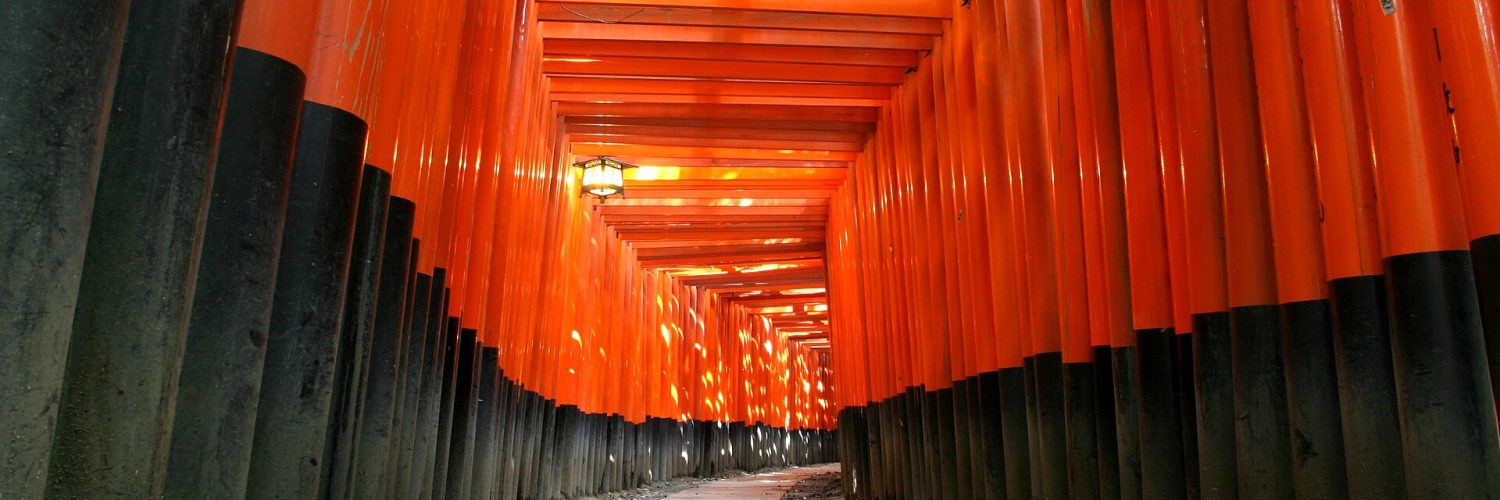
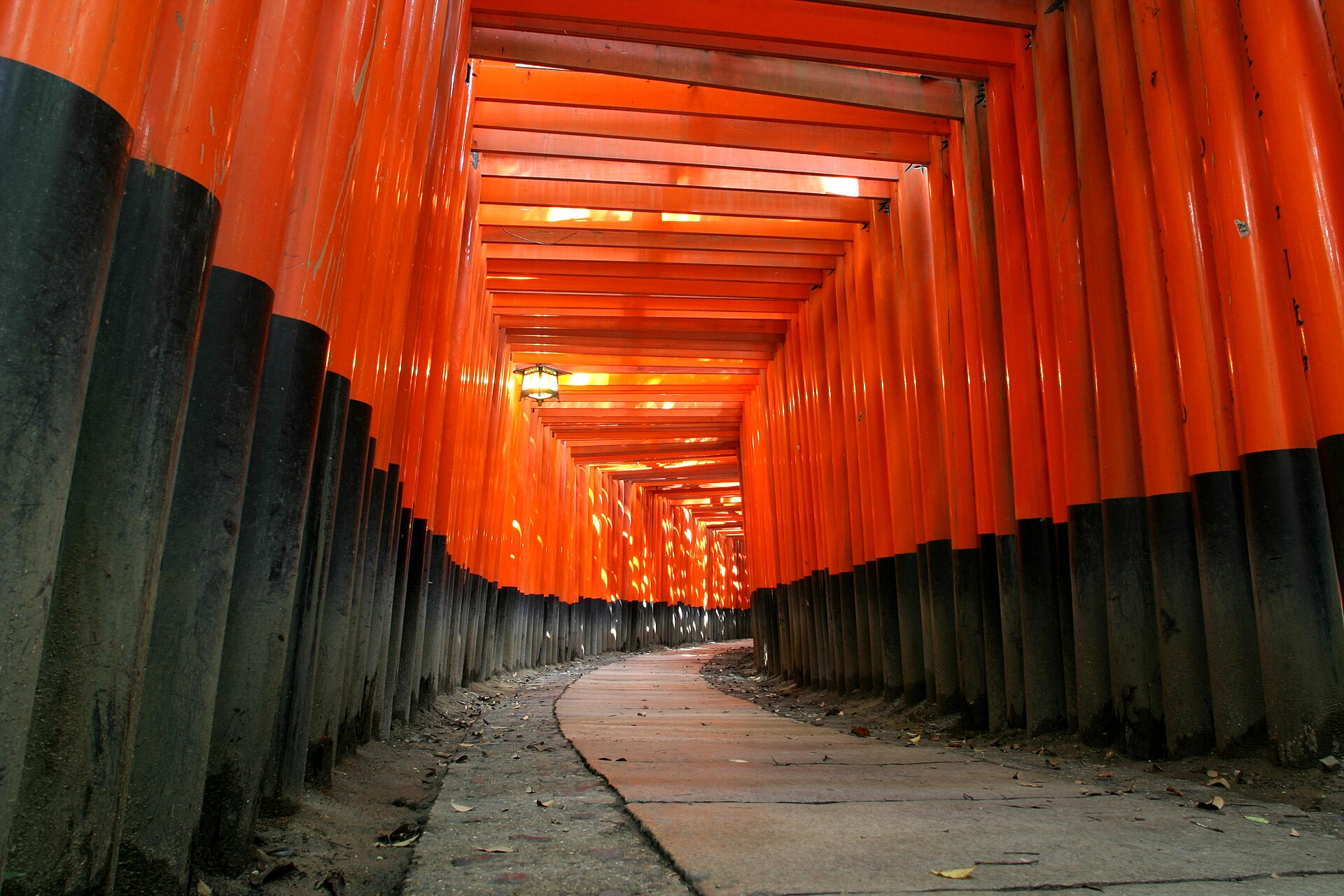
Fushimi Inari is free and never closes. The full circuit up Mount Inari through the torii gates takes two to three hours; most people turn around at the Yotsutsuji viewpoint about 45 minutes up, which is a perfectly reasonable decision and also why the crowds thin dramatically past that point.
What genuinely needs booking ahead: the Saihō-ji moss garden, which requires an application in advance; the Kyoto Imperial Palace guided tours in peak season; and any tea ceremony, kaiseki dinner or maiko experience, which sell out weeks out in autumn. Anything involving November foliage should be treated as sold out until proven otherwise.
What is free and no worse for it
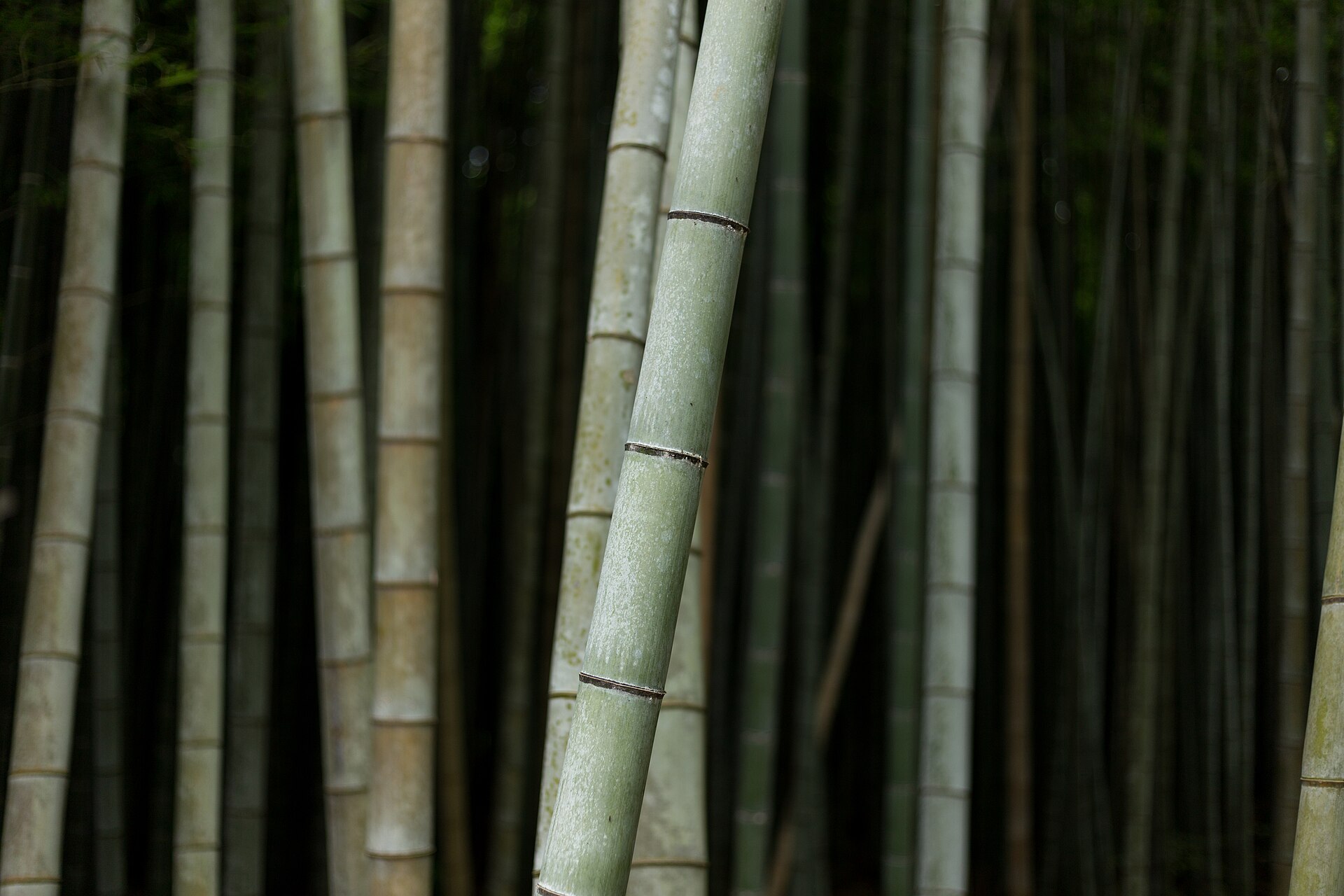
The Arashiyama bamboo grove costs nothing, is open at all hours, and is empty at 07:00 and unbearable at 11:00. The difference between those two visits is the difference between a photograph and a queue.
The Philosopher’s Path — two kilometres of canal-side walking between Ginkaku-ji and Nanzen-ji — is free, and in early April it is the best cherry blossom in the city. Nishiki Market, five blocks of covered food stalls off Shijō, costs whatever you eat. The grounds of Nanzen-ji, including the enormous Sanmon gate and the Meiji-era brick aqueduct running through the temple precinct, are free to walk; only the sub-temples charge.
Kyoto Imperial Palace Park is free and enormous, and the palace itself is now free to enter without a reservation on most days. And the Kamo River embankment between Sanjō and Shijō is where Kyoto actually relaxes — on summer evenings restaurants build wooden platforms out over the water, a practice called kawadoko that runs roughly May to September.
The districts, and what each one is for
Higashiyama is the eastern hills: Kiyomizu-dera, the preserved lanes of Ninenzaka and Sannenzaka, Yasaka Shrine. This is the Kyoto on the postcards and it is worth the crowding, early.
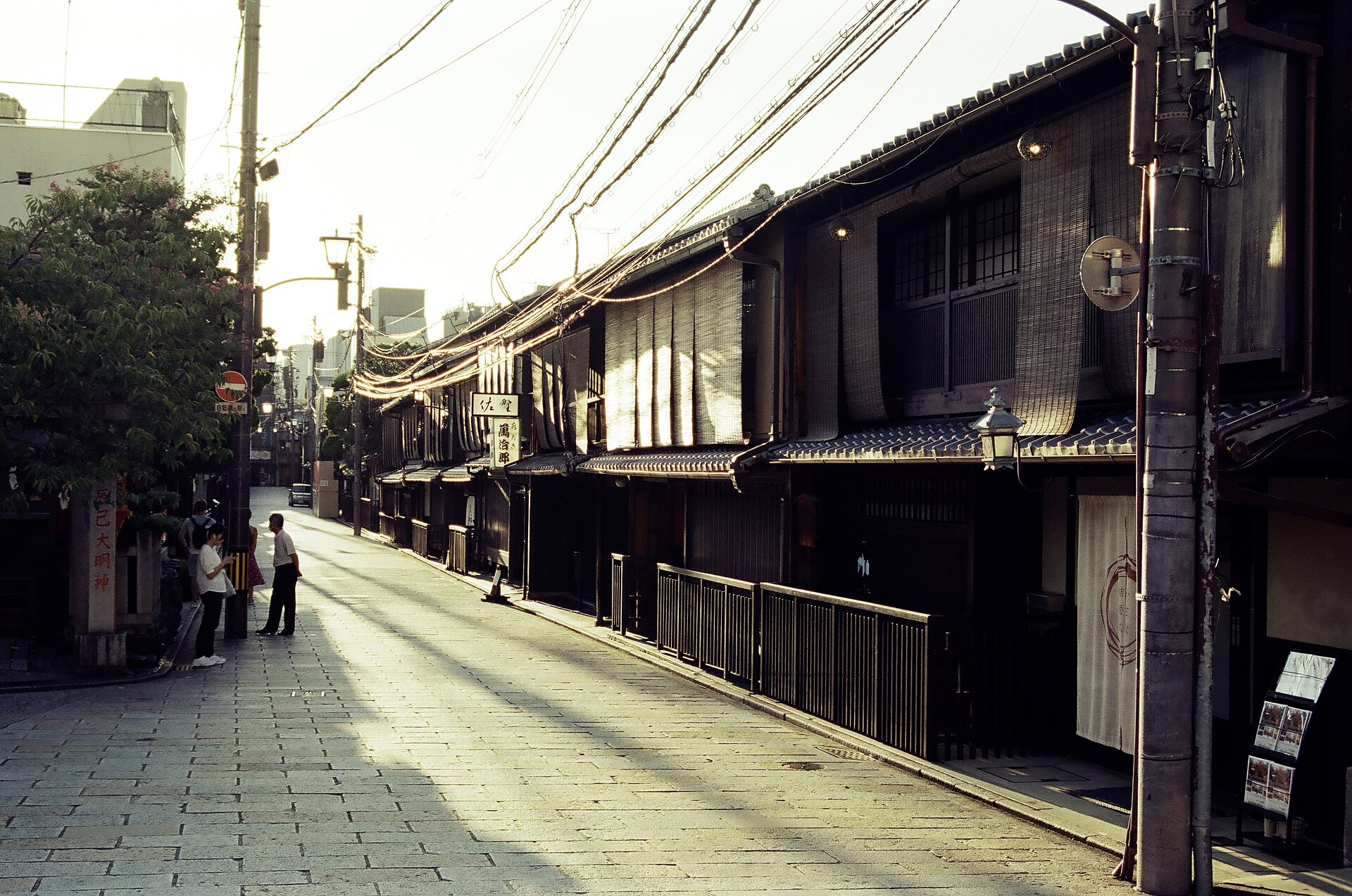
Gion is the geisha district and the most misunderstood part of the city. The main street, Hanamikoji, is public. Several of the private alleys off it are now signposted as closed to tourists after years of residents being photographed and blocked, and the restriction carries a penalty. Respect the signs; this is somebody’s street.
Downtown — Kawaramachi, Pontochō, Nishiki — is where you eat and drink. Pontochō is a single lantern-lit alley one block wide running along the river, and it is the best evening walk in Kyoto.
Arashiyama, in the far west, is bamboo, the Togetsukyō bridge, the monkey park on the hill and the Sagano scenic railway. Half a day, best at opening.
Northern Higashiyama — Ginkaku-ji, the Philosopher’s Path, Nanzen-ji, Heian Shrine — is quieter, greener, and where to go on the day the main sites feel like an airport.
Around Kyoto Station is convenient, modern and characterless, with To-ji and its five-storey pagoda nearby. Good base if you are day-tripping to Nara and Osaka.
A workable four days
Day one. Kiyomizu-dera at opening, 06:00. Walk down Sannenzaka and Ninenzaka before the shops open, through Kōdai-ji to Yasaka Shrine and Maruyama Park. Lunch downtown. Afternoon at Nishiki Market and the Nishiki Tenmangū shrine at the end of it. Evening in Pontochō.
Day two. Fushimi Inari early — it is two stops south on the JR Nara line and the first train gets you there before the tour buses. Full circuit to the summit if the weather is cool. Afternoon at Tofuku-ji, whose garden and valley bridge are spectacular and which most first-time visitors miss entirely.
Day three. Arashiyama at opening: bamboo grove, Tenryū-ji garden, the Togetsukyō bridge. Back east in the afternoon for Kinkaku-ji, then Ryōan-ji and its fifteen-stone dry garden a short walk away.
Day four. Northern Higashiyama on foot — Ginkaku-ji, the Philosopher’s Path, Nanzen-ji, the aqueduct — or a day trip to Nara, 45 minutes away, for Tōdai-ji and the deer.
Eating in Kyoto
Kyoto’s food is a genuinely separate cuisine from Tokyo’s. It is vegetable-led, lighter on soy, and built around what a landlocked mountain basin could actually get hold of: obanzai, the everyday home-style small dishes; yudofu, simmered tofu, which sounds like penance and is not; shōjin ryōri, the Buddhist temple cooking served at several temples in the north; and kaiseki, the multi-course formal meal that Kyoto essentially invented.
Practical points. Lunch is dramatically cheaper than dinner at the same restaurant, often by half, for a nearly identical kitchen. Many good places close between 14:00 and 17:00 entirely. And a number of traditional restaurants operate on introduction only — if a place looks empty and unmarked, it is not waiting for you.
Nishiki Market has a no-walking-while-eating rule that is signposted and widely ignored by visitors and universally observed by locals. Eat at the stall.
Getting around
Kyoto has two subway lines that cross in the middle and cover perhaps a third of what you want to see. The rest is buses, and the buses are the weak point: they are slow, they get stuck in Higashiyama traffic, and in peak season the queues at Kyoto Station are long.
The city dropped the old ¥700 bus-only day pass to push visitors off the buses. What replaced it is the Subway & Bus 1-Day Pass at ¥1,100, which is genuinely good value if you are crossing the city more than three times in a day. A single bus ride is a flat ¥230, and Kyoto announced in early 2026 that it intends to move to two-tier pricing — around ¥200 for residents and more for visitors — with rollout planned across the city by fiscal 2027.
The honest advice: use the JR and private rail lines where they exist (Fushimi Inari, Arashiyama, Uji, Nara are all on trains), the subway for the north–south spine, and the bus only when there is no alternative. Cycling is excellent — the city is flat and gridded — and rental is cheap.
Where to sleep
Downtown around Karasuma and Shijō is the best all-round base: on the subway, walking distance to Pontochō and Nishiki, and a short bus or taxi to Higashiyama. Higashiyama and Gion are the atmospheric choice and cost accordingly. Kyoto Station is the practical choice if you are using Kyoto as a base for Osaka and Nara.
Two Kyoto-specific options are worth considering. A machiya — a restored wooden townhouse, long and narrow with an internal courtyard garden — is the local equivalent of a boutique apartment. A ryokan with tatami, futon and a kaiseki dinner is a different kind of night entirely and is best done once, early in the trip, while it still feels remarkable.
Book far ahead for late March to mid-April and for all of November. Those two windows are the most expensive weeks in the Japanese hotel calendar and Kyoto sells out.
Day trips, and where a car finally earns its keep
Nara, Osaka and Uji are all under an hour by train and need no car at all. Trains are faster than driving and parking in central Kyoto is genuinely expensive.
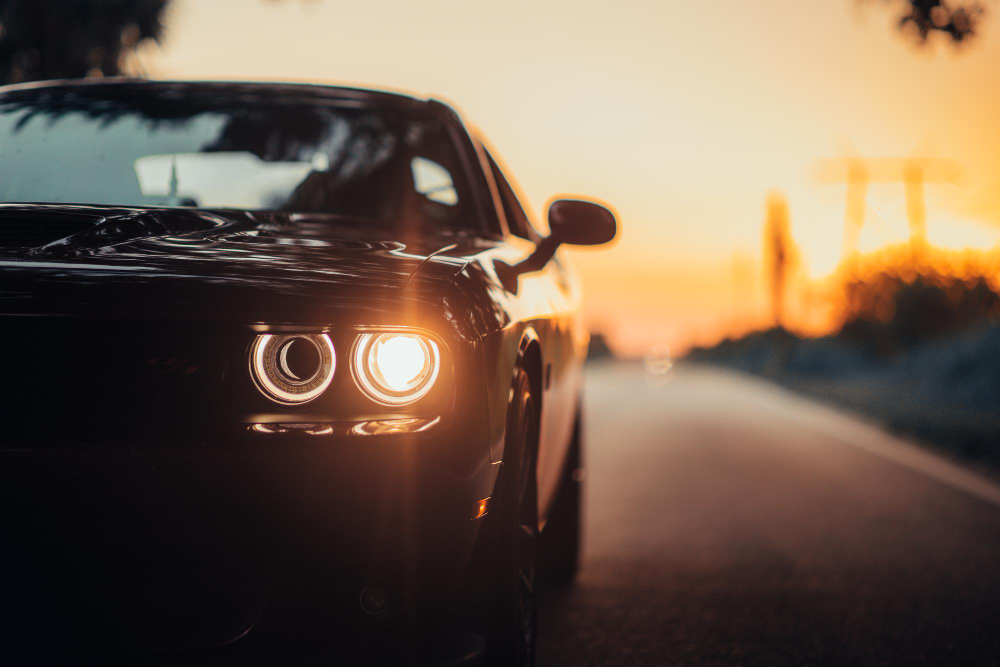
North of the city is different. Kyoto Prefecture runs all the way to the Sea of Japan, and the places up there — the thatched farmhouse village of Miyama, the sandbar at Amanohashidate, the boathouse village of Ine — are poorly served by public transport and take most of a day each by bus. That is where a rental car changes the trip rather than complicating it. Pick it up on the way out of the city, not in the centre.
If that is your plan, pick the car up at a branch near Kyoto Station on the morning you leave the city and drop it back the same way — a full day of Kyoto centre parking will cost more than the rental.
When to go
Late March to mid-April is cherry blossom and it is as good as claimed and as crowded as feared. November is autumn foliage, which in Kyoto is arguably better than the blossom and just as busy — the maples peak in the second half of the month. May, early June and October are the quiet sweet spots: mild, dry enough, and everything open.
June to mid-July is the rainy season, which is genuinely wet but makes the moss gardens extraordinary. Late July and August are hot and humid in a way that reorganises the day, and are the cheapest time to visit. Gion Matsuri runs through July and is one of the great festivals in Japan if you are prepared for the crowds.
Practical notes
- Temples close early. Build the day around 16:30, not 18:00.
- Carry cash. Small temples, some restaurants and many shrine offices still do not take cards.
- An IC card (ICOCA or Suica) works on subway, bus and most trains and removes all fare arithmetic.
- Coin lockers at Kyoto Station fill by mid-morning in peak season; luggage forwarding to your next hotel is cheap and standard.
- Shoes off at temple interiors, ryokan and many restaurants. Wear something you can slip out of.
- The Gion alley restrictions are enforced. So is the ban on entering private machiya doorways for photographs.
Further reading
- Where to stay in Kyoto — the neighbourhoods in more detail.
- Where to stay in Osaka — the obvious pairing, 15 minutes by Shinkansen.
- Tokyo airport transfers — if Kyoto is the second stop.
- Best eSIM for Japan — data before you land.
- Things to do in Tokyo — the city with no centre at all.