Since 1 March 2026, Kyoto charges the highest accommodation tax in Japan — up to ¥10,000 per person per night at the top end, a tenfold increase on the old ceiling. That single change has quietly reshaped where it makes sense to sleep in this city, because the tax is banded by room rate and the bands are steep. Choosing a ¥19,000 room over a ¥21,000 room now saves you ¥600 per person per night on tax alone, before you count the room.
The 2026 accommodation tax, in plain numbers
Kyoto’s lodging tax is charged per person, per night, and the band is set by the nightly accommodation fee:
- Under ¥6,000 — ¥200
- ¥6,000 to under ¥20,000 — ¥400
- ¥20,000 to under ¥50,000 — ¥1,000
- ¥50,000 to under ¥100,000 — ¥4,000
- ¥100,000 and above — ¥10,000
Two details in that table are misread constantly, and both change the number you actually pay.
The band is set by the per-person rate, not the room rate. Kyoto divides the nightly accommodation charge by the number of guests in the room, then reads the band off that figure. A ¥25,000 room booked by two people is ¥12,500 each and falls in the ¥400 band — not the ¥1,000 band. The same room with four people is ¥6,250 each, still ¥400. This is why a family in one large room can pay dramatically less tax than two couples in two smaller rooms at the same total spend, and it is worth a minute with a calculator before you split a booking.
Only the room charge counts. The taxable amount is the accommodation charge itself — meals and other extras are stripped out first. That matters most at ryokan, where a headline price of ¥55,000 per person routinely bundles a kaiseki dinner and breakfast. Strip the meals out and the room portion can land a band or even two lower. If a ryokan quotes you a single all-in figure, ask for the room-only breakdown; a Japanese inn will have it, because it is what they file the tax on.
There are also real exemptions, contrary to what a lot of English-language coverage says. Children under 12 are fully exempt. So are participants in Japanese school excursions and their accompanying staff, with documentation — though that exemption does not extend to overseas schools or universities. For a family of two adults and two under-12s in a ¥25,000 room, the tax is ¥800 a night, not ¥4,000.
It is normally collected at check-in, in cash or by card, separately from your prepaid booking — so it will not appear on the total you saw when you booked online. Budget for it; people are regularly caught out.
The stated purpose is managing overtourism. Whether it works is another question, but the practical effect for travellers is clear: the value sweet spot has moved to a per-person rate just under ¥20,000. Crossing that line costs an extra ¥600 per person per night, which on a five-night stay for two is ¥6,000 — enough to wipe out the difference between two rooms you were choosing between on price alone.
The awkward consequence is at the top of the market. A ¥100,000-a-night suite for two divides to ¥50,000 each and attracts ¥4,000 per person per night; push the room to ¥200,000 and each guest is at ¥100,000 and pays ¥10,000 a night. Over four nights that single band change is ¥48,000 in tax for the couple. At the luxury end, Kyoto is now a materially more expensive city than Tokyo or Osaka for the same standard of room, and it is deliberate.
Understand the geography first
Kyoto is a grid laid out in 794 AD on a Chinese model, hemmed by mountains on three sides. The grid means addresses are logical and walking is easy; the mountains mean the famous temples are almost all on the eastern and western edges, not in the middle. The centre is flat, commercial and unremarkable to look at — and it is also where the transport converges.
This creates the central trade-off of staying in Kyoto: the atmospheric districts are on the rim and slow to get out of, while the convenient districts are in the middle and look like any Japanese city. Almost every recommendation you read is really an argument about which of those you value.
The districts, and who each one suits
Downtown — Kawaramachi, Shijo, Karasuma
The best default for a first visit. You are on the Hankyu and Karasuma subway lines, walking distance to Nishiki Market and Pontocho, 15 minutes from Gion on foot, and surrounded by restaurants that are open after 21:00 — which is not true everywhere in Kyoto. Room rates are mid-to-high but the ¥15,000–19,000 band is well supplied here, which is now the tax-efficient tier.
Kyoto Station
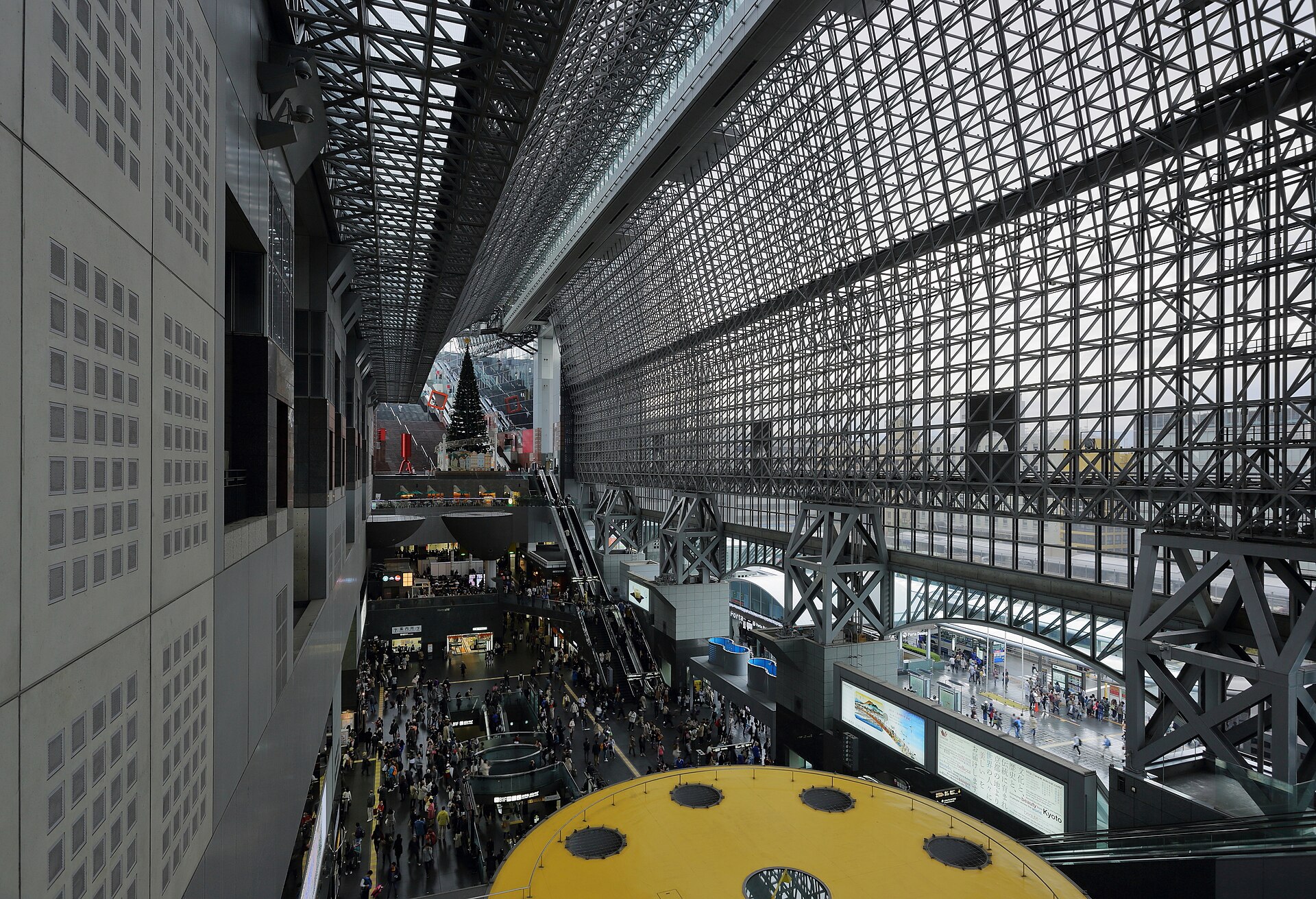
Best for short stays, early Shinkansen departures, and day trips to Nara or Osaka. The station itself is a genuinely impressive piece of 1990s architecture and has a huge amount of food. The area around it is functional rather than pretty, and it is a long way from the eastern temples — about 25 minutes by bus to Gion in traffic.
Gion and Higashiyama
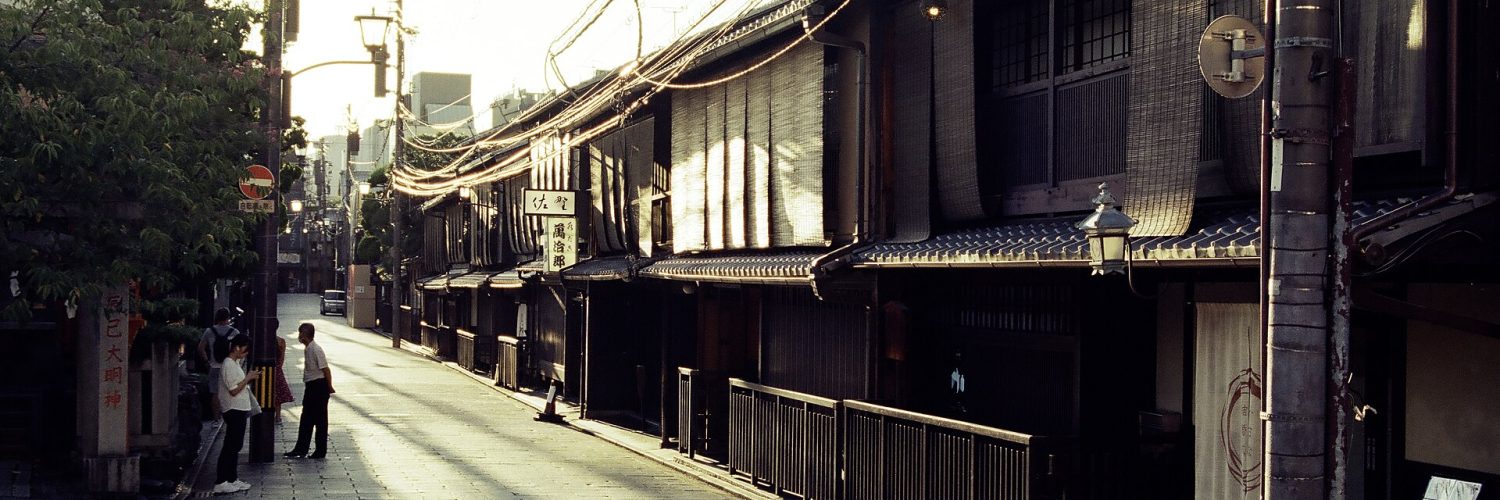
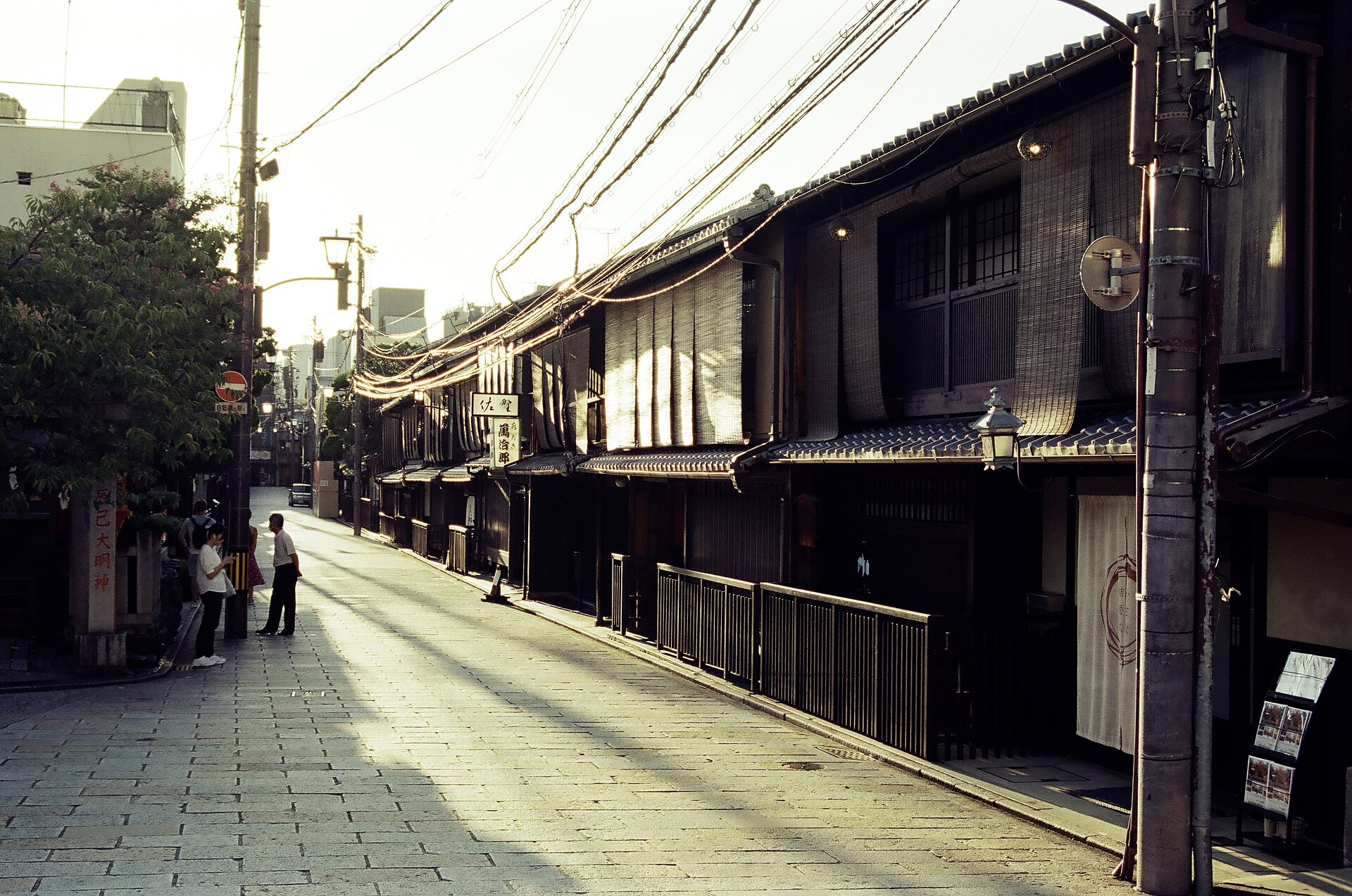
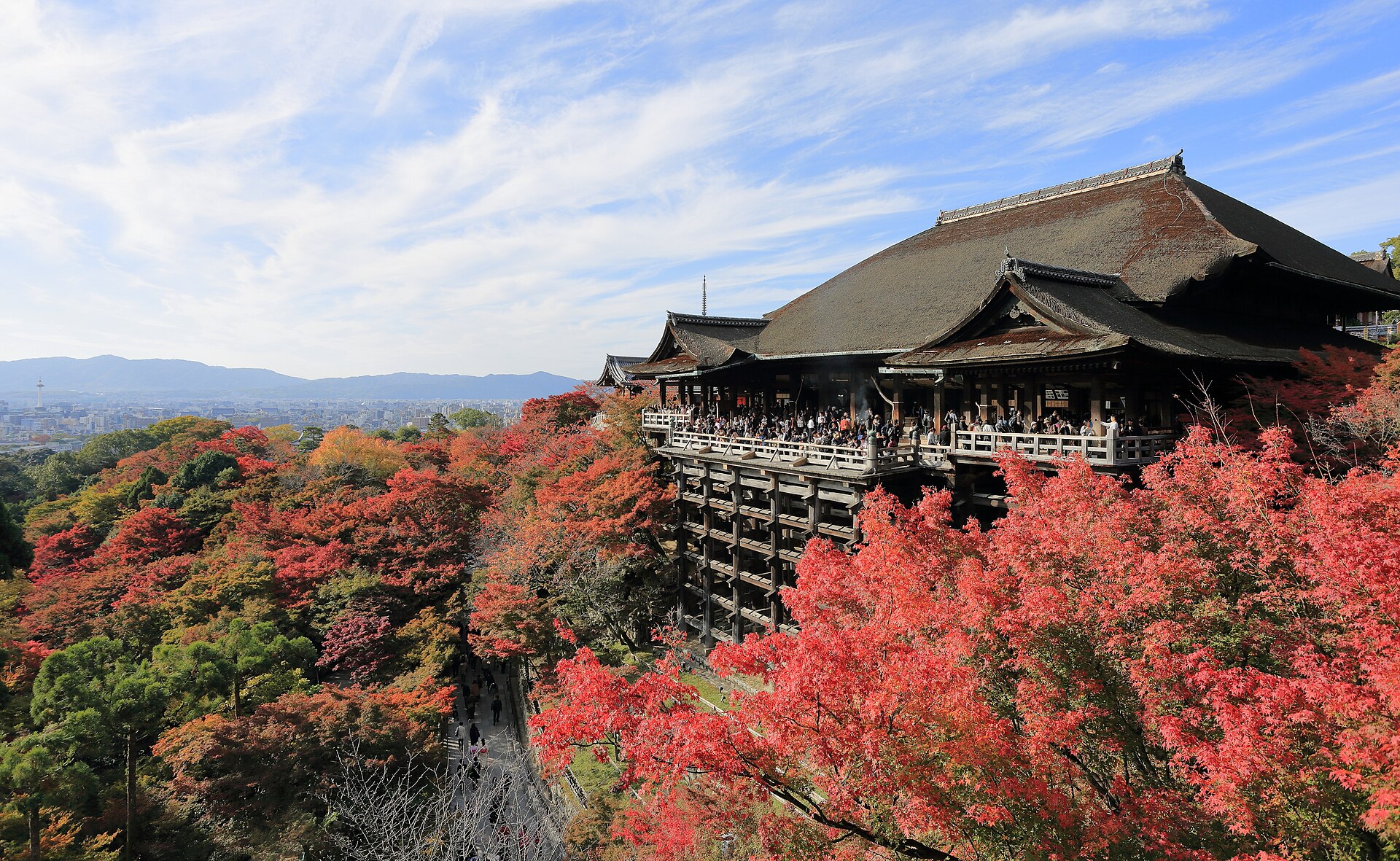
The postcard district: wooden teahouses, stone lanes, Kiyomizu-dera up the hill. Staying here means you can walk the Higashiyama slopes at 06:30 before the crowds, which is the single best experience Kyoto offers. It also means high prices, limited food after 22:00, and — with the new tax bands — a meaningful surcharge on top.
Honest note: parts of Gion are now closed to tourists on private alleys after repeated incidents of visitors harassing geiko and maiko. Photographing them without consent carries fines. If you stay here, behave like a resident.
Arashiyama
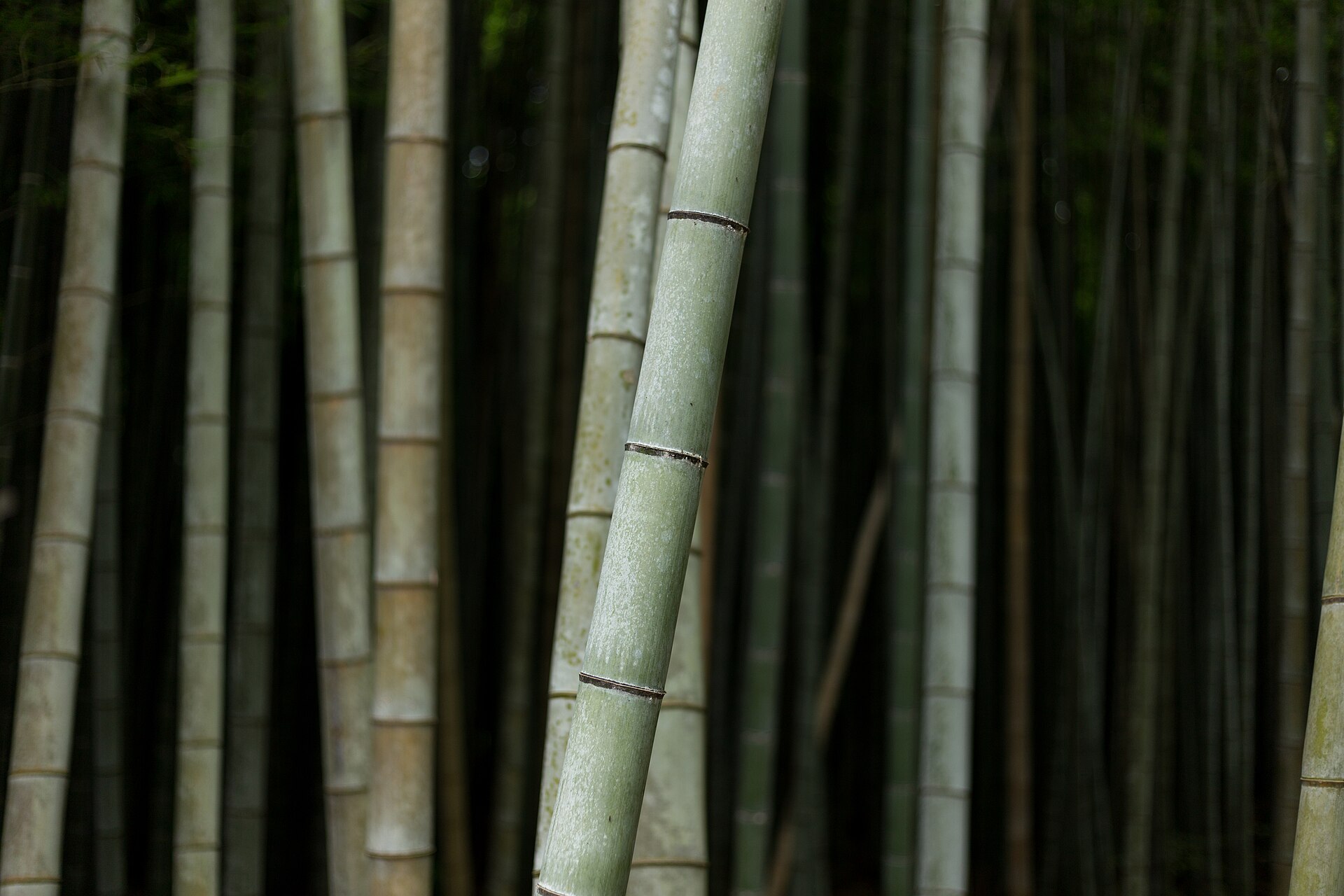
Western edge, beside the bamboo grove and the Katsura river. Lovely in the evening once the day-trippers leave, and that is precisely the argument for staying here. But it is 30–40 minutes from the centre and you will do that journey twice a day.
Fushimi
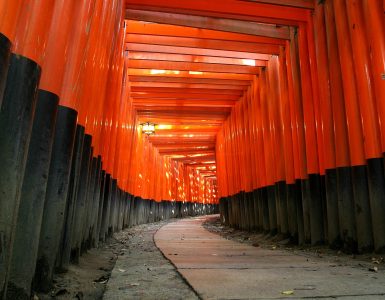
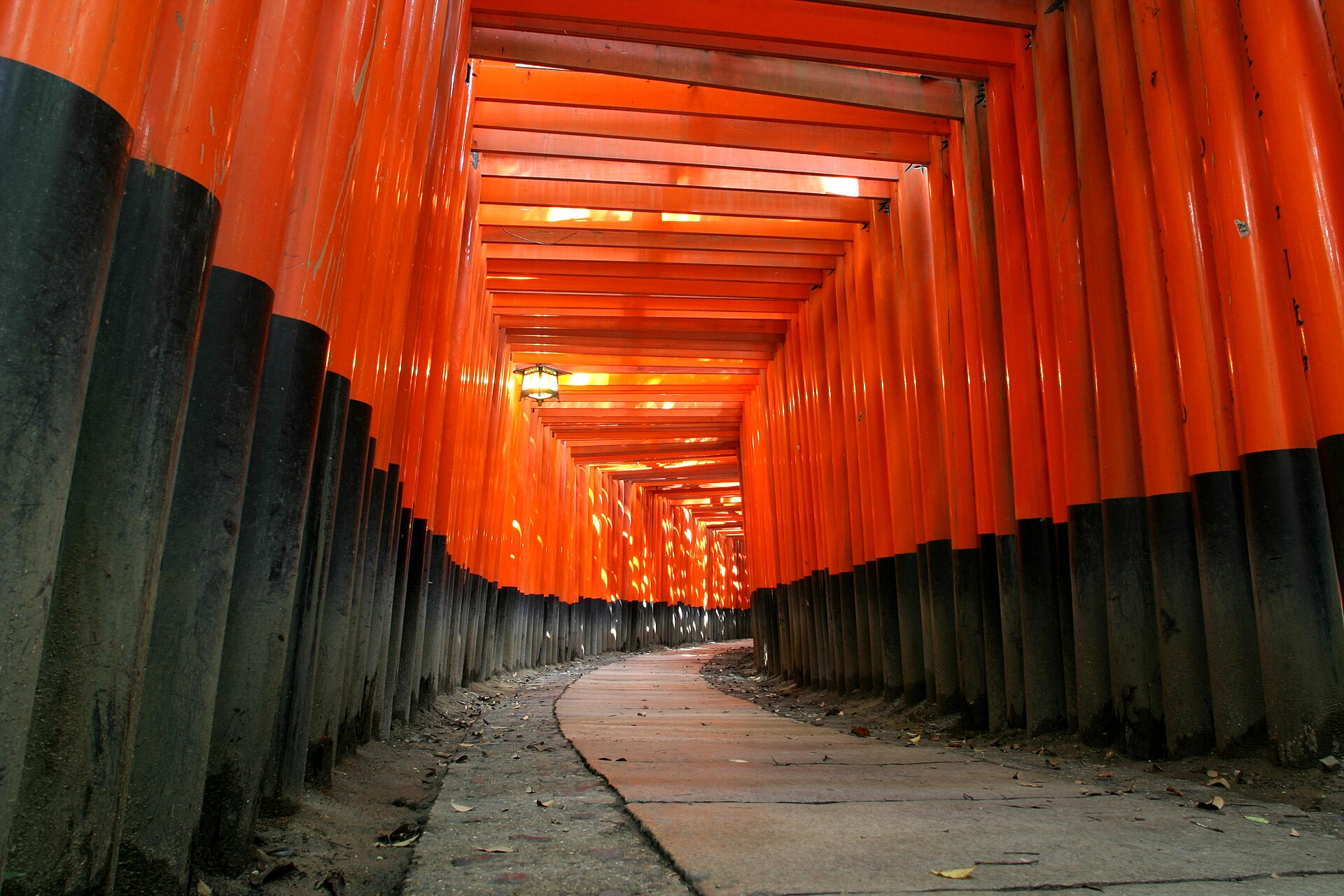
South, around Fushimi Inari and the sake breweries. Cheap, residential, direct on the JR Nara line. A good choice for a longer stay or a second visit, poor for a first three-day trip.
Types of accommodation, and what they actually mean
- Business hotels (APA, Dormy Inn, Sotetsu Fresa) — small, clean, reliable, often with a communal bath. Usually land in the ¥10,000–18,000 band, which keeps you in the ¥400 tax tier.
- Machiya townhouses — restored wooden merchant houses rented whole. Charming, and for a family often cheaper per head than four hotel rooms. Note that the tax is per person regardless, so a machiya sleeping six at ¥60,000 puts every guest in the ¥4,000 band. Do that arithmetic before booking.
- Ryokan — traditional inns with tatami, futon, and usually dinner and breakfast included. The kaiseki dinner is the point. Note that the quoted rate often includes meals, which pushes you up a tax band.
- Hostels — Kyoto has some of the best in Japan, and a ¥4,000 dorm bed carries only ¥200 tax.
Getting there and getting around
Most visitors arrive at Kansai International (KIX) and take the Haruka express to Kyoto Station in about 80 minutes, or the Airport Limousine bus in around 90. From Osaka Itami it is roughly 55 minutes by bus. A private transfer is worth considering if you are arriving late with luggage or heading to a machiya in a narrow lane where a taxi driver will struggle to find the door.
Inside the city, buses reach the temples but are slow and crowded; the two subway lines are fast but cover little. Cycling is genuinely the best way to move around central Kyoto — the grid is flat and rental is cheap. Taxis are plentiful and reasonable for short hops.
When you go changes where you should stay
Late March to mid-April (cherry blossom) and mid-November (autumn leaves) are the two peaks. Rates double or triple, availability collapses six months out, and the tax band you land in goes up with the rate. If you must come then, book early and consider basing in Osaka with a 30-minute train commute — a tactic that now saves tax as well as rent.
June is the rainy season, humid and quiet. July and August are hot and heavy but include Gion Matsuri. January and February are cold, clear, cheap and, for temples in particular, the best time to visit if you dislike crowds.
Practical notes
- Kyoto hotel rooms are small. A “double” is frequently 14–16 m² with a 140 cm bed. Check the stated area, not the star rating.
- Many machiya have steep, ladder-like stairs and no lift. Not suitable for limited mobility or very young children.
- Luggage forwarding (takkyubin) between hotels costs around ¥2,000–2,500 per bag and is the standard way Japanese travellers move. Use it rather than dragging suitcases onto a rush-hour bus.
- Check-in is often strictly 15:00 and check-out 10:00, with luggage storage available either side.
- The accommodation tax is a municipal charge and is not refundable if you cancel late and are charged a no-show fee — but it also is not levied on that fee.