Choosing where to stay in Zanzibar is not really a question about hotels. It is a question about tides.
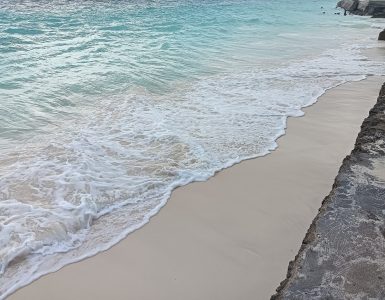
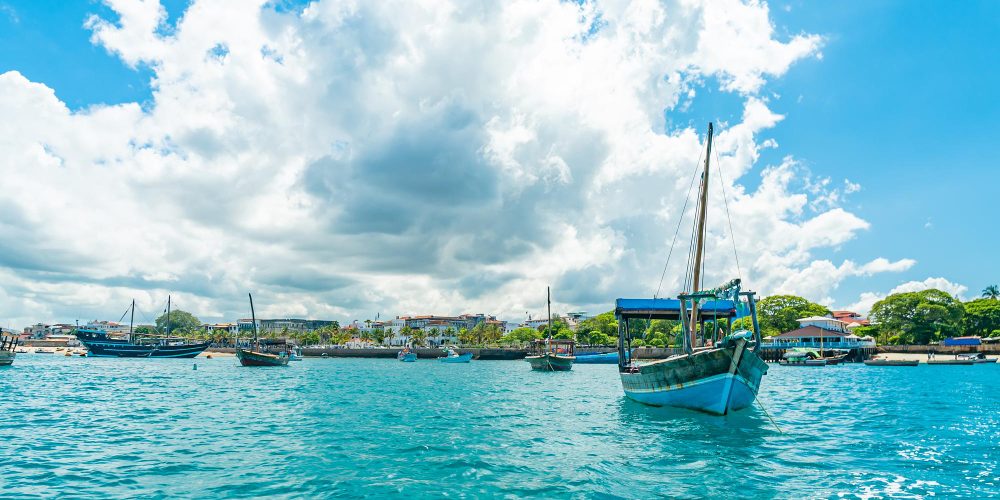
On the east coast, the Indian Ocean withdraws up to a kilometre twice a day, leaving a vast flat of coral rubble, seaweed farms and sea urchins where the water was three hours earlier. On the north coast, it barely moves. Two beaches thirty kilometres apart can offer completely different holidays, and the brochure photographs — always shot at high tide — will not tell you which is which.
Get the tide question right and everything else follows. Get it wrong and you will spend a week looking at wet sand.
The short answer
- Nungwi or Kendwa if swimming whenever you want matters most.
- Paje or Jambiani if you want kitesurfing, lower prices and a slower scene, and you do not mind planning around the water.
- Stone Town for the first or last night, and no more than two.
- Matemwe or Michamvi if you want quiet above everything.
Nungwi and Kendwa — the north
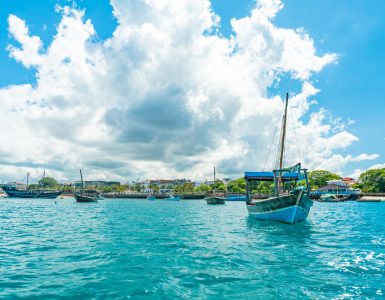
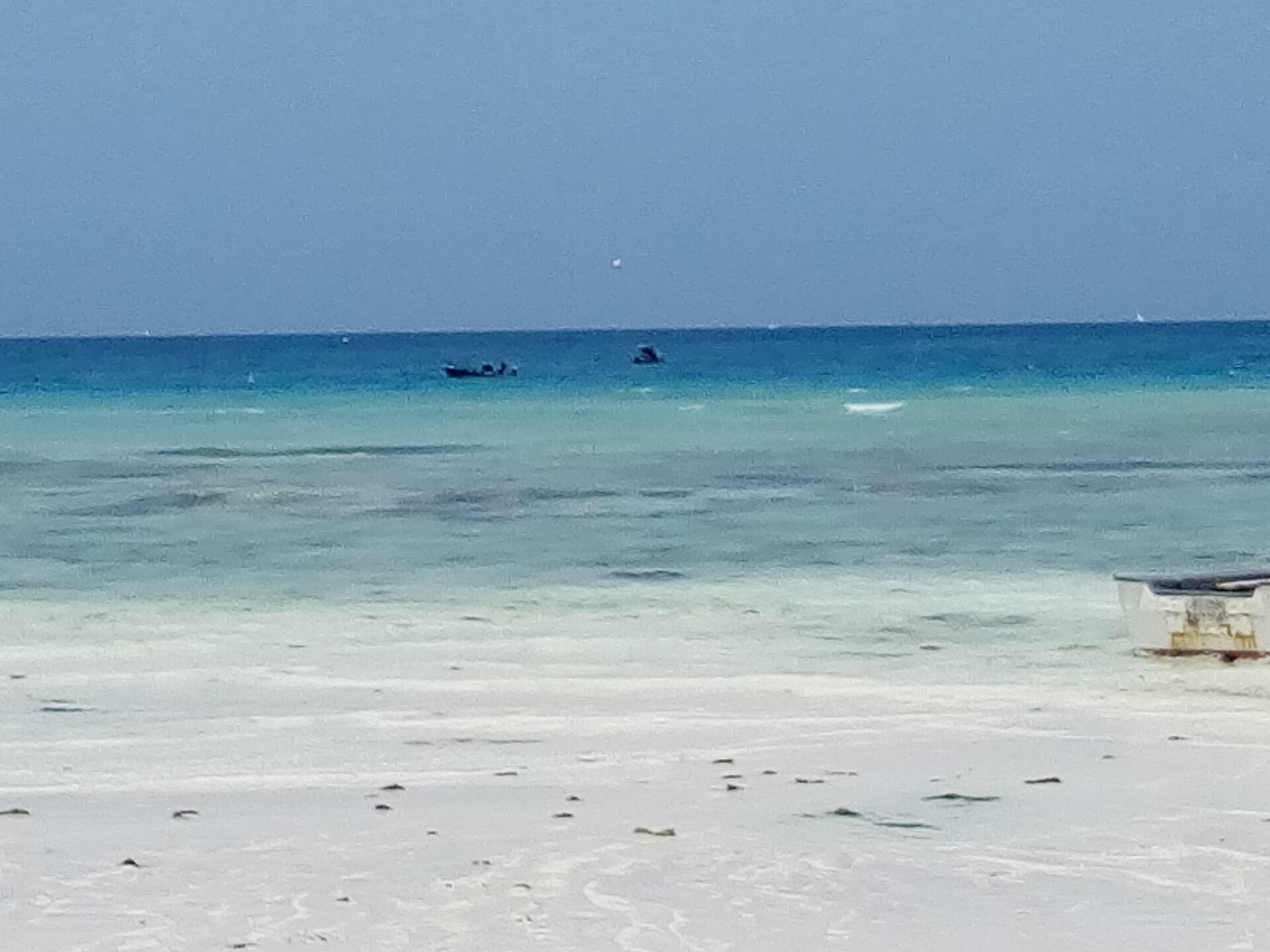
The northern tip has the island’s smallest tidal range, which is the entire reason it developed the way it did. You can walk into the sea at any hour. That single fact explains the density of resorts, the beach bars, the sunset dhow cruises and the general holiday-resort atmosphere.
Nungwi is the busier of the two: a former fishing village that grew into the island’s most developed strip, with everything from backpacker dorms to five-star properties within a fifteen-minute walk. There is still a working dhow-building yard at the north end, which is worth an hour.
Kendwa is three kilometres south-west, quieter during the day, and known for the full-moon party. It has the better sunsets of the two because it faces west.
Choose this coast if: you have a short trip, you are travelling with children, you want to swim on impulse, or you want a range of restaurants within walking distance.
Be aware: Nungwi’s beach is narrow at high tide in places, beach vendors are persistent, and it is the most expensive part of the island.
Paje and Jambiani — the south-east
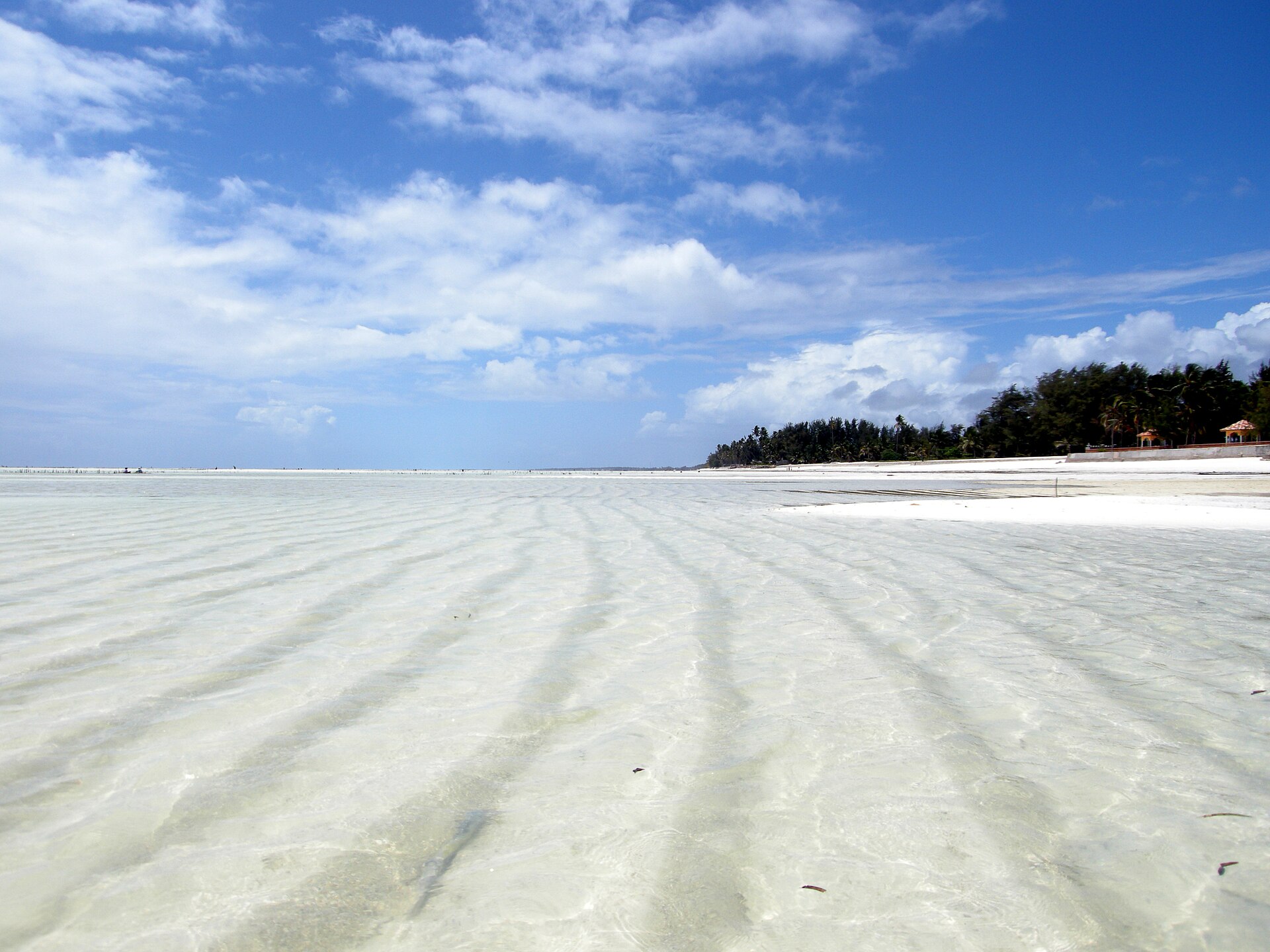
The east coast is where the tide does its dramatic disappearing act. At low water the ocean pulls back across a huge shallow lagoon, exposing seaweed farms — a genuine local industry, mostly run by women — and coral flats you can walk out onto in reef shoes.
This is not a defect. That same lagoon, protected by a reef and swept by reliable wind, makes Paje one of the best kitesurfing spots in the world. The town is built around it: kite schools, board shops, beach cafes full of instructors, and a young, long-staying crowd of backpackers and remote workers.
Jambiani, a few kilometres south, is the same coastline with a fraction of the energy — more guesthouses, fewer kites, still very much a working village.
Choose this coast if: you want to learn to kitesurf, you are staying two weeks or more, you want better value, or a livelier village atmosphere appeals more than a resort.
Be aware: swimming is tide-dependent, sea urchins are a real hazard on the flats, and you will want reef shoes.
Stone Town
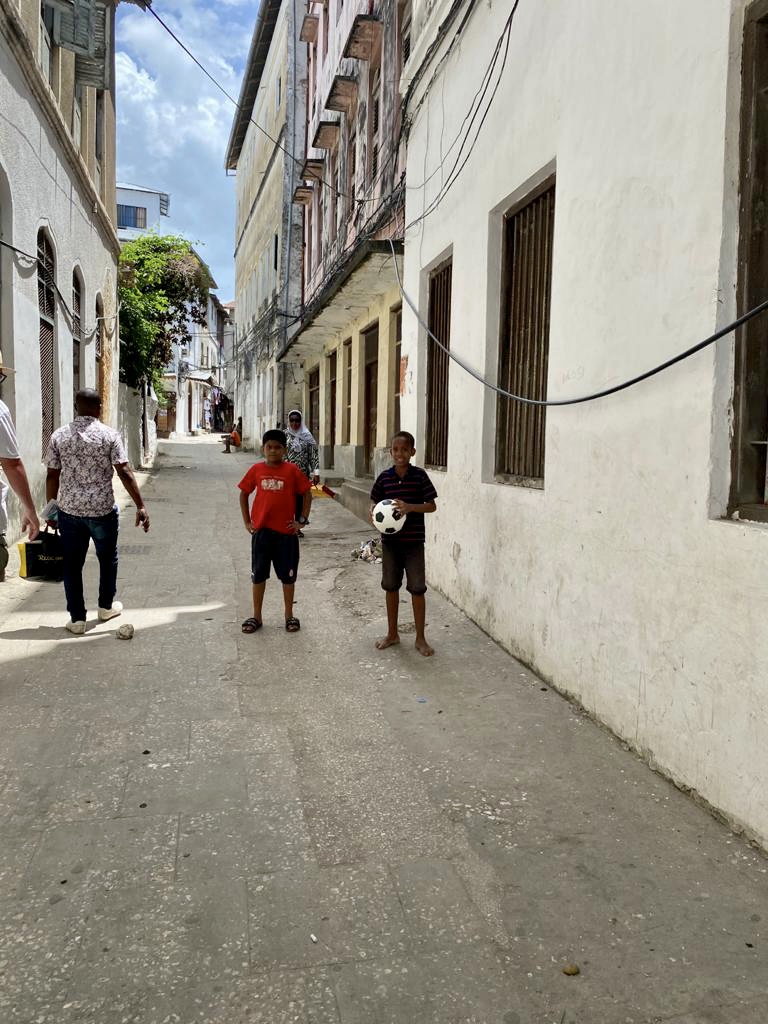
The old city is a UNESCO World Heritage Site and a genuinely extraordinary place — a maze of coral-stone alleys with carved Zanzibari doors, Omani and Indian and Persian and British architecture layered on top of each other, and a history as the centre of the East African slave and spice trades that the town does not hide from.
It is also hot, humid, has no beach, and can be exhausting after a couple of days. The right approach is one or two nights, deliberately, at the start or end of a trip.
What to actually do: the Old Fort, the former slave market site and Anglican cathedral, the Palace Museum, the Darajani market in the morning, and the Forodhani night food market — with the caveat that Forodhani is more atmosphere than cuisine, and stomach trouble from the seafood there is common enough to be a running joke.
The quieter alternatives
Matemwe, on the north-east, is the base for Mnemba Atoll snorkelling and diving — the best marine life on the island. Tidal, but with a wider swimming window than Paje.
Michamvi and Pingwe, at the tip of the south-eastern peninsula, face west across a bay, which means the rare combination of an east-coast location with a west-coast sunset. Very quiet, very few restaurants.
Kizimkazi, in the far south, is the dolphin-tour village. The tours themselves are ethically questionable — boats chase pods and encourage swimmers into the water with them — and are worth thinking twice about.
The costs nobody quotes you
Zanzibar has added several mandatory charges in recent years, and none of them appear in hotel search results:
- Mandatory travel insurance. Since October 2024, all non-resident visitors must hold an inbound policy issued by the Zanzibar Insurance Corporation — roughly USD 44 per adult, covering emergency medical up to about USD 50,000. Your own travel insurance does not substitute for it. Buy it online before you fly.
- Infrastructure tax. Around USD 5 per person per night, collected by your hotel on behalf of the Zanzibar Revenue Board, and rising towards USD 10 a night at some five-star properties. Payable in cash on checkout at many places.
- Visa. USD 50 for most nationalities, USD 100 for US passport holders.
For a couple on a ten-night trip, that is comfortably over USD 300 before you have paid for a room. Build it into the budget rather than discovering it at the desk.
Getting around, and how far things really are
The island is about 85 km long. Stone Town to Nungwi is roughly an hour and a quarter; Stone Town to Paje about an hour; Nungwi to Paje around two hours, because you go back through the middle. Zanzibar Airport (ZNZ) is just outside Stone Town.
Almost everyone uses pre-booked private transfers — they are inexpensive, and the alternative dala-dala minibuses are slow, crowded, and not designed for luggage. Most hotels will arrange the transfer, but arranging it yourself is usually cheaper.
Renting a scooter or motorbike is popular and gives you real freedom, but note that a Zanzibar temporary driving permit is legally required and police checkpoints do enforce it. Our guide to motorbike rental in Zanzibar covers the permit process.
When to go
June to October is the long dry season and the peak — reliable sun, lower humidity, and the best diving visibility. December to February is hot, humid and also busy, with Christmas and New Year the most expensive weeks of the year.
The long rains run roughly March to May, and many smaller places close entirely. There is a shorter, less disruptive rainy spell in November. Kitesurfers should aim for the two wind seasons: roughly June to September and December to February.
Honest warnings
- The east-coast tide is not a minor inconvenience. If a daily swim is the point of your holiday, do not book Paje because the photos looked nice.
- Ramadan. Zanzibar is around 98% Muslim. During Ramadan many village restaurants close during daylight and the atmosphere changes considerably. Resorts operate normally, but check the dates.
- Dress outside resorts. Shoulders and knees covered in Stone Town and villages. Beachwear on the beach only. This is asked politely and ignored frequently.
- Beach boys. Persistent selling on the busier beaches is a real feature of Nungwi and Paje. A firm, friendly no works; engaging at length does not.
- Book excursions through your hotel or a known operator, not from someone on the sand. Spice tours, Jozani Forest and Mnemba snorkelling are all worth doing; the beach-sold versions are where the overcharging happens.
- Sea urchins. Reef shoes on the east coast, always. Locals will tell you where the safe channels are.
Further reading
If Zanzibar is attached to a mainland safari, our guides to booking domestic flights in Tanzania and motorcycle rental in Arusha cover the northern circuit end of the trip. Getting an eSIM for Zanzibar is worth doing before you land, since you will want maps for the transfer.
Read next: Zanzibar Airport Transfer: What the Ride Actually Costs (There’s No Official Fare)