There is no official taxi fare list at Zanzibar’s airport. Not an outdated one, not a hard-to-find one — the Zanzibar Airports Authority has confirmed none exists. Every price you’re quoted at the terminal is a negotiation, which means the single most useful thing you can do before landing is know roughly what the ride should cost, because the driver you meet at arrivals almost certainly won’t volunteer it.
What the ride actually costs
Fares are fixed per vehicle, not per person, which matters if you’re traveling as a couple or family. To Stone Town — about 8–10 km, 15–20 minutes — a private taxi runs roughly $15–25 for up to three passengers. To Nungwi or Kendwa, the beach resort strip at the island’s northern tip — about 60–65 km, 75–90 minutes depending on traffic through Zanzibar City — expect $35–50. Larger vehicles for groups of 8 or more heading to Nungwi can run considerably higher, sometimes $100+, since the price is per vehicle and providers step up to minibuses. These are street-taxi ranges; a pre-booked private transfer arranged before you land typically lands in the same band or slightly above it, in exchange for a driver holding a name board at arrivals and a fixed price agreed before you land rather than after.
Booking ahead removes the single biggest source of arrival-day stress: negotiating a fare, in a language you may not speak well, after a long flight, surrounded by drivers competing for your bag. It’s not that street taxis are unsafe — they’re the normal way locals get around — it’s that the price is never fixed until you fix it, and doing that negotiation before you land is simply easier than doing it at 11pm outside the terminal.

Stone Town first, or straight to the beach?
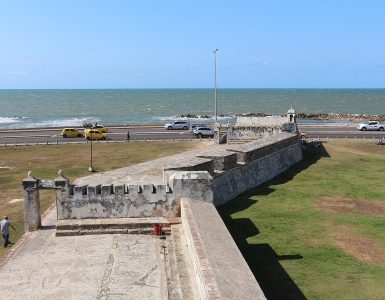
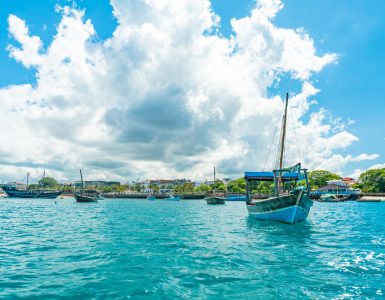
Almost every flight lands in the afternoon or evening, which settles the question for most visitors: Stone Town, 15 minutes from the airport, makes a far more sensible first night than a 90-minute drive to the beach after a long travel day. The old town’s coral-stone buildings and carved wooden doors — some dating to the Omani sultanate that ran the East African spice and, for a brutal stretch of the 19th century, slave trade from here — reward a slow half-day on foot far more than they reward being rushed through at the start or end of a beach-focused trip. Most visitors who skip Stone Town entirely regret it; most who give it two nights don’t regret a single one of them.
Stone Town is also the jumping-off point for two of the island’s best half-day trips, both easy to arrange through your hotel rather than needing to be booked from home: a spice tour through one of the plantations just outside town — Zanzibar’s original economic reason for existing, before tourism — and a boat trip to Prison Island, a short ride offshore, home to a colony of giant Aldabra tortoises and calmer snorkeling than the open beaches.

Getting to the north-coast beaches
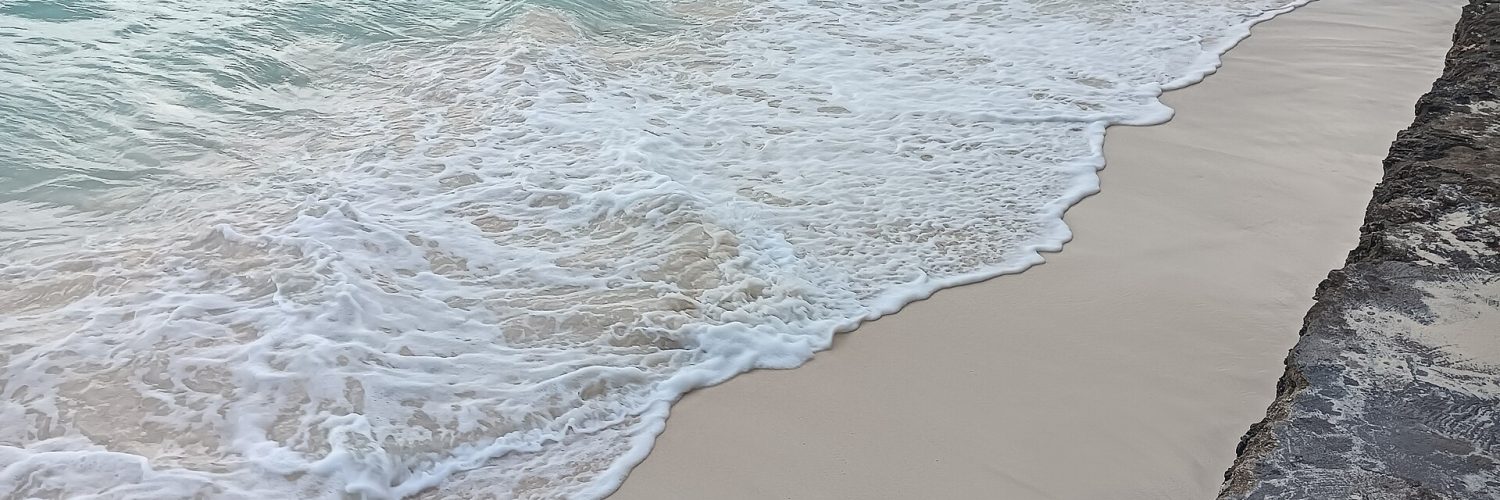
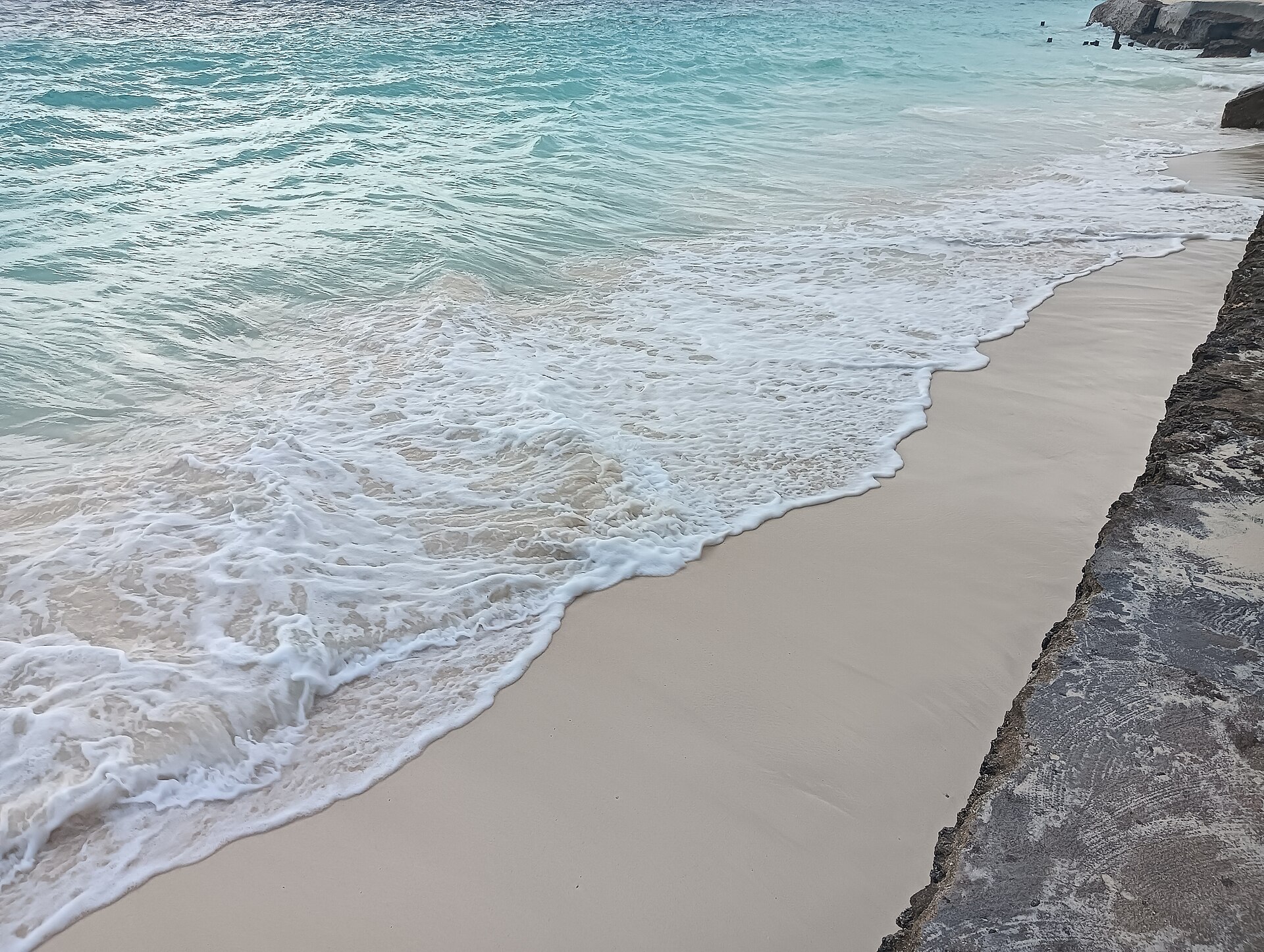
Nungwi and Kendwa, on the island’s northern tip, have the most reliably swimmable water at all tide levels — much of Zanzibar’s east coast empties out into mudflats at low tide, which catches first-time visitors who booked a beach hotel without checking this. Nungwi is also the busiest for nightlife; Kendwa, a short walk or tuk-tuk ride further along, is quieter and better known for its full-moon parties on a more occasional basis. The transfer from the airport runs through Zanzibar City traffic before opening onto better roads north, so the 75–90 minute estimate can stretch during the afternoon rush.
Where to stay
Stone Town suits a short cultural stay and puts you closest to the airport for a late arrival or early departure; the north coast is the better base for a beach-focused week. See our guide to where to stay in Zanzibar for a full neighborhood and budget breakdown.
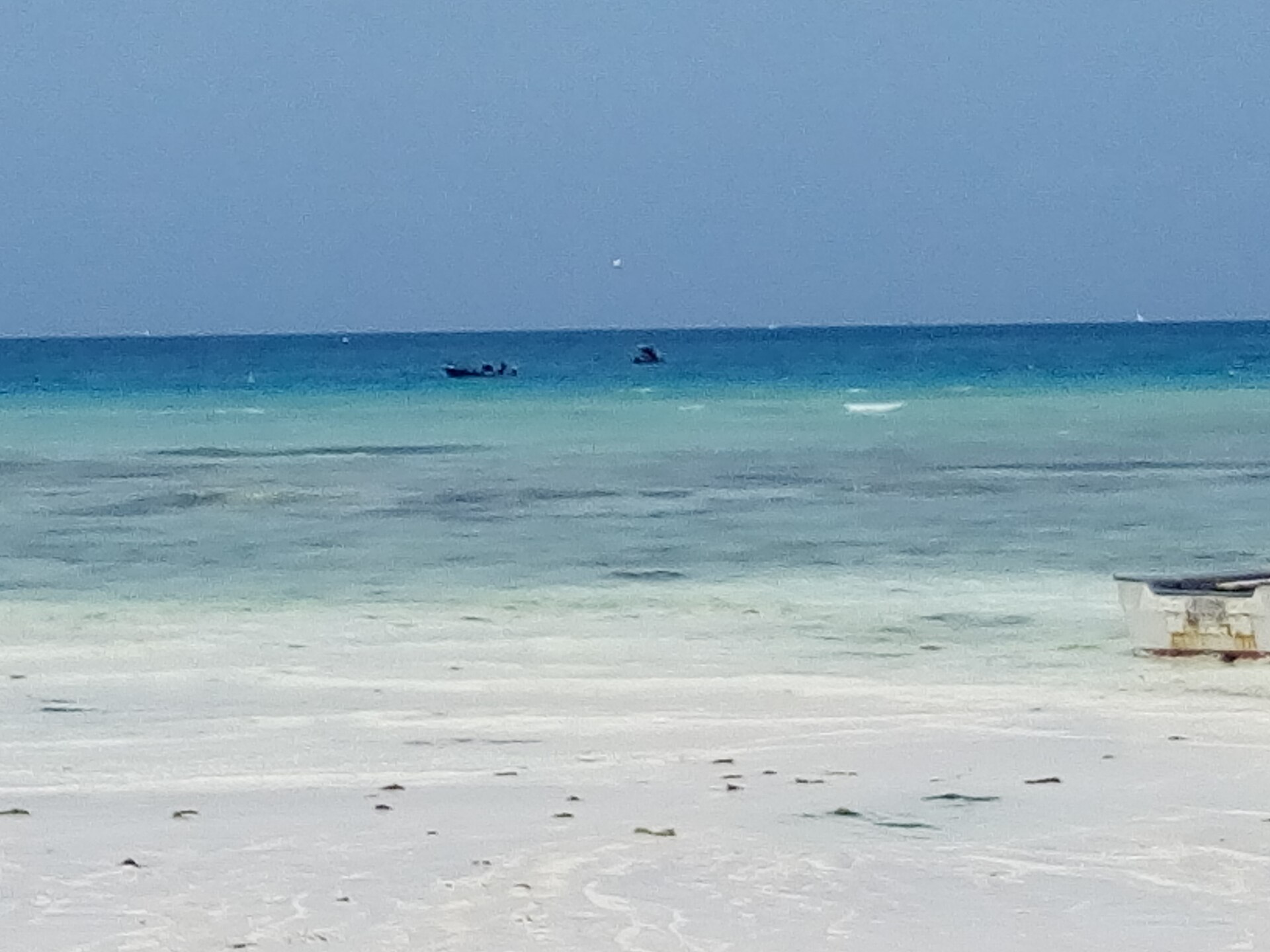
This is worth taking seriously when picking a hotel on the east coast (Paje, Jambiani, Bwejuu): at low tide the water can retreat hundreds of meters, leaving a walk across sand and seaweed flats before you reach anything swimmable, on a roughly twice-daily cycle tied to the tide tables rather than the clock. Some travelers love the exposed reef and tide-pool scenery this creates; others book a week expecting Nungwi-style water at all hours and are caught off guard. Check a tide chart for your specific dates, not just the season, before assuming any beach will be swimmable whenever you want it to be.
Renting a car instead
Self-driving is an option if you’re island-hopping between the east coast, Stone Town, and the north in the same trip, though most visitors find pre-booked transfers simpler for a straightforward airport-to-hotel-and-back trip. Zanzibar drives on the left, roads outside the main routes can be rough, and a Tanzanian temporary permit alongside your home license is generally required — check current requirements with your rental provider before you land, as enforcement and paperwork have tightened in recent years.
If you book a transfer in advance, confirm three things before you pay: the vehicle type (a sedan for up to three people is a different price than a minivan), whether the price already includes the return leg if you need one, and how the driver will identify themselves at arrivals — a name board with your name, not just a company logo, avoids the mild chaos of dozens of drivers holding signs at once. Zanzibar’s arrivals hall is small enough that a driver holding your name is easy to spot; without one, expect several minutes of drivers approaching you speculatively before you find the right one.
The fees that are already in your ticket (and the one that isn’t)
Zanzibar charges international departing passengers a tourism levy of around $45 one-way or $90 return, but it’s folded directly into the airfare — you won’t be asked to pay it separately at the airport, so there’s nothing to budget for on arrival or departure day beyond what you already paid for the flight. Separately, hotels apply an infrastructure levy of roughly $1–5 per person per night depending on the property’s star rating; this one is usually built into the quoted room rate rather than added at checkout, but it’s worth confirming when you book, since “already included” isn’t universal across every property.
When to go
June through October is the long dry season — the most reliable weather and the busiest, most expensive stretch. December to February is a shorter, hotter dry window with slightly better value. Avoid April and May if possible: the long rains (masika) bring heavy, sustained downpours that can disrupt beach days for stretches at a time, and some smaller lodges close entirely.
Practical notes
ATMs are available in Stone Town and at the larger resort areas but are less reliable further out, and machines occasionally run out of cash or reject foreign cards — carrying a mix of US dollars and a card is safer than relying on either alone. Bring US bills printed after 2006, in good condition, without tears or heavy creasing; older or damaged notes are frequently refused by exchange bureaus and even some hotels, a stricter standard than most travelers expect.
Zanzibar is part of Tanzania but operates its own immigration desk on arrival, separate from mainland Tanzania — if you’re arriving from the mainland rather than internationally, keep your passport handy regardless. Modest dress is expected in Stone Town away from the beach, particularly around the old town’s mosques. Cash (US dollars, reasonably fresh notes, and Tanzanian shillings) is still more reliably accepted than cards outside hotels and larger restaurants, so carrying some is worth it even if your accommodation takes cards.
Further reading
Where to stay in Zanzibar · Things to do in Nairobi · Things to do in Cape Town