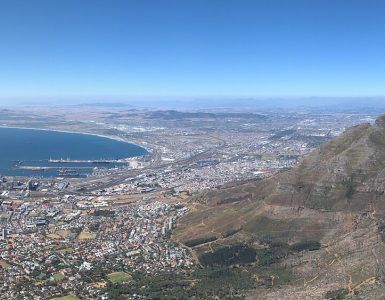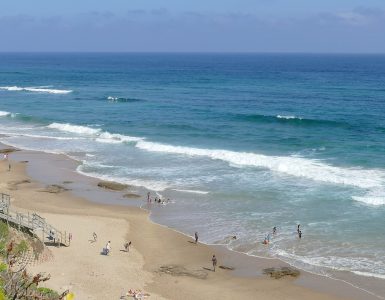
Cape Town is the rare city where the landscape is the main attraction and the city is the supporting act. A 1,085-metre mountain sits in the middle of it. Two oceans meet 60 km south. There are penguins on a suburban beach and wine estates 40 minutes from the airport.
That geography is also the planning problem. Almost nothing worth seeing is walkable from anything else, the weather closes the best attraction without warning, and the public transport does not go where visitors want to go. Here is how to handle all three.
The Table Mountain problem
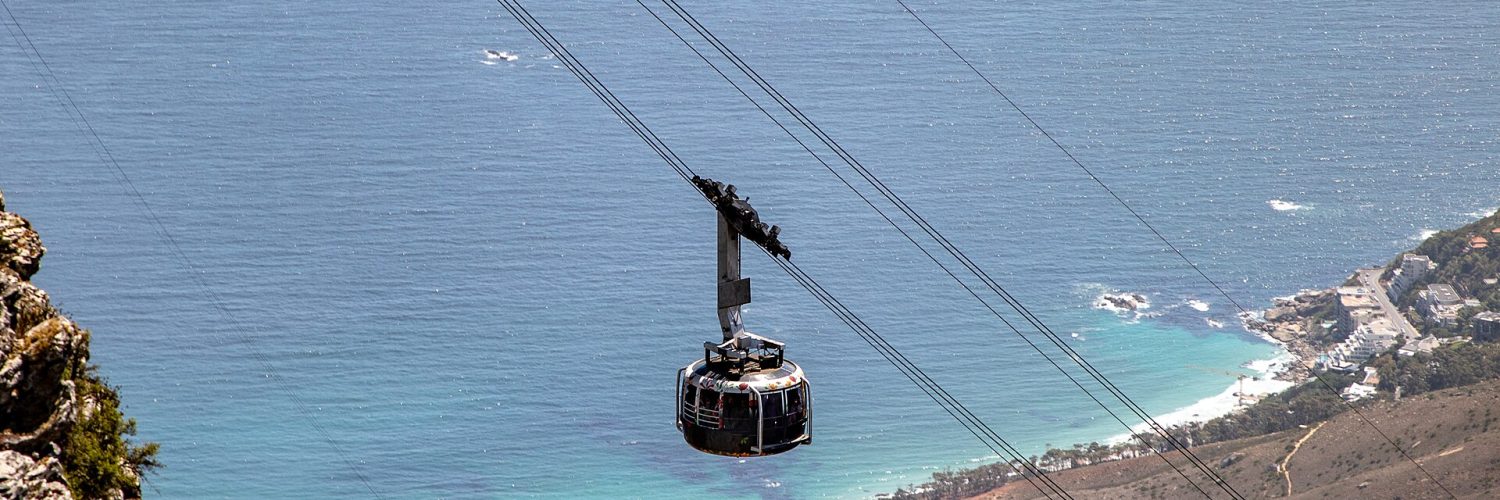
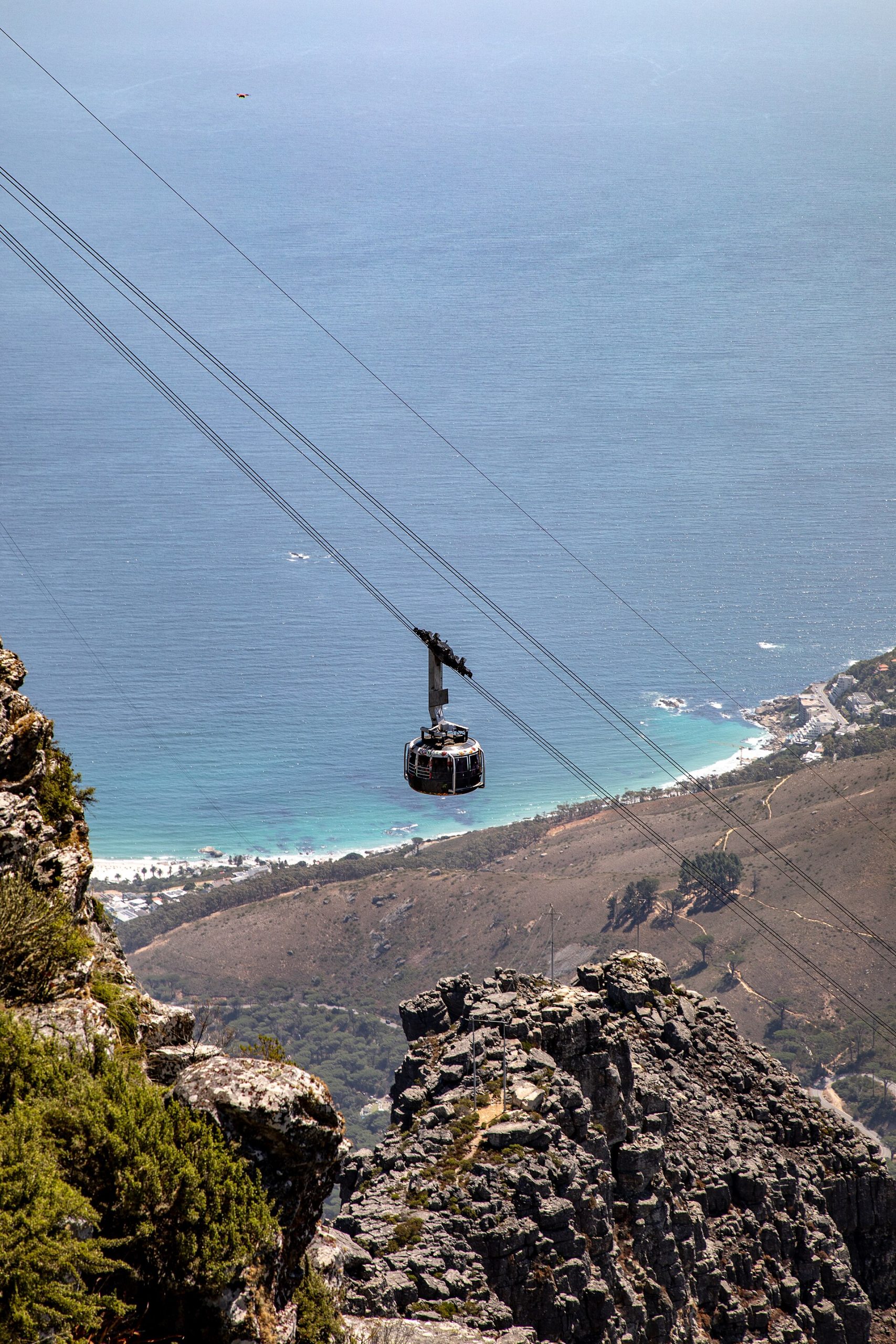
Start here, because it governs your whole itinerary. The Aerial Cableway closes whenever the wind is too strong or visibility is poor, which in practice means it is shut on a meaningful number of days, sometimes at an hour’s notice after opening.
- Do not book it for your last day. Put it on day one or two so you have a second and third chance.
- Check the cableway status every morning before you commit to anything else. If it is open and clear, drop your plan and go.
- Go early. Queues build from mid-morning and the summer afternoon cloud, known locally as the tablecloth, rolls in from the southeast.
- Walking up via Platteklip Gorge takes 90 minutes to two hours and is steep, exposed and unshaded. Genuinely rewarding, genuinely not a casual stroll.
- Lion’s Head is the alternative — a shorter, spiralling hike with arguably a better view, because it includes Table Mountain in the picture.
Here is what is currently bookable around Cape Town and roughly what it costs:
The other things that need booking
- Robben Island. The ferry from the V&A Waterfront to the prison where Nelson Mandela spent 18 years. Tours are led by former political prisoners. Capacity is limited, it sells out days ahead in season, and the ferry is cancelled in rough seas.
- Kirstenbosch Botanical Garden. On the mountain’s eastern slopes, with the Boomslang treetop canopy walkway. Summer sunset concerts sell out early.
- Cape Point and the Cape of Good Hope. Inside Table Mountain National Park, roughly 70 km south. A conservation fee applies at the gate.
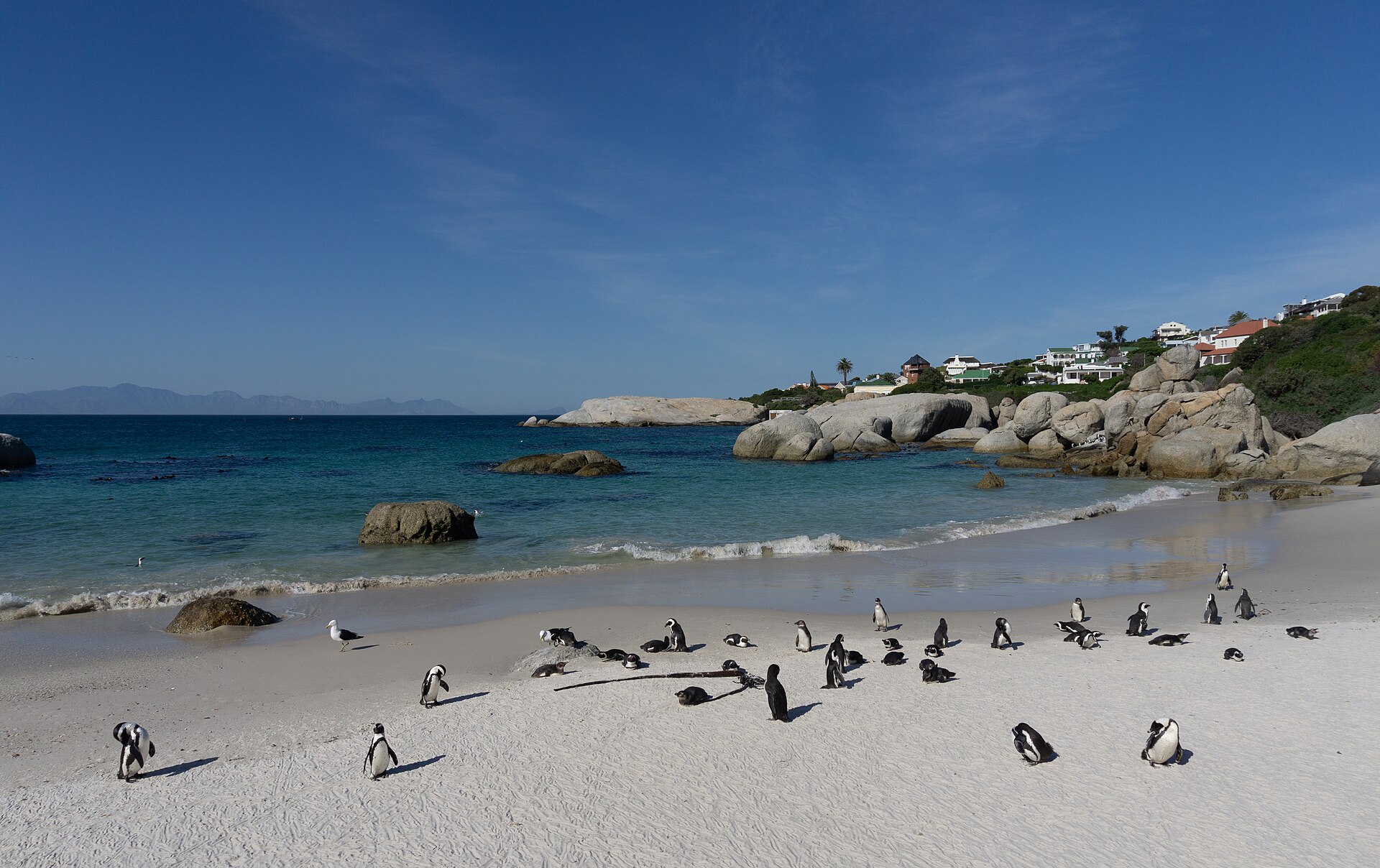
- Boulders Beach. The African penguin colony at Simon’s Town, also inside the national park with its own entry fee.
- Cage diving and shark tours from Gansbaai, two hours east. Weather-dependent and heavily seasonal.
Why you need a car here
This is the clearest case for a rental of any major city we have covered. Cape Town’s attractions are strung along 100 km of coastline and mountain road, and the public transport network — MyCiTi buses and the metro rail — serves commuters rather than visitors.
The Cape Peninsula loop is the reason: Camps Bay, Hout Bay, Chapman’s Peak Drive, Cape Point, Boulders Beach, Simon’s Town, then back through Muizenberg. It is one of the great coastal drives anywhere and it is a full, spectacular day. Chapman’s Peak is a toll road and closes in bad weather or after rockfalls.
Compare Cape Town car rental rates — an economy car runs roughly ZAR 400 to 700 a day depending on season. Note that South Africa drives on the left, that an International Driving Permit is required alongside your home licence, and that our Garden Route car rental guide covers the onward drive east.
If you would rather not drive, guided day tours cover the peninsula and the winelands, and a pre-booked airport transfer handles the arrival. Our Cape Town airport transfer guide compares the options.
The winelands
Stellenbosch, Franschhoek and Paarl are 45 to 60 minutes from the city and are among the most beautiful wine regions in the world. The Franschhoek Wine Tram is the practical answer to the drinking-and-driving problem — a hop-on hop-off tram and bus loop between estates.
Tastings typically run ZAR 80 to 200 for five wines, which by international standards is remarkable value. Many estates have excellent restaurants and most require booking for lunch.
Where to stay
- V&A Waterfront — safest, most polished, most expensive. Walkable to the Robben Island ferry and the Zeitz MOCAA museum.
- City Bowl and Gardens — central, close to Kloof Street restaurants and the Company’s Garden, good value.
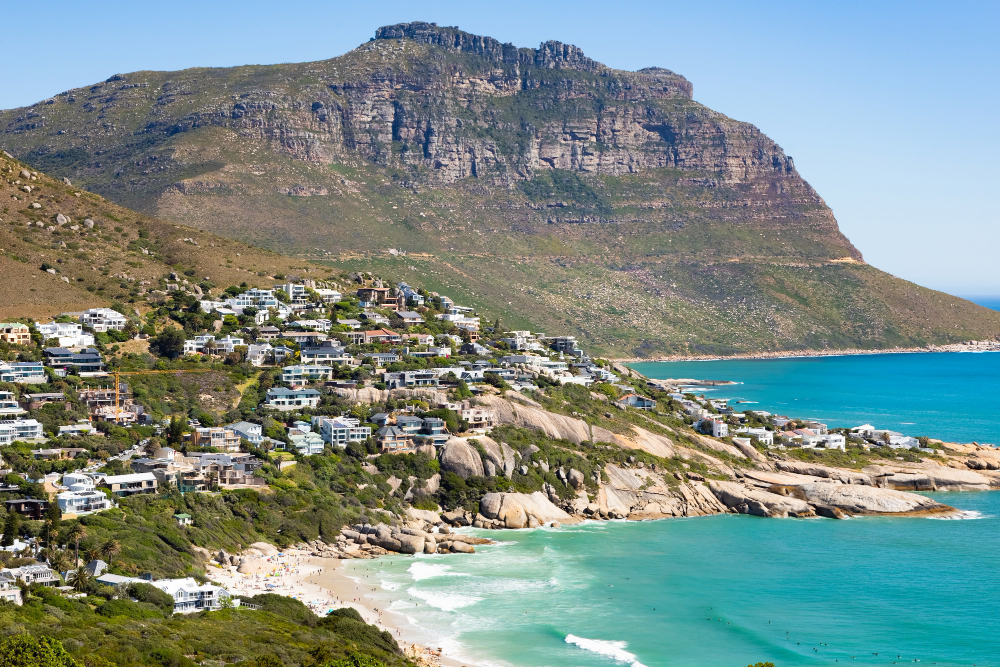
- Camps Bay and Clifton — beach front, sunset views, a 15-minute drive from the centre.
- Sea Point — a long ocean promenade, good restaurants, better value than Camps Bay.
- Constantia — leafy and quiet, next to the winelands, needs a car.
Cape Town is at its most expensive from December to February, which is South African summer and school holidays. Compare Cape Town accommodation well ahead for that window.
When to go
The seasons are inverted from the northern hemisphere. December to February is hot, dry and busy, with the strong southeaster wind that closes the cableway. March to May is the local secret — warm, still, and quiet. June to August is the rainy winter, green and cheap, with whale watching along the coast from Hermanus. September to November brings wildflowers and improving weather.
For most visitors, March, April, October and November are the sweet spots: good weather, fewer people, lower prices.
Safety, honestly
Cape Town has real crime statistics and pretending otherwise helps nobody. What that means in practice for visitors is narrower than the headlines suggest:
- Do not walk at night outside the V&A Waterfront and central Sea Point. Use a rideshare — they are cheap and plentiful.
- Do not leave anything visible in a parked car, ever, anywhere.
- Hike in groups on Table Mountain and Lion’s Head, and stick to the main routes. Isolated trails have had incidents.
- Township tours should be booked with established operators who work with the communities involved.
- Load shedding — scheduled power cuts — has affected the country for years. Most hotels have backup power; check when booking.
Practical notes
- Currency is the rand. Cards are accepted almost everywhere; carry some cash for parking attendants and tips.
- Tipping is 10 to 15 percent in restaurants, and a few rand for the informal car guards who watch parked cars.
- Water is safe to drink from the tap.
- The sun is fierce. Cape Town sits under a thin ozone layer and burns catch people out even on cool days.
- Connectivity. A South African eSIM costs a few dollars and matters more than usual here, because you will be navigating unfamiliar roads.
A workable four-day shape
Cape Town rewards flexibility more than a fixed plan, because the weather decides. Build the days around the mountain rather than the other way round:
- Day 1 — the city, weather permitting the mountain. Check the cableway first thing. If it is open, go immediately and do the city afterwards: the Company’s Garden, Bo-Kaap, the District Six Museum. If it is closed, do the city and keep the mountain in reserve.
- Day 2 — the Cape Peninsula. The full loop, leaving by 08:00. Camps Bay, Hout Bay, Chapman’s Peak, Cape Point, Boulders Beach, home through Muizenberg. This is a nine-hour day and worth every hour of it.
- Day 3 — Robben Island and the Waterfront. Morning ferry, afternoon at the Zeitz MOCAA contemporary art museum, sunset at Sea Point promenade.
- Day 4 — the winelands. Stellenbosch or Franschhoek, two or three estates, a long lunch.
Keep one flexible half-day in reserve. If the mountain has been closed all week and suddenly clears, everything else moves.
What Cape Town costs
South Africa is inexpensive for most visitors, and the gap is widest on food and wine.
- Restaurant main course: ZAR 150 to 300 in a good place.
- Wine tasting: ZAR 80 to 200 for five wines.
- Table Mountain cableway return: roughly ZAR 420 to 460 for an adult, cheaper before 09:00.
- Robben Island tour including ferry: around ZAR 600.
- Car rental: ZAR 400 to 700 a day for an economy car, plus fuel at roughly ZAR 22 a litre.
- Rideshare across the city: ZAR 60 to 150.
Two people can eat and drink extremely well for what a mid-range lunch costs in western Europe. Accommodation is where the money goes, particularly in the December to February peak.
Related reading
- Cape Town airport transfer guide
- Car rental on the Garden Route
- What a Kilimanjaro climb actually costs
Prices are indicative for 2026. Check current government travel advice before booking. Some links on this page are affiliate links; using them costs you nothing and helps keep this site running.