Lisbon is built on seven hills above a river mouth wide enough to look like the sea, and almost everything that makes it difficult also makes it good. The gradients are punishing. The pavements are polished limestone that turns lethal in rain. The trams are a century old and full. And the result is a capital that feels handmade in a way that Paris and Madrid simply do not.
It is also changing fast. A decade of tourism growth and remote-worker arrivals has pushed rents up and pushed residents out of the historic centre, which is worth knowing before you book an apartment in Alfama.
Why the city looks the way it does
On All Saints’ Day in 1755, an earthquake estimated at magnitude 8.5 or higher struck offshore. The shaking brought down much of Lisbon, a fire burned for days, and a tsunami came up the Tagus into the ruins. Tens of thousands died and the lower city was effectively erased.
The reconstruction under the Marquis of Pombal is why central Lisbon has a grid. The Baixa district was rebuilt on a rational plan with wide straight streets and some of the earliest earthquake-resistant construction anywhere — timber cages inside the masonry, tested by marching troops around scale models. The hills either side, Alfama and Bairro Alto, largely survived the quake, which is why they kept their medieval tangle of lanes.
So the city reads as two things at once: an eighteenth-century planned centre with hills of much older streets rising on both sides.
Getting in from Humberto Delgado
Lisbon Airport is unusually close — 7 km from the centre, which is close enough that flight paths cross the city. Metro line red reaches the centre in about 20 to 30 minutes for a couple of euros. The Aerobus runs to the main squares. A taxi runs EUR 15 to 25 to most central addresses.
The catch is the hills. If your accommodation is halfway up Alfama or Bairro Alto, the metro station is at the bottom and you will be dragging a suitcase up a cobbled gradient. That is the case for a pre-booked transfer here more than in most cities — the driver takes you to the door.
The things worth booking
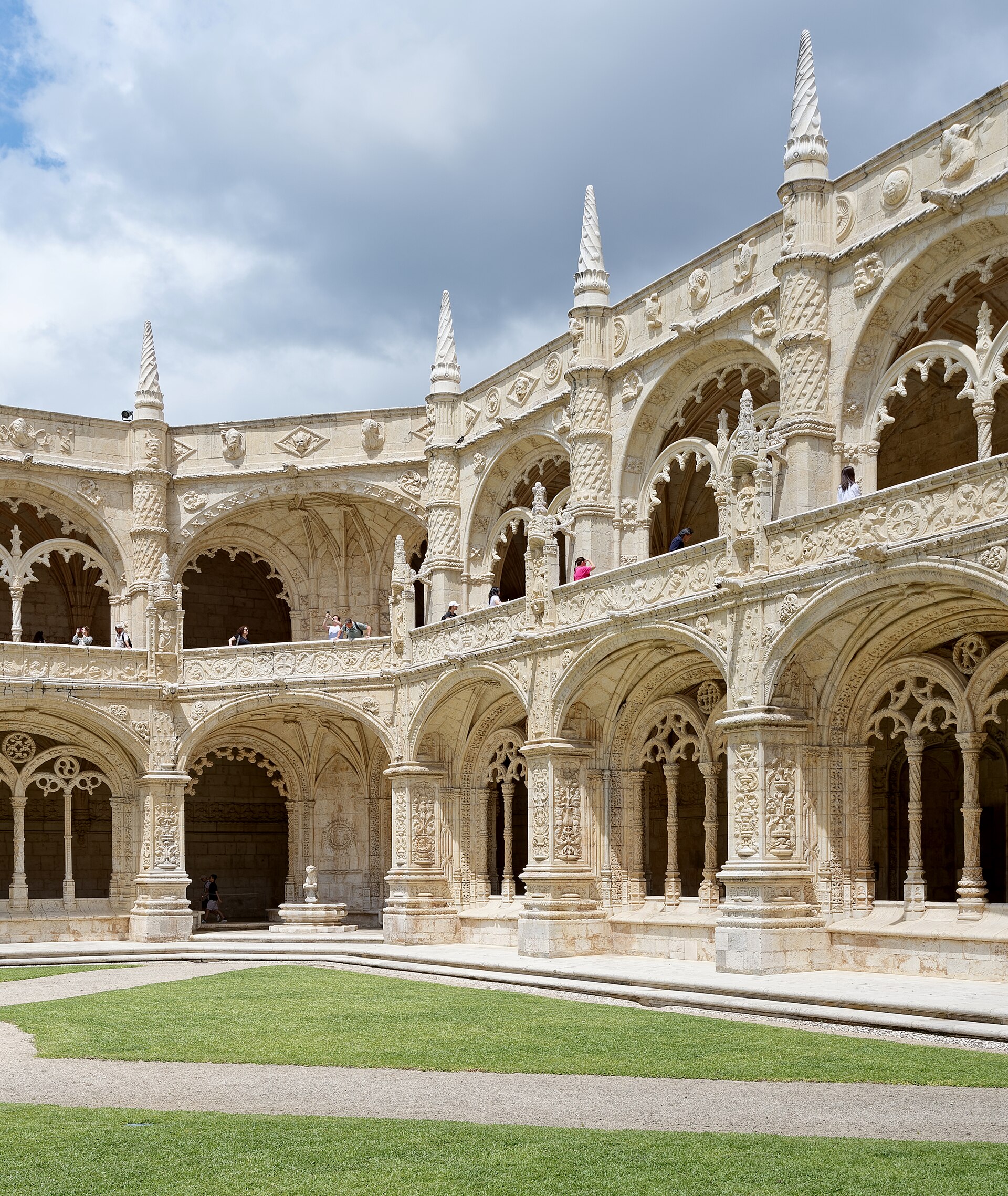
- Jerónimos Monastery — around EUR 18, in Belém. Manueline architecture at its most extravagant, built on the wealth of the spice trade. The church is free; the cloister is what you pay for and it is the best thing in Lisbon.
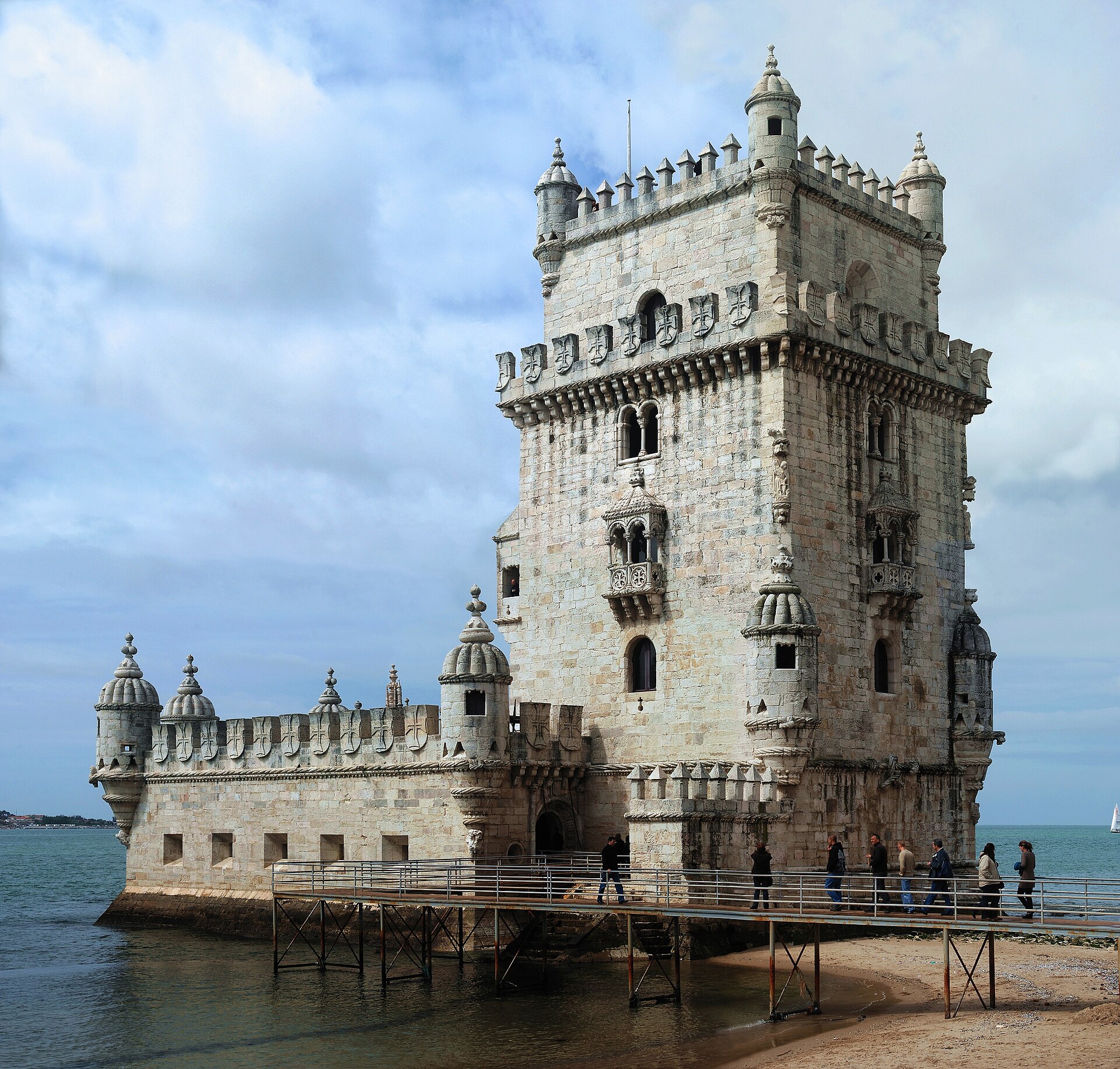
- Belém Tower — around EUR 8. Small, photogenic, and the queue is often longer than the visit. Worth it mostly for what it represents: the departure point for the voyages that built the empire.
- São Jorge Castle — around EUR 15. Moorish walls at the top of Alfama with the best panorama in the city.
- Museu Nacional do Azulejo — the tile museum, in a former convent, and consistently the favourite of people who go.
- Museu Calouste Gulbenkian — a private collection of extraordinary range, in a garden, and almost never crowded.
- Oceanário — one of the largest aquariums in Europe, out at Parque das Nações.
- Fado — the music. Small venues in Alfama and Bairro Alto, and the good ones require booking.
Here is what is currently bookable in Lisbon and roughly what it costs:
The free Lisbon
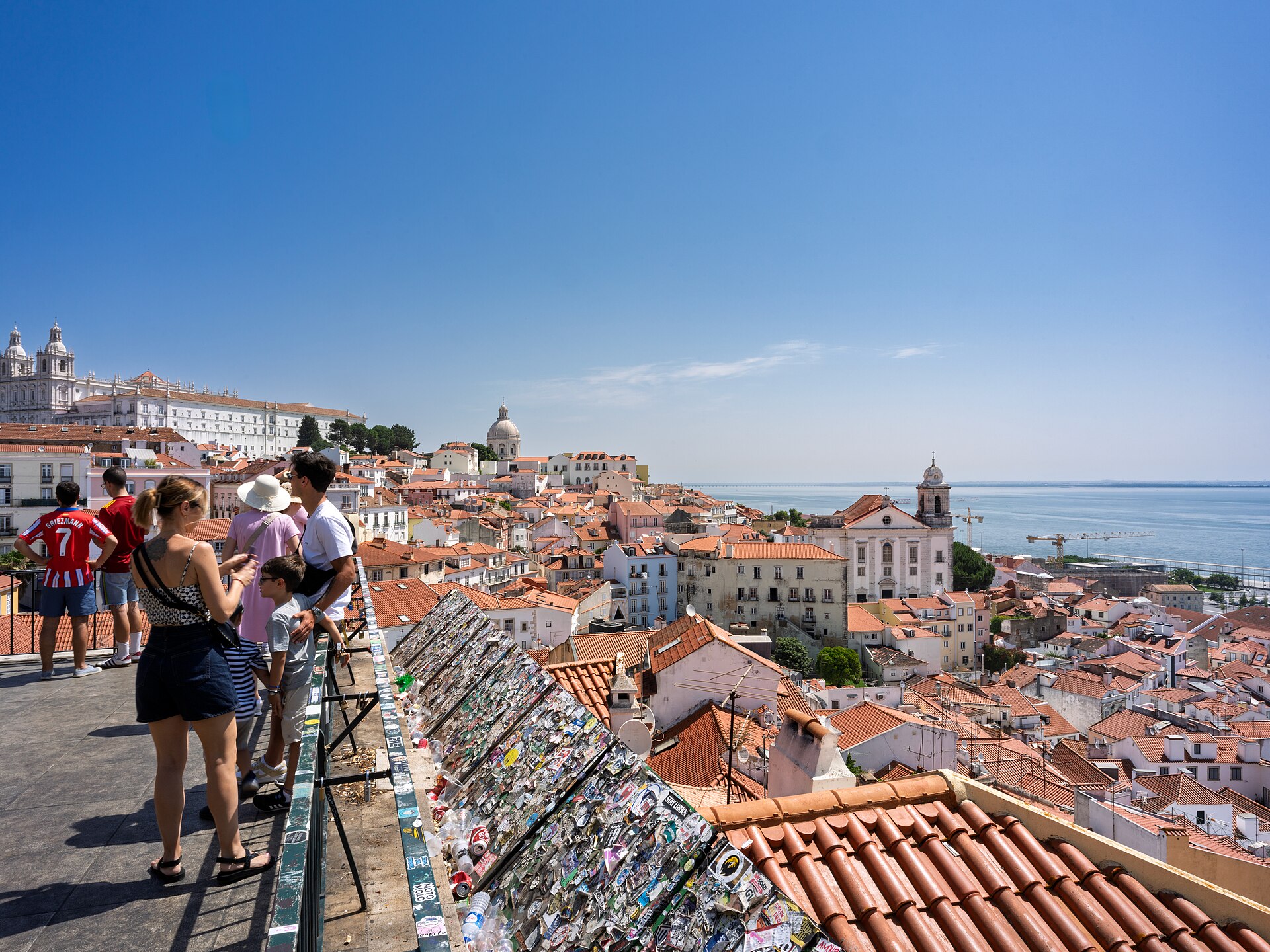
- The miradouros. Lisbon has a dozen public viewpoints, each with a view and usually a kiosk selling beer. Senhora do Monte, Graça, Santa Catarina and São Pedro de Alcântara are the best. Sunset at any of them costs nothing.
- Walking Alfama. Get lost deliberately. It is the oldest district, it survived the earthquake, and it is small enough that you cannot go badly wrong.
- Praça do Comércio — the great river-facing square where the royal palace stood before 1755.
- LX Factory — a converted industrial complex under the bridge, full of bookshops and restaurants.
- The Tagus waterfront from Cais do Sodré to Belém, walkable or cyclable, about 6 km.
- Sunday mornings at Feira da Ladra, the flea market behind São Vicente.
Trams, funiculars and the hill problem
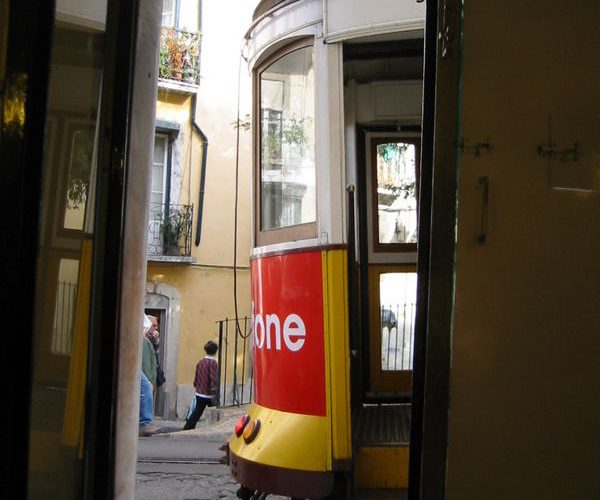
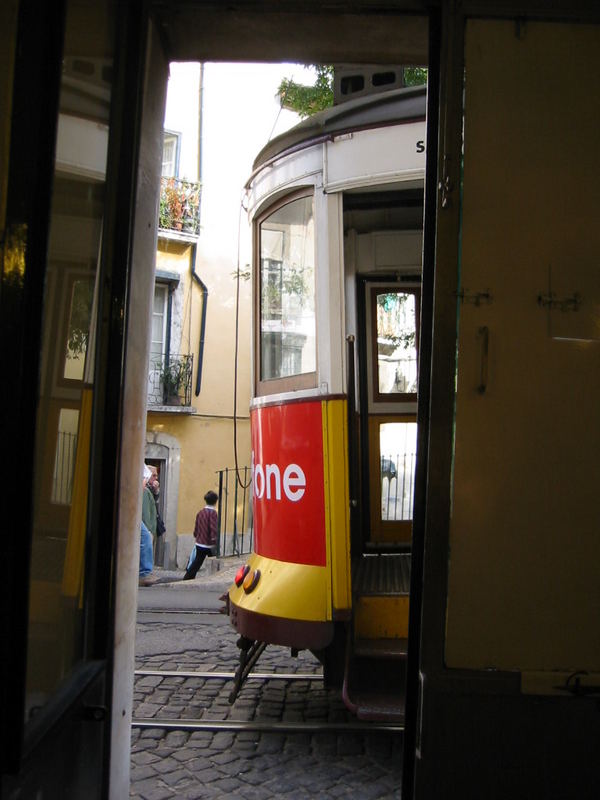
Tram 28 is the famous one, and it is both a genuine public service and a tourist attraction that has been overwhelmed by its own fame. It climbs from Martim Moniz through Graça, Alfama, Baixa and up to Estrela on hundred-year-old Remodelado cars.
- Board at Martim Moniz, the eastern terminus, if you want a seat. By the third stop it is full.
- Go early or late. Before 09:00 or after 20:00 it is a different experience.
- Pickpockets work this route systematically. Bag in front, phone away.
- Tram 12 covers a shorter loop of the same ground with a fraction of the crowd.
- The funiculars — Glória, Bica and Lavra — are short, steep and count as public transport on a Viva Viagem card.
- The Santa Justa Lift has a long paid queue for a view you can reach free by walking round to the Carmo Convent terrace.
Eating in Lisbon
- Pastel de nata. The originals are at Pastéis de Belém, made to a recipe from the monastery next door. Excellent versions exist all over the city; the queue in Belém moves fast because most people take away.
- Tascas — small family restaurants, paper tablecloths, a handwritten menu, and the best value food in the city.
- The couvert. Bread, olives and cheese arriving unasked is not free. Send it back if you do not want it; there is no offence in doing so.
- Bacalhau — salt cod, supposedly with 365 preparations. Bacalhau à Brás is the one to start with.
- Time Out Market at Cais do Sodré gathers well-known chefs under one roof. Good food, high prices, and always busy.
- Ginjinha — sour cherry liqueur, served in a shot glass from tiny bars near Rossio for about EUR 1.50.
A three-day shape
- Day 1 — Baixa, Alfama and the castle. Start in Praça do Comércio, walk up through Baixa, then into Alfama, castle in the afternoon, miradouro at sunset, fado in the evening.
- Day 2 — Belém. Tram or train west along the river. Jerónimos, the tower, the Monument to the Discoveries, pastéis, then the Coach Museum or MAAT.
- Day 3 — Bairro Alto, Chiado and the modern city. Chiado in the morning, Gulbenkian in the afternoon, Bairro Alto in the evening.
Day trips
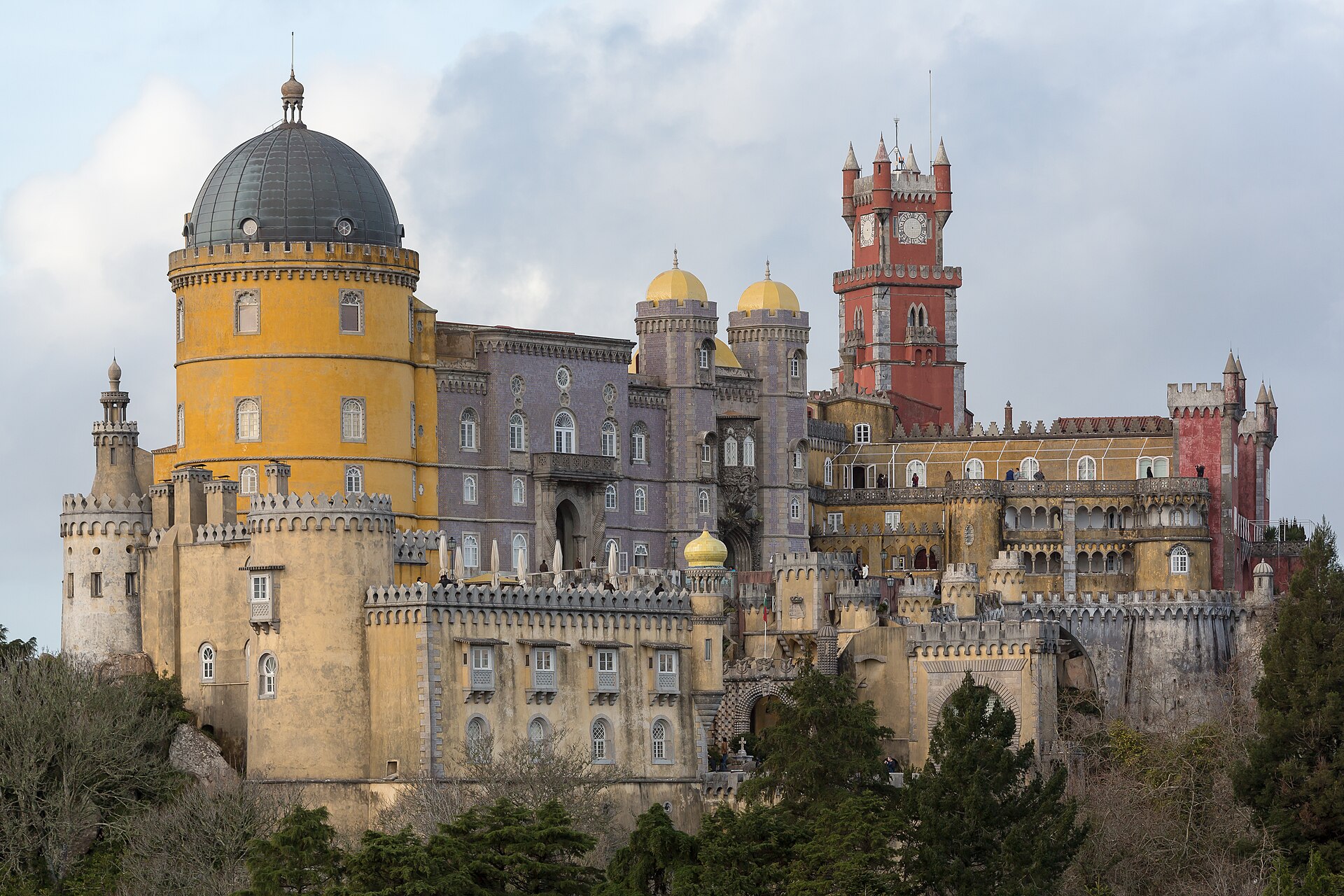
- Sintra — 40 minutes by train, and the single best day trip in Portugal. The Pena Palace, the Moorish castle and Quinta da Regaleira. Go early; it is extremely busy and the palaces use timed entry.
- Cascais and Estoril — 40 minutes along the coast by train, for beaches and a seaside town.
- Óbidos — a walled medieval village an hour north.
- Setúbal and Arrábida — an hour south for the best beaches near Lisbon, and much easier with a car.
- Évora — 90 minutes into the Alentejo, Roman temple and a chapel of bones.
Sintra and Cascais are better by train. The Arrábida coast, the Alentejo and the Algarve are where a car earns its place — compare Lisbon car rental rates and see our Algarve car rental guide if you are heading south.
Where to stay
- Baixa and Chiado — central, flat, well connected, the easy choice.
- Alfama — atmospheric and steep. Beautiful to stay in, hard work with luggage.
- Príncipe Real — elegant, leafy, good restaurants, slightly uphill from everything.
- Cais do Sodré — riverside, nightlife, the Time Out Market, good transport.
- Avenida da Liberdade — the grand boulevard, larger hotels, walkable to the centre downhill.
Lisbon is no longer the bargain it was, though it remains cheaper than most western European capitals. Compare Lisbon accommodation and check the gradient of the street before booking — the listing photograph will not show you the hill.
When to go
March to May and September to October are ideal: warm, clear and far less crowded than summer. July and August are hot and busy, though the Atlantic keeps Lisbon milder than Seville or Madrid. Winter is mild at 10 to 16 degrees, often sunny, and much cheaper.
The Santo António festivals in June fill Alfama with grilled sardines, paper decorations and street parties. It is chaotic and genuinely joyful.
Practical notes
- Wear grippy shoes. The calçada portuguesa pavement is polished limestone and genuinely slippery when wet.
- Get a Viva Viagem card for metro, trams, funiculars and buses. Cheaper than single tickets by a wide margin.
- Pickpocketing is the city’s real problem, concentrated on tram 28, the metro and crowded viewpoints.
- Tipping is modest — rounding up, or five to ten percent for good service.
- Lisboa Card bundles transport and museums including Jerónimos and Belém Tower, and pays off on a busy sightseeing day.
- Connectivity. Visiting from outside the EU, a Portuguese eSIM costs a few euros and is worth it for navigating the hills.
Related reading
Prices are indicative for 2026. Some links on this page are affiliate links; using them costs you nothing and helps keep this site running.