

Porto is compact enough that no neighborhood is truly a mistake — and layered enough that where you sleep completely changes the trip you have. River views and tourist crowds in Ribeira, tiled townhouses and galleries in Cedofeita, port wine lodges across the water in Gaia. Here’s how the neighborhoods actually compare, with realistic prices.

Ribeira — The Postcard (and the Price Tag)
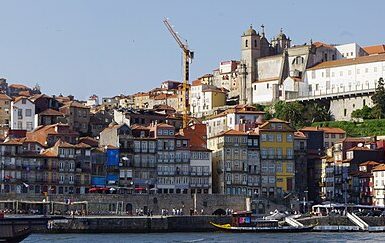
The UNESCO-listed riverfront is what you picture when you think of Porto: stacked pastel houses, the Dom Luís I bridge, rabelo boats. It’s also the most touristy and most expensive base, and the hill up to the center is steeper than it looks with a suitcase. Worth it for a short, romantic trip. Boutique rooms here run €150+ in season; browse Ribeira hotels here.
Baixa / Aliados — Best for First-Timers
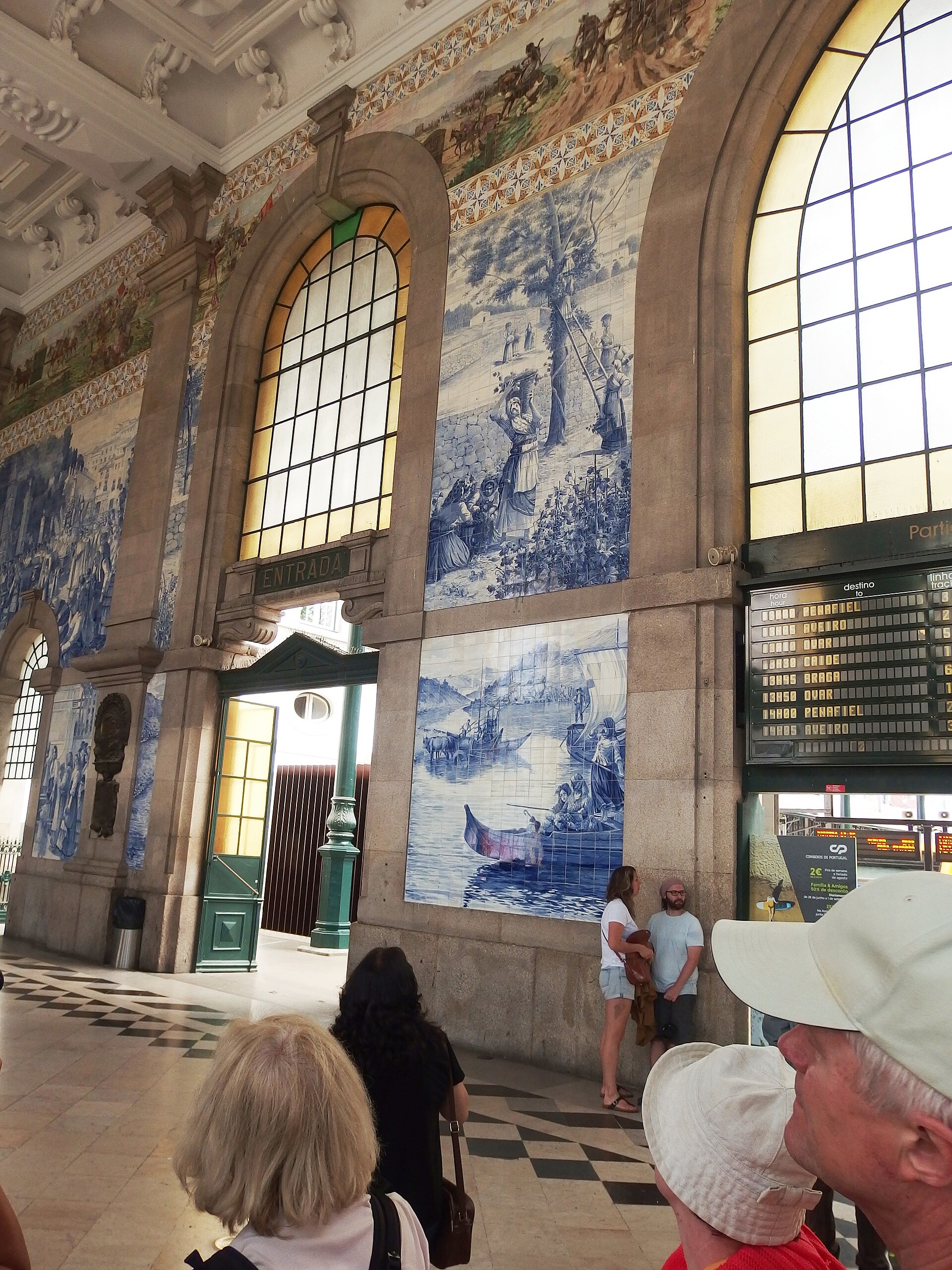
The downtown axis around Avenida dos Aliados and São Bento station puts everything in walking distance: Bolhão market, Livraria Lello, the metro to the airport. Mid-range hotels cluster here at €80–140 a night, with plenty of choice — compare downtown Porto options. If it’s your first visit, start your search in Baixa and only leave it for a good reason.
Cedofeita — Arty and Affordable
Northwest of the center, Rua de Miguel Bombarda’s gallery row anchors Porto’s creative quarter. Quiet streets, brunch spots, and noticeably lower prices — solid guesthouses from €50–80. You’ll walk 15 minutes to the riverfront and won’t mind once.
Bonfim — The Up-and-Comer
East of the center, Bonfim is where young Porto actually lives: tascas with €9 lunch menus, specialty coffee, and apartments that cost half of Ribeira’s rates. It made several “coolest neighborhoods in Europe” lists in recent years, and the value is still real.
Vila Nova de Gaia — Sleep Above the Port Lodges
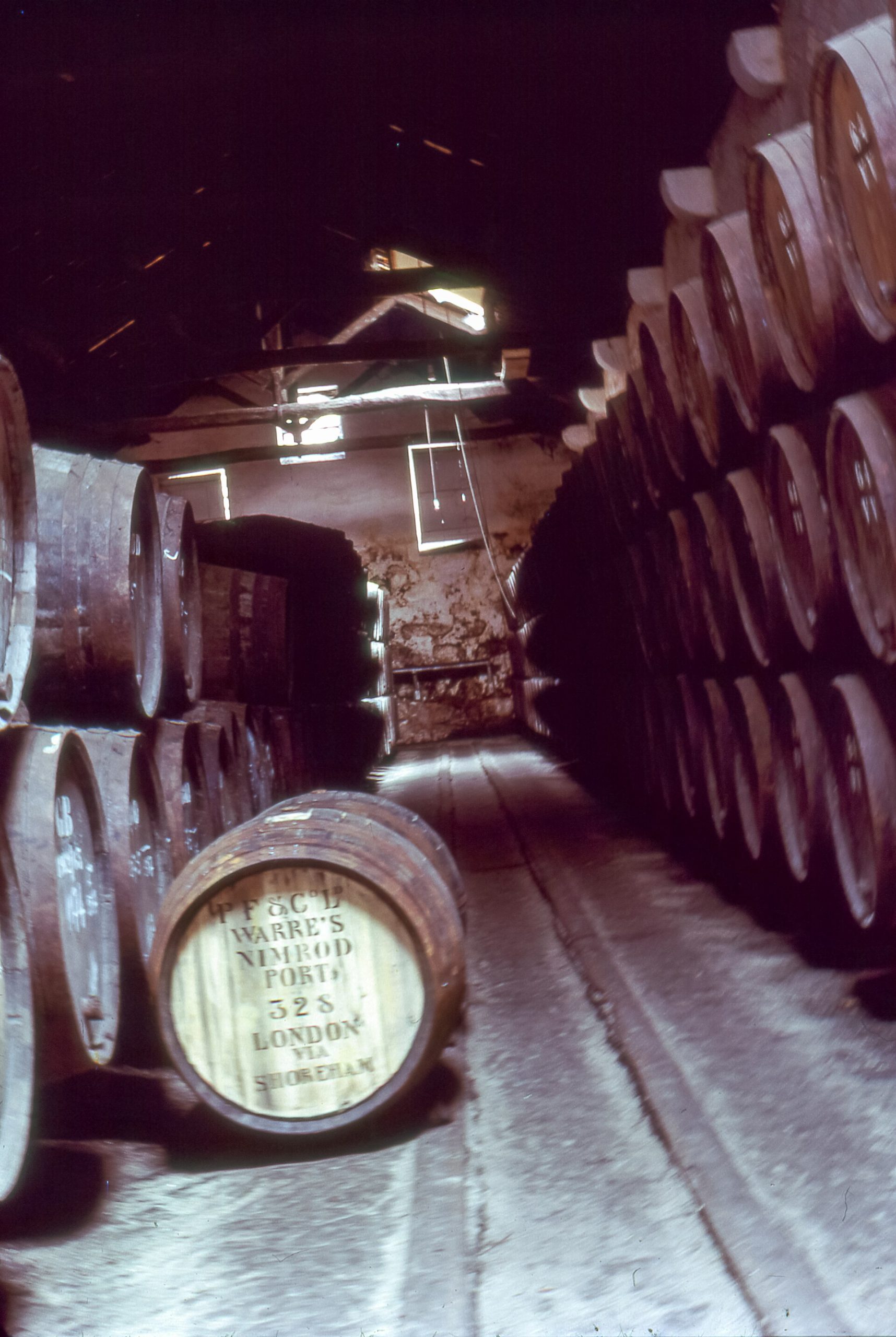
Technically a separate city across the Douro, Gaia gives you the best view in the region: all of Porto’s skyline from your window. The cable car, the port wine cellars (Sandeman, Graham’s, Taylor’s) and the WOW cultural district are at your doorstep. See Gaia riverfront stays — river-view rooms here often undercut equivalent views on the Porto side.
Foz do Douro — Beach and Calm
Where the river meets the Atlantic: a genteel, residential seaside strip with ocean-front promenades and some of Porto’s best seafood. You’ll ride the historic tram or a 20-minute bus into the center, which is exactly the point. Best for second visits and slow trips.
Practical Notes
- Airport to town: metro line E runs from the airport to Trindade in ~25 minutes for about €2.60 — taxis are rarely worth it.
- When to go: May–September is prime; book 2–3 months ahead for June, when the São João festival (June 23–24) fills the city.
- Hostel budget: €20–35 for a dorm bed almost anywhere central.
- Staying connected: grab an eSIM for Portugal before you land, and if you fancy exploring the Douro Valley on two wheels, see our Portugal motorcycle rental guide.
FAQ
Porto or Gaia — which side? Porto side for walkability and nightlife; Gaia for views and slightly better prices.
Is Ribeira noisy? The riverfront streets, yes, until late. Ask for a rear-facing room or book one street uphill.
Do I need a car in Porto? No — and parking is a nightmare. Rent one only for a Douro Valley day trip.

The one thing that decides where you stay: Porto is vertical
Every guide to Porto lists the same neighbourhoods. Almost none of them mention the detail that actually shapes your stay: the city is built on a steep slope above a gorge, and the difference between two hotels 400 metres apart on a map can be a 60-metre climb up granite steps.
The Ribeira sits at river level. The Baixa sits at the top. Between them is a near-continuous staircase. This matters enormously if you have luggage, mobility limitations, or any intention of coming home after dinner without a fight. Before booking anything in the historic centre, look at the property on a satellite map and work out whether it is above or below you, and whether there is a road a taxi can actually reach.
The upper and lower decks of the Dom Luís I Bridge exist for the same reason. The top deck carries the metro and pedestrians and connects the Baixa to the high ground in Gaia; the bottom deck connects Ribeira to the port lodges at river level. Taking the wrong one adds a substantial climb.
What it costs, roughly
Porto remains cheaper than Lisbon, but the gap has narrowed considerably. As a rough guide for a double room in shoulder season: hostels and simple guesthouses at the lower end, mid-range boutique hotels in the Baixa in the middle, and Ribeira riverfront rooms with a view at a clear premium for the same standard of room. Prices climb sharply from June to September and around New Year, and dip noticeably from November to February, when the weather is wet but the city is at its most liveable.
One booking note specific to Porto: many historic-centre buildings are narrow, tall and converted, which means no lift and rooms on the fourth floor. This is almost always disclosed but easy to miss.
Getting there from the airport
Francisco Sá Carneiro airport is about 11 km north of the centre and is unusually well connected. The metro Line E (violet) runs from the terminal into the city in around 30 minutes and costs a couple of euros plus a reusable Andante card — genuinely one of the better airport metro links in Europe. A taxi or ride-hail takes 20 to 25 minutes.
The caveat is the same as above: the metro will put you at a station, and the last 300 metres to your accommodation may be uphill and stepped. With heavy luggage, arriving late, or staying in the Ribeira, a door-to-door transfer is worth the difference.
Do you need a car?
Inside Porto, no — and it is actively a liability. The historic centre is a maze of narrow one-way streets, much of it restricted, and parking is both scarce and expensive. Nearly every hotel that offers parking charges for it.
Where a car earns its keep is the Douro Valley. The vineyard terraces upriver are the reason many people come to northern Portugal, and while there are trains to Pinhão and organised tours, a car lets you reach the smaller quintas on your own schedule. The sensible pattern is to stay in Porto without a car, then hire one for two or three days for the valley.
When to go
Porto has an Atlantic climate, which means it rains — considerably more than Lisbon, and mostly between November and March. May, June and September are the best months: warm, long days, and the crowds thinner than July and August. Winter is cheap, atmospheric and genuinely wet; bring a coat and plan indoor things.
Two dates worth knowing. São João on the night of 23 June is the city’s biggest festival, an all-night street party where people hit each other with plastic hammers — extraordinary, and accommodation books out months ahead at multiples of the usual rate. Port lodge tours in Gaia are busiest in the afternoon; go in the morning.
Further reading
- Things to do in Lisbon
- Bike rental in Porto
- Motorbike rental in Porto
- Car rental in the Algarve
- The best eSIM for Portugal




Add comment