
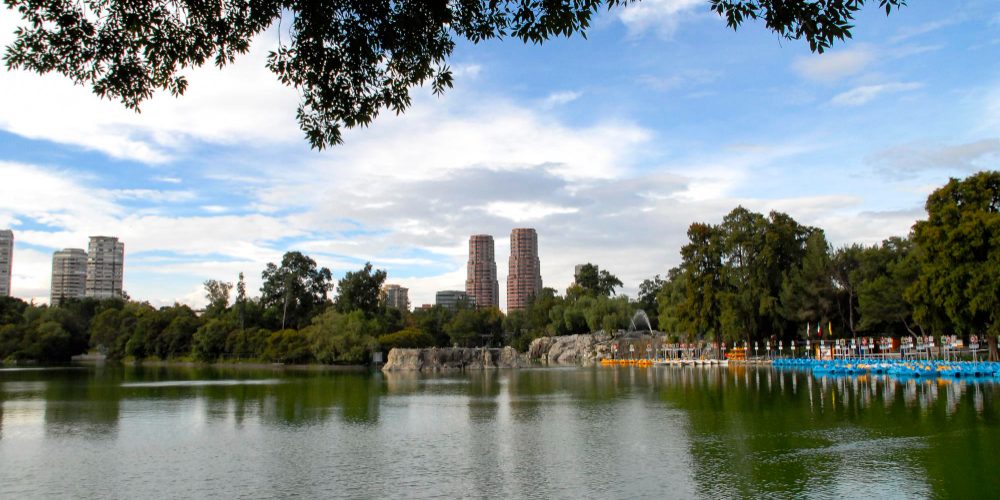
Mexico City is enormous — over 1,500 neighborhoods across a valley of 22 million people — but the areas that make sense for a first or second visit fit on one short list. Where you sleep shapes everything here: your commute to the sights, your restaurant options, and how much of the city’s famous cafe life happens outside your door. Here is the honest comparison.
Roma Norte — the Default for Good Reason
Tree-lined streets, art deco facades, and arguably the best food-per-block ratio in the Americas. Roma Norte suits first-timers, food travelers, and anyone who wants to walk out the door into the action. The trade-off is popularity: weekend nights are loud on the main corridors, and prices have risen with the digital-nomad wave. Boutique hotels run $80–180/night; excellent guesthouses less. Browse Roma Norte stays here.
Condesa — Roma’s Calmer, Greener Twin
Wrapped around two parks and the looping Amsterdam avenue (a former racetrack), Condesa is quieter, slightly more residential, and made for morning runs and long breakfasts. It shares Roma’s walkability without quite as much late-night noise. If you hesitate between the two, pick by street: anything near Parque México is gold. See Condesa options here.
Polanco — Upscale, Polished, and a Bit Removed
Mexico City’s luxury district: designer avenues, the Anthropology Museum on its edge, and most of the city’s five-star inventory. It is safe, manicured, and excellent for business travel or a splurge — but it feels more Beverly Hills than Mexico, and you will taxi to the historic core. Expect $150–400/night at the name-brand properties.
Centro Histórico — the Sights at Your Door, With Caveats
Staying by the Zócalo puts the cathedral, Templo Mayor and Palacio de Bellas Artes within a stroll, and hotel prices are the best in this list — solid rooms from $40–80/night. The caveats: the area empties and dims after shops close, some blocks are scruffy, and nightlife is thin. Ideal for museum-focused trips of 2–3 nights; less ideal as a week-long base. Compare Centro hotels here.
Coyoacán — for Second Visits and Slow Mornings
Frida Kahlo’s cobblestoned village, absorbed by the city but still village-like, sits 30–45 minutes south of the center. Wonderful plazas, markets and color — but you will spend real time in transit to everything else. Choose it deliberately, not by accident.
Practical Notes That Outrank the Neighborhood Choice
- Altitude: at 2,240 m, take day one gently — hydrate, go easy on the mezcal.
- Noise: the city is loud. Interior-facing rooms are worth requesting anywhere.
- Getting around: Uber is cheap, ubiquitous and the standard tourist choice; the Metro is efficient but best avoided at rush hour with luggage.
- Connectivity: sort your data before landing — see our guide to the best eSIM for Mexico.
More in this series: Where to Stay in Porto: A Neighborhood-by-Neighborhood Reality Check.
What You Will Actually Pay in 2026
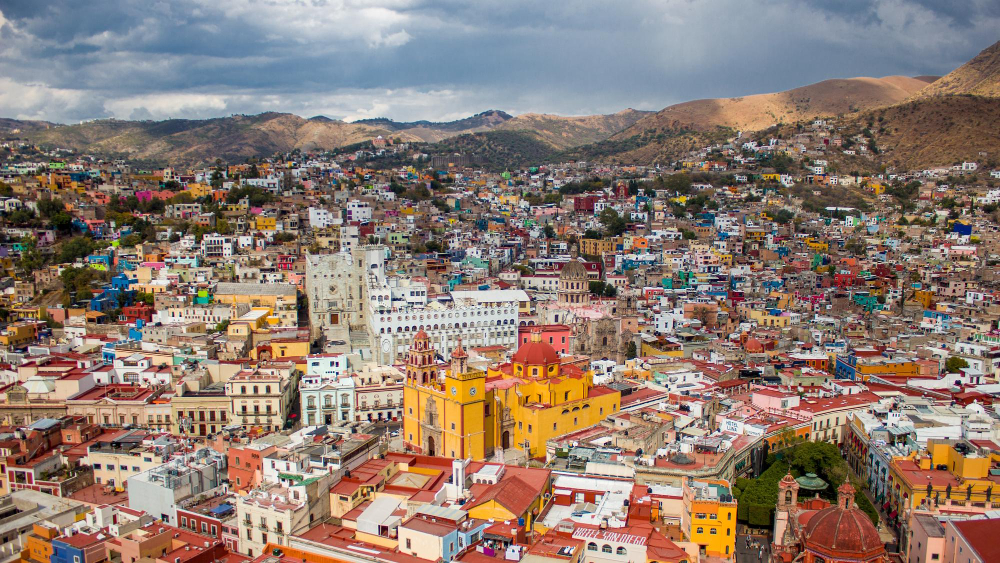
Mexico City’s hotel market has climbed with its popularity, but value survives. Rough nightly guide: hostel dorms in Roma or Centro $15–25; well-reviewed guesthouses and small hotels $45–80; the design-hotel tier that made Roma Norte famous $100–180; Polanco’s international five-stars $250–450. Apartment rentals undercut hotels meaningfully for week-plus stays — $50–90 a night rents a genuinely nice one-bedroom in Roma Sur or Escandón, the neighborhoods locals moved to when Roma Norte’s prices went international. Book six weeks out for Día de Muertos (late October–early November), Formula 1 weekend, and Easter — the whole city sells out for the first two.
Search Mexico City Hotels
Compare nightly rates across every neighborhood below in one search:
Altitude, Water and Other Arrival Notes
The city sits at 2,240 metres — expect two breathless days if you arrive from sea level, and drink more water than usual (bottled or filtered; not tap). Uber and DiDi are cheap, ubiquitous and the standard visitor answer at night; the Metro is excellent by day at pennies a ride but crowded beyond belief at rush hour. From the airport (MEX), authorized-taxi kiosks and app-hails both run roughly $10–18 to Roma/Condesa depending on hour. Earthquake drills and the seismic alert are part of city life; your hotel will have assembly instructions posted — read them once and move on.
Quick FAQ
Is it safe? The visitor neighborhoods above compare with any big-city tourist core: pickpocketing and phone-snatching are the realistic risks, cartel headlines are not about these districts. Use apps at night, keep the phone off café tables, skip the empty-street shortcut. Best area for foodies? Roma Norte and Condesa without question — though the single best tacos of your trip will probably come from a street stand in Centro or a market in Coyoacán. How many nights? Four minimum to see why people move here; a week stops feeling long by day two. Day trips? Teotihuacán (go at opening), Xochimilco’s canals, and Puebla by bus — all easier from a base near a Metrobús line. For how this decision plays out in the hemisphere’s other great capital, see our Buenos Aires neighborhood guide; for Europe, Porto. Browse current rates for Roma Norte and Polanco to see the gap yourself.
Matching Neighborhood to Trip
First visit, 4–5 nights: Roma Norte — you will walk to twenty restaurants and three Metro lines. Traveling with kids: Condesa, for the parks and calmer streets; Parque México functions as the neighborhood’s shared back garden. Business or luxury: Polanco, closest thing to a Mexico City Mayfair, with Chapultepec’s museums at the doorstep. Tight budget, maximum sights: Centro Histórico — accept the night-time quiet-to-sketchy gradient in exchange for waking up beside the Zócalo. Second visit or remote-work month: Coyoacán, or Roma Sur for Roma life at 2019 prices. The city is vast but the visitor geography is compact: Roma, Condesa and Polanco form a walkable-ish triangle west of Centro, and choosing among them matters less than being inside it.

Booking Tactics for CDMX
Two quirks worth knowing. First, the city’s best small hotels hold back inventory from the big platforms — if a design hotel shows sold out, email them directly before changing plans; a surprising number of rooms materialise. Second, rates swing hard with US long weekends and conference season: the same Roma Norte room can move 40% between a random Tuesday and a Thanksgiving weekend. If your dates are flexible, midweek stays in late January–February and September (rainy afternoons, empty museums) are the sweet spot of price and elbow room. And whatever the listing says, confirm air conditioning if you run hot — the city’s mild climate means many older buildings simply do not have it, relying instead on thick walls and open windows that also transmit every note of the organ grinder below.
Getting Around From Any Base
Whichever neighborhood wins, learn three transport layers on day one. The Metrobús (dedicated-lane buses, Line 1 down Insurgentes) is the visitor workhorse — fast, frequent, and it links Roma/Condesa to both Centro and the southern districts; buy the rechargeable card at any station. The Metro is unbeatable for distance-per-peso but skip it with luggage or at rush hour. Ecobici share bikes blanket Roma and Condesa, and Sunday mornings the city closes Reforma to cars — riding a bike down an empty eight-lane avenue past the Angel of Independence is the cheapest great experience in the capital. Distances deceive here: Coyoacán looks close on the map and is 45 minutes from Roma in traffic, which is exactly why the neighborhood you sleep in shapes the trip more than any other booking decision.








Add comment