
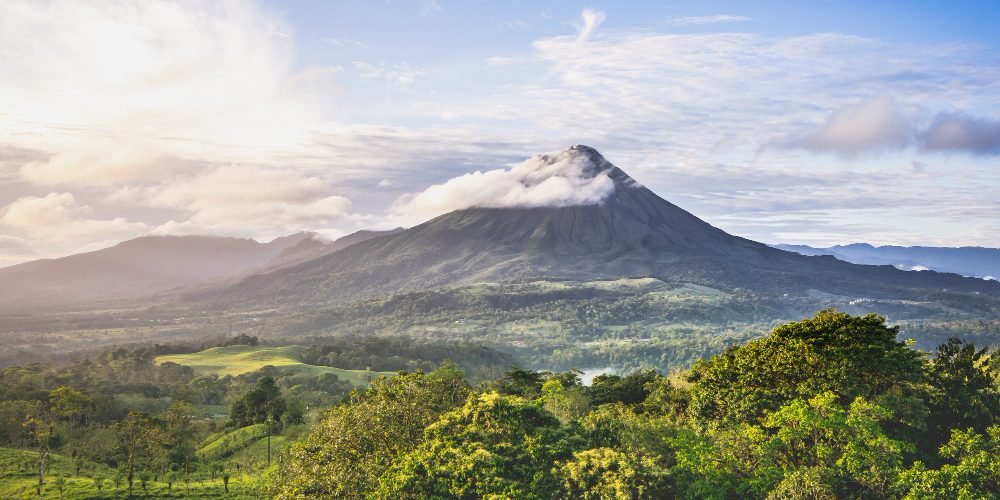
Ask about renting a car in Costa Rica and you will get the same answer from every forum: get a 4×4. It is repeated so often it sounds like law. The truth is more useful and cheaper — plenty of Costa Rica itineraries do not need four-wheel drive at all, and a few absolutely do. The gap is worth US$30–50 a day, so it is worth being specific.
There is also a second, larger number that nobody mentions in the same breath, and it catches almost every first-time visitor: Costa Rica requires a liability insurance policy that you cannot decline, cannot substitute with your credit card, and cannot see in the online quote. More on that below, because it changes the arithmetic more than the drivetrain does.
Where you genuinely need a 4×4
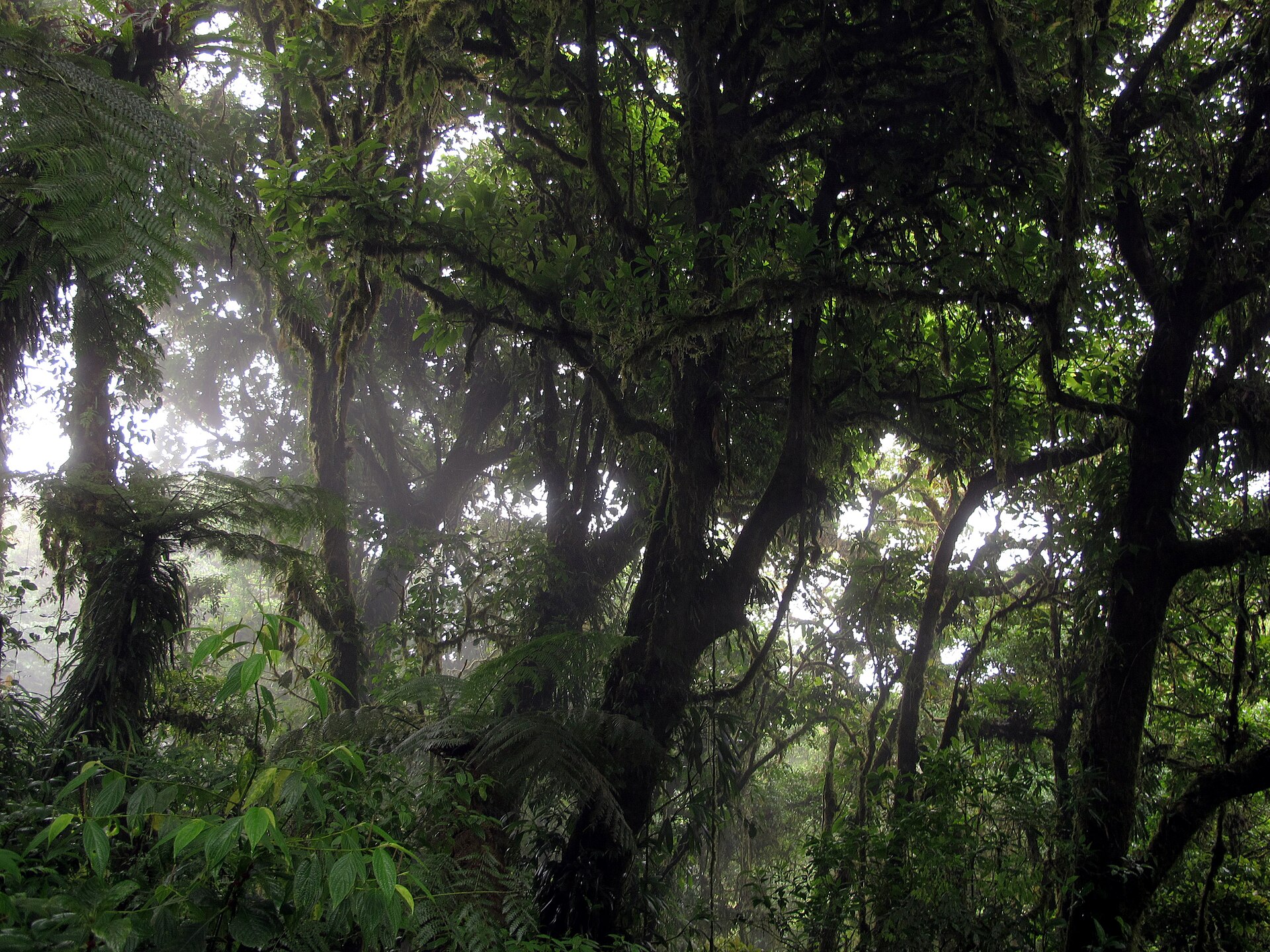
- Monteverde. The access roads have improved a great deal in recent years and much of the main approach is now paved, but the last sections and most of the lodge driveways are rough gravel. High clearance is the point; in rain the traction matters too.
- Nosara, Santa Teresa and the southern Nicoya coast. Potholed dirt, steep pitches, and river crossings that appear in the green season from May to November. This is the classic place people regret a sedan.
- Drake Bay and the Osa Peninsula. Remote, wet and unforgiving. Genuine 4×4 territory, and in the wettest months genuinely impassable regardless of vehicle.
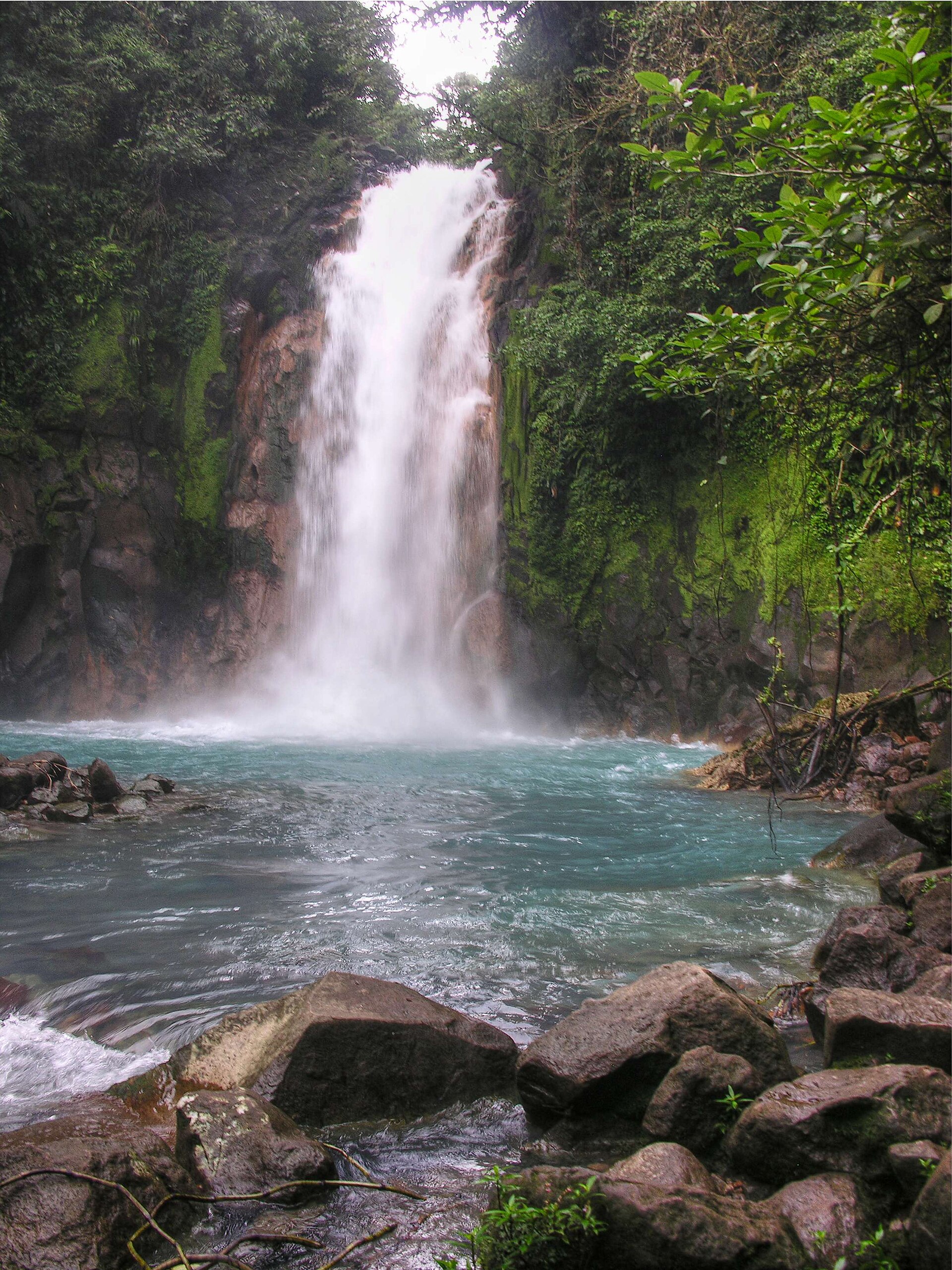
- Rio Celeste and the Bijagua backroads. Manageable in dry season with care, much happier in something with clearance.
- Anywhere your lodge describes access as “a short unpaved road”. Ask how short, and ask what happens after rain.
Where a normal car is perfectly fine
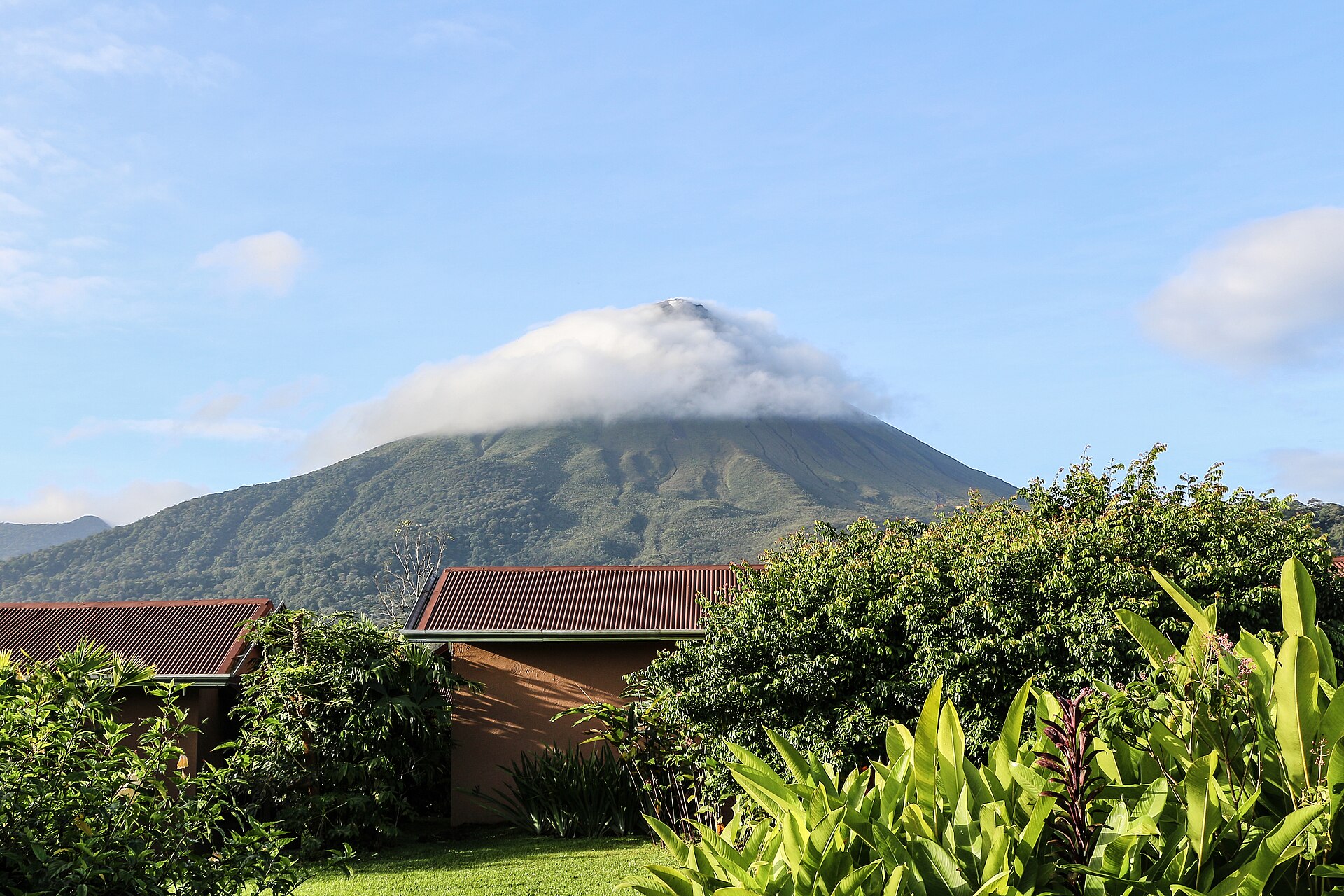
- San José to La Fortuna and Arenal. Paved the whole way. About three hours, and slower than the distance suggests.
- The Pan-American (Route 1) and the Caldera highway. Modern, paved, and the fastest roads in the country.
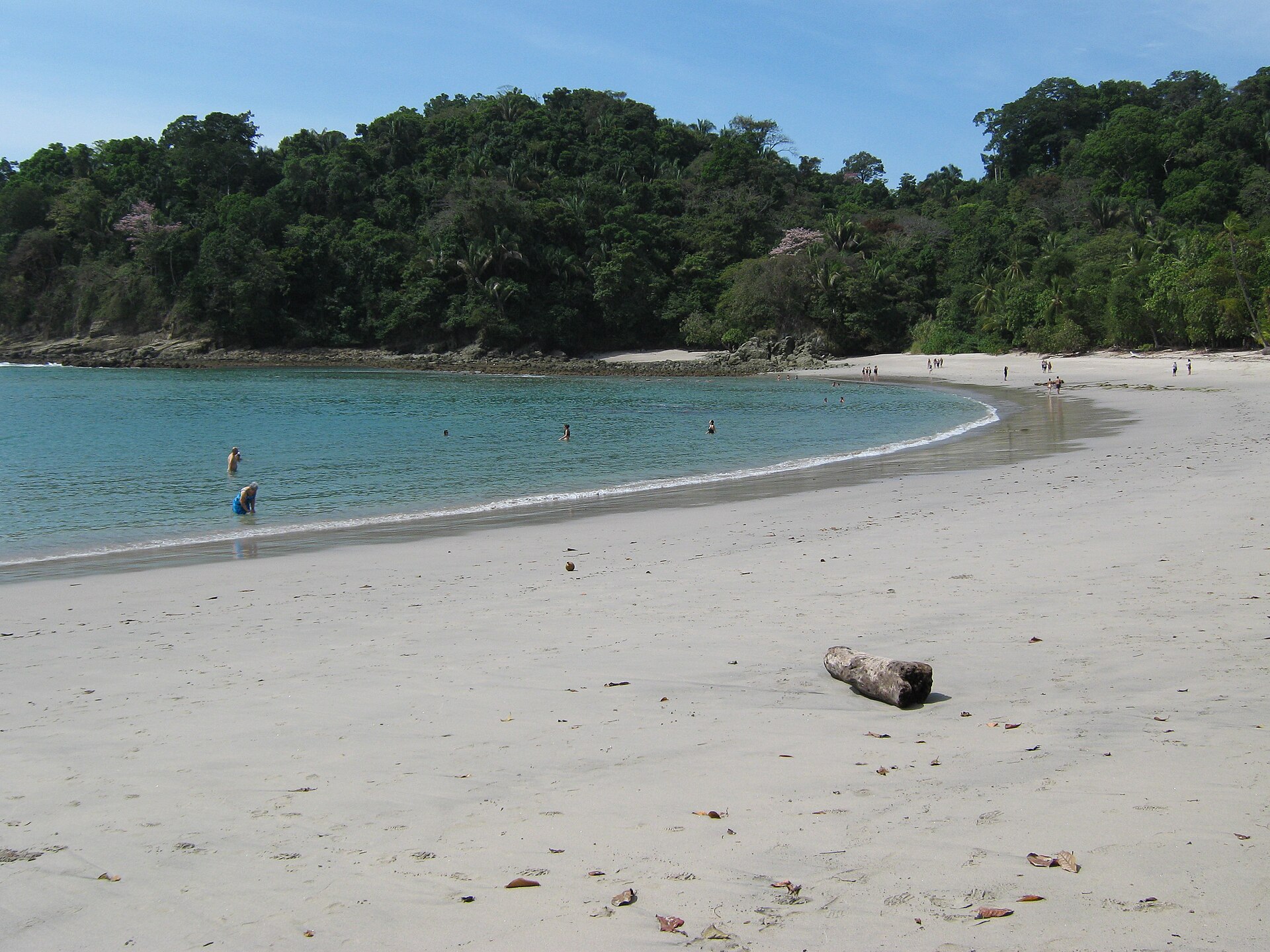
- Manuel Antonio and the central Pacific coast. Paved, busy, easy.
- Tamarindo and the main Guanacaste beach towns. Paved access from Liberia airport.
- The Caribbean side — Puerto Viejo, Cahuita. Route 32 is paved and can be foggy over the Braulio Carrillo pass, but it is not a 4×4 road.
A useful rule of thumb: if your entire itinerary is Liberia or San José → Arenal → Manuel Antonio → a Guanacaste beach, you do not need four-wheel drive. If it includes Monteverde, Nosara, Santa Teresa or Osa, you probably do — and if it includes those places in the green season, you definitely do.
The insurance line that ruins the quote
This is the single most important thing to understand before you compare prices.
Costa Rican law requires every rental to carry a third-party liability policy, sold under names like SLI, TPL, PLI or “liability protection”. It is mandatory, it is charged per day, and it cannot be waived — not by your own motor insurance, not by a premium credit card, not by anything. It typically runs US$13–25 per day depending on the vehicle class.
Because it is not included in the headline rate on most comparison sites, a car advertised at US$12 a day can arrive at the counter as US$32 a day before you have added a single optional extra. This is not a scam and it is not a rogue agency; it is the law, applied identically everywhere. But it means the only meaningful comparison is the total at the desk, and it means a quote that looks impossibly cheap simply has not shown you this line yet.
On top of the mandatory liability, you will be offered a collision damage waiver with an excess typically between US$750 and US$3,000. A credit card that covers rental CDW abroad can replace this one — but many Costa Rican agencies will then block a deposit of US$1,500–3,000 on the card, and some require a letter from the card issuer. Decide which you are doing before you arrive at the counter, not while you are standing at it.
What driving in Costa Rica is actually like
Everything takes longer than the map says. Average speeds are low: mountain roads, single carriageways, slow trucks and frequent towns. A 150km transfer is a four-hour day. Plan two driving legs per day at most and arrive before dark.
Speed limits are generally 40–60 km/h in towns, 80 km/h on most highways and 100 km/h on a few divided sections. Enforcement is real and fines are heavy — exceeding the limit by 20 km/h or more runs to tens of thousands of colones, and driving above 120 km/h attracts a fine in the region of ₡280,000. Fines follow the rental company and then follow you.
Addresses barely exist. Directions outside San José are given in metres from landmarks. Download offline maps and get the coordinates of every lodge in advance, because “200 metres south of the old fig tree” is a real address format here.
Fuel is full-service, priced nationally so it costs the same everywhere, and stations are common on main routes and scarce on the peninsulas. Fill up before you turn off the highway.
Do not drive at night outside the Central Valley. Unlit roads, no shoulders, livestock, cyclists and potholes that swallow a wheel. This is the most common cause of trouble for visitors, ahead of anything to do with drivetrain.
The green season changes the answer
Costa Rica has a dry season from roughly December to April and a green season from May to November, with September and October the wettest months on the Pacific side. In the green season it usually rains hard in the afternoon rather than all day — which is pleasant for a holiday and significant for a road.
Rivers that are ankle-deep in February can be axle-deep in October. Gravel roads that are merely bumpy become rutted and greasy. The lodges on unpaved access roads will tell you honestly if you ask them directly: “what do I need to reach you in October?” is a better question than any forum thread.
A rule that holds up: in dry season, upgrade only if your itinerary demands it. In green season, upgrade if there is any unpaved road at all in your plan.
What to book, and what it costs
- Compact sedan: US$25–45 per day in low season, US$45–70 in December to April — before the mandatory liability policy.
- Small SUV, two-wheel drive (Hyundai Creta, Geely Coolray and similar): clearance without the 4×4 premium. Often the sweet spot.
- Compact 4×4 (Suzuki Jimny, Daihatsu Bego): capable, cramped, and cheap to run.
- Mid-size 4×4 (Toyota Rav4, Fortuner, Prado): US$70–130 per day plus insurance. The right answer for four people plus luggage doing Monteverde and Nicoya.
Book well ahead for the December–April peak and for Easter week, when the whole country travels and the fleets empty out.
Airports: San José or Liberia?
Juan Santamaría (SJO) near San José is the bigger hub with the widest fleet and the cheapest rates. It puts you within three hours of Arenal and four of Manuel Antonio.
Daniel Oduber (LIR) in Liberia is the Guanacaste gateway and saves four to five hours of driving if your trip is beaches in the north-west. Rates are usually higher and the fleet smaller.
Open-jaw rentals — in at one, out at the other — are possible but carry a one-way fee that is often US$100 or more. Price it both ways before assuming the loop is cheaper.
Practical notes
- Photograph everything before you leave the lot, including the roof, the wheels, the windscreen and the spare. Gravel roads produce chips and tyre damage, and both are usually excluded from every level of cover.
- Never leave anything visible in the car, especially at trailheads and beach car parks. Break-ins are the most common crime affecting visitors.
- Parking attendants in blue vests are normal in towns; a small tip is expected.
- Toll roads around San José take cash in colones. Keep small notes.
- The one-lane bridges are marked Ceda el Paso — that means you yield. The other side has priority.
- Buses and shuttles are a genuine alternative if your route is a handful of major stops. A car earns its keep when you want to stop where the shuttle does not.
Where to stay
Costa Rica accommodation ranges from US$40 hostels to US$800 eco-lodges, and the location relative to the road matters as much as the property itself. If a lodge is 6km up a gravel track, that is a decision about your vehicle as well as your budget.
התיקון: לעטוף כל ווידג’ט 4038 בשני div — חיצוני נגלל אופקית, פנימי עם min-width 620px:



Add comment