

Brazil is bigger than the contiguous United States, and there is no bus from São Paulo to Manaus — the road barely exists past a certain point. The moment your itinerary touches more than one region, you are flying, and the single biggest lever you control is currency: pricing the same seat in reais instead of dollars routinely saves 20–40 percent, and it costs nothing to do.
Three Airlines, Three Strengths
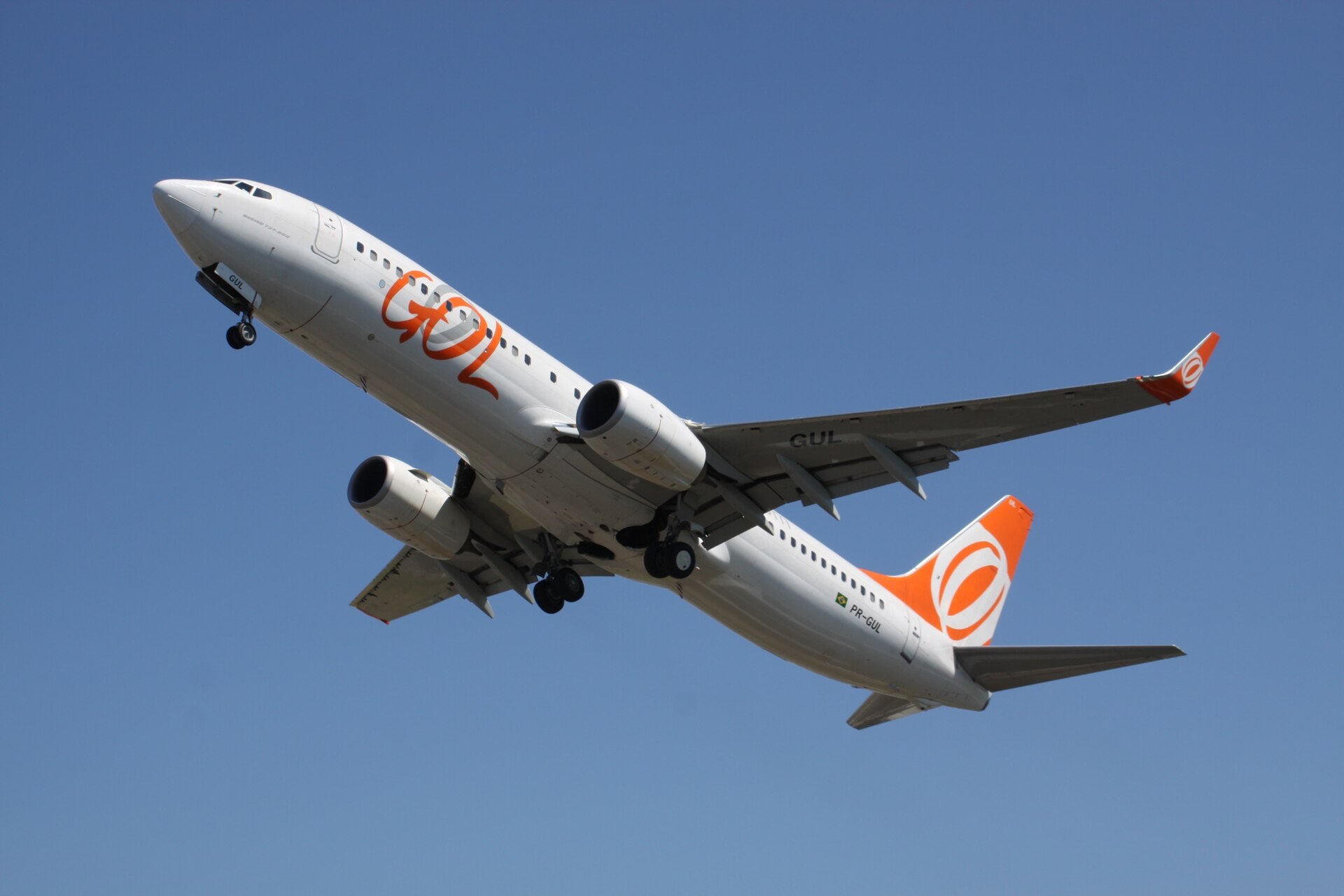
LATAM is the full-network heavyweight, strongest on trunk routes and international connections. GOL pioneered low-cost flying in Brazil and dominates the São Paulo–Rio shuttle. Azul is the reach specialist: from its hub at Campinas (VCP), about an hour outside São Paulo, it now connects to roughly 60 destinations, including routes deep into the Amazon and interior cities the other two rarely touch. If your route runs through a mid-sized interior city rather than a state capital, check Azul first — it is often the only carrier flying it at all.
The Reais Trick, Explained
The same seat sold on an airline’s international storefront in dollars often costs 20–40 percent more than the identical seat on the Brazilian .com.br site priced in BRL. You do not need a CPF (the Brazilian tax number) to book — the domestic forms accept a foreign passport number instead. Pay with a card that doesn’t charge foreign-transaction fees, let the card network handle the conversion, and decline the checkout’s offer to bill you in your home currency, which is almost always a worse rate than your card’s own conversion.

What a Checked Bag Actually Costs
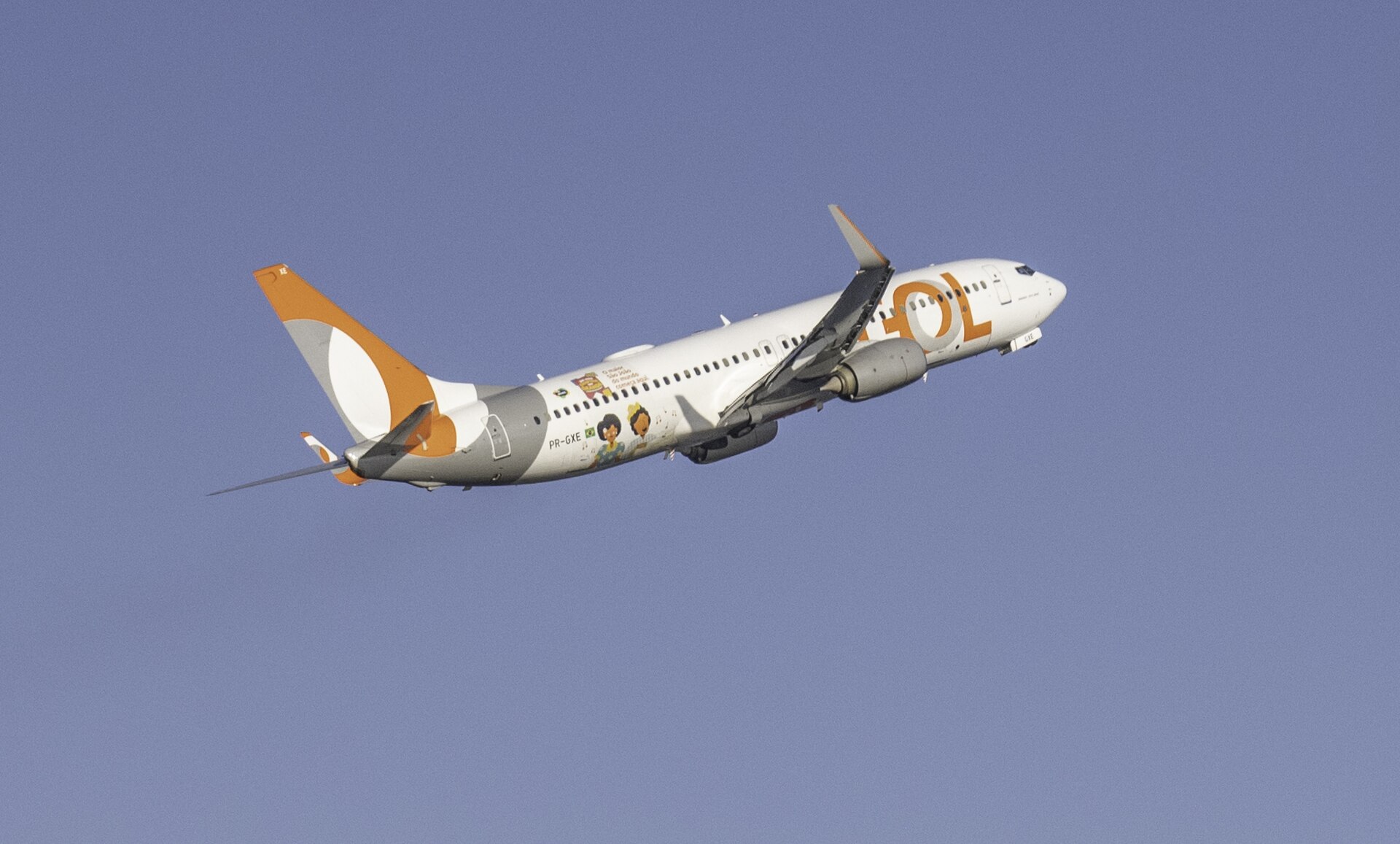
On GOL, the first checked bag runs about R$50 (roughly $10) on domestic routes, booked in advance; wait until check-in and the price climbs. Go over the 23 kg limit and GOL charges roughly R$25 per extra kilogram. LATAM’s baggage allowance depends entirely on fare class: its Plus fare includes one 23 kg bag and Top includes two, but the cheapest Promo and Light fares include no checked bag at all — a detail that can erase the headline savings of a cheap fare once you add a bag back at the airport. Anyone who can travel out of a 10 kg carry-on can fly genuinely cheap on any of the three; everyone else should add the bag online during purchase, since gate agents do weigh carry-ons on full flights, and the shuttle routes almost always are full.
São Paulo Has Three Airports, and Only One Is for Domestic Hops
Congonhas (CGH) sits inside the city itself and is the domestic workhorse — the São Paulo–Rio shuttle and most short interior hops use it. Guarulhos (GRU) handles international flights and many domestic trunk routes on LATAM and GOL. Viracopos (VCP), out in Campinas, is Azul’s hub and the cheapest of the three to fly from on many routes, at the cost of an extra hour’s drive from the city center. If your connection lands you at a different one of the three than you depart from, budget the inter-airport transfer: the shuttle bus between them runs roughly R$50–68 and takes just over an hour, so a same-day connection across airports needs real buffer time, not the 45 minutes that looks fine on paper.
Your Rights When a Flight Goes Wrong: ANAC 400
Brazil’s civil aviation regulator enforces ANAC Resolution 400, and it is more generous than most visitors expect. Material assistance kicks in early: communication after a 1-hour delay, food after 2 hours, and hotel accommodation if the delay runs overnight. Past 4 hours — or a schedule change of more than 30 minutes on a domestic flight — the airline must offer you the choice between staying on the same flight, rebooking, or a full refund including taxes and fees; the choice is legally yours, not the gate agent’s suggestion. Denied boarding for overbooking pays a fixed compensation of 250 SDR on domestic routes (an IMF accounting unit worth roughly $330–340 depending on the day’s exchange rate), on top of rebooking. Keep your boarding pass and any receipts for food, transport or lodging bought during a delay — the claim window for domestic flights is five years, so there’s no rush, but the paperwork is much easier collected on the day.
Where Flying Domestic Isn’t the Right Call
Congonhas–Rio’s Santos Dumont shuttle is genuinely faster than the alternatives, but for short hops under roughly 300 km between cities that already have decent bus links — think São Paulo to Campinas itself, or Rio to nearby coastal towns — a bus or car often beats flying once you add airport transfer time and the 40–60 minute check-in cutoff on both ends. And connecting through GRU when your actual origin and destination are both served directly from VCP or CGH usually costs more and adds a transfer for no real time saving; check all three São Paulo airports before assuming GRU is the only option.
The Amazon Exception
Inside the Amazon region, flying stops being a matter of preference and becomes the only practical option for most routes — there is no road network connecting Manaus to most of the smaller river towns, and boat travel between them can take days rather than hours. Azul’s Campinas hub network is what makes a lot of these routes bookable at all on a single ticket; without it, travelers are often stitching together regional carriers with no combined baggage or rebooking protection. If your trip includes an Amazon leg, book that segment separately with padding around it, since weather-driven delays are far more common there than on the São Paulo–Rio corridor.
When to Book for the Best Fare
Domestic fares in Brazil follow a fairly predictable pattern: prices on the São Paulo–Rio shuttle and other high-frequency routes stay relatively flat until 2–3 weeks out, then climb quickly in the final week as business travelers fill the remaining seats. Routes to smaller interior cities and Amazon towns behave differently — with fewer daily flights, seats can sell out weeks ahead even though the fare itself doesn’t rise much, so book those early for availability rather than price. A BRL fare aggregator that searches all three airlines at once is the fastest way to see this pattern before you commit to one carrier.
Typical two-hour hops booked 3–4 weeks out in BRL, base fare only:
- São Paulo (CGH) – Rio de Janeiro (Santos Dumont): among the cheapest per-minute routes in the country given shuttle-level frequency.
- São Paulo (VCP) – Salvador: regularly under $100 on Azul when booked in reais well ahead of the date.
- São Paulo – Manaus: priced more like a long-haul route despite being domestic, reflecting the distance and thinner competition.
Before You Fly Domestic
Domestic check-in closes 40–60 minutes before departure, and Brazilians cut it close, so queues spike in the last half hour. Your passport works as ID for domestic boarding; you don’t need a Brazilian document. Airport Wi-Fi is patchy outside the main hubs — installing a Brazil eSIM before you land, covered in our Argentina eSIM guide‘s companion piece, means boarding passes, ride-hailing apps and translation tools all work from the moment you land. Check in online exactly 48 hours out and pick a seat in advance; it measurably lowers your odds of being bumped on the busiest shuttle routes.
Frequently Asked Questions
Are the cheapest Brazilian fares refundable? The bottom fare class usually allows date changes for a fee, with credit rather than cash refunds — but Brazilian consumer law gives you 24 hours to cancel penalty-free on any fare booked at least a week before departure.
Is overbooking common? It happens regularly on the busiest shuttle routes; regular flyers who volunteer to be bumped collect enough compensation vouchers that some treat it as a minor sport.
Do I need to reconfirm a domestic flight? No, but airlines do reschedule domestic departure times weeks in advance without much notice, so check the app the day before every leg.
Prices checked against operator listings in September 2026. For where to stay once you land, see our guides to where to stay in Rio de Janeiro and things to do in Rio de Janeiro.


Add comment