

The first thing anyone tells a visitor about driving in Sao Paulo is the rodizio, the rotation that pulls a slice of the city’s cars off the Centro Expandido at rush hour. On a motorcycle it is irrelevant. Motorcycles and mopeds are exempt from the municipal rodizio outright – any plate, any day, any hour, private or professional use. No other big-city rental guide leads with that, and it inverts the usual advice: in Sao Paulo the calendar is not your constraint.
What will actually stop you is quieter. One is a document no tourist can produce. The other is a lane your mapping app will put you in, on two roads where your bike is illegal.
The rodizio exempts you. Two expressways do not.
For context on what you are being exempted from: the rodizio runs Monday to Friday excluding holidays, 07:00 to 10:00 and 17:00 to 20:00, inside the Centro Expandido, keyed to the last digit of the plate, and it applies to cars and trucks. Motorcycles, buses, licensed taxis, school transport, emergency vehicles and essential public services are all outside it.
The restriction that does bite is permanent and geographic. Motorcycles are banned from the pistas expressas – the express carriageways – of both Marginal Pinheiros and Marginal Tiete, along their entire length. Bikes must stay on the pistas locais running parallel. Getting caught is a medium-level infringement under the Codigo de Transito Brasileiro: a fine of R$130.16 and four points on the licence.
This matters more than it sounds. The two Marginais are the spine of the city, and they are the route almost every navigation app selects to cross it. Express and local carriageways run side by side, separated, with entry ramps that feed one or the other. Drifting onto the wrong one is the single easiest mistake a visiting rider will make here. Set your app to avoid both express carriageways before you set off, and read the ramp signage rather than the blue line on the screen.
Where you base yourself in São Paulo shapes everything else on this list — how early you can start, what you can reach without transport, and how much of the day goes to getting back. Compare the options before you lock in dates.
The document most visitors cannot produce
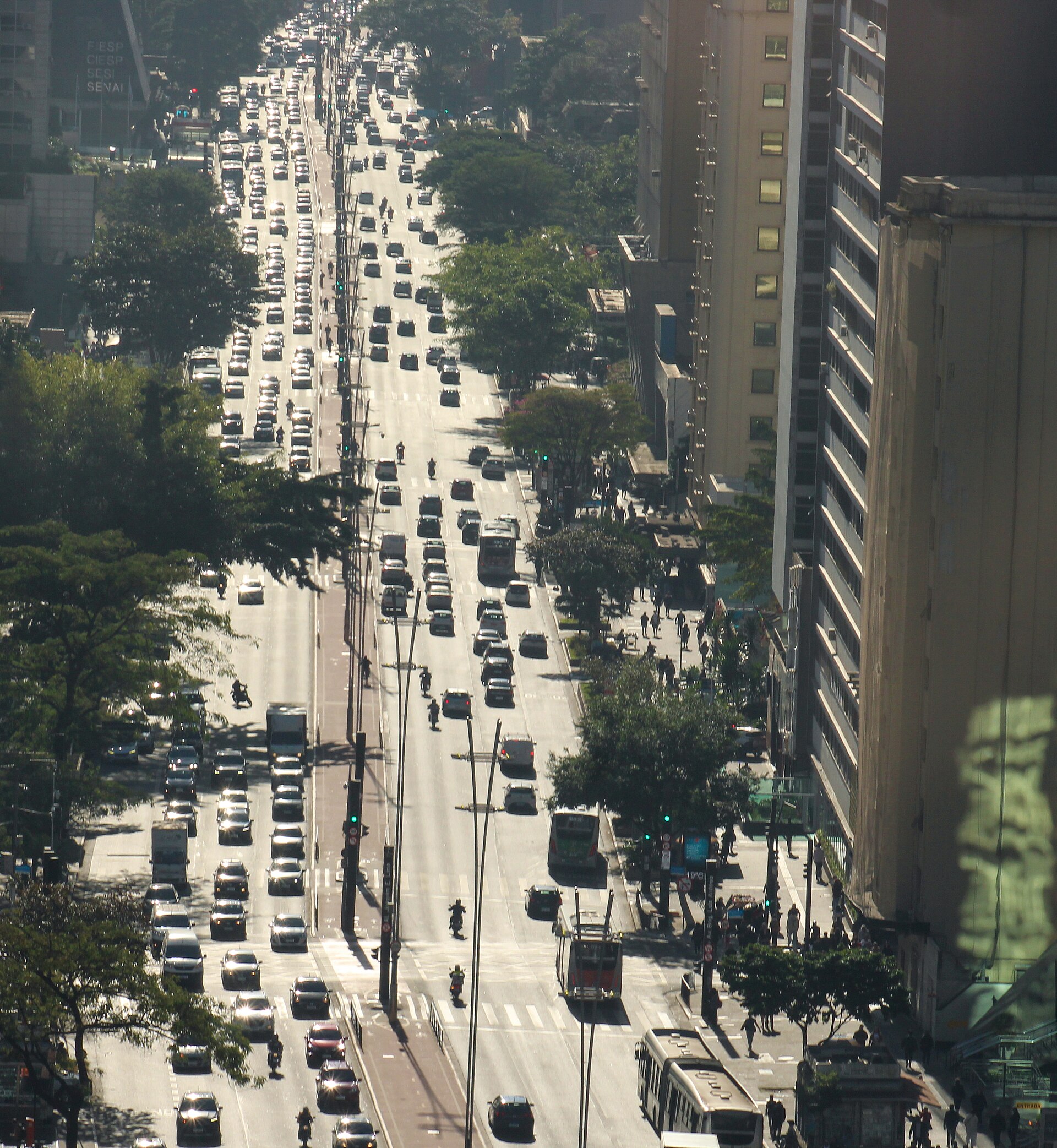
Sao Paulo’s rental fleet exists to serve delivery riders, not travellers, and the paperwork reflects that. The standard checklist at a Sao Paulo locadora is a valid CNH categoria A, photo identification, a comprovante de residencia, a credit card and a caucao. That third item is where most tourist bookings die. A comprovante de residencia is a Brazilian utility bill or equivalent proof of address. A hotel reservation is not one.
The licence rules themselves are more generous than the rental rules. A non-resident may drive in Brazil on a valid home-country licence for up to 180 days, and CONTRAN recognises an International Driving Permit issued under the Vienna Convention. Carry both documents together. But note what an IDP is: a translation, not an upgrade. It confers no category your home licence does not already hold. A car licence plus an IDP still does not let you ride a motorcycle in Brazil, and Brazil has no small-displacement concession – category A is required for any motorcycle, 125cc or 1,250cc.
The practical upshot is that the big domestic platforms most search results will show you are built around Brazilian riders with Brazilian documents. International-facing operators do exist in Sao Paulo and will work from a foreign licence plus IDP, but they are a smaller and more expensive slice of the market. Get written confirmation of which documents an operator accepts before you book a flight around the plan.
Faixa Azul is a lane, not a safety net
Since January 2022 the CET has been painting blue motorcycle lanes between traffic lanes one and two on the city’s main corridors, beginning on Avenida 23 de Maio and now extended past 200 km across the capital, including Avenida dos Bandeirantes and more recently Sumare and Paulo VI.
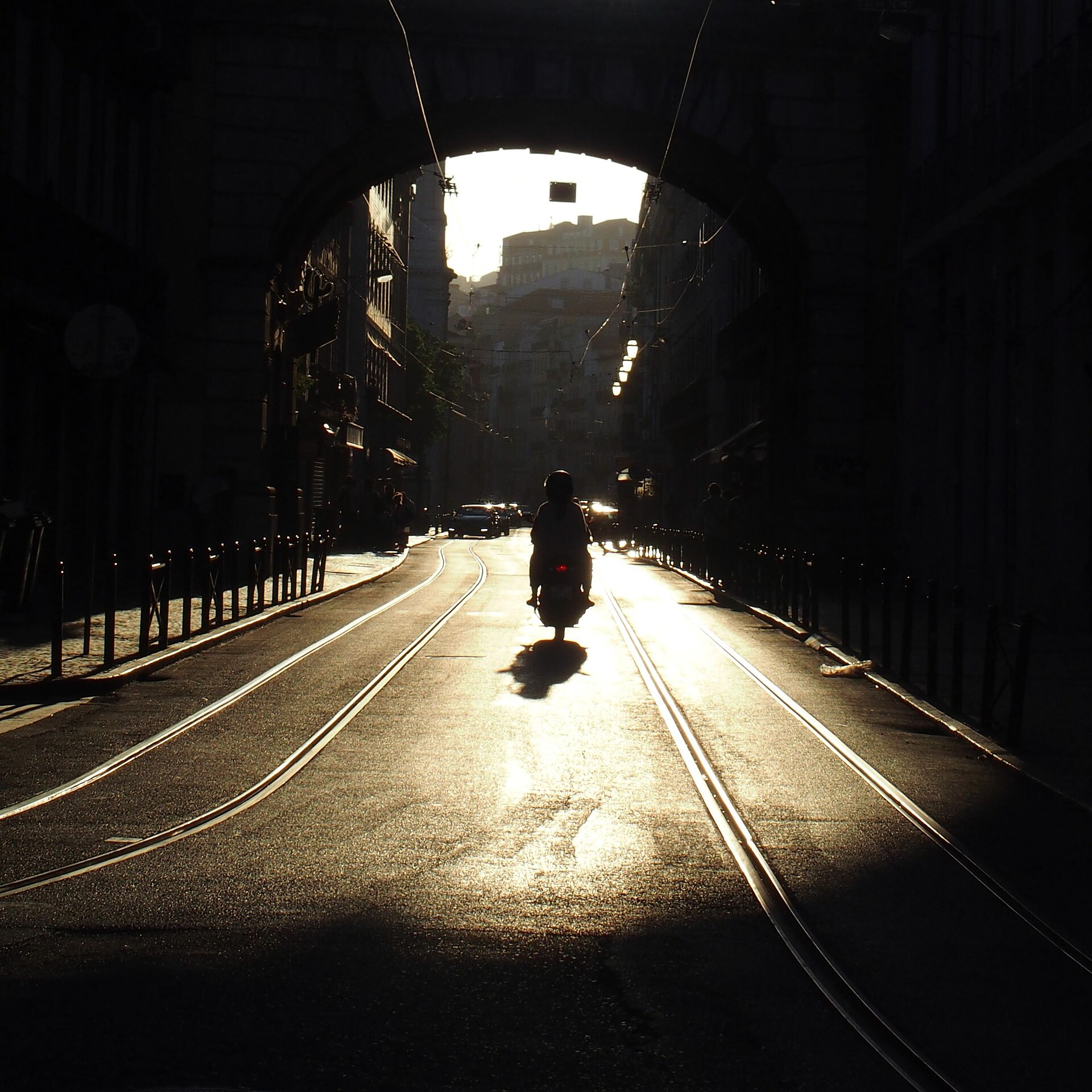
The blue paint is not a speed permission. Limits still follow road class: 60 km/h on 23 de Maio, 50 km/h on arterials such as Sumare and Paulo VI. Actual behaviour is nothing like that. A 2026 study of the lanes found riders averaging 72.2 km/h, with 96 per cent exceeding 50 km/h and 81 per cent exceeding 60, and motorcyclist deaths in the city have not fallen since the lanes were introduced.
Read that as a warning rather than a licence. For a visitor on an unfamiliar bike, the faixa azul is a fast-moving stream you are merging into, not a protected corridor. Riding it at the legal limit will collect a queue of motoboys behind you within a block. Filtering between lanes is not itself prohibited by the CTB when traffic is stopped or slow, provided you keep safe lateral clearance; mopeds up to 50cc may not filter on fast roads at all.
If two wheels turn out to be the wrong fit for part of the trip — weather, luggage, a companion who will not ride pillion — a car for a day or two out of São Paulo is the usual fallback. Compare rates here rather than at the desk.
What Sao Paulo actually charges
- Scooter, Honda Biz class – R$50 to R$80 a day
- Electric – R$60 to R$90 a day
- 125cc commuter, Honda CG class – R$70 to R$100 a day
- Budget delivery-oriented operators – advertised from around R$36.90 to R$57 a day on longer commitments
- Monthly plans – from R$600, rising to about R$1,200 with insurance included
- Caucao – typically R$300 to R$1,000; one operator quotes R$350, and some will split the deposit across card instalments
Collection commonly requires the first week plus the deposit up front, which lands from roughly R$700. A credit card is the norm for the caucao, though a few operators accept Pix or debit with prior approval. Note that the cheapest headline daily rates are attached to weekly or monthly delivery-rider plans, not to three-day tourist hires. Prices checked against operator listings in August 2026.
Riding out of the city, and the famous road you cannot ride
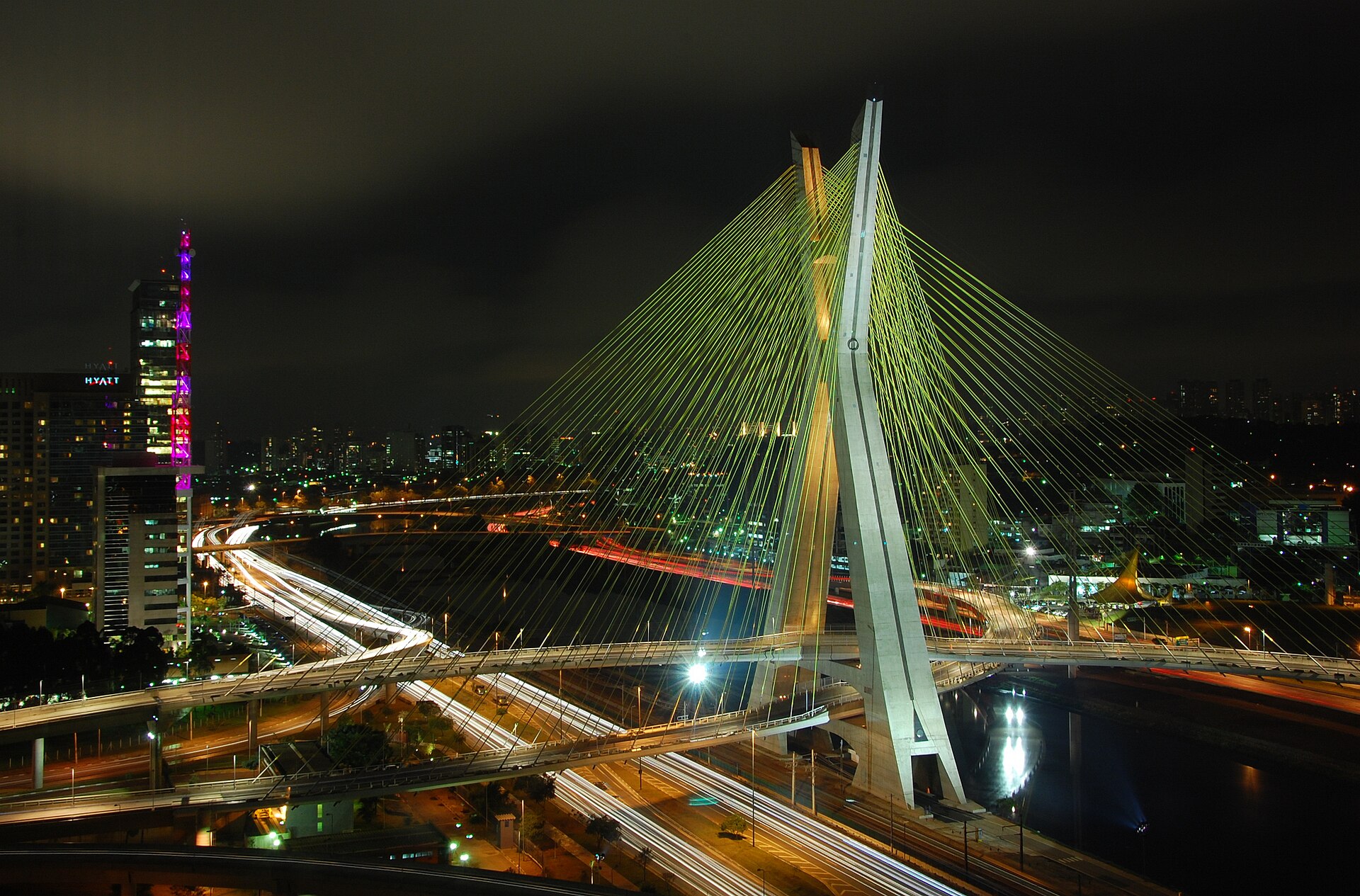
Every list of Sao Paulo motorcycle routes recommends the Estrada Velha de Santos, the old Caminho do Mar on the SP-148, descending the Serra do Mar past the nine 1922 centenary monuments designed by Victor Dubugras and the Pouso de Paranapiacaba at Km 44. Do not build a ride around it. The historic nine-kilometre section inside Parque Caminhos do Mar has been closed to private vehicles since 1985 and is open only to visitors on foot and authorised park transport. Riders turn up at the gate and are turned back.
What is rideable is the modern descent to the coast on the Anchieta–Imigrantes system, and the lanes around Paranapiacaba village approached via Rio Grande da Serra. Both are Serra do Mar roads, which means low cloud, persistently damp tarmac and heavy freight on weekday descents. Ride the serra on a weekday morning. Sunday afternoon is when the entire city drives back up from the beach. Check the toll rules for motorcycles on your chosen route before you go, since they vary by concessionaire in Sao Paulo state.
The honest recommendation
For a three or four day trip to Sao Paulo, do not rent a motorcycle. Sorting the paperwork will eat a day of it, the metro and CPTM network covers the Centro Expandido better than a bike does, and the fleet you would be renting from is built for delivery work. That advice pays this site nothing and it is still correct for most people reading this.
If the goal is Brazilian riding rather than Sao Paulo specifically, the cheaper move is to fly to a base that suits it – see our guide to cheap domestic flights in Brazil. If the goal is a South American riding trip and the country is negotiable, places set up for visiting riders make the logistics disappear; compare motorcycle rental in Chile, or Medellin, where the paperwork is lighter but a plate-digit circulation ban catches people out instead.
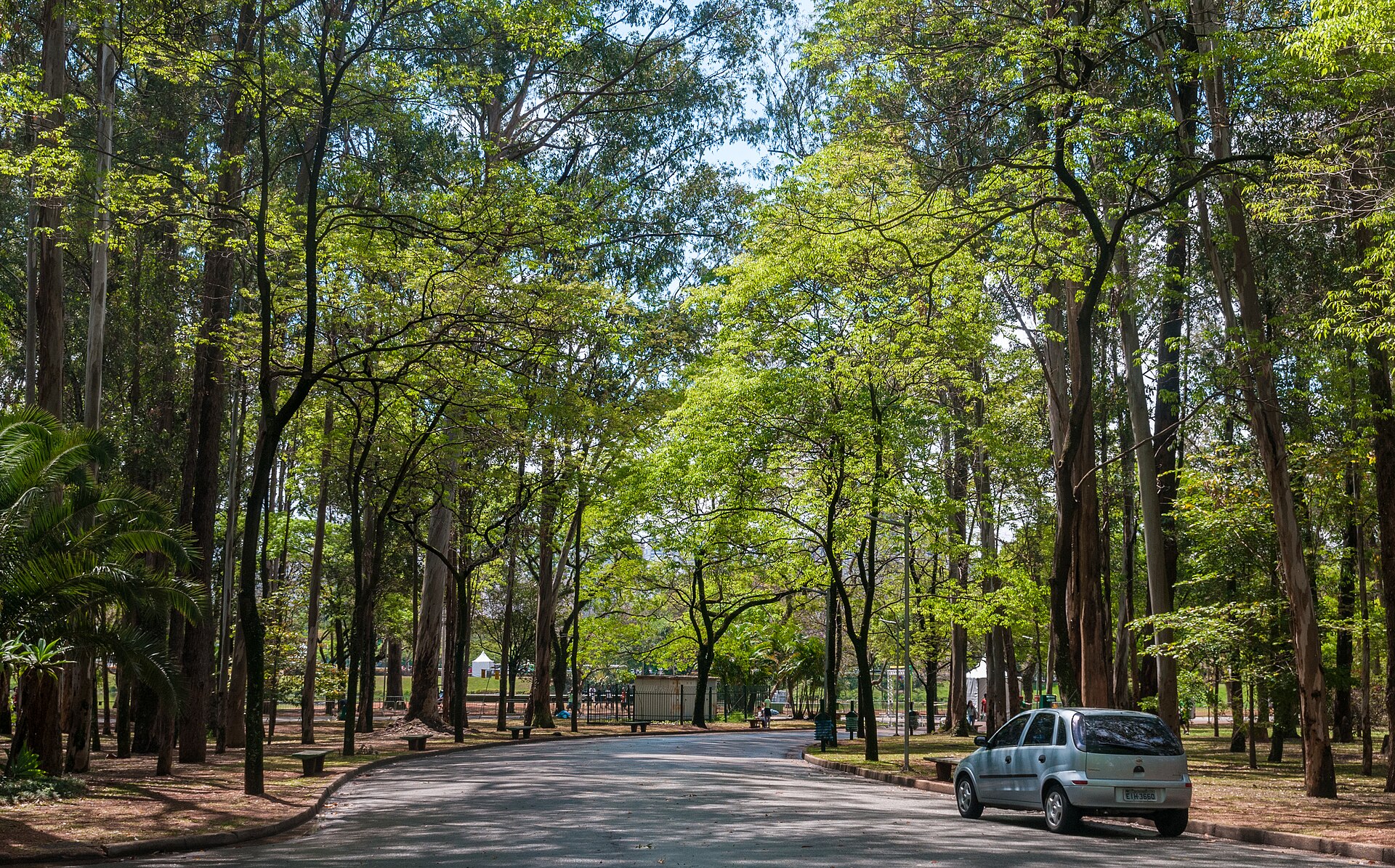
Rent in Sao Paulo if all four of these are true: you hold a category A licence, you have an IDP, you have written confirmation from an operator that accepts foreign documents without a Brazilian proof of address, and you are staying a week or more. Otherwise the arithmetic does not work.
The arrival leg is the one most people leave to chance. A pre-booked transfer from the airport into São Paulo costs little more than a metered taxi and removes the negotiation at the kerb after a long flight.
Before you book
- Get the document list in writing, and confirm the comprovante de residencia is waived
- Ask whether the caucao is a hold or a charge, and how long the release takes
- Confirm whether a helmet is included – a helmet with visor, or goggles, is legally required
- Photograph the bike, tyres and paperwork at handover, and check that IPVA and licenciamento are current, because fines follow the plate
- Configure your mapping app to avoid the express carriageways of Marginal Pinheiros and Marginal Tiete
- Plan the serra descent for a weekday morning, and do not plan any of it on the Estrada Velha


Add comment