
Sardinia has the road. Sixty kilometres of the SS125 between Dorgali and Arbatax is, by broad agreement among people who ride for a living, among the best stretches of tarmac in Europe — continuous corners, a balcony over the Gulf of Orosei, and two passes over 900 metres in the middle of it.
Which creates the specific problem this guide is about. Most Sardinian rental contracts charge by the kilometre, and the whole point of coming here is to cover kilometres. The advertised daily rate is not the price you pay.
The per-kilometre charge is the real cost
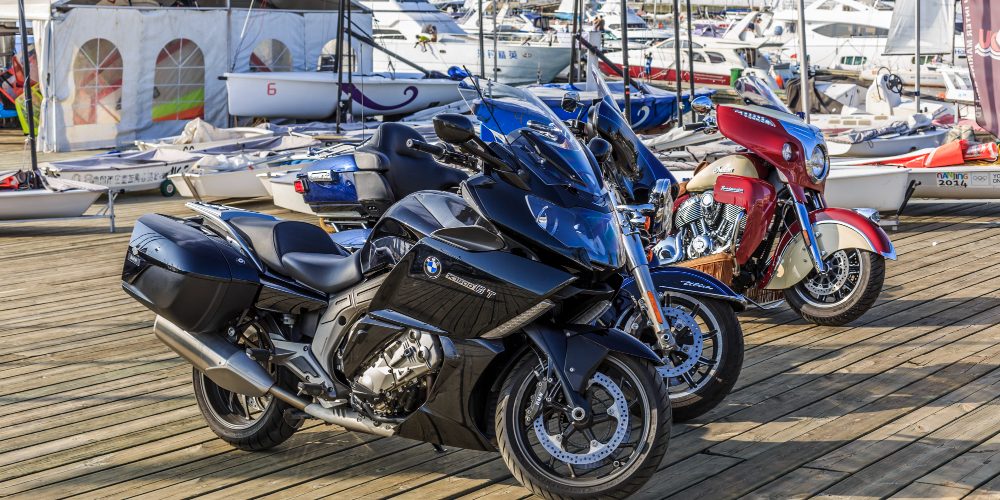
Headline rates on the island start around 25 euro a day for a small machine and run to about 45 euro a day for a large scooter such as a BMW C650 on a five-day booking. A big tourer — a K1600GTL, for instance — starts around 100 euro a day. So far, unremarkable.
Then the mileage clause. A common structure on the island charges 0.20 euro per kilometre for bikes under 1000cc and 0.25 euro per kilometre above it, on top of the daily rate. Unlimited mileage is usually available as an add-on at around 50 euro per day, and typically only on rentals of five days or more.
Work it through, because the arithmetic decides your trip. A single out-and-back day on the SS125 from Dorgali to Arbatax and home again is roughly 120 to 140 km before you have detoured anywhere. A realistic riding day on this island is 250 to 300 km. At 0.20 per kilometre that is 50 to 60 euro of mileage on top of a 45 euro daily rate — the charge more than doubles the cost, and it does so silently, at the end.
So the decision rule is simple: if you intend to actually ride, buy the unlimited-mileage option and structure the booking to five days to qualify for it. If you only want a machine to reach a beach twenty minutes away, take the per-kilometre deal and it will be cheap. The expensive outcome is the middle: booking three days on a per-kilometre contract and then riding properly.
Rates and mileage terms checked against operator listings in August 2026. Structures vary between suppliers — read the mileage clause specifically before you book, not the headline rate.
Where you base yourself in Sardinia shapes everything else on this list — how early you can start, what you can reach without transport, and how much of the day goes to getting back. Compare the options before you lock in dates.
Where you collect the bike decides the trip
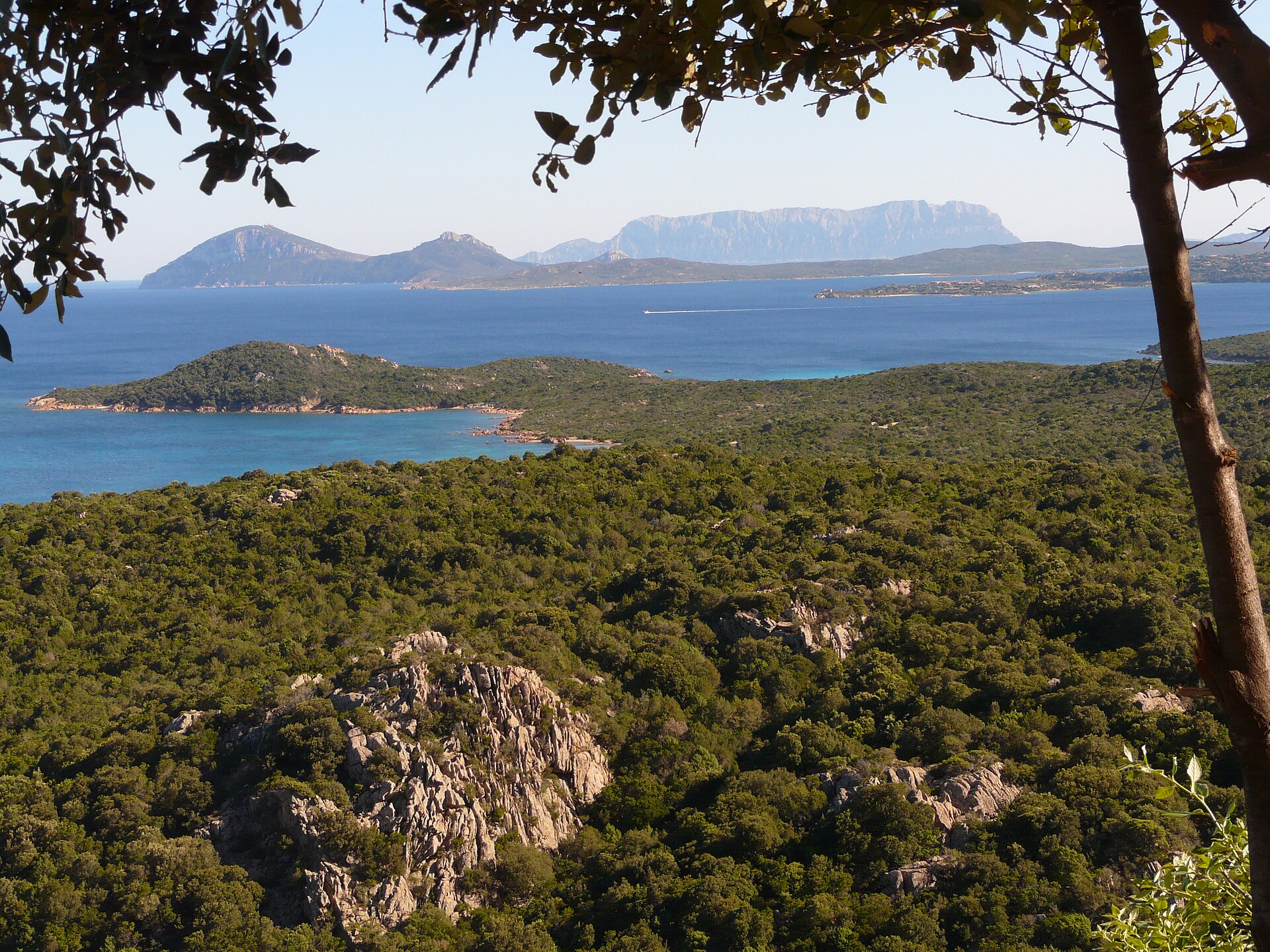
Sardinia is bigger than it looks — roughly 270 km top to bottom — and the geography works against the casual planner. The airports and the rental depots are at the corners: Olbia in the north-east, Cagliari in the south, Alghero in the north-west. The road you came for is in the middle of the east coast.
From Olbia the SS125 opens up after about 90 minutes of riding, which makes Olbia the natural pickup for a short trip. From Cagliari you approach the same section from the south, and the run up through the Ogliastra is itself worth the morning. From Alghero you are on the wrong side of the island and will spend most of a day crossing it — beautiful, but not what you booked.
If you only have three or four days, fly into Olbia and stay in or near Dorgali or Cala Gonone. It puts you at the top of the good road instead of two hours away from it.
Licence: the same Italian trap as the mainland
Italy allows its own residents to ride up to 125cc on a full car licence. That concession does not extend to visitors. If your home licence carries no motorcycle category, you are not licensed for anything above 50cc here, whatever the rental shop is willing to hand over — and riding without the correct category generally voids both the rental insurance and your travel policy. We covered the detail and the consequences in the guide to renting a scooter in Naples; the rule is national, so it applies identically on the island.
Non-EU riders should carry an International Driving Permit alongside the home licence. It translates the licence you have; it cannot add a category you do not hold.
The SS125, honestly
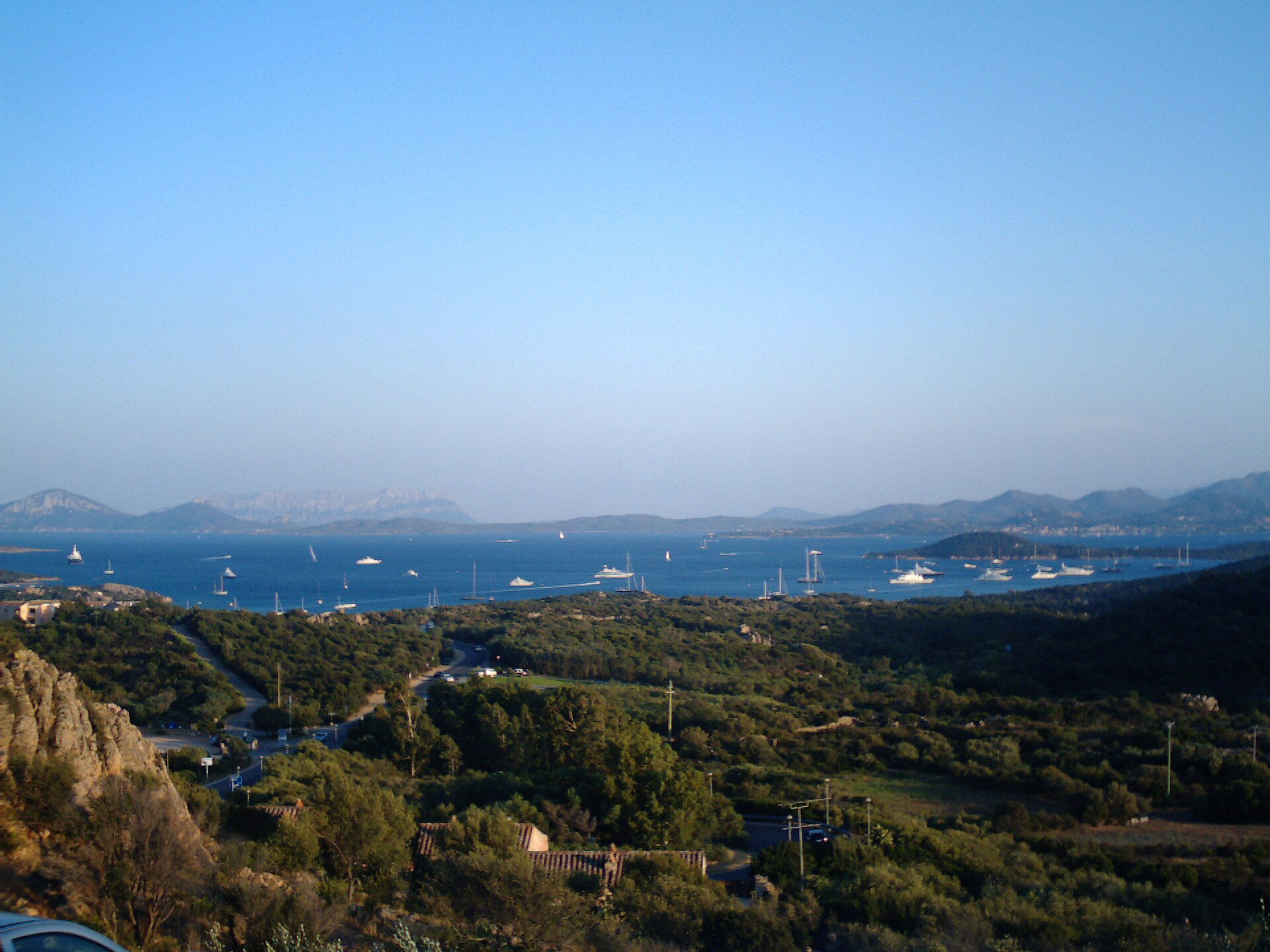
The celebrated section runs Dorgali to Arbatax: about 60 km of near-continuous corners with very few straights long enough to relax on. The high point is the Passo di Genna Silana at 1,002 metres, with Genna Croce at 910 metres on the same run. The limestone gorges open onto the Gulf of Orosei in gaps on the descent, and there are pull-ins at the top of the pass where everyone stops for the same photograph.
What the enthusiast write-ups leave out:
- It is a public road through the middle of nowhere. Fuel stations are sparse in the interior — fill up in Dorgali or Arbatax rather than assuming something appears.
- Livestock. Free-range goats and pigs genuinely stand in the road on the mountain sections, usually on the exit of a blind right-hander.
- Gravel washes onto the apexes after rain and stays there. Early season, ride the first pass of each corner conservatively.
- Mobile coverage drops out in the gorges. Download the map offline before you set off.
- Camper vans in summer. The road is narrow and a motorhome coming the other way at a hairpin takes the whole road.
If two wheels turn out to be the wrong fit for part of the trip — weather, luggage, a companion who will not ride pillion — a car for a day or two out of Sardinia is the usual fallback. Compare rates here rather than at the desk.
The rest of the island, if you have a week
Costa Smeralda and the north-east
The glamorous coast, and the least interesting riding — wide, busy and expensive in summer. Worth one afternoon, not three days. The stretch inland toward Monti and the Coghinas valley is better road with a tenth of the traffic.
The Barbagia and Gennargentu
Sardinia’s mountainous interior around Fonni and Desulo, at the island’s highest ground. Cooler than the coast by several degrees in summer, almost empty, and the villages up here are the ones that still feel like the island rather than like a resort. Surfaces are more variable — this is where you slow down.
The south-west and the mining coast
From Iglesias down the Costa Verde, past abandoned mine works and dunes. Long sight lines, fast flowing road, and a different landscape entirely from the east. The road into Buggerru is the one to look up.
Four days that actually work
A route built around the mileage question rather than around a map. It keeps the daily distances honest and puts you at the good road twice, in both directions, because the SS125 rides differently north to south than south to north.
Day 1 — Olbia to Cala Gonone, about 110 km
Collect the bike, get out of Olbia and head south inland rather than along the coast. Arrive early enough to swim. This is a short day on purpose: you are getting used to an unfamiliar machine on unfamiliar roads, and the first afternoon is the wrong time to be tired.
Day 2 — the SS125 south to Arbatax and back, about 140 km
The main event, ridden as an out-and-back so you get both directions of the same corners. Start at 08:00; by mid-morning in season you will be sharing it with camper vans. Coffee at the top of Genna Silana, lunch in Arbatax, back over the pass in the afternoon light.
Day 3 — into the Barbagia, about 180 km
West into the mountains through Oliena and up toward Fonni and the Gennargentu. Cooler air, empty roads, and villages that have nothing to do with the coast. Fuel before you turn inland.
Day 4 — the coast road north back to Olbia, about 130 km
Orosei, Siniscola and the north-east coast back to the depot, with time to spare before the flight. Total for four days is around 560 km — which on a per-kilometre contract is roughly 112 euro of mileage on its own. That is the number the unlimited option is competing against.
When to ride
April to June and September to November are the seasons, and the gap between them is not a matter of taste. July and August put 35-degree heat on a black road with full gear, add the island’s heaviest traffic, and make ferries and flights both expensive and full. May and early October are the sweet spot: warm, quiet roads, water still swimmable in October.
Winter riding is possible on the coast and often pleasant, but the high passes get genuinely cold and wet, and some interior services close out of season.
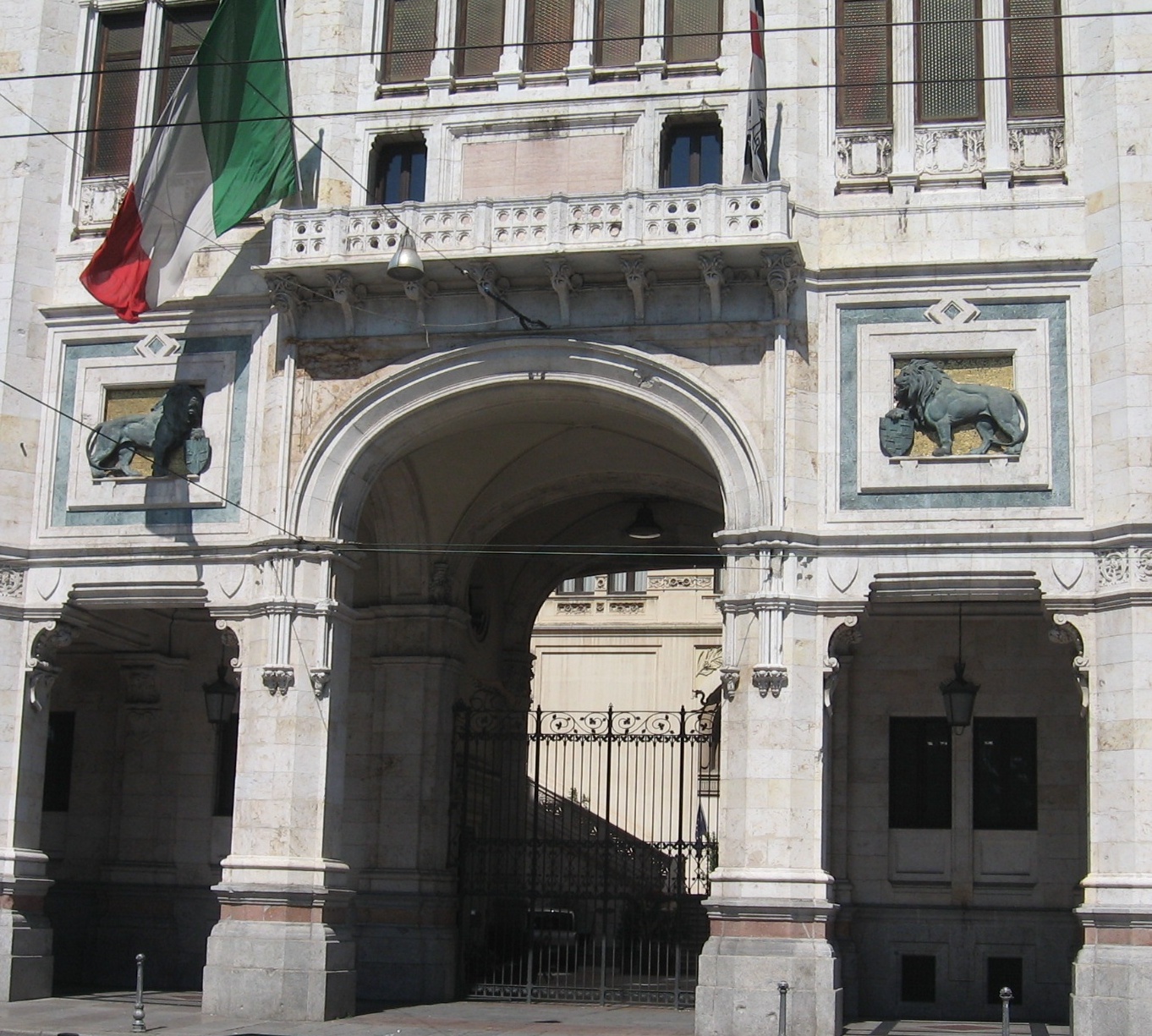
The arrival leg is the one most people leave to chance. A pre-booked transfer from the airport into Sardinia costs little more than a metered taxi and removes the negotiation at the kerb after a long flight.
Practical notes
- Book early for summer. The island’s rental fleet is small and July and August sell out weeks ahead — unlike the mainland, there is no walk-up option.
- Deposits are held on a credit card in the rider name. Debit cards are commonly refused.
- Helmets are compulsory for rider and passenger on every machine, including 50cc.
- Autostrada tolls do not apply — Sardinia’s main routes, including the SS131 spine, are toll-free.
- Photograph the bike before you leave the depot, panels and tyres included.
Further reading
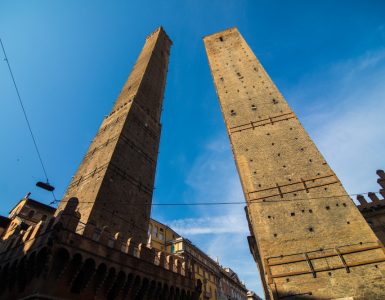
If you are riding elsewhere in the country, our guides to motorcycle rental in Italy and renting a motorbike in Bologna cover the national rules and the mainland roads.
Add comment