
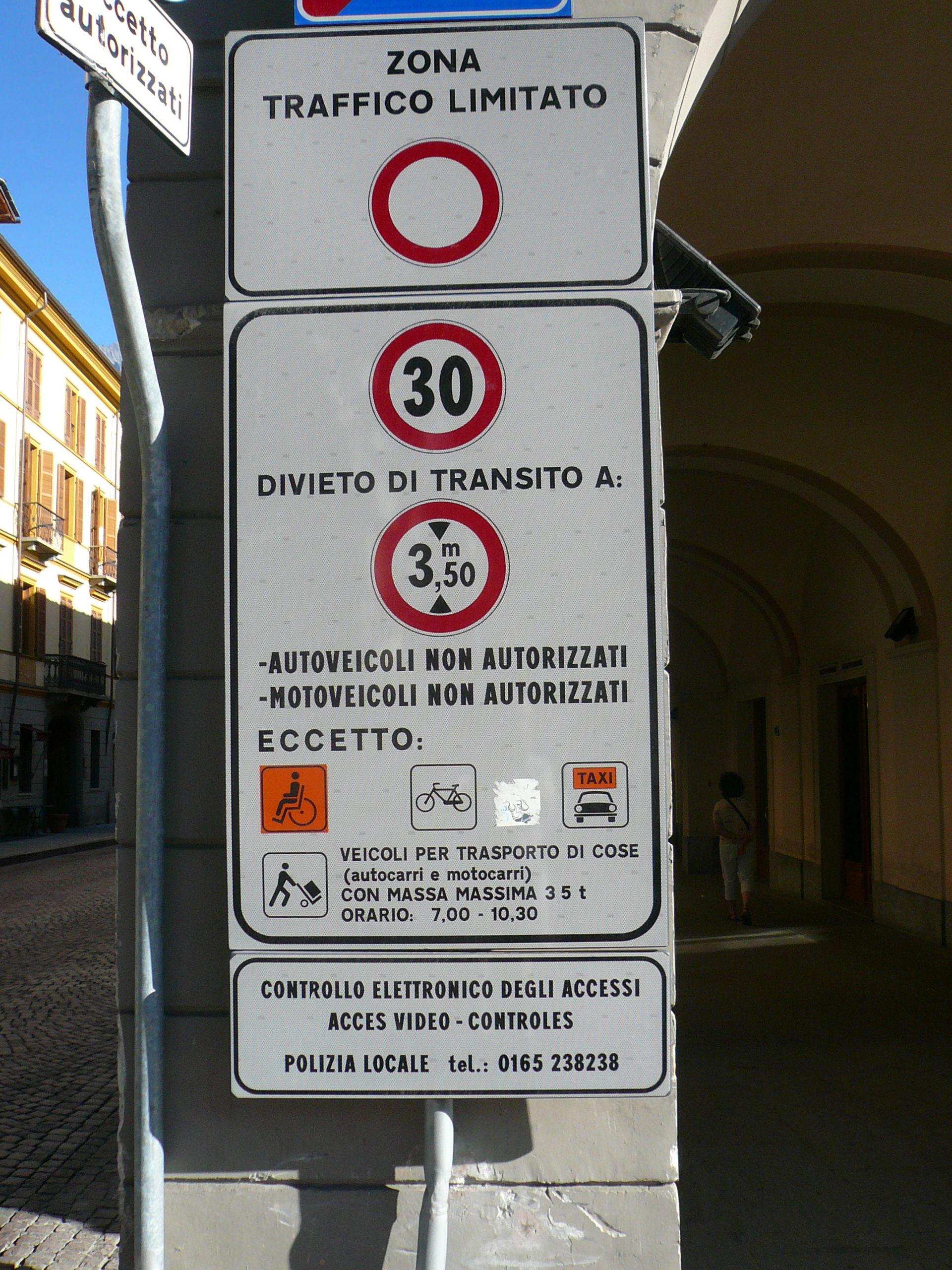
One wrong turn in Florence can cost you €300. Not because Italian traffic police are unusually zealous, but because a seven-seat van is exactly the vehicle most likely to end up in a zona a traffico limitato — you are following a satnav, you have three children asking questions, the street narrows, and by the time you understand the sign you have already crossed two camera gates. Each gate is a separate fine. This is the single largest hidden cost of a family road trip in Italy, and it is entirely avoidable.
What a minivan actually costs in Italy
Seven- and nine-seat vehicles are a separate rental class in Italy and price very differently from cars. A few things to expect:
- Supply is thin outside the big airports. Milan Malpensa, Rome Fiumicino, Naples, Bologna and Venice have real minivan fleets; regional stations often have one or two vehicles and will substitute an estate car if you turn up without a guaranteed booking.
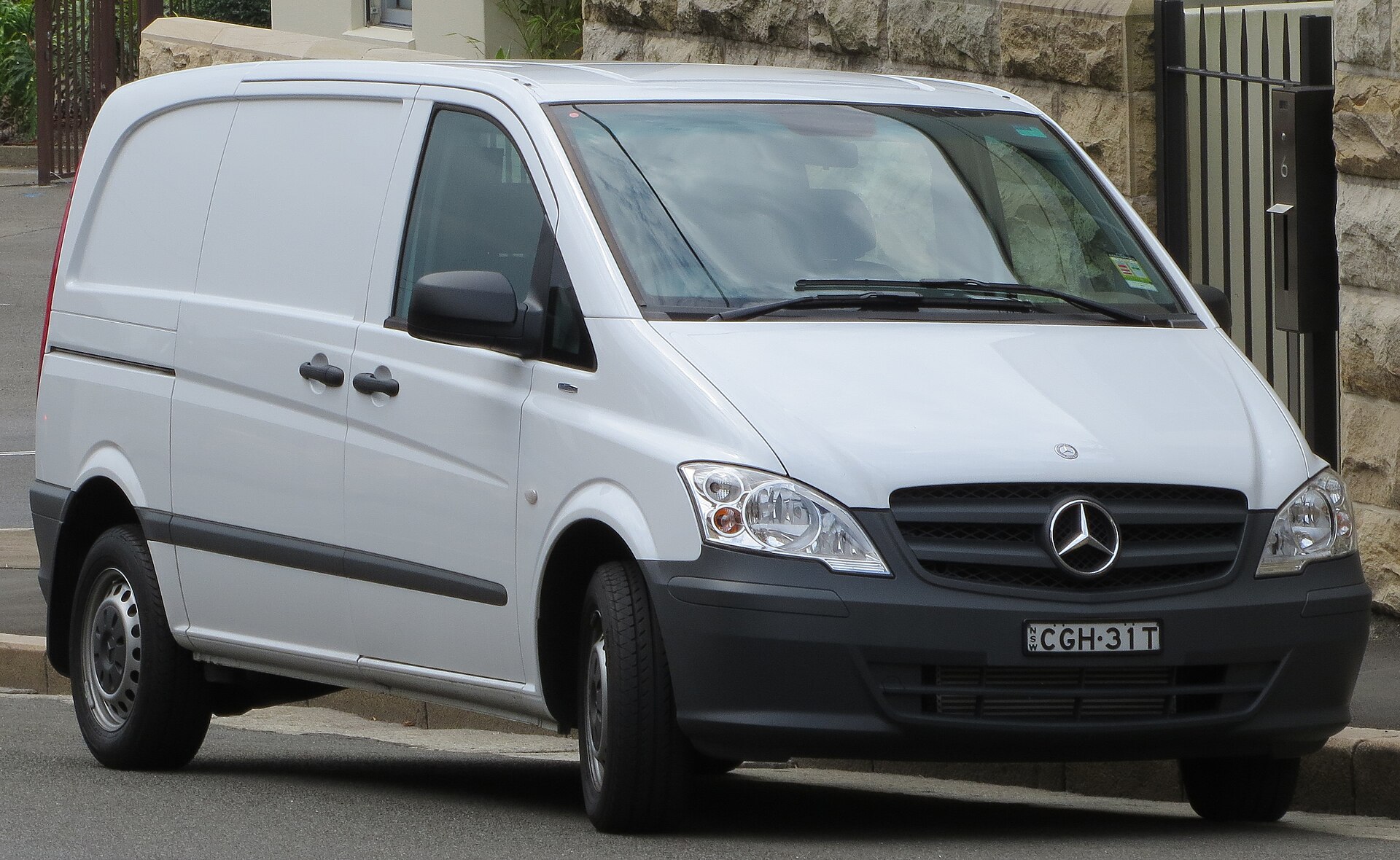
- Typical vehicles are the Fiat Talento or Scudo, Volkswagen Caravelle, Mercedes Vito and Ford Tourneo. Nine-seaters are almost always the Vito or Tourneo.
- Summer rates in July and August roughly double against April or October. Booking three to four months out for an August trip is not caution, it is necessary.
- Automatic transmission is a premium option on vans and is often the constraint that decides which vehicle you get.
Compare across suppliers before committing — the spread between the cheapest and most expensive quote for the same van at the same airport is routinely 60% or more.
ZTL zones: the rule you must understand
Almost every historic Italian town centre is a ZTL. Cameras read your plate at the boundary; if the plate is not on the permitted list, a fine is issued automatically. Because you are in a rental car, the process is slow and expensive: the authority bills the rental company, the company identifies you and charges an administration fee of roughly €30–80 per violation, then the fine itself arrives separately, often six to twelve months later.
The fine is typically in the €83–332 range depending on the municipality, with a reduction of around 30% if paid within five days of notification — a deadline you will almost certainly miss, because the letter reaches you months after the fact.
The practical rules:
- Never drive into a historic centre. Park outside and walk. This is not an inconvenience; the centres are pedestrianised for a reason and the walk is short.
- Set your satnav to avoid restricted zones, and do not trust it anyway. Many mapping apps handle ZTLs poorly.
- If your hotel is inside a ZTL, it can usually register your plate with the local police for the arrival window — but you must give them the plate and the exact arrival time in advance, and confirm it was done. “We will sort it out” at check-in is too late.
- ZTL hours vary by town and by day. Some are active only in the evening; some are 24/7. Assume active unless you have read the specific sign.
- A camera gate you crossed on the way in and again on the way out is two fines.
Tolls, fuel and the real running cost
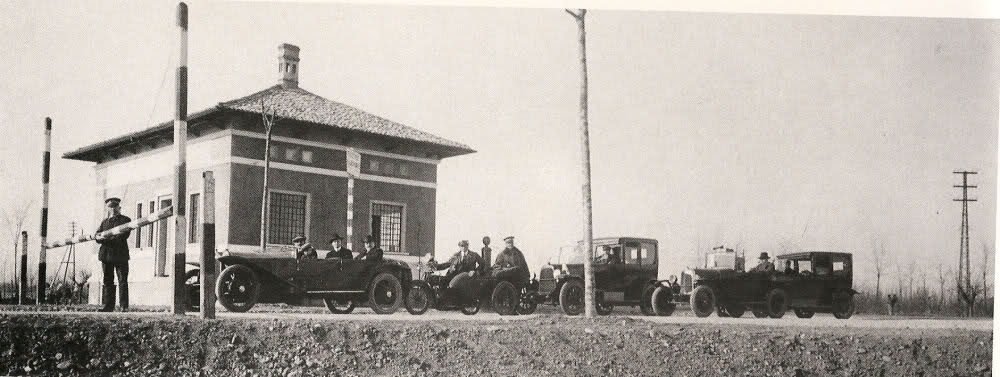
Most Italian motorways are tolled. Budget roughly €7 per 100 km for a car; vans in the higher axle class pay a little more. Milan to Naples on the A1 runs around €57 one way. You take a ticket at entry and pay at exit — the white lanes take cash, blue take cards, and the yellow Telepass lanes are for subscribers only. Getting into a yellow lane by accident is a common and annoying mistake; if it happens, do not reverse, press the assistance button.
Fuel is expensive by North American standards. Note the difference between servito (attended, higher price) and fai da te (self-service) pumps — the gap is meaningful over a two-week trip. Diesel vans are common and are usually the cheaper option to run.
Autostrada service areas are decent and the coffee is genuinely good, but the food is priced accordingly. Exiting for a town bakery costs ten minutes and half the money.
Routes that suit a van, and one that does not
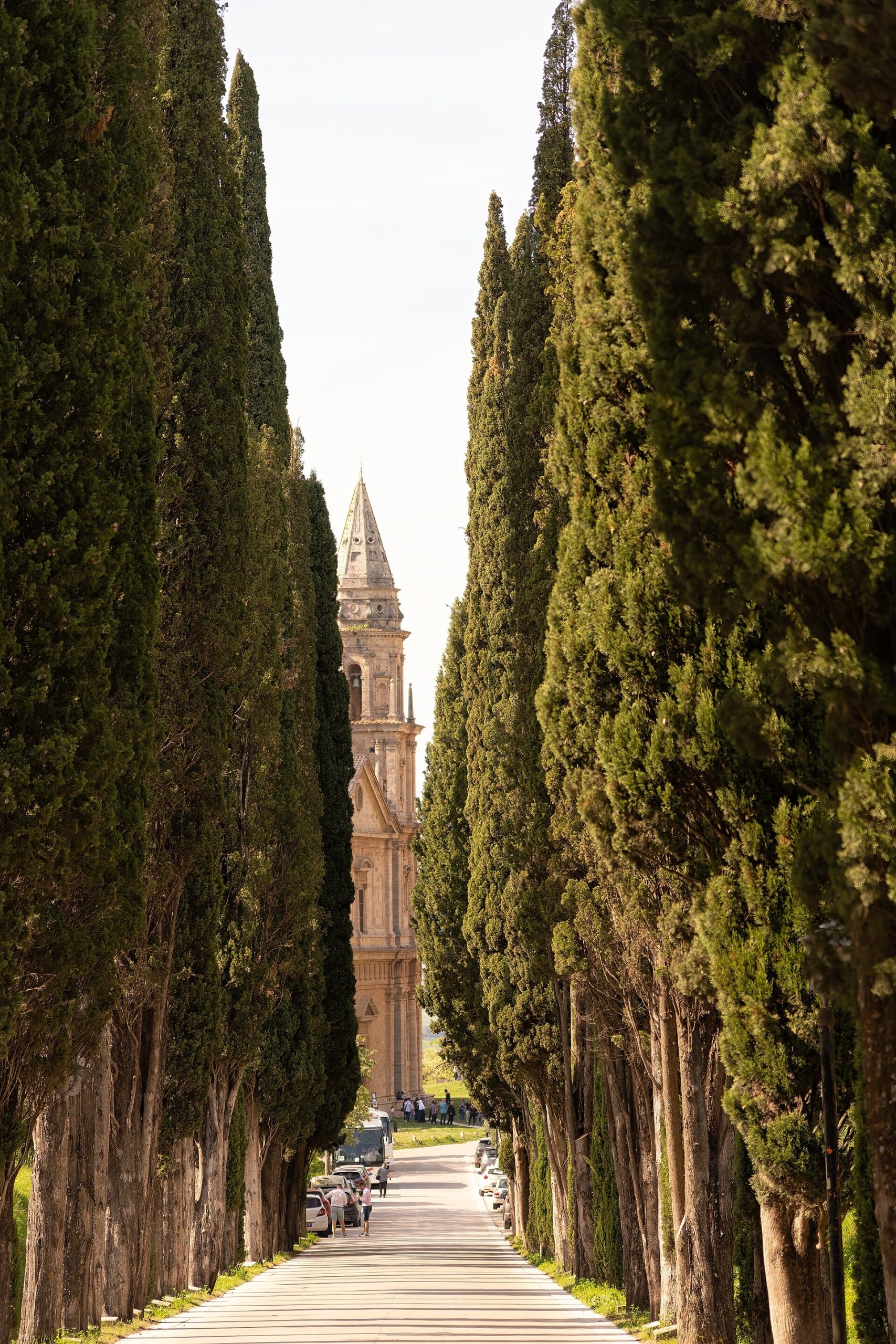
Tuscany and the Val d’Orcia. Wide-ish roads, agriturismo accommodation with parking, and the towns you want — Pienza, Montepulciano, Montalcino — all have car parks just outside the walls. This is the classic van-friendly Italian route and it deserves the reputation.
Puglia. Flat, empty, cheap, and the trulli towns and coastal roads are comfortable in a large vehicle. Underrated for families.
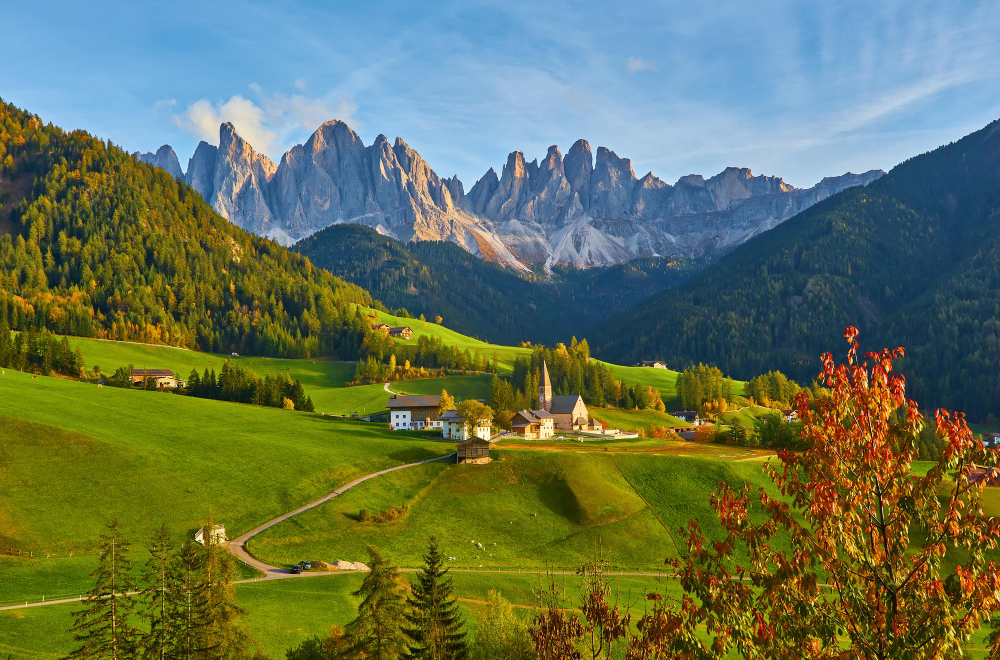
The Dolomites. Excellent van territory in summer — the passes are wide and well surfaced, and the valleys have proper parking. Winter is a different conversation and requires winter tyres or chains by law from mid-November to mid-April on most alpine routes.
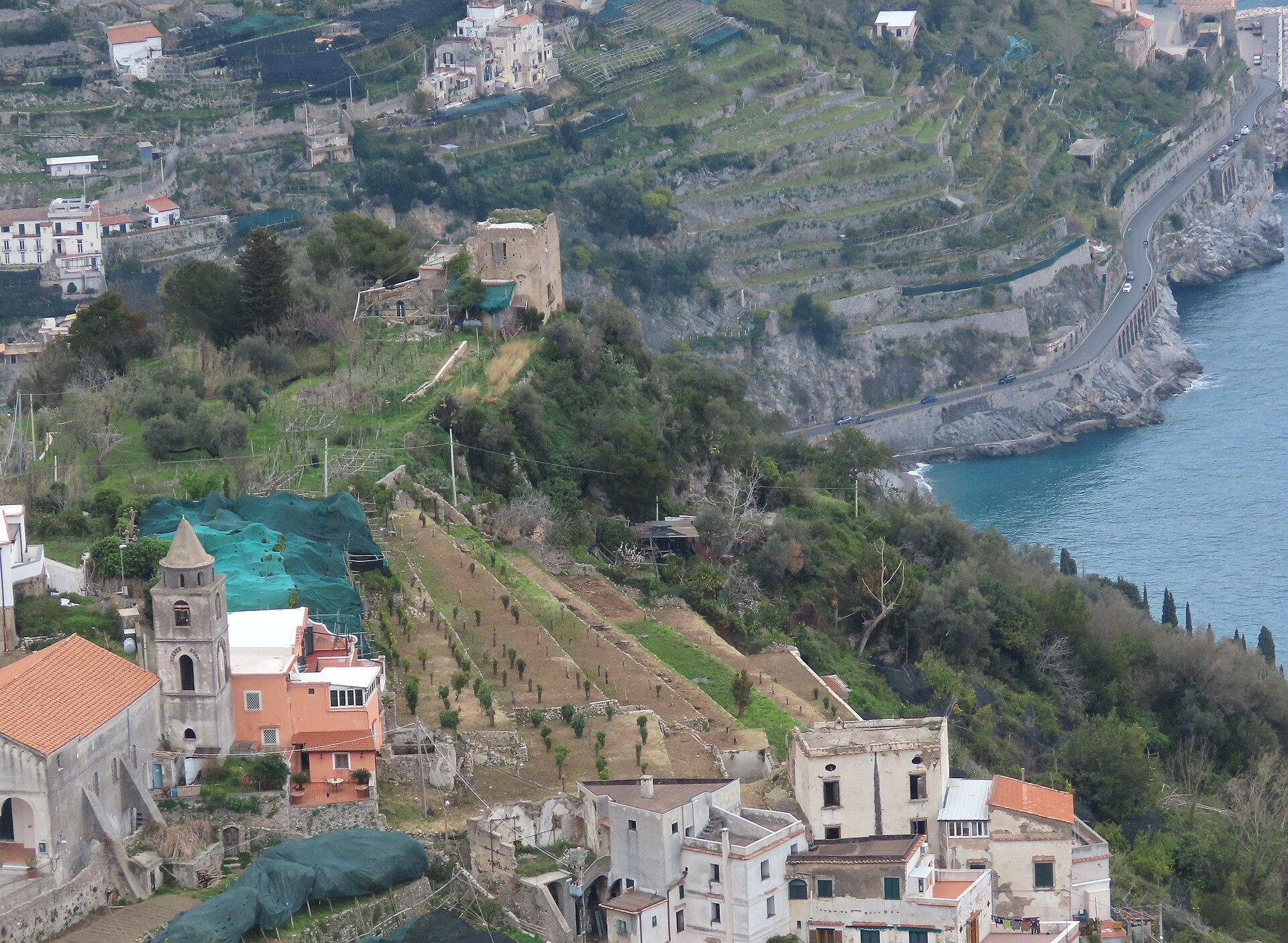
The Amalfi Coast — do not. The SS163 is genuinely too narrow for a nine-seater in high season. Buses reverse to let each other pass, and you will spend the day terrified rather than looking at the view. Base yourself in Sorrento or Salerno, leave the van parked and use the ferry or the SITA bus. This is the one Italian route where the extra seats become a liability.
Paperwork and insurance
- Non-EU licence holders need an International Driving Permit alongside the home licence. Italy enforces this more than most European countries, and a rental desk can refuse the vehicle without it.
- The credit card must be in the main driver’s name. Debit cards are refused by most suppliers on van classes.
- Excess on vans is high — often €1,500–2,500. Third-party excess insurance bought in advance is far cheaper than the counter product, but you pay damage upfront and reclaim it.
- Additional drivers cost per day and are worth it on a long trip; nobody should drive a loaded nine-seater over the Apennines alone for six hours.
- Child seats are legally required up to 150 cm or 12 years. Renting them is expensive and the quality is inconsistent; bringing your own is usually better if you can manage the luggage.
The luggage problem nobody warns you about
A seven-seat minivan with all seven seats in use has almost no boot. Manufacturers quote total volume with the third row folded. If you are seven people with seven suitcases, you need a nine-seater or a roof box, and roof boxes are rarely available from Italian rental desks. Measure your actual luggage against the quoted volume behind the rearmost row in use, not the headline figure.
Where to base yourself
Agriturismi and villas with parking work far better than town-centre hotels for a van trip — you avoid the ZTL question entirely and the price per head drops sharply for a group of six or seven. Book somewhere with confirmed off-street parking; “street parking nearby” in an Italian hill town means a 400 m climb with the shopping.
Booking the things you stop for
The major sites along a Tuscan or Umbrian route — the Uffizi, the Accademia, Siena’s Duomo, Orvieto’s underground — all run on timed entry, and the slots that suit a driving day (late morning, after a two-hour transfer) are the first to go. Book these before you leave, not from the car park.
A workable two-week loop
Fly into Bologna, collect the van at the airport, and drive out immediately — do not attempt the city with it. Four nights in Tuscany, three in Umbria, three in Puglia via the A14, then back up the Adriatic. Roughly 1,800 km, around €130 in tolls, and no historic centre entered by vehicle at any point.
Further reading
Read next: Renting a Scooter in Florence: The ZTL Clock and the 80-Kilometre Catch