Tasmania is about the size of Ireland with roughly one-eighth of the population, and it has no useful public transport between the places you have come to see. That is the whole argument for renting a car here, and it is a strong one. You can circle the island in a week, and no single leg of the loop takes more than about four and a half hours.
There is one rule that matters more than any other, and most rental briefings mention it in passing if at all: do not drive rural Tasmanian roads between dusk and dawn. This guide covers the six drives worth building a trip around, what the car and the passes actually cost in 2026, and why that dusk rule is not overcautious advice.
Getting the car onto the island
Two options, and they lead to different trips.
Fly and rent. Hobart and Launceston both have airports with the usual rental desks. This is faster and usually cheaper for trips under about ten days. Hobart suits the south and east; Launceston is closer to Cradle Mountain and the north coast. Picking up in one and dropping in the other is standard and the one-way fee within Tasmania is generally modest, which is worth checking because it lets you drive a line instead of a loop.
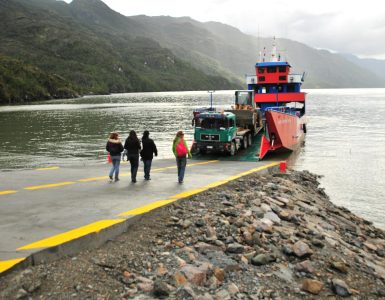
Bring your own on the Spirit of Tasmania. The ferry now runs Geelong to Devonport rather than from Melbourne, a crossing of roughly nine to eleven hours with day and overnight sailings. There are regularly promotional fares, including offers around 50 dollars each way for passengers and the same again for a vehicle in shoulder periods. If you are already driving in Victoria, or you want a campervan you already trust, this is the better route. Book vehicle space early for summer; it sells out well before the passenger seats do.
A note on timing. Tasmania has a real vehicle shortage from December to February. Rental prices in peak summer can be several times the shoulder-season rate, and in the last few Januaries visitors have arrived to find nothing available at any price. Book the car before the flights if you are travelling in summer.
It is worth comparing rental prices across the Tasmanian suppliers before you commit, because the spread between the cheapest and the most expensive for the same category is unusually wide on this island.
The parks pass, which you will need on day one
All 19 of Tasmania’s national parks require a valid parks pass, and rangers do check. The one almost every visitor wants is the Holiday Vehicle Pass: currently around 98 Australian dollars, valid for eight weeks, covering a vehicle and up to eight occupants across every park in the state. Fees were last revised on 1 July 2026.
Buy it online before you arrive or at the first visitor centre. Do not buy daily passes; two park visits and you have already spent more than the holiday pass costs. One exclusion catches people out: the Cradle Mountain shuttle bus is not covered and must be paid separately.
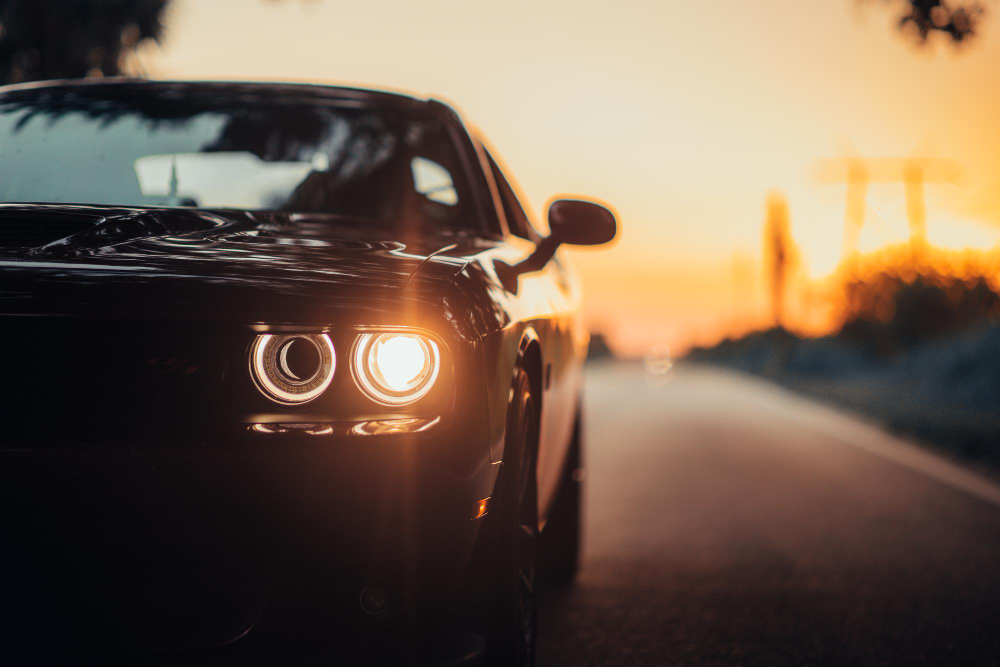
The one rule about dusk
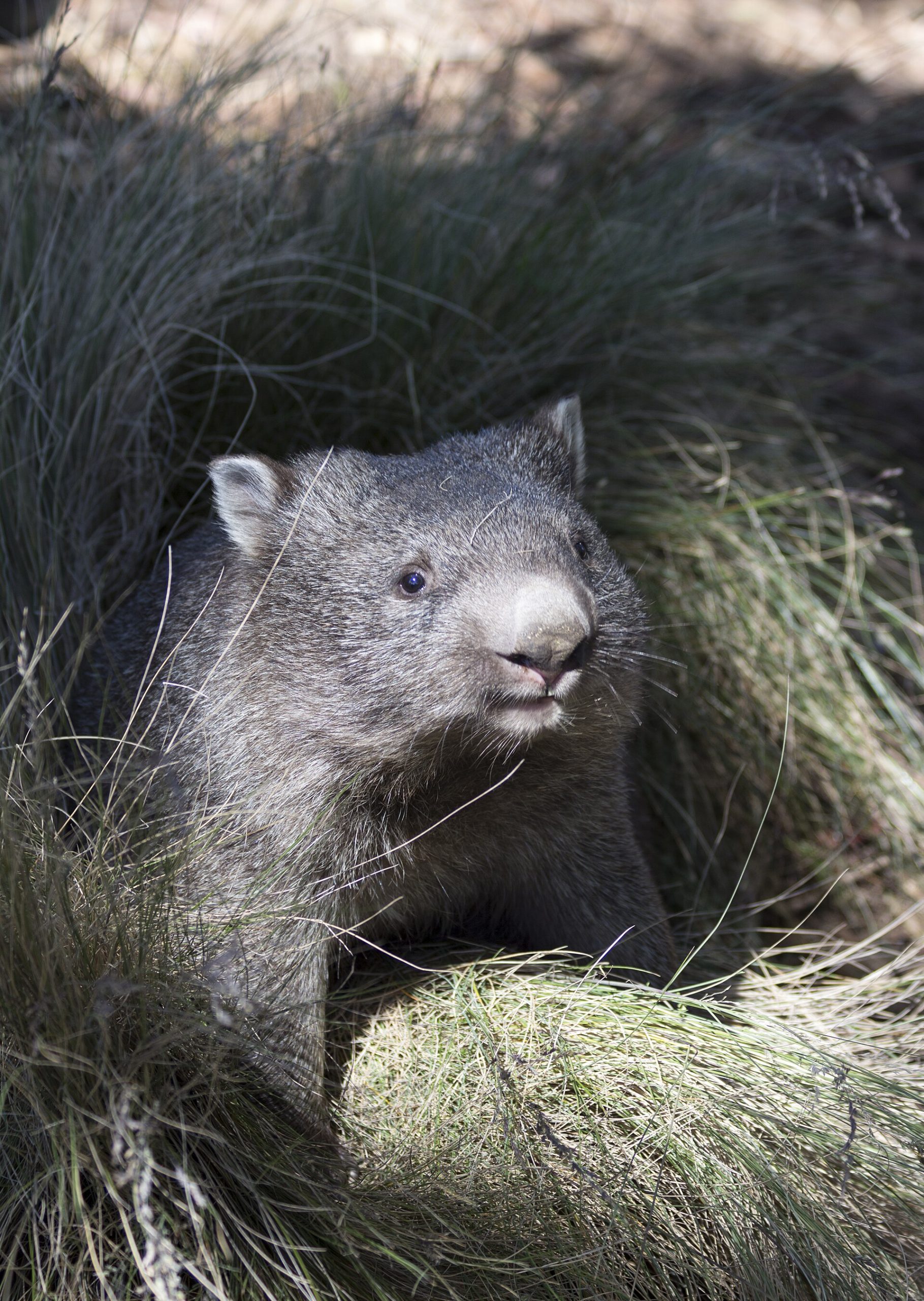
Tasmania has an extraordinary density of nocturnal wildlife and, unfortunately, one of the highest rates of vehicle-strike wildlife deaths anywhere. Wallabies, pademelons, wombats, possums, echidnas, quolls and Tasmanian devils are all most active from late afternoon through to sunrise, and the smaller macropods in particular move unpredictably towards headlights rather than away from them.
The practical version of the rule:
- Plan every driving day so you arrive before sunset. In winter that means being off rural roads by about 4.30pm.
- If you must drive at night, drop to 80 km/h or below on rural roads. Most strikes happen at the speed limit.
- Do not swerve. Braking straight is safer for you than a swerve into oncoming traffic or a gravel shoulder.
- Standard rental insurance frequently excludes or heavily excesses animal-strike damage. Read that clause specifically.
This is also, incidentally, how you see the wildlife rather than hit it: pull over at a lit picnic area or stay somewhere with bush around it, and wombats will wander past at dusk without you needing to be moving at 100 km/h.
Six drives worth planning around
1. Hobart to Port Arthur, about 95 km, 1.5 hours. Down the Tasman Peninsula past Eaglehawk Neck and the Tessellated Pavement. Port Arthur is a convict penal settlement and a properly sobering historic site rather than a theme park; allow most of a day. The drive itself has some of the best coastal lookouts in the state.
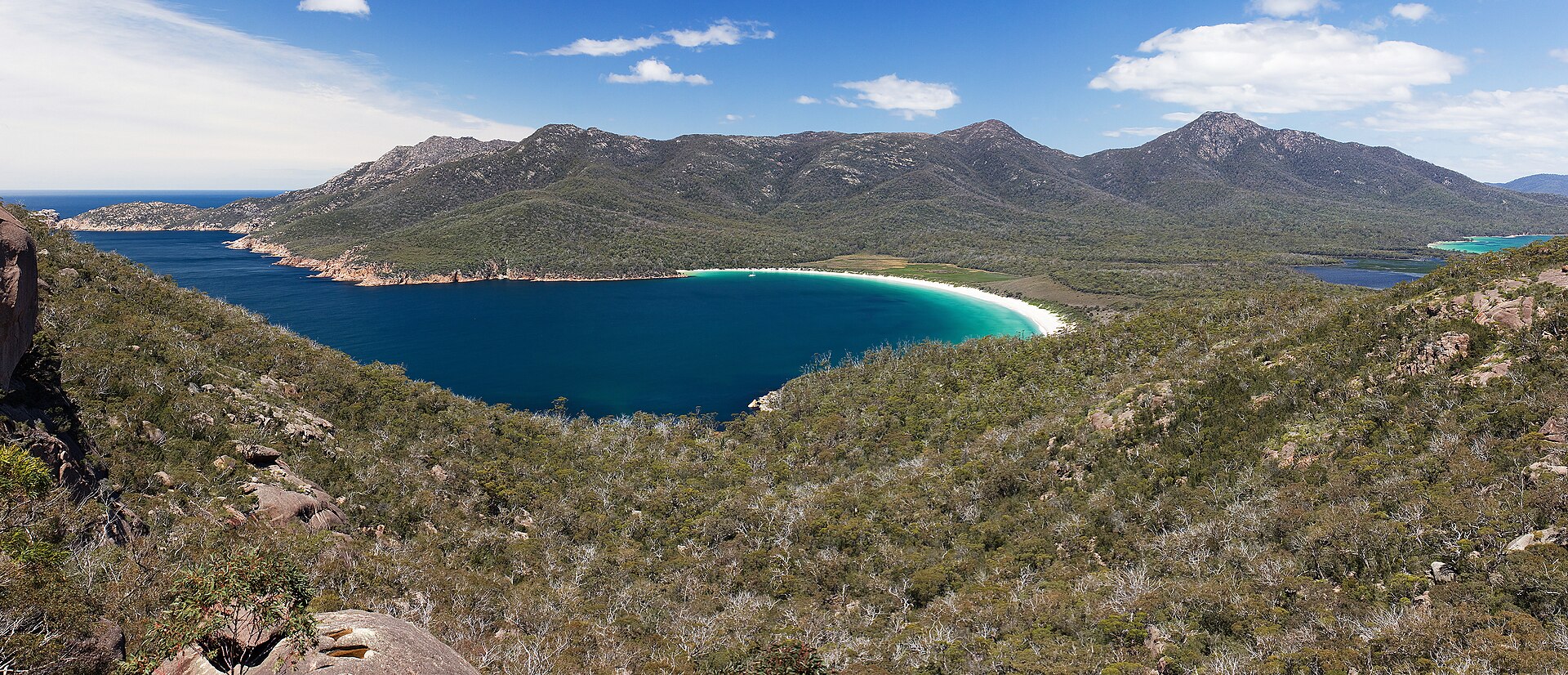
2. Hobart to Freycinet, about 195 km, 2.5 hours. Up the east coast to the Freycinet Peninsula and the Wineglass Bay lookout, which is a steep 1.5-hour return walk and worth every step. In peak season the Wineglass Bay car park operates on a booking system; check before you drive out and find it full.
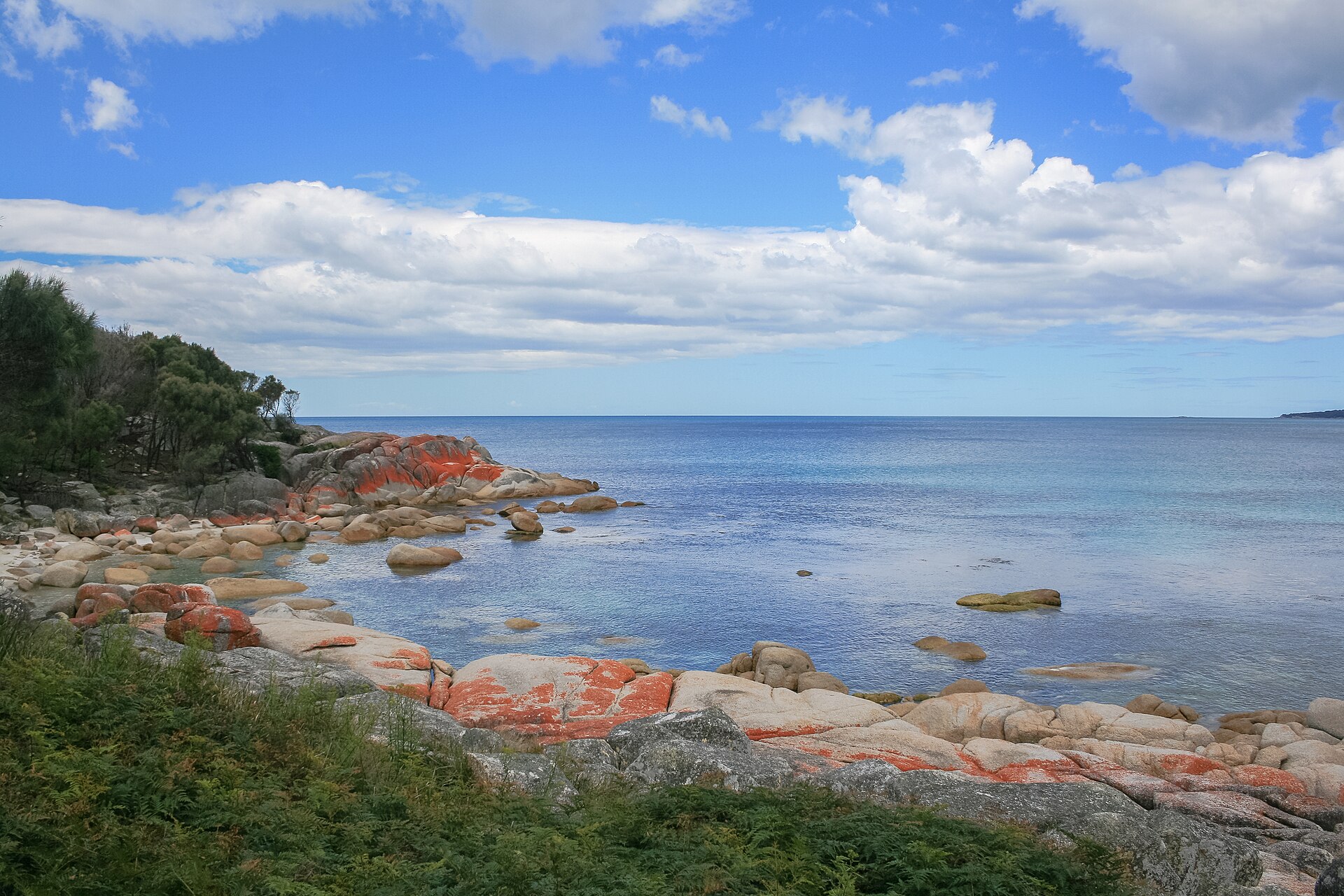
3. Freycinet to the Bay of Fires, about 170 km, 2.5 hours. The quiet leg. Binalong Bay north to Eddystone Point: white sand, clear water and granite boulders covered in bright orange lichen. There is very little infrastructure, which is the point.
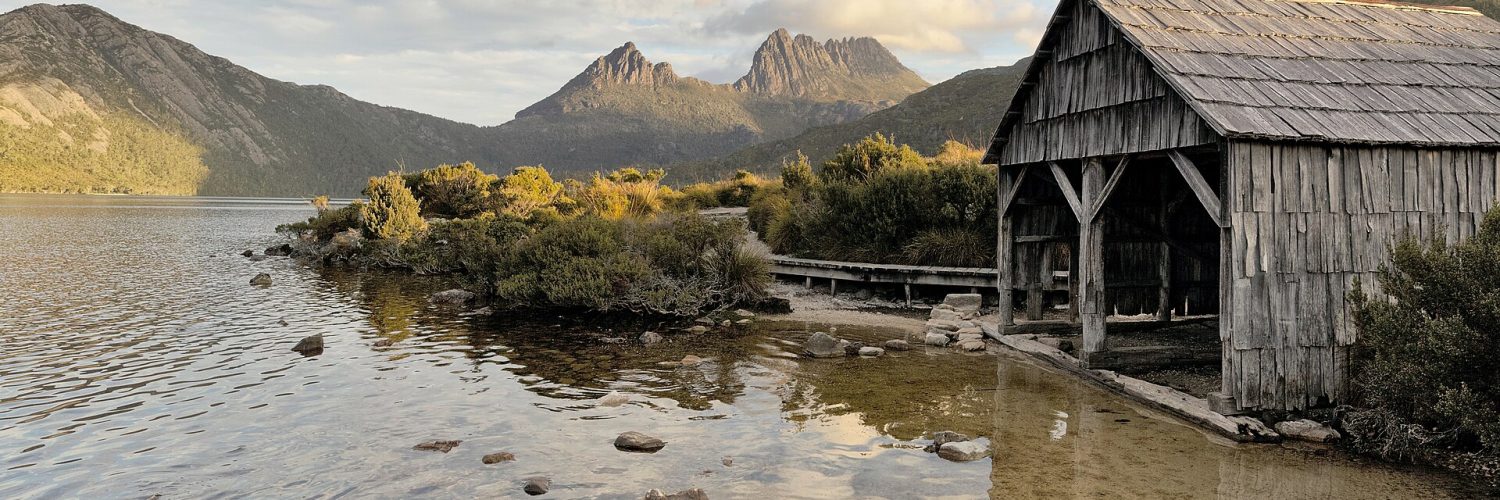
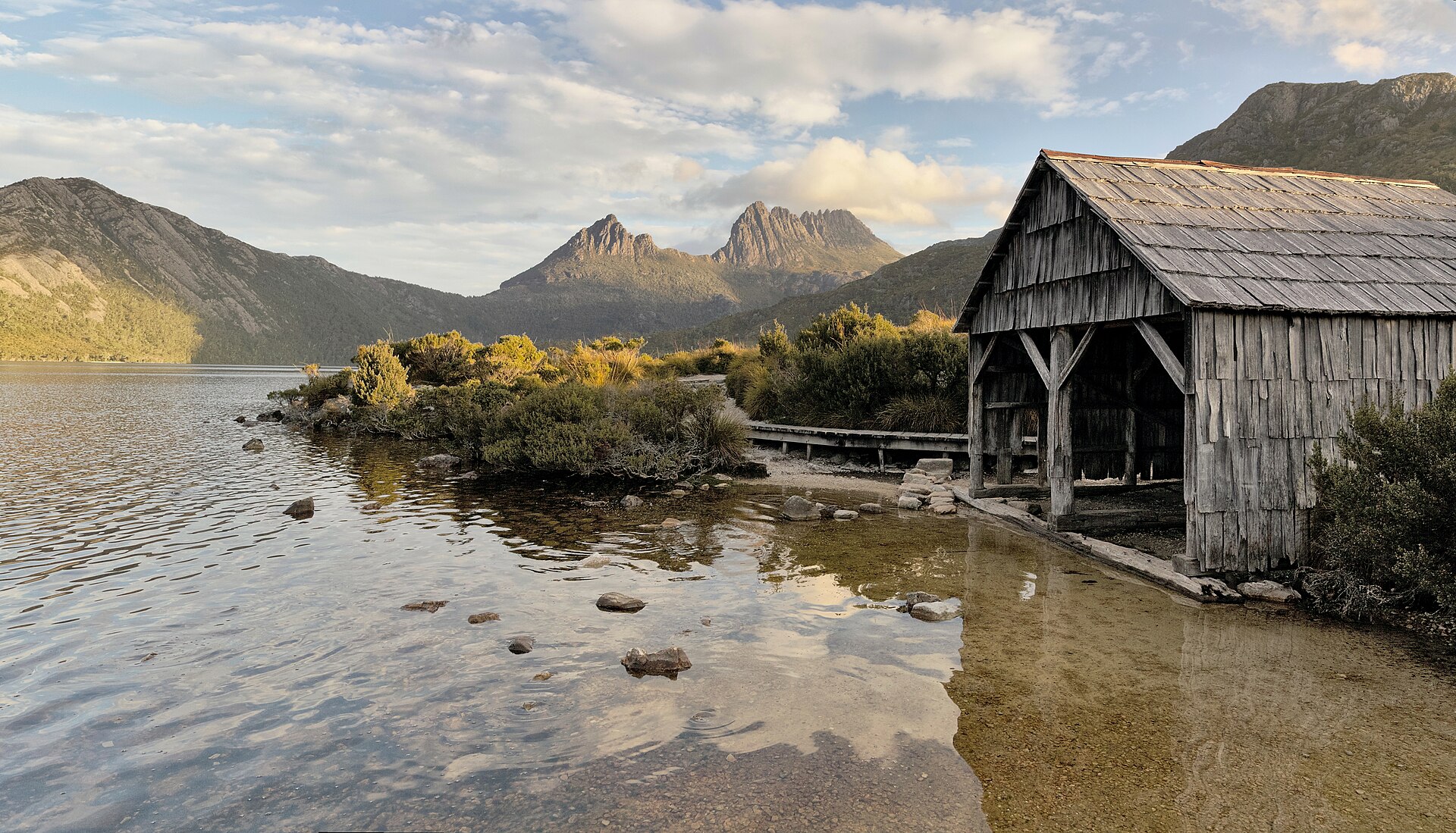
4. Launceston to Cradle Mountain, about 145 km, 2.5 hours. The single most visited landscape in Tasmania and it earns it. From the visitor centre you must take the shuttle to Dove Lake in peak periods; the Dove Lake Circuit is a flat 6 km loop of two to three hours. Alpine weather here is real. Snow in February is not unusual and the summit track closes regularly.
5. Cradle Mountain to Strahan, about 145 km, 2.5 hours. Through Zeehan and the west coast mining country. Strahan sits on Macquarie Harbour, which is six times the size of Sydney Harbour, and the Gordon River cruises leave from here. This is also where the road quality drops and the fuel stations thin out.
6. Strahan to Hobart via Lake St Clair, about 300 km, 4.5 hours. The longest leg, over the Central Highlands through Queenstown’s stripped orange hills and Derwent Bridge. Beautiful, remote, and the section where you are most likely to have no mobile signal for an hour at a time.
Fuel, signal and unsealed roads
Three things behave differently here from mainland Australia.
Fuel. The east coast and the Midland Highway are well served. The west and the central plateau are not. Fill up at Queenstown, Strahan, Derwent Bridge and Sheffield rather than assuming there will be something in 40 km. Many small-town stations close in the evening.
Mobile coverage. Patchy to nonexistent across the west, the highlands and parts of the far north-west. Download offline maps before you leave Hobart or Launceston. Do not rely on live navigation.
Unsealed roads. Most standard rental agreements prohibit driving on unsealed surfaces and will void your damage cover if you do. This rules out some of the more remote coastal access tracks, including parts of the drive to the Arthur River and some Bay of Fires side roads. If you want those, hire a vehicle explicitly permitted on gravel and pay for it.
What Hobart is for
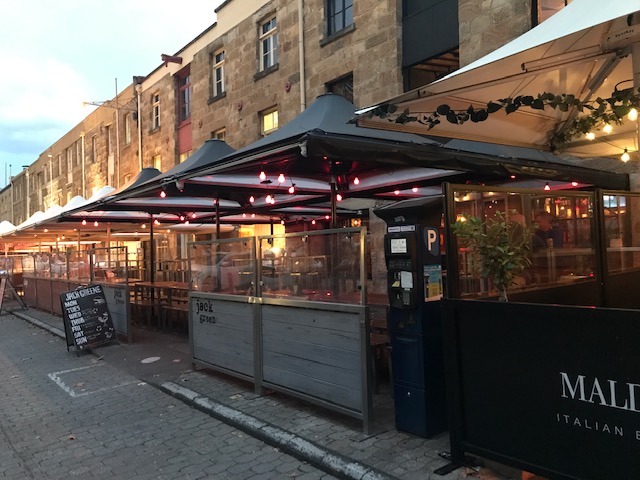
Hobart rewards two days rather than an overnight. Salamanca Place, a row of 1830s sandstone warehouses on the waterfront, hosts a large open-air market every Saturday morning that is genuinely good rather than tourist-tat. Battery Point behind it is the intact colonial village. And MONA, the Museum of Old and New Art, is reached by a purpose-built ferry up the Derwent and is unlike any other museum in Australia; give it half a day and go in with an open mind.
Mount Wellington, or kunanyi, rises 1,270 metres directly behind the city and you can drive to the summit in about 30 minutes. Weather at the top is routinely 10 degrees colder and considerably windier than the waterfront. Take a jacket even in January.
Where to sleep on a driving loop
Tasmania’s accommodation is thin outside Hobart, Launceston and the main tourist nodes, and in summer it books out months ahead. Cradle Mountain in particular has a small number of beds and prices that reflect it. The workable pattern for a week is two nights Hobart, one Freycinet, one Bay of Fires or St Helens, two Cradle Mountain, one Strahan.
If you are flying in and out and would rather not collect the car until the morning, a fixed-price airport transfer into Hobart or Launceston on arrival night is a reasonable small expense.
When to go
December to February is summer: long days, warm coast, every bed and car booked, and the highest prices of the year.
March and April are the best compromise. Stable weather, the fagus turning gold in the highlands in late April, and prices roughly a third off peak.
May to August is cold, wet and quiet, with snow in the highlands. Dark Mofo in Hobart in June is the reason many people come in winter, and it is a good one. Some park roads and walks close.
September to November is unpredictable in the way Tasmanians find funny and visitors find inconvenient. Four seasons in a day is not a slogan here.
Practical notes
- Drive on the left, and the standard rural speed limit is 100 km/h, which on winding Tasmanian roads is frequently faster than is sensible.
- Distances mislead. Tasmanian roads are twisty; assume real-world times are 20 to 30 percent longer than a mapping app suggests, more with photo stops.
- Layer up. Alpine areas can produce sub-zero wind chill in any month. Cradle Mountain and Mount Wellington both do this regularly.
- Biosecurity. You cannot bring fresh fruit, vegetables or honey into Tasmania, including on the ferry. There are bins before the checkpoint.
- What is not worth it: trying to see the whole island in four days. The classic mistake here is a loop that turns into five hours of driving a day past things you photographed from the car. Cut the west coast before you cut the time at Cradle Mountain and Freycinet.
Further reading
- Campervan rental in Australia
- Motorcycle rental in Tasmania
- Domestic flights in Australia
- Things to do in Sydney