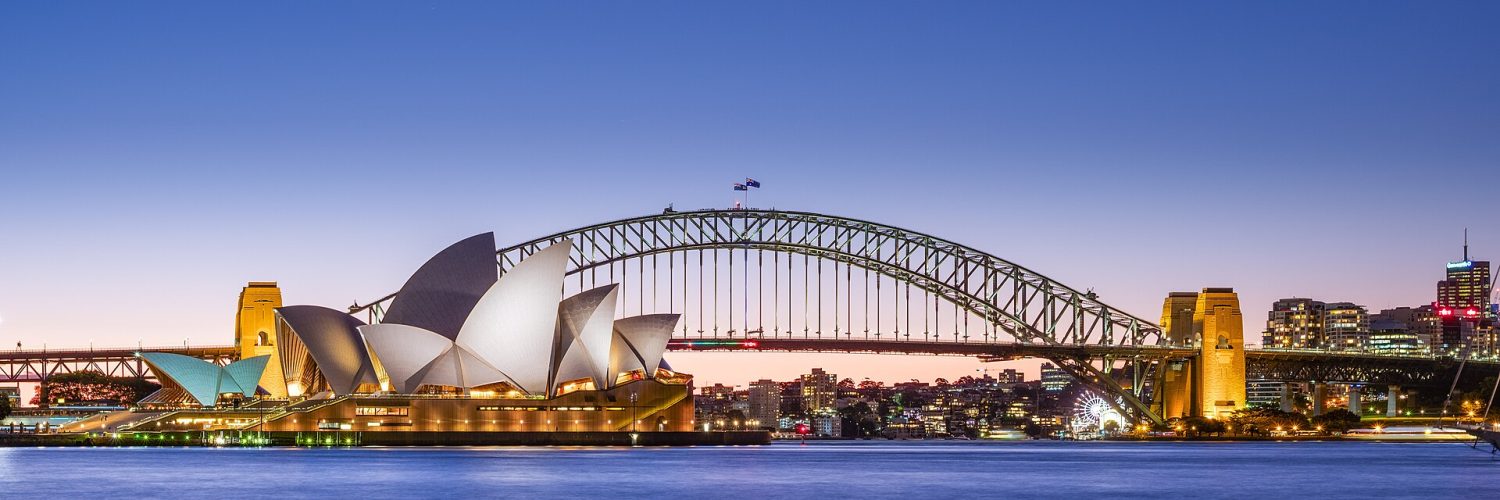
Sydney is usually sold as a city of icons. It is more accurate — and far more useful for planning — to treat it as a drowned river valley with a city built around the edges. The harbour is not a feature of Sydney; it is the organising fact. It is why the suburbs are strung out along headlands instead of arranged in neat rings, why the ferry is genuine public transport rather than a tourist novelty, and why two neighbourhoods three kilometres apart as the crow flies can be forty minutes apart by road.
Get that geometry right and Sydney is cheap to move around and easy to enjoy. Get it wrong — book a hotel in one arm of the harbour and plan your days in another — and you will spend your budget on taxis. This guide covers what a few days actually cost, what to book in advance, and how to use the transport network the way residents do. All prices are in Australian dollars.
Why the city is shaped like this
Port Jackson is a ria: a river valley flooded at the end of the last ice age, roughly 10,000 years ago, leaving a deep, sheltered, extravagantly complicated coastline. Sydney has something like 240 kilometres of harbour shoreline inside the metropolitan area. The British chose it in 1788 precisely because it was deep and protected, and every subsequent decision followed the water — settlement clung to coves, then to tram lines, then to the two bridges and the tunnel.
The consequence for a visitor is simple. There is no single dense downtown that holds everything. The CBD is compact and largely commercial; the things you actually came for are distributed around the water — the Opera House and Royal Botanic Garden on one point, the Rocks under the bridge, Manly across the heads, Bondi over the eastern ridge, Barangaroo and Darling Harbour on the western side. Planning by map distance fails. Planning by ferry and train line works.
Arriving, and the fee nobody warns you about
Sydney Airport sits about 8 km south of the CBD, which is unusually close for a major city. The train from the domestic and international terminals reaches Central in roughly 13 minutes. The catch is a station access fee — a surcharge of around $17.92 per adult levied on top of the normal fare simply for entering or leaving the two airport stations, and it sits outside the daily fare caps entirely. For one person, the train is still the fastest option. For a family of four, the fee alone approaches the cost of a car.
The workaround locals use is to walk or take a short bus to Mascot station, one stop up the line, which is an ordinary station without the surcharge — but with bags, in summer, that is more theory than practice. We break down every option, including when a pre-booked car beats the train on both time and money, in our guide to the Sydney airport transfer. If you want a fixed price with someone meeting you at arrivals, this is the comparison:
What a day of transport actually costs
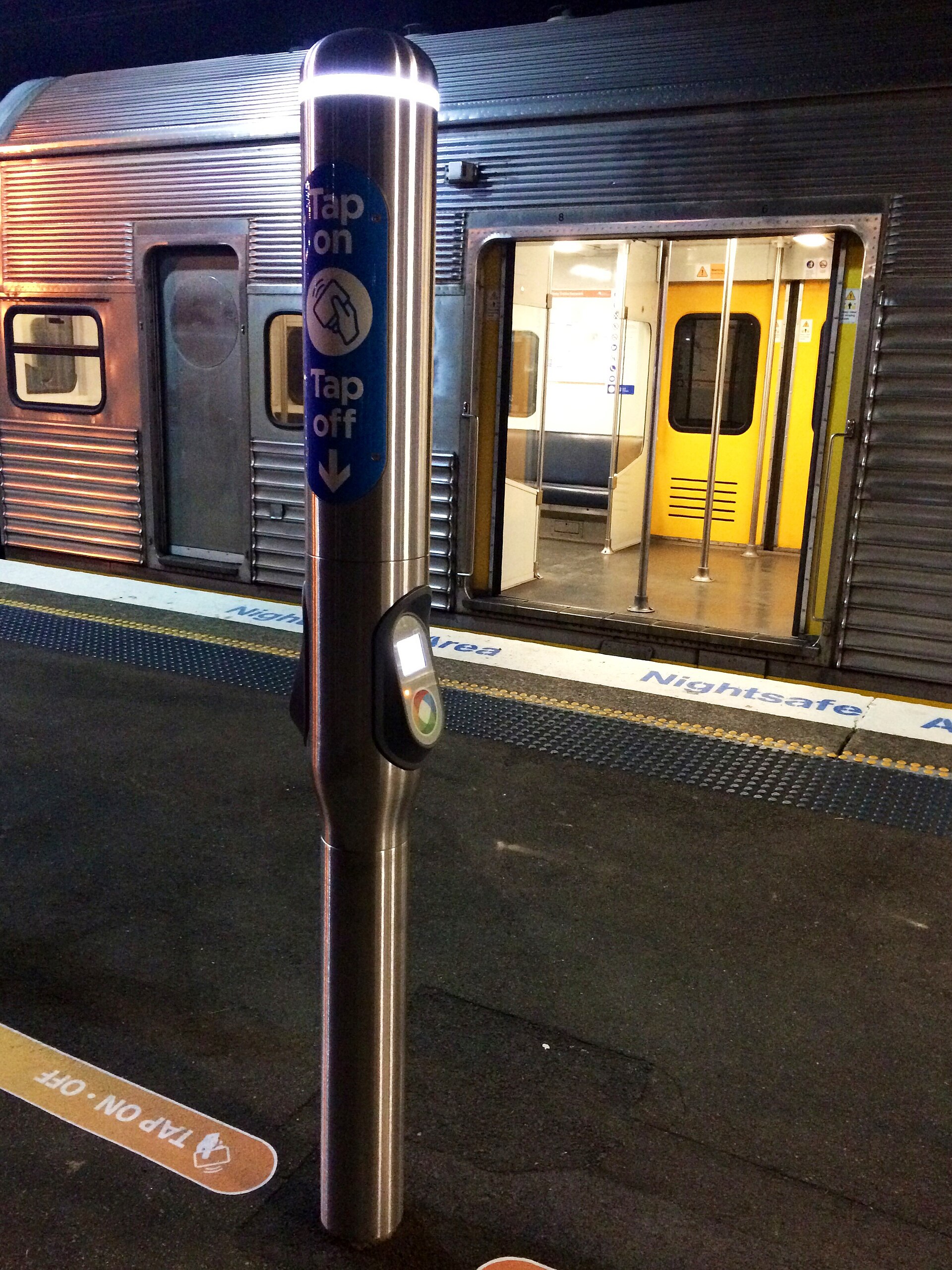
This is where Sydney is quietly generous. The Opal system caps what you can spend: roughly $19.30 a day Monday to Thursday, about $9.65 a day Friday to Sunday, and around $50 for a full week. Those caps apply across trains, buses, light rail and ferries together, and — importantly — you do not need to buy anything. Tapping a contactless bank card or phone at the reader gets you the same fares and the same caps as a physical Opal card.
The practical effect is that a weekend of unlimited ferry riding costs less than ten dollars a day. The Manly ferry from Circular Quay — thirty minutes past the Opera House, under the heads, with open decks — is charged as ordinary public transport. Tourist harbour cruises cost five to ten times as much and show you a very similar stretch of water. Take the ferry.
What to book ahead
Sydney rewards spontaneity more than most big cities — the beaches, the walks and the harbour need no reservation. Three categories genuinely do: Opera House interior tours, the BridgeClimb, and anything involving a summer weekend. Below is current availability and pricing for the main Sydney attractions, passes and tours.
An honest note on the multi-attraction passes. They bundle Sydney Tower Eye, SEA LIFE, WILD LIFE and Madame Tussauds — four commercial attractions clustered at Darling Harbour, all indoors, all fine, none of them the reason anyone flies to Australia. They are excellent value if you are travelling with children or hit a week of rain. If you are here for four days of good weather, the money is better spent on an Opera House tour, a day in the Blue Mountains, and a lot of ferry rides.
What is free and genuinely first-rate
The Royal Botanic Garden is free and open daily; Mrs Macquarie’s Chair at its eastern edge is the classic Opera-House-plus-Bridge view and costs nothing. The Art Gallery of New South Wales and the Australian Museum both offer free general entry. Walking across the Harbour Bridge on the eastern footpath is free, and the Pylon Lookout at a small charge is a fraction of the BridgeClimb price for a similar view.
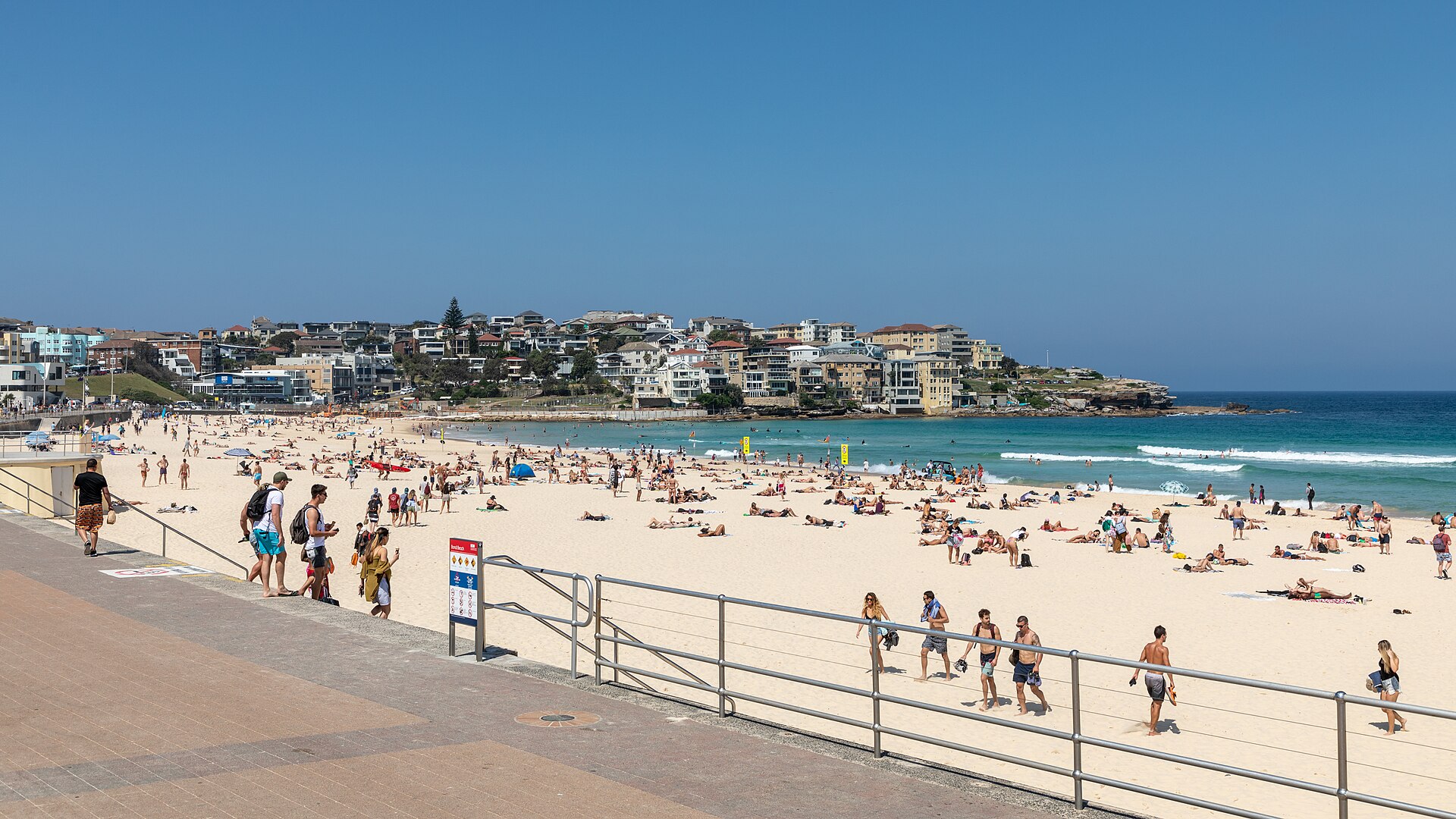
The best free thing in Sydney is the Bondi to Coogee coastal walk — six kilometres of clifftop path past Tamarama, Bronte, Clovelly and the Waverley cemetery. Allow two to three hours with stops, go early, and carry water; there is very little shade.
The neighbourhoods, briefly
The CBD and Circular Quay put you inside walking distance of the Opera House and every ferry, at the highest room rates in the city. Surry Hills and Darlinghurst are where the food is — terrace houses, small bars, a fifteen-minute walk or one light-rail stop from Central. Newtown, on the inner west line, is student-adjacent, cheaper and more interesting than its reputation. Bondi is a beach suburb with a beach suburb’s rhythm: excellent mornings, no train station, and a bus to everywhere else. Manly is Bondi with a ferry instead of a bus, which in Sydney terms is a substantial upgrade.
The rule that follows from the harbour geometry: pick a base that sits on a ferry wharf or a train line, and stop worrying about which suburb sounds best. We compare specific areas and typical rates in where to stay in Sydney.
Three days that use the geography properly
Day one — the harbour. Start at Circular Quay. Walk through the Rocks, out to Mrs Macquarie’s Chair through the Botanic Garden, back for a late lunch, then the Manly ferry in the afternoon and the return leg at sunset. Total transport cost: one day cap.
Day two — the coast. Bus or train to Bondi, walk the coastal path to Coogee, bus back into the city. Afternoon in Surry Hills. If it is a Friday, Saturday or Sunday, this whole day costs under ten dollars in fares.
Day three — inland or up. Either the Blue Mountains (about two hours by train to Katoomba, or ninety minutes driving) or a slower city day: Art Gallery of NSW, Barangaroo, a swim at one of the harbour pools. Wylie’s Baths, the Bondi Icebergs pool and the North Sydney Olympic Pool are all genuinely worth a morning.
With a fourth day, add the Northern Beaches by car, or the Royal National Park south of the city — Australia’s oldest national park, with coastal walks that see a fraction of Bondi’s traffic.
Eating and drinking
Sydney’s food is Asian-Australian first and everything else second, and this is not a marketing line — Cantonese, Vietnamese, Korean, Japanese and Thai cooking here are as good as anywhere outside their home countries. Chinatown around Haymarket, the Vietnamese strip in Cabramatta (a train ride, but locals do it), and the Korean blocks around Pitt Street are where the value is. Add a Modern Australian tasting menu if the budget allows, and a bakery morning: the sourdough-and-flat-white culture is genuinely strong.
Practical points: most bars stop serving earlier than European visitors expect, BYO restaurants are common and can cut a dinner bill substantially, and a “schooner” is 425 ml while a “pint” is 570 ml. Tap water is free and safe everywhere.
When to go
December to February is summer: hot, humid, crowded, and the only period when the beaches are unambiguously the point. It is also the most expensive, and Christmas–New Year books out months ahead. March to May is the best window — warm water, mild air, thinner crowds. June to August is Sydney’s winter: daytime highs in the high teens, cold rain in bursts, and heating that Australian buildings are notoriously bad at. September to November warms up steadily and brings the jacaranda bloom in late October, which is a real event here.
One weather note that matters: Sydney’s rain arrives as intense east-coast lows rather than drizzle. A wet week is genuinely wet. Build one indoor day into any itinerary between March and August.
Practical notes
- Sun. The UV index in Sydney routinely reaches 11+ in summer. This is not a caution you can ignore for an afternoon; burn times can be under fifteen minutes.
- Beaches. Swim between the red and yellow flags. Unpatrolled beaches and rock platforms account for most drownings, and rips are not visible to untrained eyes.
- Tipping. Not expected. Service staff are paid a legal minimum wage that assumes no tips.
- Distances within Australia. Sydney to Melbourne is roughly the distance from London to Edinburgh; Sydney to Perth is further than London to Moscow. Domestic flights are the norm — see our guide to domestic flights in Australia.
- Driving in the city is pointless, but a car for the Northern Beaches, the Royal National Park or a run up the coast is a different matter. Compare rates before you land rather than at the airport desk.