

“Just get a campervan” is the reflexive advice for an Australian road trip — the east coast is practically built around it. But a campervan is not automatically the budget option, and for some trips it is clearly the expensive one. We ran the numbers for a typical two-week coastal trip for two people. Here is what came out.
The Two-Week Math, Side by Side
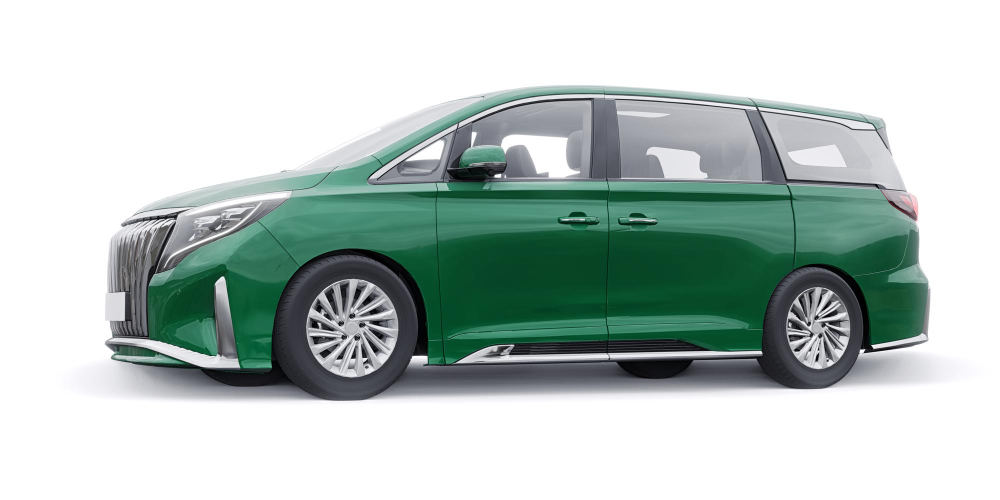
Option A — Campervan (2-berth hi-top):
- Hire: AU$100–150/day in shoulder season, AU$150–250/day December–January → AU$1,400–2,800
- Powered caravan-park sites: AU$45–65/night (you cannot free-camp everywhere — more below) → say AU$500–700 for 10 of 14 nights
- Fuel: vans burn 10–13 L/100km → AU$400–550 for a 2,500 km route
- Realistic total: AU$2,300–4,000
Option B — Compact car + motels/cabins:
- Car hire: AU$45–70/day → AU$650–1,000
- Motels, pub rooms and park cabins: AU$110–170/night → AU$1,550–2,400
- Fuel: 6–7 L/100km → AU$250–300
- Realistic total: AU$2,450–3,700
The honest conclusion: for two people in season, it is roughly a wash. The van wins clearly in shoulder season, for longer trips, or when relocation deals appear (below). The car wins for shorter trips, city-heavy itineraries, and anyone who values a real shower.
Where the Campervan Genuinely Wins
- Remote coastlines: along stretches like the Great Ocean Road’s quieter west or Queensland north of Noosa, being self-contained means sunrise at the beach instead of a 40-minute drive from the nearest motel town.
- Relocation deals: hire companies need vans moved between depots and list them for AU$1–5/day, sometimes with a fuel allowance. If your dates are flexible, this demolishes every other option.
- Solo travelers and couples on 3+ week trips: the per-night saving compounds, and one-way fees amortize.
The Fine Print That Bites
- Free camping is regulated: rules vary by state and council; many scenic areas prohibit overnighting in vehicles and enforce it with fines. Apps like WikiCamps show legal spots — budget for paid sites at least half your nights.
- One-way fees: Sydney–Cairns or Melbourne–Adelaide drops commonly add AU$150–500.
- Standard excess is brutal: AU$3,000–5,000 on most vans. Either take the daily reduction or check whether your travel insurance covers rental excess.
- Vans are geared for the coast: almost all standard hires prohibit unsealed roads — if the Outback proper is the plan, that is a 4WD conversation entirely.
If the Car Wins Your Math
Compact cars in Australia are cheap by rich-world standards and the motel network is dense along every major route. Compare the majors against local agencies on DiscoverCars — airport pickups in Sydney, Brisbane and Melbourne are consistently the best-priced in the country. For something with more shine for a city stay, see our older guide to luxury car rental in Brisbane.
If that is your answer, the car half of the comparison is a normal rental booking — and the price gap between suppliers on the same vehicle class in Sydney, Brisbane and Cairns is routinely 30% or more. Compare before you commit:

Which Van, From Which Company
The Australian market splits into three tiers. Budget brands — Jucy, Hippie, Travellers Autobarn — rent converted hi-tops with a bed and basic kitchen from roughly A$70–120 per day in low season, doubling in December–January. Mid-tier Britz, Apollo and Maui run proper 2–6 berth motorhomes with showers and toilets at A$200–350 per day in peak. Third tier is peer-to-peer (Camplify), where private owners undercut the depots — good value, more variance. Minimum hire is usually 5–7 days, one-way rentals between major cities are standard, and one-way fees of A$100–500 apply on unpopular directions. Book Christmas school holidays months ahead; the entire country goes camping at once.
Relocation Deals: The A$1-a-Day Loophole
Rental fleets constantly need vans moved back against the tourist tide — Cairns back to Sydney after the winter season, Alice Springs to Adelaide, Hobart to Melbourne. Relocation platforms list these at A$1–5 per day, often with a fuel allowance thrown in. The catches: tight day limits (Sydney–Cairns in five days is driving, not holidaying), fixed dates, and zero flexibility. As a cheap positioning leg to start a normal hire somewhere sunnier, though, nothing else comes close.
Where You Can Legally Sleep
This is the rule set that decides whether the van saves money. Free and low-cost bush camps are abundant once you leave the coasts — the WikiCamps and CamperMate apps map thousands, with reviews — but the popular East Coast is the strictest stretch: most beach towns ban street camping and enforce it with A$150–300 fines, which is precisely why self-contained vans (toilet on board) matter; many free sites admit only those. Holiday parks (Big4, Discovery) charge A$40–65 per powered site — factor two or three park nights a week for showers, laundry and charging even if you free-camp the rest. National park campgrounds split the difference at A$10–30 with the best locations in the country.
Fuel, Ferries and the Distances Nobody Believes
Australia is Europe-sized with three time zones, and the East Coast run alone — Sydney to Cairns — is about 2,400km. A hi-top drinks 10–12L/100km, a big motorhome 14–18L, and diesel hovers around A$2 per litre, so that one leg is A$500–850 in fuel. Add the Spirit of Tasmania ferry (vehicle passage each way in high season is a serious line item) if Tassie is on the list — and it should be; it is the best campervan terrain in the country. Fill up before remote stretches: outback roadhouse fuel runs 30–50 cents per litre above city prices, and the gaps between pumps on the Nullarbor or the inland highways are measured in hundreds of kilometres.
Insurance: The A$5,000 Excess Question
Standard van hire comes with an excess of A$3,000–5,000 — you are liable for that much per incident, and single-vehicle rollovers on gravel are the classic claim. Depots sell excess reduction at A$25–50 per day, which over three weeks can exceed A$1,000; standalone excess insurance from third parties covers the same risk for a fraction. Read the gravel-road and animal-strike clauses whatever you buy: many policies void cover on unsealed roads, dusk-to-dawn driving in roo country is genuinely risky, and a cracked windscreen on a road train route is a when, not an if.
Timing the Flight to Australia
The flight is the biggest single line in any Australia budget, and the gap between a well-timed booking and a late one is wider than on almost any other long-haul route. Price a spread of departure dates rather than a single one, and aim for the shoulder weeks either side of the Australian school holidays, when both fares and campsite availability improve at the same time.
Getting from the airport to your accommodation is the one leg worth arranging before you arrive — compare fixed-price transfers here:
A Realistic Two-Week East Coast Shape
Fly into Sydney, two nights parked at a Big4 in the northern beaches to shake the jet lag, then north in unhurried hops: Port Stephens, South West Rocks, Byron Bay (book the holiday park — free camping enforcement here is the strictest in the country), Noosa, Rainbow Beach for the Fraser/K’gari day tour, Airlie Beach for the Whitsundays, then the final leg to Cairns and the reef. That is 14 days at roughly 200km driving every second day — the pace at which a campervan trip feels like travel rather than freight. Doing it southbound in August? Check the relocation boards first; that is the direction the fleets pay you to drive.
The motel side of the equation is worth pricing on the same dates before you decide — Australian roadhouse motels and coastal budget hotels move a lot in school holidays:
Quick FAQ
Licence? A full car licence covers every vehicle above — nothing here needs a truck class; carry an IDP if your licence is not in English. Can you drive one on a working holiday budget? The classic move is buying a used van in Sydney and selling it in Perth — but for trips under two months, hiring beats the registration-and-breakdown lottery. Unlimited kilometres? Standard from the majors; check the caps on relocations and peer-to-peer hires. Best season? The perpetual compromise: May–September for the tropical north, October–April for Tasmania and the south — which is why the classic route chases the sun north in winter. If you are comparing markets, our New Zealand flights guide covers the country most van-trippers pair with Australia, and self-drive without the bed is priced on DiscoverCars Australia.
2026 Cost Changes Worth Knowing
Two things have shifted since this comparison was first run. Fuel in regional Queensland and the Northern Territory routinely sits 30 to 50 cents a litre above metropolitan pricing, and a 3.5-tonne campervan doing 14 to 18 litres per 100 km turns that gap into real money over 3,000 km — budget the difference rather than the city average you see quoted online.
The second is campground pricing. Powered sites at commercial holiday parks along the east coast now commonly run A$50 to A$75 a night in peak season, which narrows the campervan’s advantage against a discounted motel room considerably. Free camping remains legal in designated areas and is enforced far more strictly than it was five years ago, with fines in most states for sleeping in a non-self-contained vehicle outside a permitted site. If your plan relies on free camping to make the numbers work, confirm the vehicle carries a certified toilet and grey-water tank before you book it — that certification, not the size of the van, is what determines where you may legally park overnight.
Verdict
Take the van for the freedom, not the savings — unless you land a relocation deal or travel outside the December–January peak, in which case take it for both.






Add comment