

Here’s a math problem every New Zealand visitor eventually faces: Auckland to Queenstown is a 1 hour 50 minute flight — or roughly two full days of driving plus a ferry crossing. New Zealand is deceptively long, and if your itinerary jumps between islands, a couple of smart domestic flights can rescue days of your trip. The good news: done right, they don’t have to be expensive.
Who Actually Flies Domestically in NZ
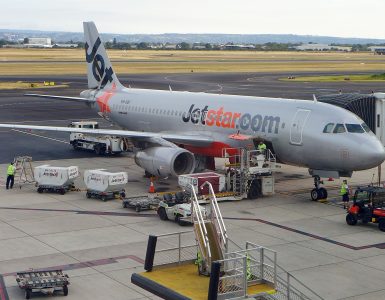
Air New Zealand covers virtually every airport in the country, from main trunk routes to tiny regional strips. Jetstar competes only on the busy routes — Auckland, Wellington, Christchurch, Queenstown and Dunedin — but that competition is exactly where the cheap fares live. Then there are the small regional characters: Sounds Air hopping across Cook Strait, and Air Chathams serving towns the jets skip.
How to Find the Cheap Seats
- Book the “seat-only” fare. Air NZ’s cheapest domestic fares include just a carry-on — perfectly fine for a two-day hop.
- Watch grabaseat. Air NZ’s deals site regularly lists domestic fares from around NZ$39–59 if your dates are flexible.
- Fly midweek. Tuesday and Wednesday departures are consistently cheaper than Friday and Sunday, which are commuter-heavy.
- Dodge school holidays. NZ school holiday weeks send domestic prices vertical — check the term dates before you lock in.
- Compare both carriers on trunk routes. Jetstar often undercuts, but factor in its strict 7 kg carry-on limit before celebrating.
Search and Compare Fares
Getting from the airport to your accommodation is the one leg worth arranging before you arrive — compare fixed-price transfers here:
The Routes That Make Sense to Fly
Auckland → Queenstown is the obvious one — flying saves you an inter-island ferry plus 1,000+ km of driving. Wellington → Christchurch is a 50-minute flight versus a 3.5-hour ferry to Picton plus a 4.5-hour drive. On the flip side, short hops like Christchurch → Dunedin are often better done by car: the drive is scenic, and airport time eats the advantage.
Don’t Sleep on the Ferry Alternative
If the Wellington–Picton crossing is on your route anyway, the Interislander and Bluebridge ferries are an experience in their own right — the Marlborough Sounds section is one of the prettiest stretches of water in the country. Book vehicle spots well ahead in summer.
Luggage Reality Check
Jetstar weighs carry-ons on NZ domestic routes more often than travelers expect, and overweight fees at the gate sting. If you’re carrying camping or ski gear, price Air NZ’s fare with a checked bag against Jetstar’s base fare plus baggage — the gap usually shrinks to a few dollars.
Combine It With the Ground Game
Most travelers fly the long legs and drive the beautiful ones. If that’s your plan, see our guide to motorcycle rental in New Zealand for the South Island’s great riding roads, and check our general tricks for finding cheap domestic flights anywhere.
FAQ
How far ahead should I book? For fixed dates, 4–8 weeks out is the sweet spot on trunk routes; regional monopoly routes barely move, so book whenever.
Are there rail passes instead? The scenic trains (Northern Explorer, Coastal Pacific, TranzAlpine) are gorgeous but slow and not cheap — treat them as sightseeing, not transport.
Why domestic fares in New Zealand behave the way they do
New Zealand’s domestic market is small, geographically awkward and dominated by one carrier. Air New Zealand flies the great majority of routes, including nearly all the regional ones, and on many provincial routes it is the only operator. Jetstar competes on the main trunk — Auckland, Wellington, Christchurch, Queenstown, Dunedin — and that is where competitive pricing exists.
The practical consequence: on trunk routes, fares swing widely and booking well is worth real money. On regional routes into places like Gisborne, Napier, Nelson, Invercargill or Hokitika, there is little competitive pressure and the price is close to what it is going to be. Shopping around a monopoly route is mostly wasted effort; book it when you know your dates and move on.
Timing: when the cheap seats actually appear
The useful booking window for New Zealand domestic flights is roughly six to twelve weeks out. Earlier than that and the cheapest fare buckets often have not been released; later and they are gone. Last-minute domestic fares in New Zealand are punishing, which is the opposite of the pattern some travellers expect.
Air New Zealand runs regular fare sales and its grabaseat platform releases discounted seats on a rolling basis. If your dates are flexible, that is where the genuinely cheap seats live. If your dates are fixed, flexibility on time of day still helps: early morning and late evening departures are consistently cheaper than the mid-morning business slots, particularly on the Auckland–Wellington and Auckland–Christchurch runs.
Avoid, if you can, the school holiday periods and the fortnight either side of Christmas. Domestic demand in New Zealand is heavily domestic — Kiwis moving around their own country — and those weeks price accordingly.
The connection trap at Auckland
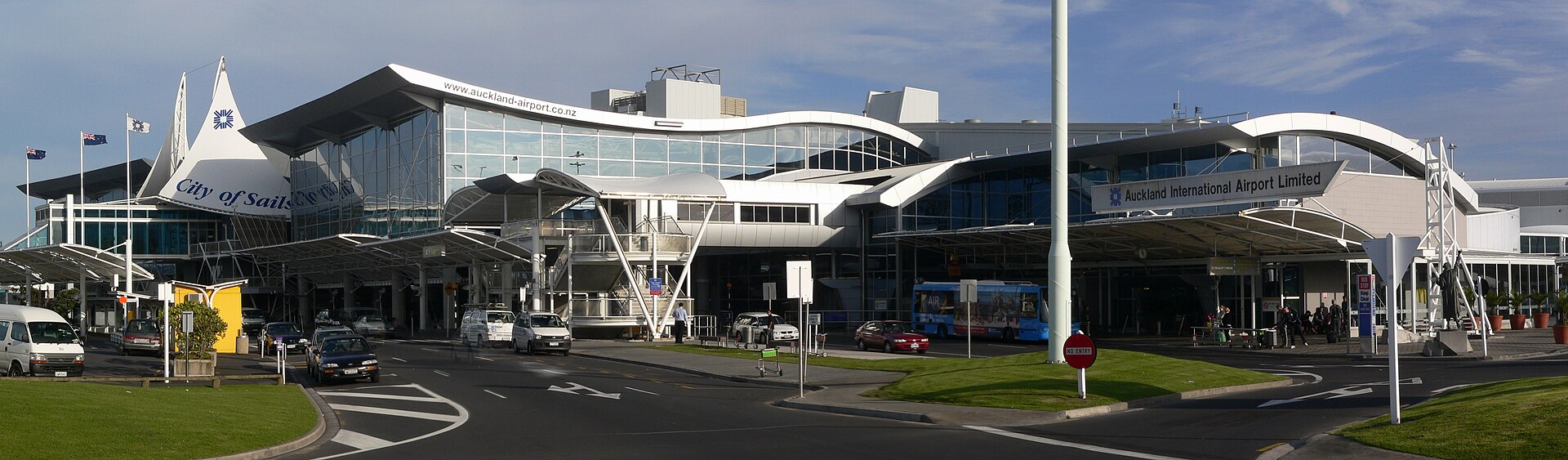
Auckland’s domestic and international terminals are separate buildings connected by a walkway and a shuttle bus. If you have booked an international arrival and a domestic departure as two separate tickets, you are responsible for the transfer, the walk takes around fifteen minutes, and you must collect and re-check your bags and clear biosecurity in between. Ninety minutes is tight. Two hours is comfortable. Anything under an hour on separate tickets is a bet you will eventually lose, and because they are separate tickets, nobody owes you a rebooking.
Jetstar and Air New Zealand also operate some domestic services from the international terminal, so check which building your flight actually leaves from rather than assuming.
Baggage is where the cheap fare stops being cheap
Air New Zealand’s cheapest domestic fare class is carry-on only, and Jetstar’s Starter fare is likewise cabin-bag only. Adding checked luggage at booking is far cheaper than adding it at the airport, and the airport price is deliberately unpleasant.
Two New Zealand-specific points. Cabin bag weight is actively enforced on regional turboprop services, more so than on the jets, because those aircraft genuinely care. And if you are travelling with hiking or camping gear, check the rules on gas canisters and tent pegs before you pack rather than at the security queue.
When flying is the wrong answer
The Cook Strait ferry between Wellington and Picton takes about three and a half hours, and it is one of the better journeys in the country. It also takes vehicles, which is the decisive point: if you have a rental car or campervan, the ferry lets you keep it, while flying means dropping one vehicle and collecting another, usually with a one-way fee attached.
Similarly, several routes that look like obvious flights are better driven. Auckland to Rotorua, Christchurch to Kaikoura, Queenstown to Wanaka — these are short, scenic drives where the airport time alone exceeds the journey. New Zealand’s distances flatter driving; the country is roughly the length of Italy but the roads are quiet.
The routes genuinely worth flying are the long trunk hops — Auckland to Queenstown or Dunedin, Auckland to Christchurch — and anything that would otherwise involve a ferry plus a full day of driving.

Weather, and the Queenstown problem
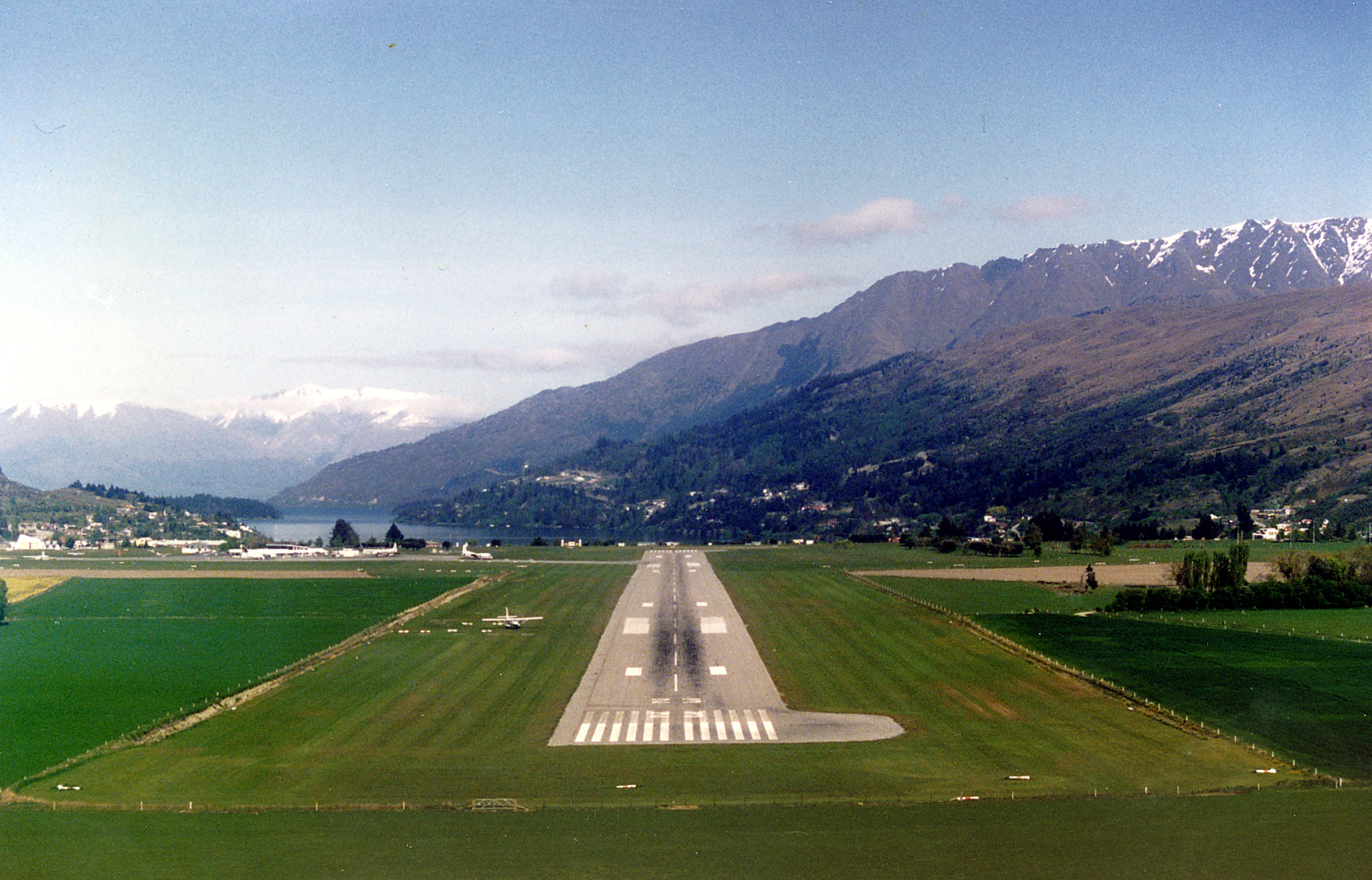
Queenstown is a visual approach airport ringed by mountains, with no full instrument landing capability of the sort large flat-country airports enjoy. In poor weather, flights divert to Invercargill or Christchurch or are cancelled outright, and this happens often enough to plan around.
Two rules follow. Do not book a Queenstown departure on the same day as an international connection out of Auckland — leave a night’s buffer. And if you are flying into Queenstown in winter, have a mental plan for what you do if you land in Christchurch instead.
A short checklist
- Book trunk routes six to twelve weeks out; book regional routes whenever your dates are fixed.
- Check both Air New Zealand and Jetstar on trunk routes; on regional routes there is usually no point.
- Add bags at booking, never at the airport.
- Leave two hours for an Auckland international-to-domestic connection on separate tickets.
- Buffer a night around Queenstown flights.
- If you have a vehicle, price the ferry before you price the flight.




Add comment