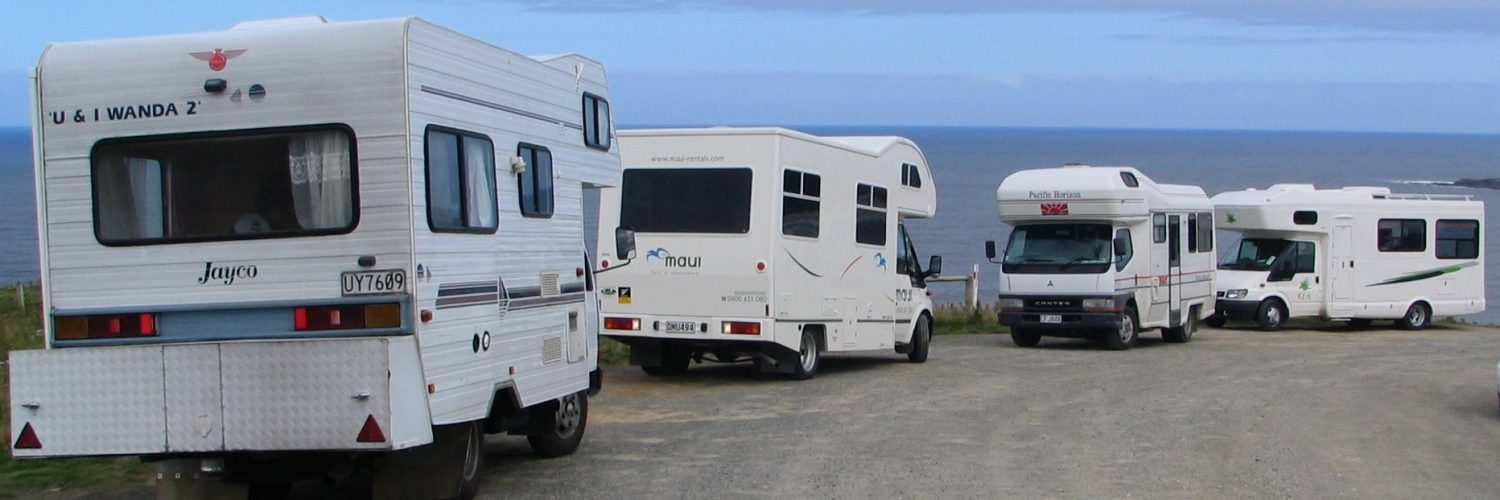
If you are planning a campervan trip around New Zealand and working from a guide written before 2025, there is a good chance it will get you fined. The rules on what counts as a “self-contained” vehicle changed, and the transition period has now ended. Blue warrant cards are no longer valid. Only a green warrant lets you freedom camp.
This matters because freedom camping — parking overnight for free on public land — is the whole economic argument for a campervan. Take it away and you are paying campervan prices for holiday park accommodation. Here is what the rules actually say now, what a van really costs, and how to plan a route that works.
The self-containment rules, as they now stand
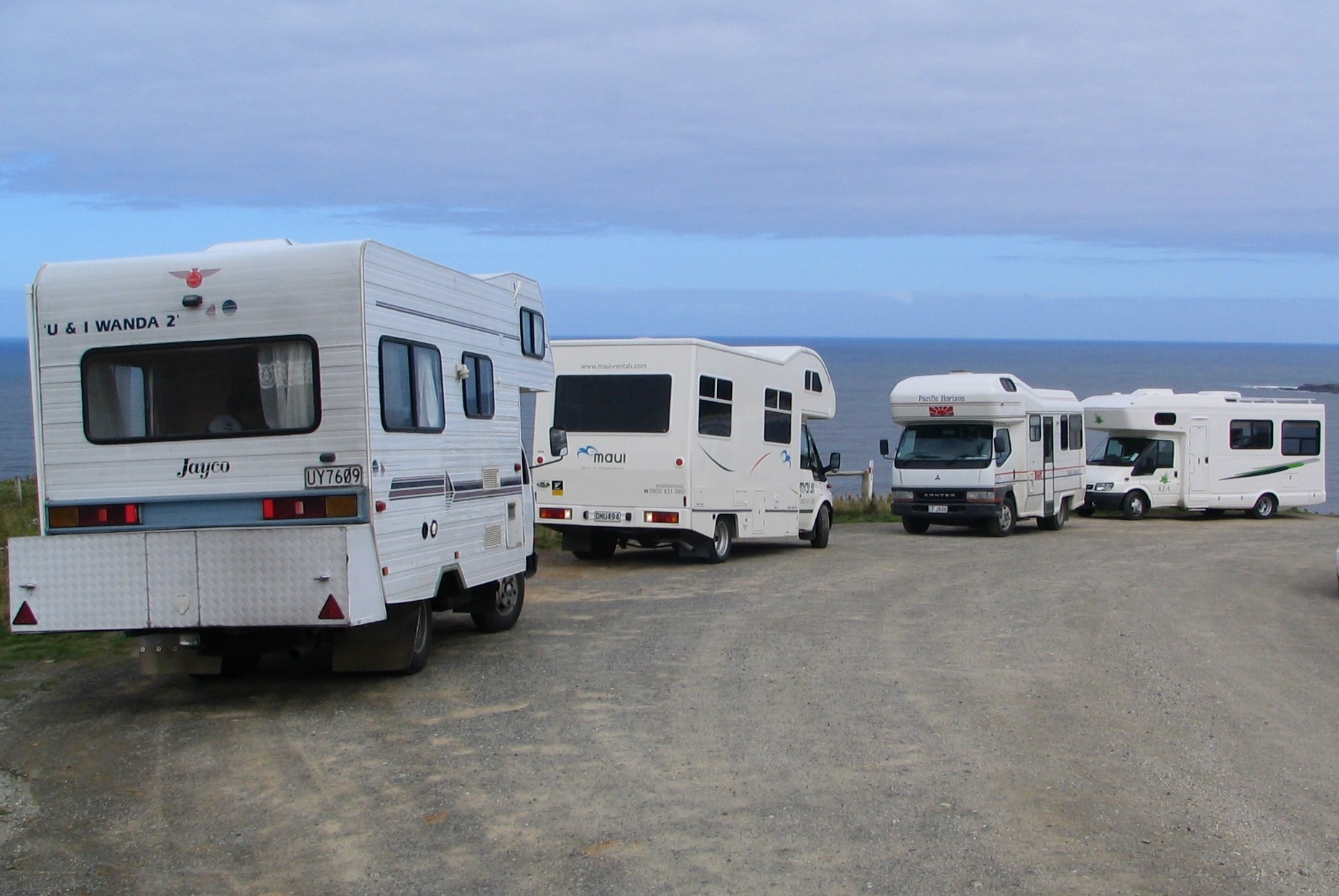
New Zealand’s self-contained vehicle system is run by the Plumbers, Gasfitters and Drainlayers Board, and a vehicle is only recognised as self-contained if it has been certified by an approved authority and displays a valid green warrant card. The older blue warrants have been replaced and are no longer valid. Certification lasts four years.
To earn a green warrant a vehicle must have:
- A fixed toilet, plumbed to a sealed black water tank. This is the big change — portable toilets no longer qualify a vehicle, no matter how good they are.
- A black water tank holding at least three litres per passenger.
- Fresh water storage of at least four litres per person per day for three days.
- A sealed grey water tank of at least 12 litres per traveller.
- A sink with a smell trap connected to the wastewater tank, plus ventilation and rubbish storage.
What this means when you book: the cheapest “campervan” listings — converted vans and station wagons with a mattress in the back — are almost never green-warrant certified, because they have no fixed toilet. They are perfectly legal to drive and sleep in at a paid campsite. They are not legal to freedom camp in. If a listing does not explicitly say green warrant or certified self-contained, assume it is not, and ask before you pay.
What it actually costs
Rental prices swing more wildly by season in New Zealand than almost anywhere else, because the summer peak is short and demand is enormous.
- Low season (roughly May to September) — small certified two-berth vans can start around NZ$35–70 per night. This is the bargain window, and the trade-off is short days and cold nights on the South Island.
- Shoulder (October–November, March–April) — expect roughly NZ$80–150 per night for a decent two- or four-berth. This is the sweet spot for most travellers.
- Peak (late December to late February) — NZ$200 per night for a budget camper is normal, and large motorhomes run past NZ$500. Vehicles genuinely sell out; booking three to six months ahead is not paranoia.
Then add the costs that do not appear in the headline rate: fuel (New Zealand is expensive and the distances are longer than the map suggests), one-way drop-off fees between Auckland and Christchurch, the Cook Strait ferry if you are taking the van between islands, insurance excess reduction, and campsite fees on the nights you are not freedom camping.
A realistic all-in budget for two people in shoulder season, including fuel and a mix of free and paid sites, lands somewhere around NZ$180–250 per day.
Where you can actually sleep
Freedom camping is free but restricted. It is controlled by individual district councils, not centrally, so the rules change as you cross council boundaries. Most councils permit it only in certified self-contained vehicles and only in designated areas. Some ban it entirely in popular districts. Fines are issued on the spot and are not trivial. Check the council’s own map for wherever you are that night — the rules genuinely do differ 20 kilometres down the road.
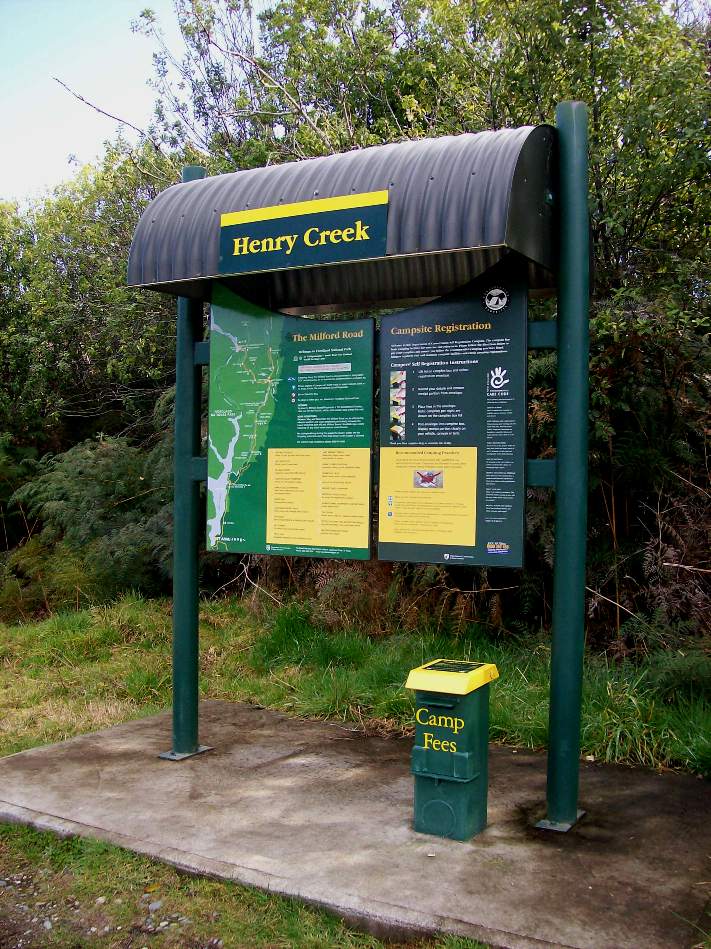
DOC campsites — run by the Department of Conservation, generally NZ$15–25 per person per night for a basic site, occasionally free at the most rudimentary ones. They are frequently in far better locations than commercial parks: beaches, lake shores, valley heads. Facilities are minimal — often a long-drop toilet and a tap, rarely a shower, almost never power.
Holiday parks — commercial, NZ$45–70 per night for a powered site for two. Hot showers, kitchens, laundry, wifi, dump stations. After four nights of freedom camping you will want one, and that is the rhythm most people settle into.
Driving: what the map does not tell you
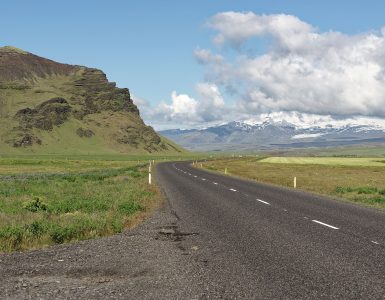
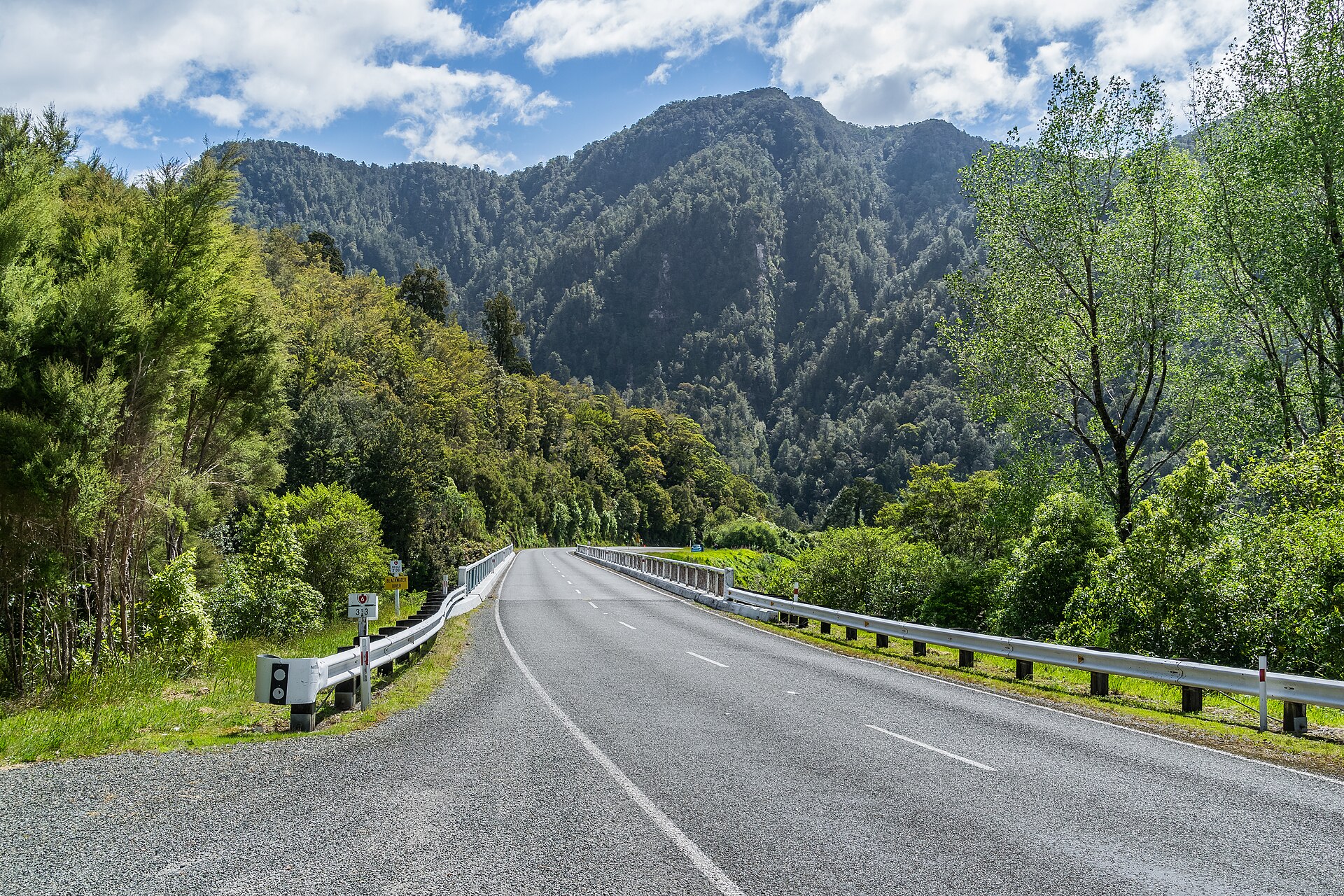
New Zealand’s roads are the most consistently underestimated part of the trip. The country is roughly the length of Italy, but the roads are two-lane, winding, and frequently follow coastlines and river valleys rather than going anywhere directly. A journey Google says takes three hours will take you four and a half in a campervan, because you will be slower on the corners and you will stop.
Specific things to know:
- Drive on the left. The most common tourist crash is a right-hand-drive error pulling out of a rural car park.
- One-lane bridges are everywhere, particularly on the South Island’s West Coast. A red arrow means the oncoming traffic has priority.
- Fuel stops are sparse on the West Coast, in Fiordland and through the central North Island. Fill up when you are at half a tank, not a quarter.
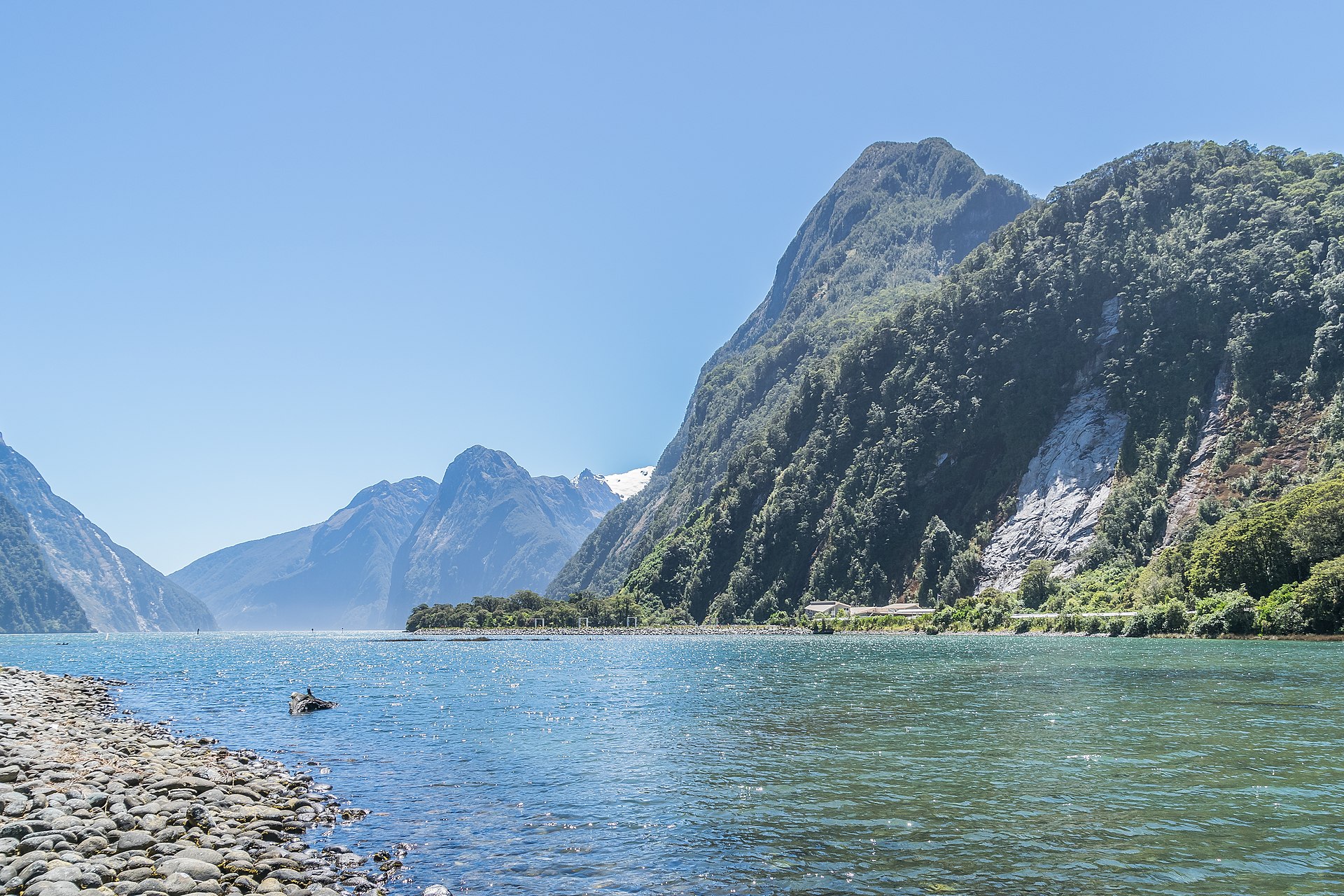
- Milford Sound has one road in and out, it is 120 km each way from Te Anau, and it closes for avalanche risk in winter. Do not plan it as a casual detour.
- Mountain passes — Arthur’s Pass, the Crown Range, the Haast — are fine in a campervan in summer and can require chains in winter.
A route that works: two weeks, South Island
If you have a fortnight and one island to choose, take the South. The scenery is denser and the driving distances between highlights are shorter.
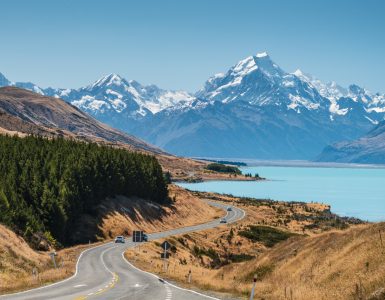
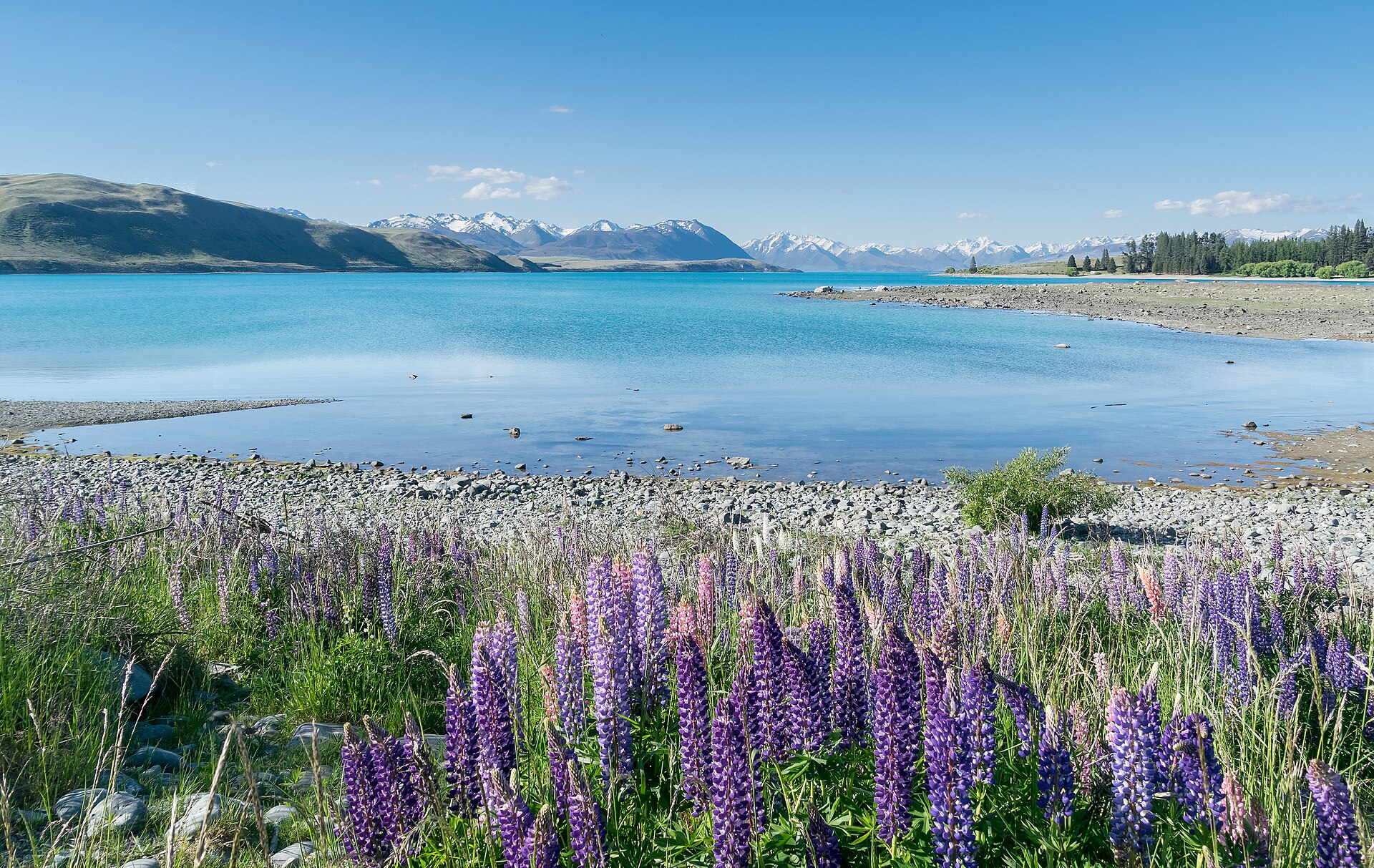
Days 1–2: Christchurch to Lake Tekapo and Aoraki/Mount Cook. Turquoise lakes, the Southern Alps, and some of the darkest night skies in the world at the Mackenzie Basin dark sky reserve.
Days 3–5: Down to Wanaka and Queenstown. Wanaka is calmer and better for a campervan; Queenstown is the adventure hub and the parking is a nightmare.
Days 6–7: Te Anau and Milford Sound. Stay in Te Anau, drive in early, come back the same day.
Days 8–9: The Catlins and Dunedin. Wild coastline, penguins, sea lions, almost no crowds.
Days 10–12: North up the West Coast via Haast to the Franz Josef and Fox glaciers, then Hokitika and the Punakaiki pancake rocks.
Days 13–14: Arthur’s Pass back across the Alps to Christchurch.
Getting there, and the nights you are not in the van
Most itineraries start in Auckland or Christchurch, and internal flights between the two are cheap and frequent — worth considering if you want to fly one way and avoid a long one-way van fee. On the day you land, though, you will not have the van yet, so book a transfer from the airport to your first night’s accommodation rather than collecting a large vehicle jet-lagged.
Almost everyone books a hotel for the first night and the last. You will land jet-lagged, and collecting a large unfamiliar vehicle on the same day you get off a long-haul flight is a bad idea. Pick up the van on your second morning instead.
When to go
December to February is summer: long days, everything open, every campsite full, and peak prices. March and April are the best value in the country — settled weather, autumn colour in Central Otago, half the traffic. October and November are unpredictable but cheap and green. June to August on the South Island means snow on the passes, short days and closed alpine roads, but very low rental rates and empty holiday parks; it works if you stay low and expect winter.
Practical notes
- Check the warrant before you drive away. Physically look at the green card in the vehicle and check the expiry date. It is your fine, not the rental company’s.
- Dump stations. Emptying tanks anywhere other than a dump station is a serious offence. They are marked on the standard camping apps and at most holiday parks and i-SITE centres.
- Book the Cook Strait ferry early if you are crossing between islands with a vehicle. Campervan spaces sell out in summer, and it is a three-and-a-half hour crossing.
- Sandflies. On the West Coast and in Fiordland they are relentless. Repellent is not optional.
- Biosecurity. Declare all food, hiking boots and camping gear on arrival. New Zealand takes this extremely seriously and the on-the-spot fine is substantial.