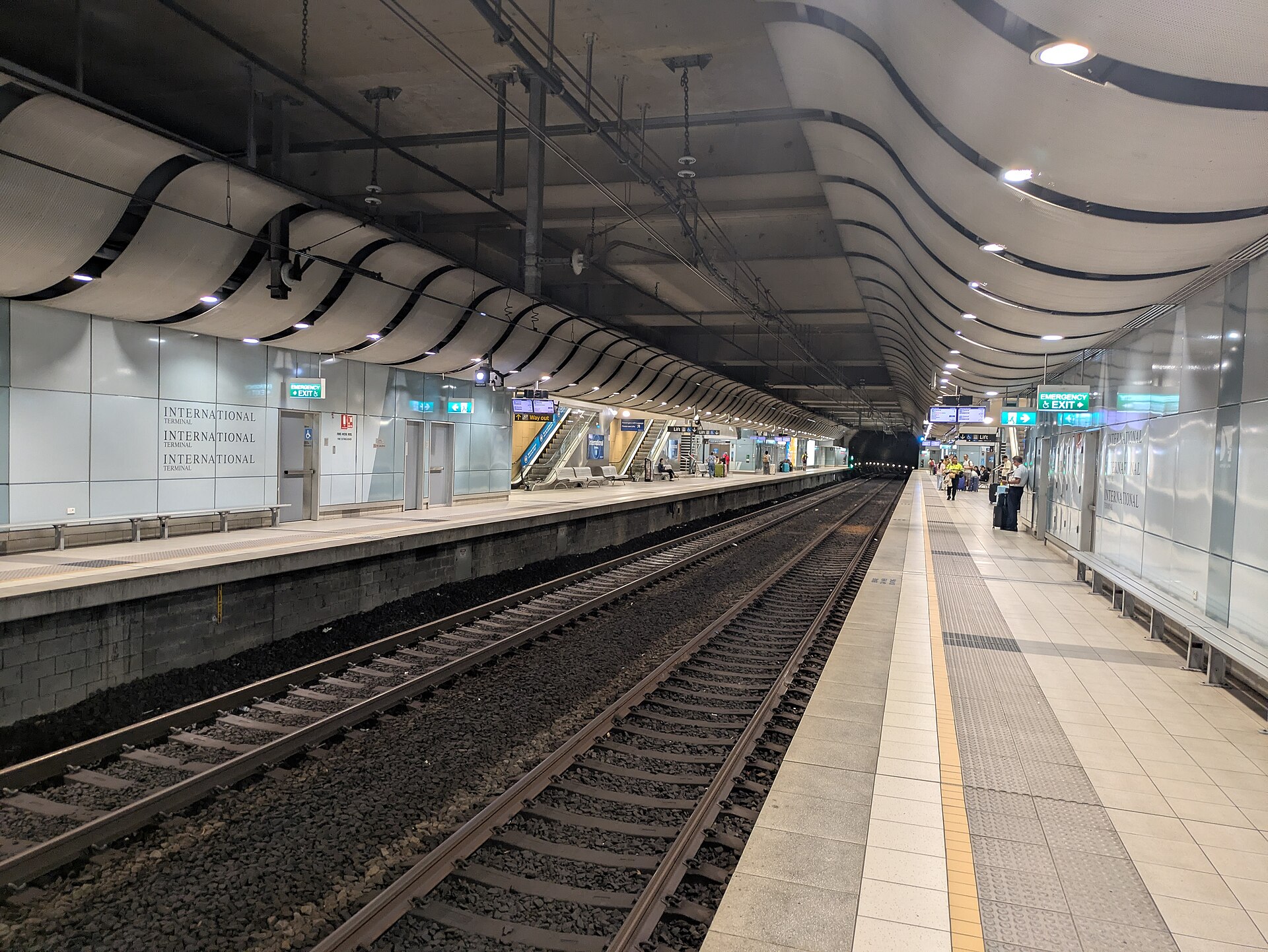
The train from Sydney Airport to Central takes 13 minutes and costs about A$22. The same journey by bus and train, with one change, takes around 40 minutes and costs about A$5. The difference is not distance and it is not comfort. It is a single line item called the Station Access Fee, and understanding it is the whole of this article.
Sydney’s two airport railway stations were built under a private financing deal in the late 1990s, and the operator recovers its money through a per-passenger charge levied on top of the normal Opal fare. As of 2026 that charge sits somewhere around A$17–19 per adult depending on which fare table you are reading and whether you are travelling on a weekday, and it applies every single time you tap on or off at International or Domestic. It does not count towards the Opal daily cap, and it does not care that your actual journey is four stops long.
The four ways into the city, honestly compared
1. The T8 Airport Line train — fastest, and you pay for it
Trains run roughly every ten minutes from about 04:30 to just after midnight, from stations directly beneath both the International terminal (T1) and the Domestic terminals (T2/T3). Journey time is around 13 minutes to Central and about 15 to Circular Quay with a change. Total cost to the CBD is in the region of A$22–23 for an adult with an Opal card or contactless bank card.
Worth it if: you are alone or a couple, you have manageable luggage, and you value the 13 minutes.
2. Train plus bus via Mascot — the local’s move
Mascot is the next suburban station up the line and it is a normal station with a normal fare. Route 420 connects Mascot station to both the Domestic and International terminals; route 350 serves Domestic only. Tap on with the same card, ride ten to fifteen minutes, then take the train from Mascot into the city — and because Opal applies a transfer discount when you change modes within an hour, the combined trip typically lands around A$4–6 rather than A$22.
The cost is about 25 extra minutes and one change with your bags. For a family of four that is roughly A$70 saved in each direction, which is a nice dinner.
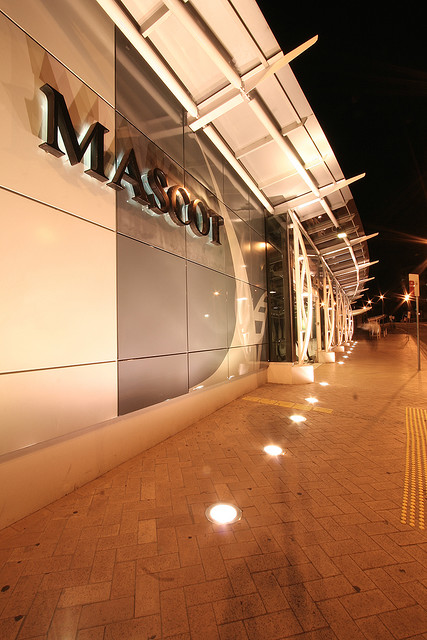
Some people walk it instead — Mascot to the Domestic terminal is around 15–20 minutes on foot. That is fine with a backpack and miserable with a suitcase in February.
3. Taxi — now a fixed price to the CBD
Since a trial that began on 3 November 2025, uninterrupted taxi trips from the Sydney Airport ranks to the Sydney CBD are charged at a flat A$60 for a standard or wheelchair-accessible taxi and A$80 for a maxi taxi, rather than on the meter. That removed the old uncertainty — the metered fare used to land anywhere between A$45 and A$65 depending on traffic, tolls and time of day, and the range was wider than most visitors expected.
For four adults splitting the fare, A$60 is A$15 each, which is comfortably less than four train tickets. Taxis are still the right answer more often than people assume, and a maxi taxi is genuinely the cheapest way to move five or six people with luggage.
4. Rideshare and pre-booked transfers
Uber, DiDi and Ola all operate, with designated pickup zones — priority parking at T1 and the ground level at T2/T3 — and an airport pickup surcharge built into the quoted price. Fares to the CBD typically run A$45–70 and surge hard on Friday evenings, at the end of school holidays and whenever several long-haul arrivals land together.
A pre-booked private transfer removes the surge risk and the rank queue entirely: fixed price agreed when you book, driver meeting you in arrivals, and a vehicle sized for your actual luggage rather than whatever turns up.
Which one should you actually take?
- Solo traveller, hand luggage, daytime: train. The 13 minutes is worth A$22 once.
- Solo or couple, budget trip, not in a hurry: 420 bus to Mascot, then train. Saves around A$35 for a couple.
- Family of four: taxi at the A$60 flat fare, or the bus-and-train combination if you are counting every dollar. The direct train is the worst value of the three.
- Five or more people, or lots of bags: maxi taxi or a pre-booked van.
- Arriving after midnight: the trains have stopped. Taxi, rideshare or pre-booked transfer, and the pre-booked option is the one that is definitely there.
- Staying in the eastern suburbs or Bondi: route 400 runs between Bondi Junction and Burwood via the airport and skips the CBD entirely.
Paying: Opal, contactless, and the caps that do and do not apply
You do not need to buy an Opal card. Any contactless Visa, Mastercard or Amex, or a phone or watch wallet, works on trains, buses, ferries and light rail — tap the same card on and off every time and the system fares you correctly.
Opal daily caps exist and are useful once you are in the city: roughly A$19–19.50 on Monday to Thursday and about half that on Fridays, weekends and public holidays. The catch is that the Station Access Fee sits outside the cap. Hitting your daily cap does not make the airport station free, which is a surprise a lot of people get on the way home.
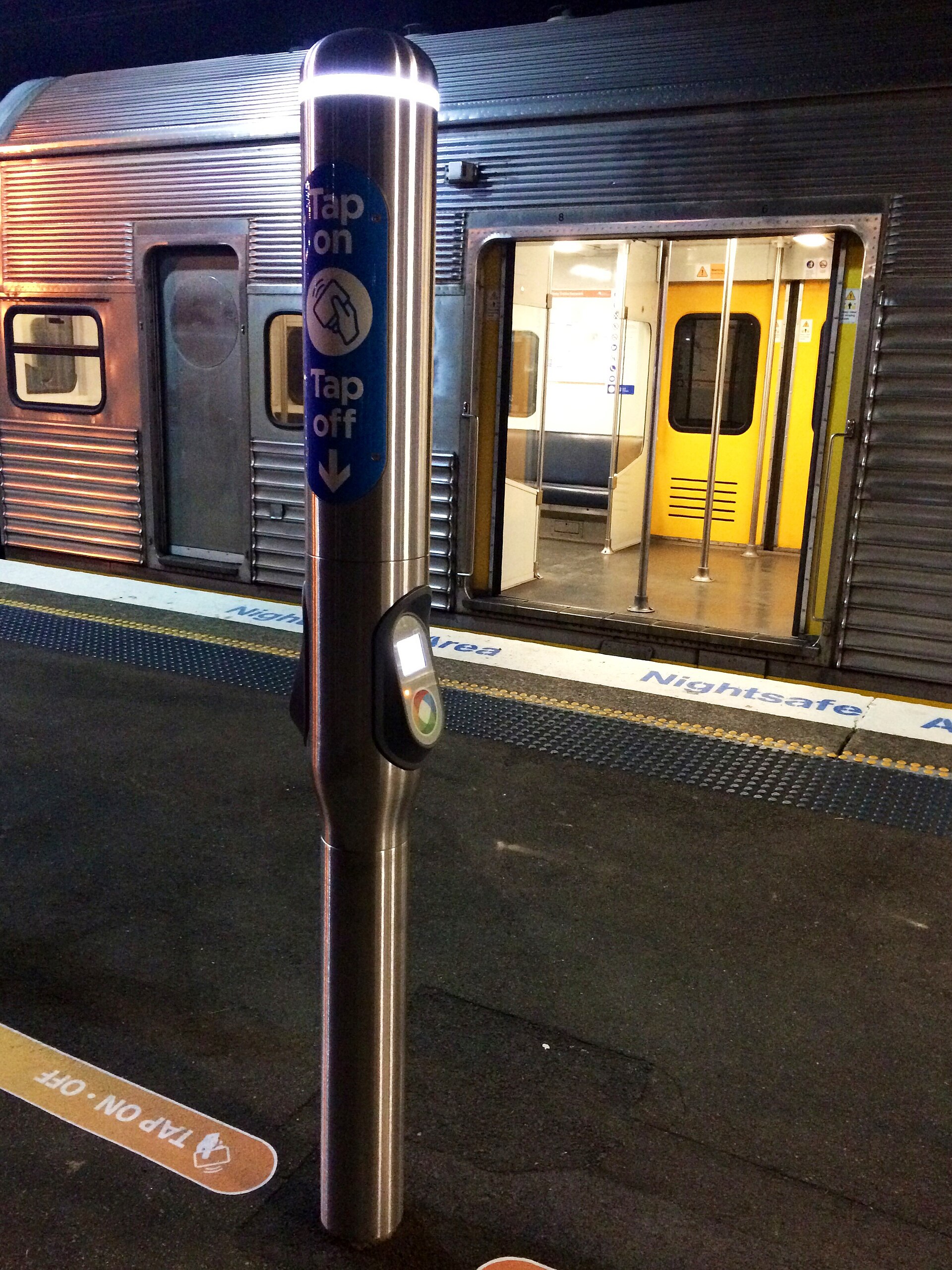
Two rules that catch visitors out: you must tap off as well as on, including on buses, and a single card cannot be used for two people. If you are travelling as a couple, each person needs their own card or device.
Terminals, and the one transfer that costs money
Sydney Airport has three terminals in two separate precincts. T1 (International) is on the north-western side of the field; T2 and T3 (Domestic) are on the eastern side, about four kilometres away by road. They are not walkable.
The T-Bus shuttle runs between them, and the train also connects them — but taking the train between International and Domestic means paying the access fee again. If you are connecting from an international arrival to a domestic flight, allow at least 90 minutes between them, more if you are re-checking bags, and check whether your airline offers a free inter-terminal transfer for through-ticketed passengers.
Where you are going matters as much as how
The CBD, Circular Quay and Darling Harbour are all straightforward by train. Bondi and the eastern beaches are better by the 400 bus or a taxi. The inner west — Newtown, Marrickville, Glebe — is a train to Central and then a light rail or short second train. The northern beaches are a long, expensive taxi and worth planning around.
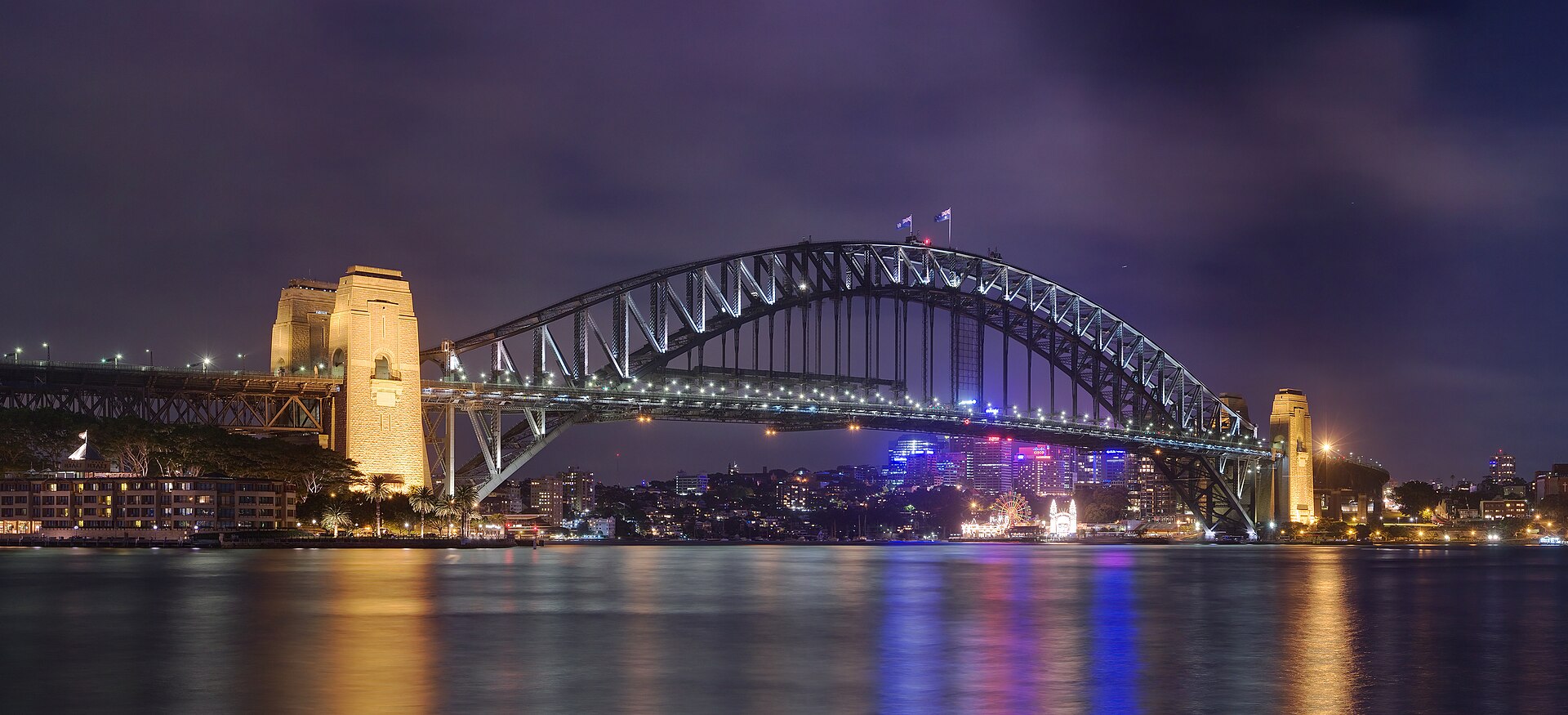
If you have not fixed your accommodation yet, the transport cost from the airport should be part of that decision — our where to stay in Sydney guide covers which neighbourhoods are actually convenient rather than just well reviewed.
התיקון: לעטוף כל ווידג’ט 4038 בשני div — חיצוני נגלל אופקית, פנימי עם min-width 620px: