For the rest of 2026, Melbourne is the cheapest major city in Australia to move around in — and it has nothing to do with hotels. On 1 June 2026 the Victorian government cut every train, tram and bus fare in the state to half price until 1 January 2027. The full-fare daily cap dropped from A$11.40 to A$5.70. Stack the CBD Free Tram Zone on top of that and a visitor who sleeps inside the grid can genuinely spend nothing at all on transport for days at a time.
That matters more in Melbourne than it would almost anywhere else, because Melbourne is a city you consume by moving through it. There is no single monument you fly in for. What you are paying for is access to laneways, markets, beaches, galleries and suburbs that are each a tram ride apart. This guide works through that in order: why the city is shaped the way it is, how to get in from the airport, what is worth booking ahead and what it actually costs, what is free and no worse, where to base yourself, and a three to four day route that does not double back on itself.
Why Melbourne looks the way it does
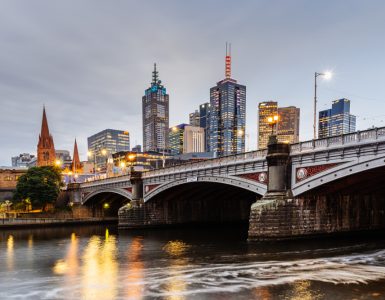
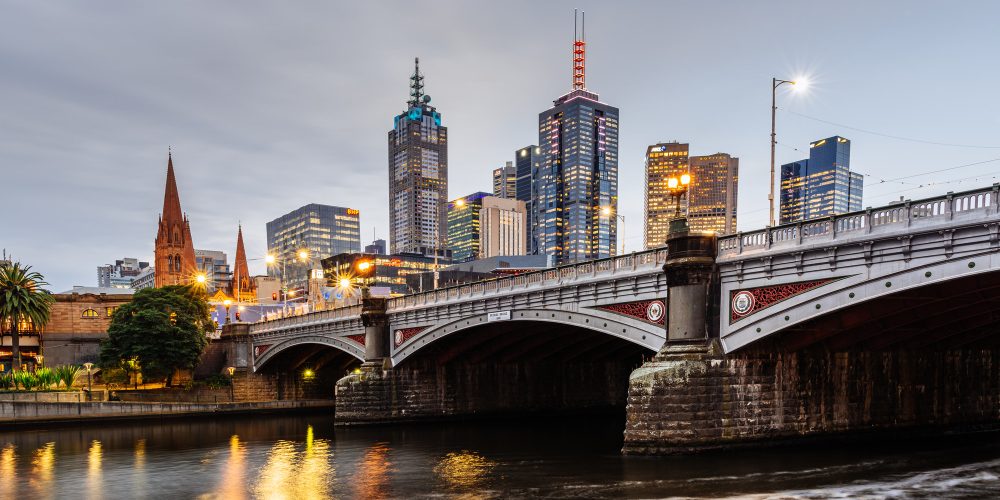
Melbourne was a small pastoral settlement until gold was found in Victoria in 1851. Within a decade the colony was producing a substantial share of the world’s gold and Melbourne had become, briefly, one of the richest cities on earth. That money went into stone: the wide boulevards, the Victorian-era banks and arcades, the Royal Exhibition Building, the enormous public gardens. Almost every grand façade you walk past in the centre was paid for by a rush that had ended before 1900.
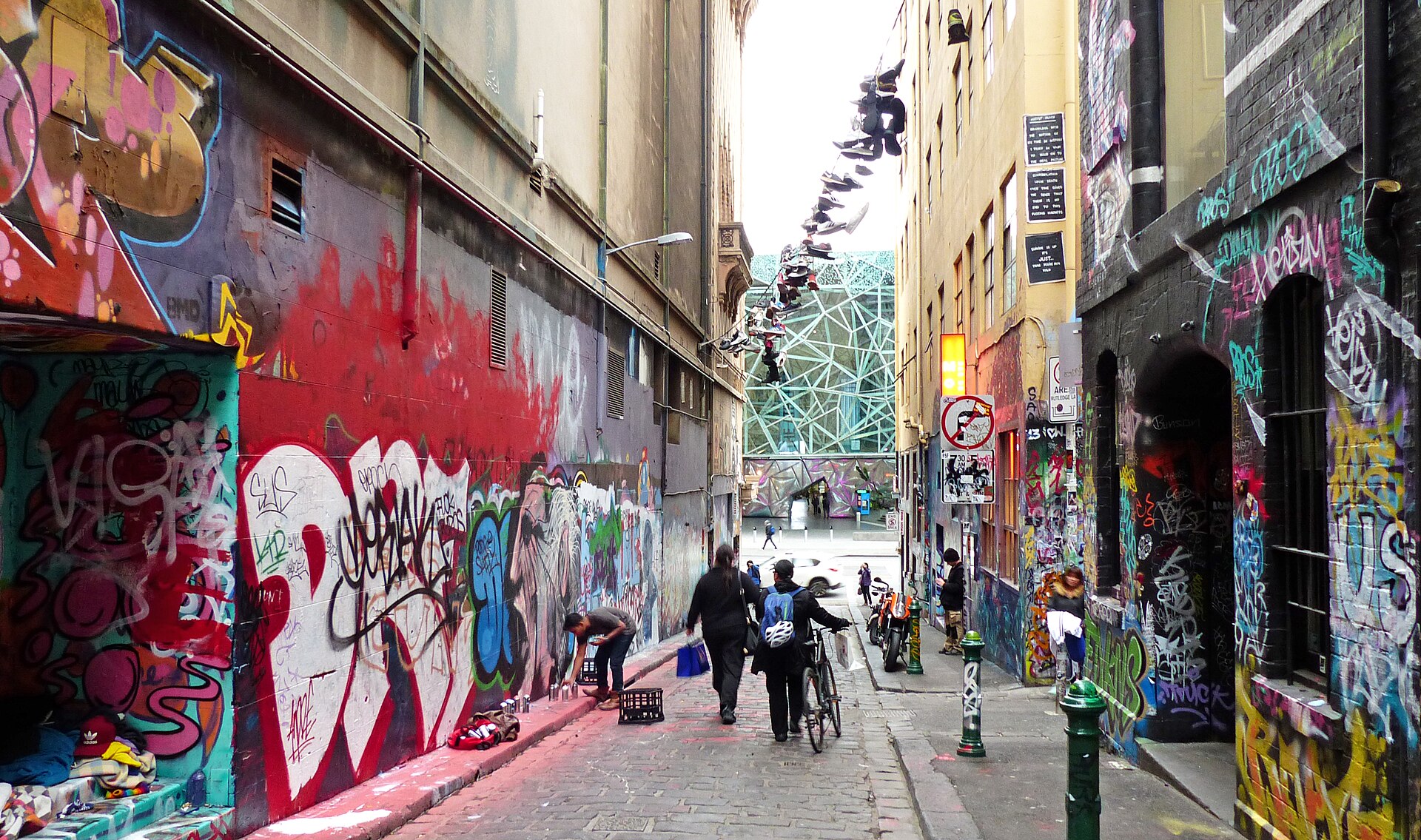
The street plan is the other half of the explanation. Robert Hoddle’s 1837 grid laid out very wide main streets with narrow service lanes running between them — the “little” streets. For a century those lanes were where deliveries and rubbish went. Then, in 1988, Victoria changed its liquor licensing rules so that a venue no longer had to serve meals in order to serve alcohol. Small operators could suddenly open a bar in a space the size of a corridor, and the cheapest corridors in the city were the service lanes. That single regulatory change is why Melbourne’s drinking and coffee culture is physically hidden in alleys rather than fronting the main roads, and why finding the good places requires either a map or a willingness to push open unmarked doors.
The most recent change to the city’s shape is only months old. The Metro Tunnel opened on 30 November 2025 with five new underground stations — Arden, Parkville, State Library, Town Hall and Anzac — the first new city stations built in Melbourne in over forty years, and it reached full timetabled operation in February 2026. It joins the Sunbury line in the north-west to the Cranbourne and Pakenham lines in the south-east in one continuous run beneath the city, taking those services out of the old City Loop. If you are working from a guidebook written before late 2025, its train advice is out of date: Town Hall station now puts you directly under Swanston Street at the Flinders Street end, and State Library station sits 42 metres below Swanston Street with platforms among the widest of any underground metro in the world, a short walk from Queen Victoria Market and RMIT.
Getting in from the airport
Melbourne Airport (MEL, Tullamarine) is about 23 km north-west of the centre and, unusually for a city of five million, it still has no rail link. Everything below is a road option.
- SkyBus Melbourne City Express — A$25.90 one way, A$43.40 return, departures roughly every 10 minutes between 4am and 1am, terminating at Southern Cross Station. Note carefully that SkyBus is excluded from the state half-price fare scheme, so it does not get cheaper in 2026.
- Taxi or rideshare — typically A$60–A$75 to the CBD depending on traffic and time of day, plus tolls. For two or more people travelling together this is often cheaper per head than SkyBus.
- Public bus plus train — the cheapest option and the slowest, using a bus to a suburban station and then a train in. With the half-price fares it comes in under the A$5.70 daily cap, which makes it the only genuinely budget route, but allow 90 minutes door to door.
- Pre-booked private transfer — fixed price agreed in advance, driver waiting in arrivals. Worth it on a late arrival, or with luggage and children.
We have a full breakdown of the trade-offs, including where the SkyBus actually drops you and why Southern Cross is not always convenient, in our Melbourne airport transfer guide.
What is worth booking ahead, and what it costs
Melbourne has very few attractions that sell out, which is a genuine advantage over Sydney. The handful that do are the ones with fixed-capacity timed entry; the rest you can decide on the morning of. Current adult prices:
- Melbourne Skydeck (the observation level of Eureka Tower, 285 m) — roughly A$33–A$43 online for general admission depending on day and time slot, with walk-up prices higher. The Edge, a glass cube that slides out over the side of the building, is an add-on. There is also a seasonal 20% discount on general admission for visits between 1 June and 30 September 2026. Book a slot within an hour of sunset and you get daylight and city lights on one ticket.
- Melbourne Museum — A$18 adult, free for under-16s, free for concession holders. The Bunjilaka Aboriginal Cultural Centre inside it is the single most worthwhile hour in the building.
- National Gallery of Victoria — general collection entry is free. Only the big touring exhibitions are ticketed, and those genuinely do sell out.
- Melbourne Zoo — in Royal Park, a few stops from the centre by tram, and Australia’s oldest zoo.
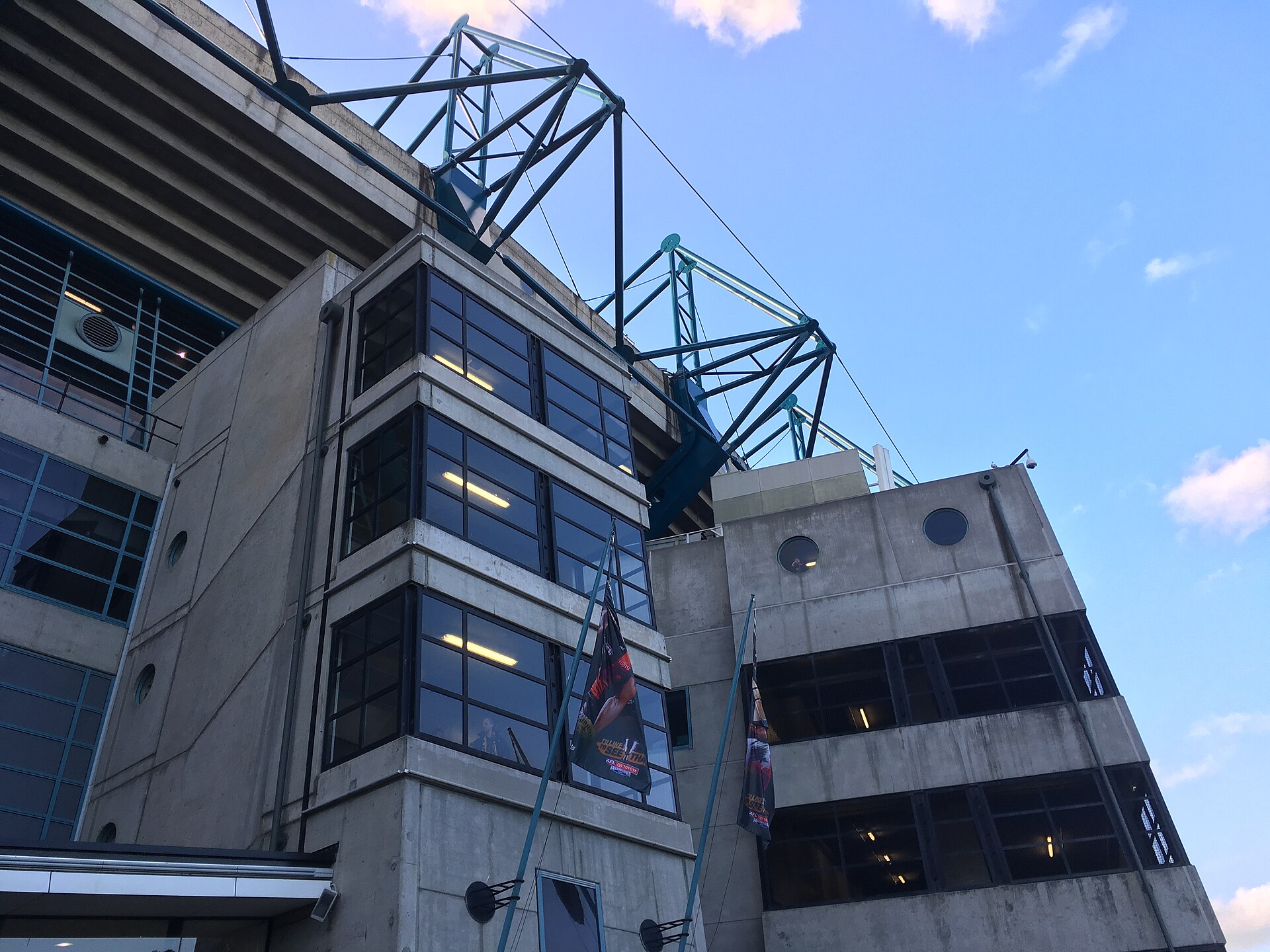
- MCG tour — a stadium tour with access to the players’ areas on non-event days. Only worth it if sport means something to you; otherwise the ground from outside is enough.
- Great Ocean Road and Phillip Island day tours — these do sell out in summer and over public holidays, and are the one category where booking a week ahead is a real advantage.
Being honest about what is skippable: the Old Melbourne Gaol is thin for the price, the tourist tramcar-restaurant experiences cost several times what an equivalent meal costs in Fitzroy, and any attraction that markets itself purely on a view is competing with a free lookout somewhere in this city. If you only buy one ticket, make it the Skydeck at dusk.
What is free, and no worse
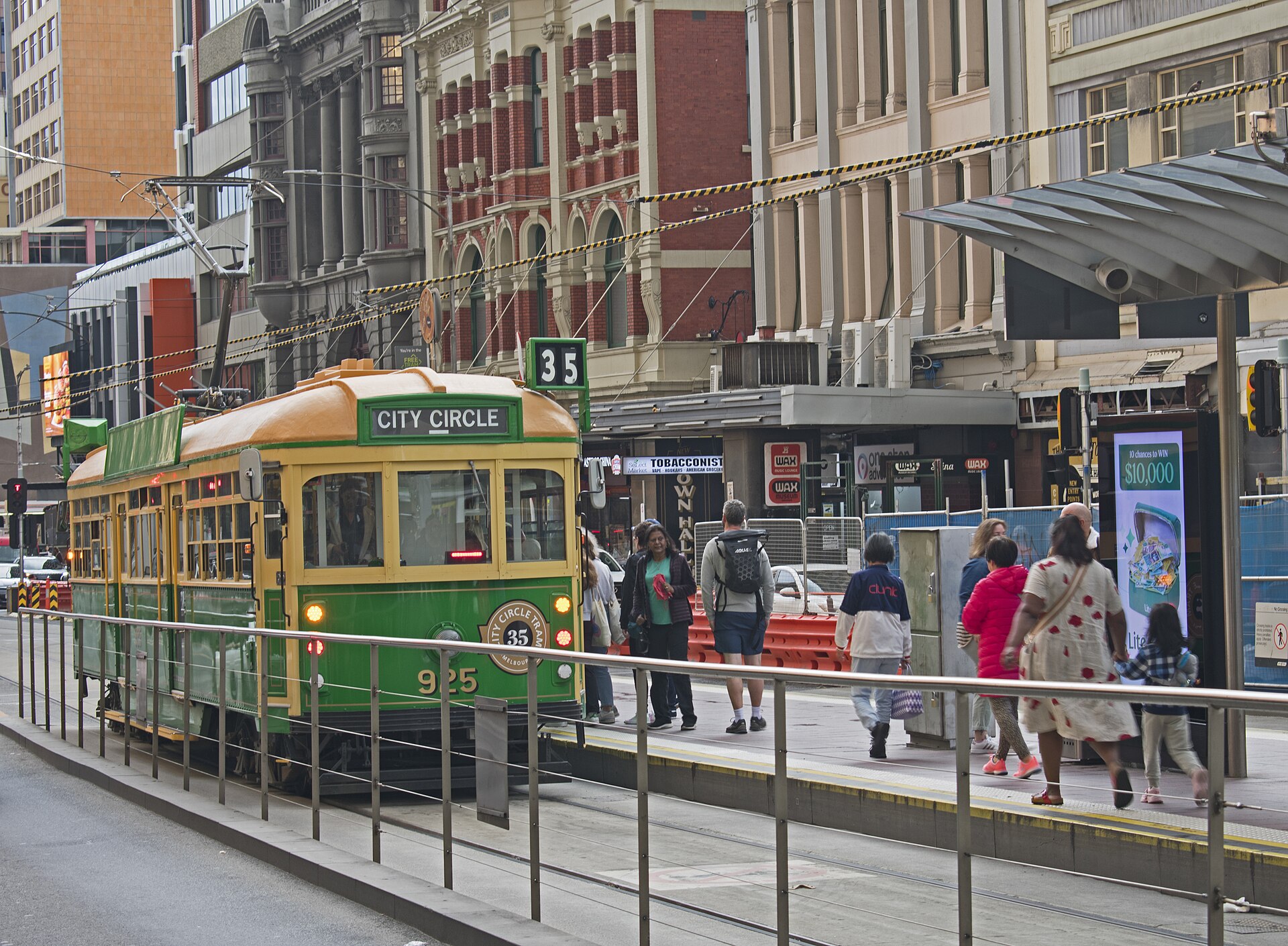
The Free Tram Zone is the headline. Inside a clearly marked boundary covering the CBD core, Docklands and Queen Victoria Market, every tram is free — routes 1, 3, 5, 6, 11, 12, 16, 19, 30, 35, 48, 57, 58, 64, 67, 70, 72, 75, 78, 86, 96 and 109 all run through it. There is one trap that catches visitors constantly: do not touch your Myki on for a trip entirely inside the zone. Tapping tells the system you intend to travel beyond it and charges you a fare you did not need to pay.
- National Gallery of Victoria, both sites — the permanent collection is free, and the stained-glass ceiling of the Great Hall at NGV International is worth the walk on its own.
- State Library Victoria — the La Trobe Reading Room dome, free, open to anyone, and one of the most photographed interiors in the country.
- Royal Botanic Gardens — 38 hectares beside the Yarra, with the Tan track around the perimeter.
- Hosier Lane and AC/DC Lane — the street art repaints itself every few weeks, so it is never quite the same visit twice.
- Queen Victoria Market — free to walk, and the deli hall is a genuine lunch option rather than a tourist set piece.
- St Kilda breakwater at dusk — a colony of little penguins comes ashore most evenings. No ticket, no tour required. Bring no torch and no flash.
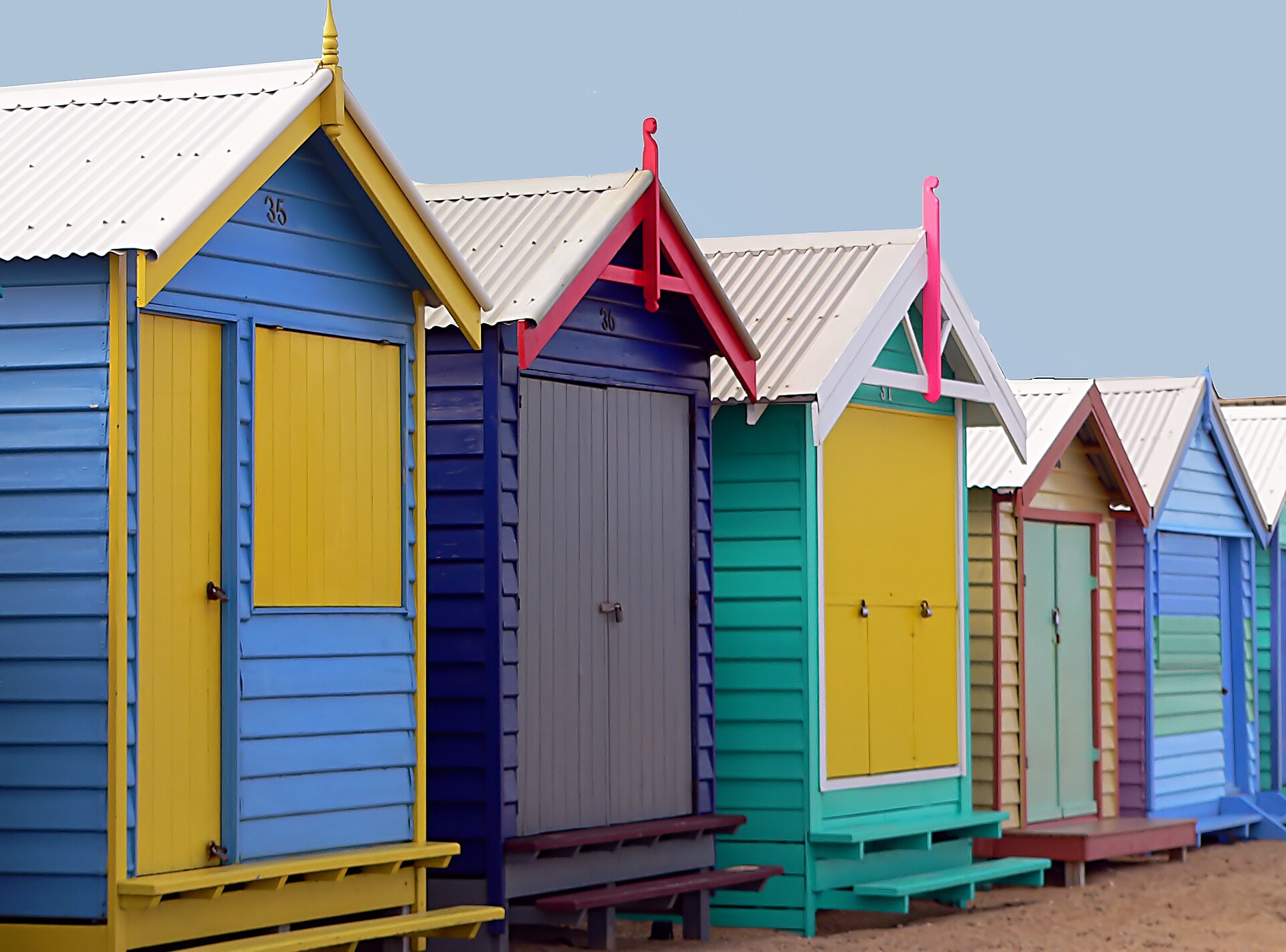
- Brighton bathing boxes — 82 painted huts on Dendy Street Beach, reachable on a suburban train plus a short walk, and half price like everything else this year.
Neighbourhoods, and what each one is for
- CBD (the Hoddle Grid) — arcades, laneway bars, the free tram zone, and everything within walking distance. Best base for a short first visit.
- Fitzroy and Collingwood — Brunswick and Smith Streets. Bars, record shops, vintage, and the densest concentration of good cheap food in the city.
- Carlton — Lygon Street’s Italian strip, the Royal Exhibition Building and Melbourne Museum, plus a large student population.
- South Yarra and Prahran — Chapel Street, Prahran Market, and the most conventional “nice” shopping in Melbourne.
- St Kilda — the beach suburb. Loud on weekends, cheap accommodation, penguins, and Acland Street’s cake shops.
- Footscray and Sunshine — Vietnamese and East African food at prices the inner north stopped offering a decade ago. Twelve minutes by train from the centre.
- Brunswick — Sydney Road, Middle Eastern bakeries, live music, and rents low enough that new venues still open there.
- Richmond — Victoria Street’s Vietnamese strip, Bridge Road, and walking distance to the MCG on match days.
A three to four day route that does not double back
- Day 1 — the grid. Start at Degraves Street for coffee, walk the arcades (Block, Royal, Cathedral), then Hosier Lane and Federation Square. Afternoon at NGV International, free. Sunset slot at Melbourne Skydeck. Dinner in a laneway bar in the Little streets.
- Day 2 — north. Queen Victoria Market in the morning, when the deli hall is actually working rather than performing. Tram to Carlton for the Royal Exhibition Building and Melbourne Museum. Late afternoon in Fitzroy on foot, Gertrude Street through to Brunswick Street. Dinner in Collingwood.
- Day 3 — water. Train or tram south to Brighton for the bathing boxes in morning light, then along the bay to St Kilda. Botanic Gardens and the Tan in the afternoon if you have energy left. Back to the St Kilda breakwater before dark for the penguins.
- Day 4 — out of town. One day trip: Great Ocean Road if you want coastline and are willing to spend twelve hours on it, the Mornington Peninsula if you want hot springs and wine with less driving, or Phillip Island for the penguin parade. Alternatively skip all three, rent a car, and do the Yarra Valley at your own pace.
Eating, and what Melbourne is actually good at
Coffee first, because it is not a cliché here. Melbourne’s espresso culture came out of postwar Italian and Greek migration and then professionalised itself to an unusual degree; a flat white in an ordinary suburban café is reliably better than a careful one in most other countries. Expect to pay A$5–A$6.
Beyond that the city’s real strength is migrant food at low prices, which is spread across the suburbs rather than concentrated downtown. Vietnamese on Victoria Street in Richmond and in Footscray, Greek in Oakleigh, Italian on Lygon Street in Carlton, Chinese and Malaysian in the CBD’s Chinatown, Ethiopian and Sudanese in Footscray, Lebanese and Turkish along Sydney Road in Brunswick. A halal snack pack from a Brunswick kebab shop is a Melbourne institution and costs less than a sandwich in the CBD.
Two practical notes. Many of the best small restaurants are BYO, meaning you bring your own wine for a small corkage fee — it can halve the bill. And Melbourne closes earlier than Sydney for food: kitchens in the inner north commonly stop at 9pm on weeknights.

Getting around the city
You need a Myki card, which costs A$6 for the plastic card itself and is then topped up with credit. Contactless bank cards are being rolled out across the network but coverage is still uneven, so a Myki remains the safe option for a visitor. With the half-price scheme running to 1 January 2027, a full-fare two-hour trip and the A$5.70 daily cap are both half what they were in May 2026, and the discount applies automatically when you tap on — there is nothing to register and no code to enter.
Trams are the default for the inner city and are slow but relentless. Trains are faster and now run through the Metro Tunnel rather than the City Loop on the Sunbury, Cranbourne and Pakenham lines. Buses fill the gaps in the outer suburbs and are rarely needed by visitors. On Friday and Saturday nights the Night Network runs trains and trams through the small hours, which removes the usual argument about how to get home.
One more Melbourne-specific oddity: the hook turn. At several CBD intersections cars turning right must first pull into the far-left lane and wait, so that trams are not blocked. If you are driving in the grid, read the overhead signs before you commit to a lane.
Where to sleep
For a first visit of three or four nights, stay inside the Free Tram Zone. The saving is real — you will use trams constantly and pay nothing for them — and the grid is safe and busy at night. If you want the food and bar scene on your doorstep instead, Fitzroy and Collingwood are a ten-minute tram ride out and noticeably cheaper per night. St Kilda is cheapest of all and is the right choice in summer, but it adds half an hour each way to everything in the centre. Southbank and Docklands look good in photographs and are dead at street level after 8pm.
Prices spike hard around the Australian Open in January, the Grand Prix, the Melbourne Cup carnival in early November and any AFL finals weekend. Outside those dates Melbourne is not an expensive hotel city by Australian standards.
Day trips, and whether to rent a car
This is the one decision that changes your trip most. Organised coach tours to the Great Ocean Road leave the CBD daily and run twelve hours, which sounds long because it is: the Twelve Apostles are roughly 275 km from Melbourne and the return leg is done in the dark. A rental car costs less than two coach seats, lets you stop at Bells Beach and Kennett River for wild koalas, and lets you stay the night in Apollo Bay rather than driving back exhausted.
- Great Ocean Road — best over two days with an overnight in Lorne or Apollo Bay. One day is possible and is a lot of bus.
- Mornington Peninsula — about 90 minutes south. Hot springs, cellar doors, and the Cape Schanck lighthouse walk.
- Yarra Valley — an hour east, and the reason to have a car is that the good cellar doors are not on a bus route. Have a designated driver or take a tour.
- Phillip Island — two hours south-east for the penguin parade, which is ticketed and does sell out in summer.
- Daylesford and the Macedon Ranges — mineral springs, bakeries, and far fewer visitors than the coast.
- Puffing Billy, Dandenong Ranges — a preserved steam railway through fern gullies, and the easiest of all of these to do without a car.
When to go
Seasons are inverted: December to February is summer, June to August is winter. Melbourne’s reputation for four seasons in one day is earned — a 32°C morning and a 15°C evening in the same February day is normal, driven by cold fronts sweeping up from Bass Strait. Pack layers in every month.
- March to May — the best window. Warm, stable, the Melbourne International Comedy Festival in April, and accommodation between peaks.
- June to August — cold, wet, and the cheapest. Good for galleries, bars and the AFL season, poor for beaches.
- September to November — spring, unpredictable, and includes both the AFL Grand Final in late September and the Melbourne Cup on the first Tuesday of November, when the whole state has a public holiday.
- December to February — hot, busy and expensive, with the Australian Open in January filling the city.
Practical notes
- Tipping is not expected. Staff are paid a legal minimum wage that assumes no tips. Rounding up is a courtesy, not an obligation.
- Card payments work almost everywhere, often with a surcharge of 1–2% that must be displayed. Carry a small amount of cash for markets.
- Tap water is safe and free everywhere, and public refill fountains are common in the parks and the grid.
- Magpie swooping season runs roughly August to November. It is a real hazard on bike paths and in parks, not a joke locals tell visitors.
- Jaywalking is enforced in the CBD and fines are issued. Wait for the signal.
- UV is extreme by European standards even on cool days. Sunscreen from October to March is not optional.
- Emergency number is 000.