Philadelphia is the rare big American city where the two things everyone comes to see cost nothing. The Liberty Bell is free. Independence Hall is free. You can stand in the room where the Declaration of Independence was argued over, line by line, without paying a cent. That makes Philadelphia sound like the cheapest historic city break in the United States, and for about half a day it genuinely is.
Then you start pricing everything else. The art museum is thirty dollars. The prison is twenty-one. The aquarium, the zoo, the science museum and the constitution museum all want their own admission, and a family of four discovers that the free part of Philadelphia lasts one morning while the paid part can absorb a week and several hundred dollars.
So the real planning question here is not what to see. The list is short and obvious. It is which paid attractions earn their price once the free historic core is behind you, and whether the city pass does anything for the specific trip you are taking. This guide goes in that order.
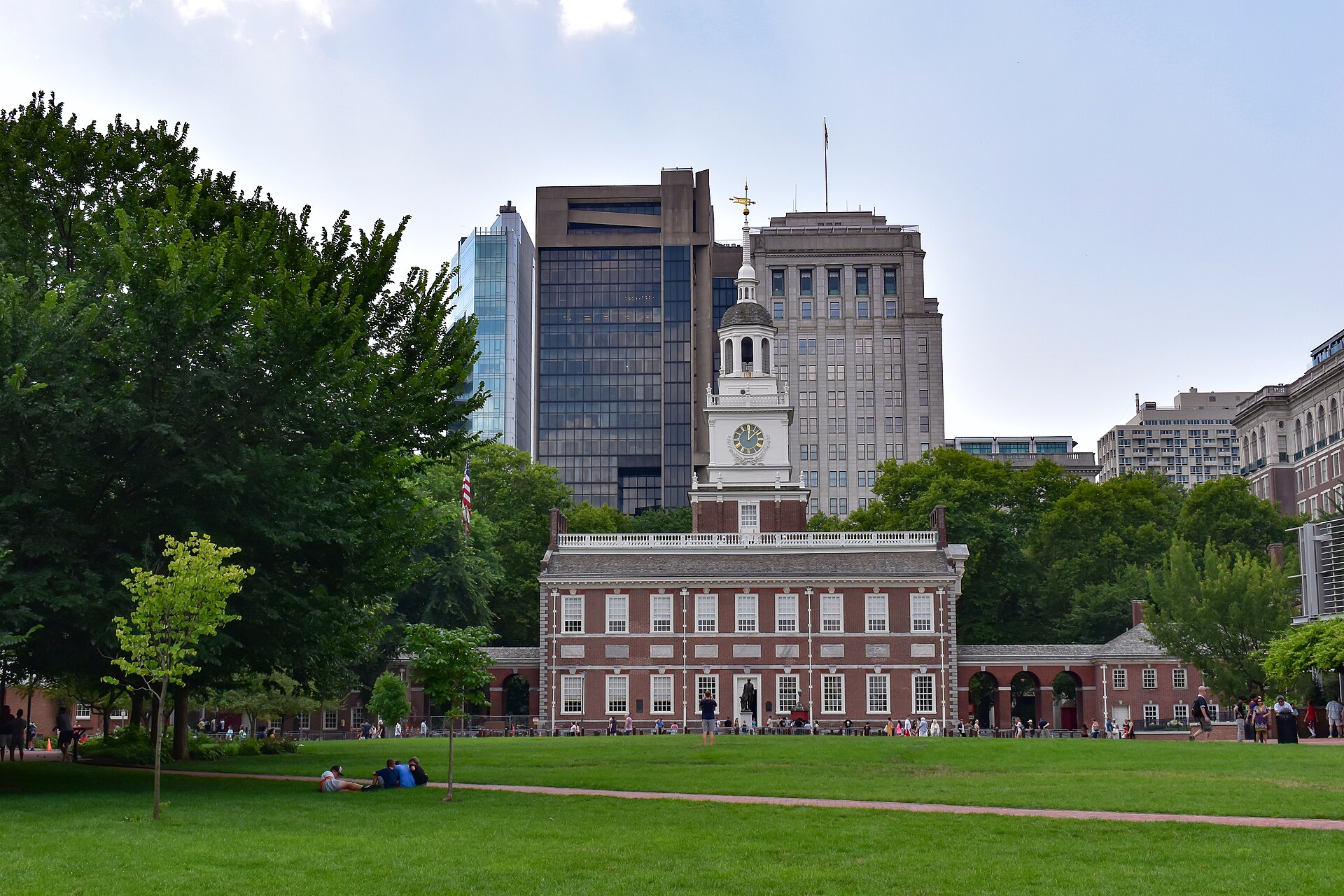
The free core, and the ticket rule that catches people out
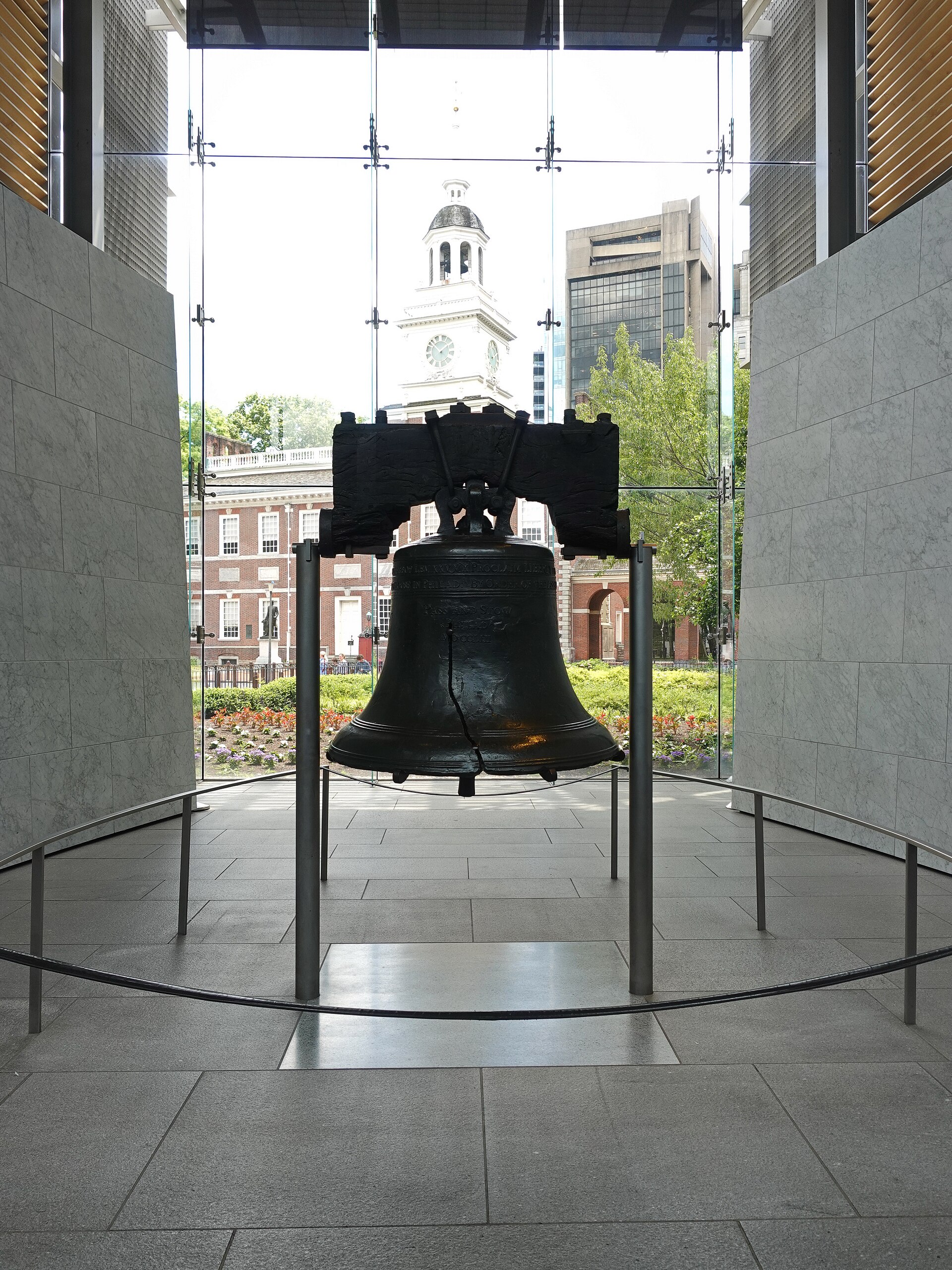
The Liberty Bell Center is open daily from 9:00 to 17:00, costs nothing, and needs no ticket at all. You queue, you go through a security screening, you see the bell. Screening closes at least five minutes before the centre does, so a late-afternoon arrival is a real risk. Mid-morning queues are the longest; the first hour and the last ninety minutes are calmer.
Independence Hall is also free, and this is where people get caught. Entry is free but the guided tour requires a timed ticket, and the building only opens Wednesday through Sunday, 10:00 to 16:00. Ranger-led tours run every twenty minutes from 10:40 until 16:00. Turn up on a Monday or Tuesday and the most important building in the city is simply shut.
Two ways around the ticket. Free timed tickets can be reserved online up to thirty days ahead, which is what you should do if your dates are fixed. Or you can use the open house window from 9:00 to 10:30, when no ticket is required at all. The open house is the underrated option: fewer people, no reservation anxiety, and you are done before the tour queues build.
While you are in the neighbourhood, the Independence Visitor Center is open daily 9:00 to 17:00 and handles tickets and questions for the whole park. The American Philosophical Society museum nearby is free and holds Thomas Jefferson’s handwritten draft of the Declaration, which is arguably a more affecting object than the bell and draws a fraction of the crowd.
Where the $69 actually goes
Philadelphia’s city pass costs $69 for adults and $49 for children aged three to twelve. It is not an all-you-can-visit pass. You choose three, four or five attractions from a fixed list, and the tickets stay valid for nine consecutive days from the first attraction you use.
The list is genuinely strong: the Franklin Institute, Adventure Aquarium, Philadelphia Zoo, the Big Bus hop-on hop-off tour, Eastern State Penitentiary, Battleship New Jersey, the Museum of the American Revolution, the Academy of Natural Sciences, the National Constitution Center and the Barnes Foundation. Advertised savings run to roughly half of gate prices.
Whether that is a saving or a trap depends entirely on your itinerary. If you are travelling with children and you are realistically going to do the science museum, the aquarium and the zoo, the pass pays for itself before you reach the third gate. If your trip is the free historic core plus one museum and a good dinner, it does not — you will pay $69 to visit two things worth $50 and feel obliged to add a third you never wanted. A CityPASS pass is worth buying only when you have already written down three attractions you were going to pay for anyway.
One structural detail worth knowing: several of the included attractions are not in Center City. Battleship New Jersey is across the river in Camden, and the zoo is a ride west of the historic district. A five-attraction pass quietly commits you to a lot of transit.
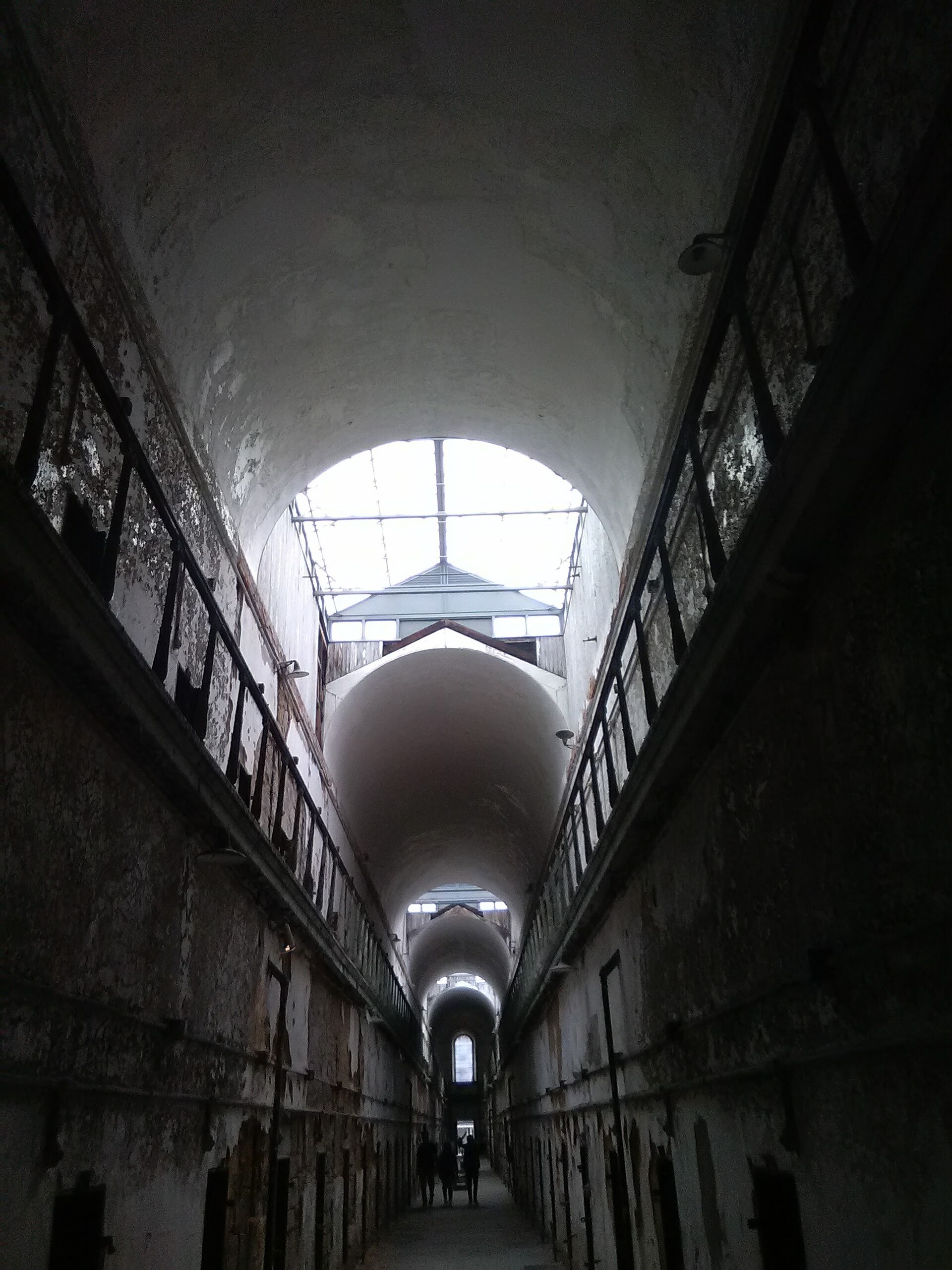
Eastern State Penitentiary: $21, or $19 if you book ahead
Admission starts at $21, and tickets bought online are two dollars cheaper than at the gate. It is the single most unusual paid attraction in the city and the one I would keep if the budget only allowed one.
Eastern State was the world’s first true penitentiary, built on the theory that total solitude produced penitence. Prisoners were kept alone, in individual cells with individual exercise yards, hooded when moved so they could not see or be seen. The theory failed, the building was used as an ordinary prison for another century, and it was then abandoned long enough to half collapse. It has been stabilised as a ruin rather than restored, so you walk down cell blocks with trees growing through the roof.
Budget ninety minutes minimum. It is largely unheated and partly open to the sky, which matters a great deal in January and again in July.
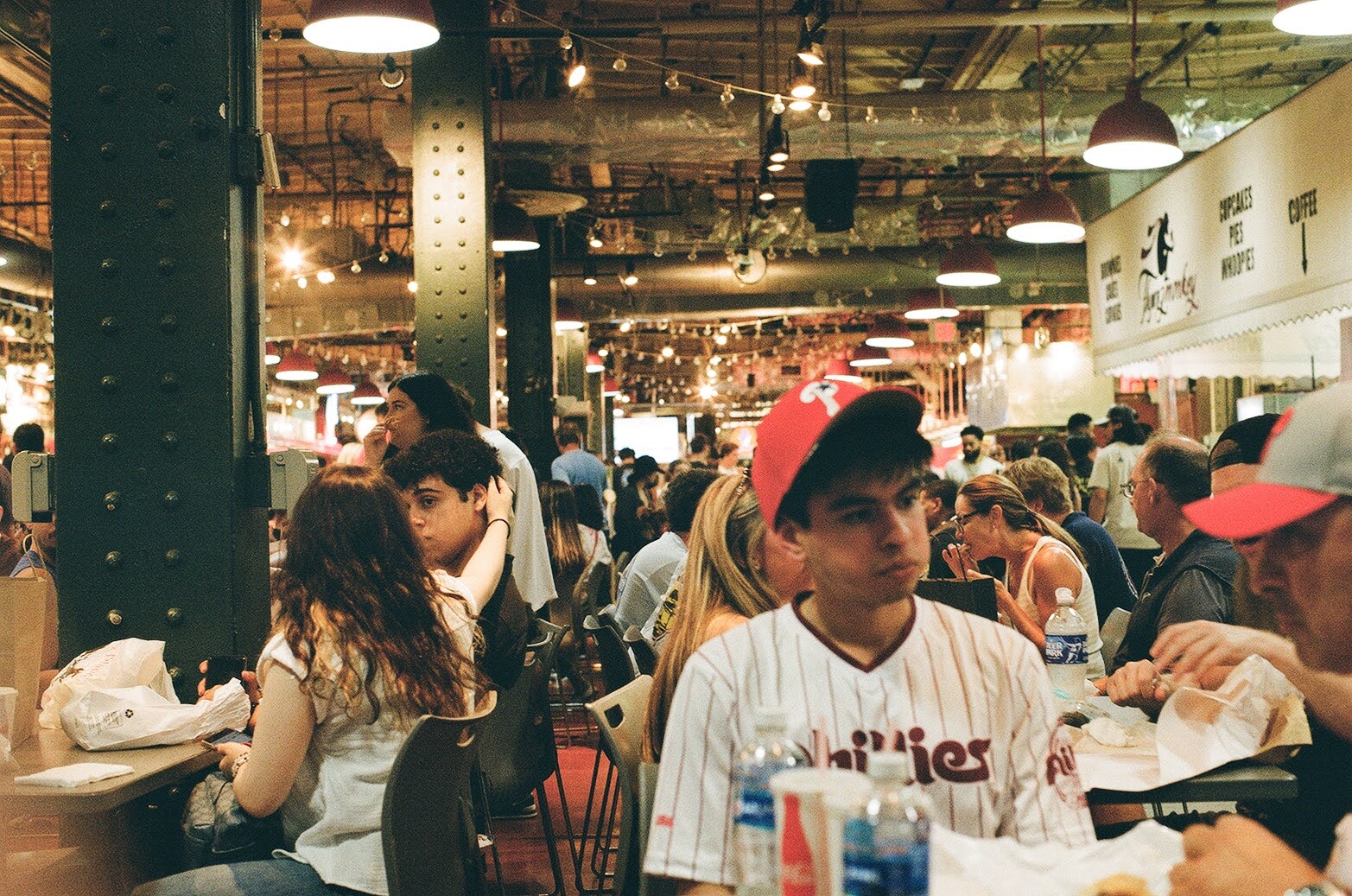
Reading Terminal Market is the best free hour in Philadelphia
The market opened in 1893, runs more than eighty independent vendors under one roof, and charges nothing to walk in. In the 2026 USA Today 10Best Readers’ Choice awards it was voted the best public market in America, which for once matches the experience.
It is also the most efficient meal in the city centre. You are a short walk from the convention centre and City Hall, you can eat properly for the price of a sandwich elsewhere, and you get a cross-section of what Philadelphia actually eats rather than what it sells to visitors. The one piece of timing advice: the lunch crush between roughly noon and 14:00 turns the aisles into a scrum. Go before 11:30 or after 14:00 and it is a different building.
The Rocky steps are free. The statue is not there right now.
Running up the steps of the Philadelphia Museum of Art costs nothing, the terrace is open around the clock, and the view back down the Benjamin Franklin Parkway is the best free view in the city. This is the part of the visit that needs no planning.
The bronze Rocky statue at the foot of the steps is a different matter: it is closed to the public through the end of September 2026 while the museum reinstals the original. If the photograph is the entire point of your visit, check the museum’s status before you build a morning around it.
Inside, general admission is $30 for adults, free for anyone eighteen and under, and $14 with a student ID. On the first Sunday of each month the museum is pay-what-you-wish, which is the single best-value art visit in the northeast if your dates happen to line up.
From the airport, the train costs $5
Philadelphia International is connected to the city by the SEPTA Airport Line, and the fare into the Center City stations is $5 with a SEPTA Key card, contactless payment or a Quick Trip ticket. Pay the conductor onboard instead and it is $6. Trains run every thirty minutes.
The line stops at all four terminal groups — Terminal E/F, Terminal C/D, Terminal B and Terminal A East — and then runs through Eastwick and Penn Medicine into 30th Street, Suburban, Jefferson and Temple. For anyone staying in Center City or Old City, one of those last three stations puts you within a short walk of the hotel. A cab or rideshare covers the same ground for many times the price, and in weekday afternoon traffic not noticeably faster.
Thirty-minute headways are the catch rather than the price. If you land at an awkward hour, check the timetable before you commit to the platform.
Elfreth’s Alley and the Old City walk
Elfreth’s Alley dates from 1703 and is the oldest continuously inhabited residential street in the United States. It is thirty-odd brick houses on cobbles, people live in them, and walking it costs nothing. It takes ten minutes and it does more for your sense of the eighteenth-century city than any museum label.
Build it into a loop through Old City rather than visiting it on its own: the historic park, the alley, the waterfront, and back through the galleries and bars around Second and Market. That loop is free apart from what you choose to eat, and it is the single best half-day in Philadelphia.
If you want a game
All four major teams — the Eagles in the NFL, the Phillies in baseball, the 76ers in basketball and the Flyers in hockey — play at the same complex in South Philadelphia, at the southern end of the Broad Street subway line. That concentration is unusual and it makes a game an easy add-on rather than an expedition: you are twenty minutes from Center City on a single train.
Philadelphia crowds have a reputation and it is broadly earned, in the sense that the atmosphere is loud, knowledgeable and unsentimental. It is a good place to watch sport and a poor place to wear the away shirt.
Do you need a car? Almost certainly not
Inside the city a car is a liability. The historic core is walkable end to end, the subway handles the sports complex and South Philadelphia, and Center City parking is the expense nobody budgets for. Skip it.
The exception is the day-trip ring. Valley Forge, the Brandywine Valley museums and Lancaster County are all inside an hour and none of them are comfortable without a car. If that is your plan, rent for the specific days you are leaving the city rather than for the whole trip, and pick up from a Center City desk rather than the airport.
A sane 48 hours
Day one, historic. Be at Independence Hall for the 9:00 open house, do the Liberty Bell straight afterwards while the queue is still short, then the American Philosophical Society and a loop through Old City and Elfreth’s Alley. Lunch at Reading Terminal Market after 14:00. Late afternoon at the Museum of the American Revolution if you bought a pass, or the waterfront if you did not.
Day two, the rest of the city. Eastern State Penitentiary as soon as it opens, when the cell blocks are quiet and the light is better for photographs. Walk or ride down to the art museum, do the steps, and go inside only if it is a first Sunday or you genuinely want two hours of European painting. Finish at the sports complex if anything is on, or back in Old City if not.
That itinerary spends about $21 in admissions. Everything else on it is free, which is the thing Philadelphia does better than any comparable American city.
Planning a wider trip on this coast? Our guides to things to do in New York and things to do in Boston cover the two obvious pairings, and Chicago and Toronto work the same way for a longer loop.