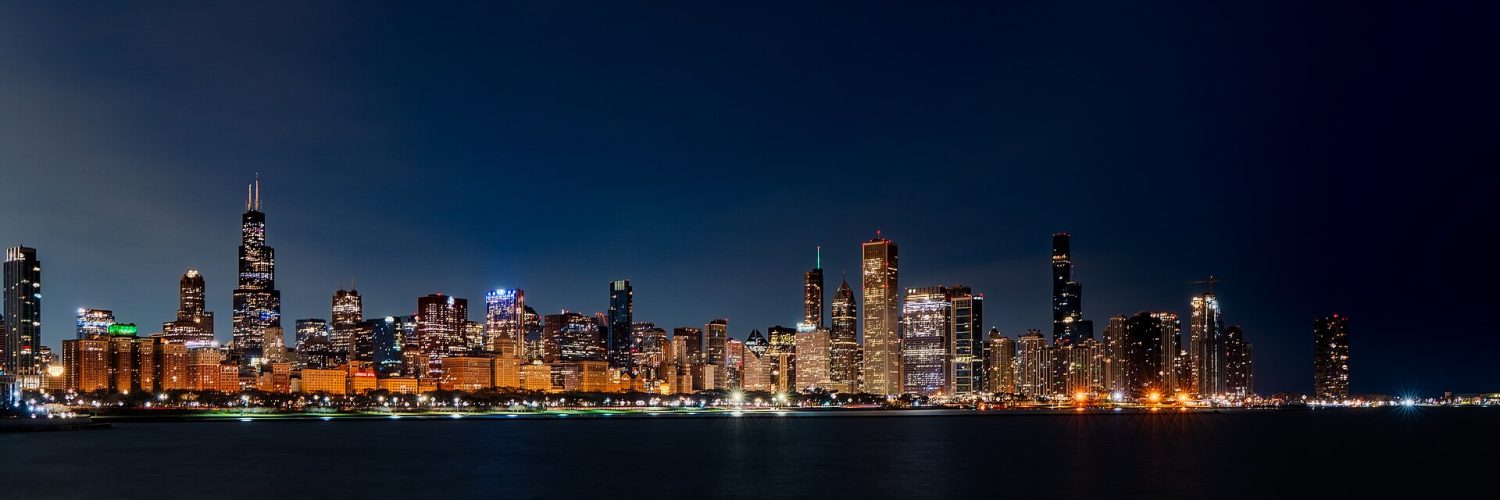
Most big American cities make you pay for the good view. Chicago does the opposite. The single best thing you can do here — walk the eighteen-mile Lakefront Trail at 7am with the skyline on one side and an inland sea on the other — costs nothing at all. The second-best thing, standing on a glass box cantilevered off the 103rd floor of Willis Tower, starts at $32. That gap is the whole story of visiting Chicago: an unusual amount of the city’s best material is free and outdoors, and the paid attractions are genuinely good but almost never urgent.
This guide is organised around that split. What to book ahead and what it actually costs, what to skip, how to move around a city built on a grid that makes navigation almost impossible to get wrong, and where to sleep depending on whether you want the lake or the nightlife.
Why Chicago looks the way it does
Two decisions explain almost everything you will see.
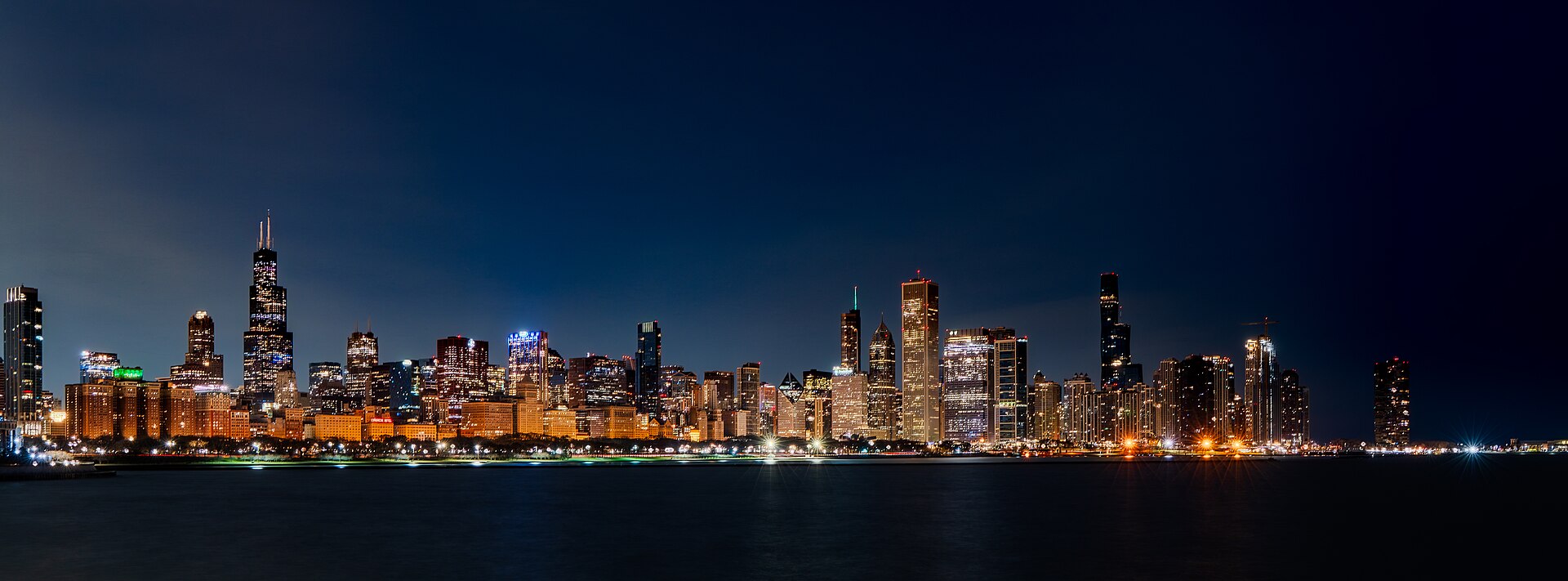
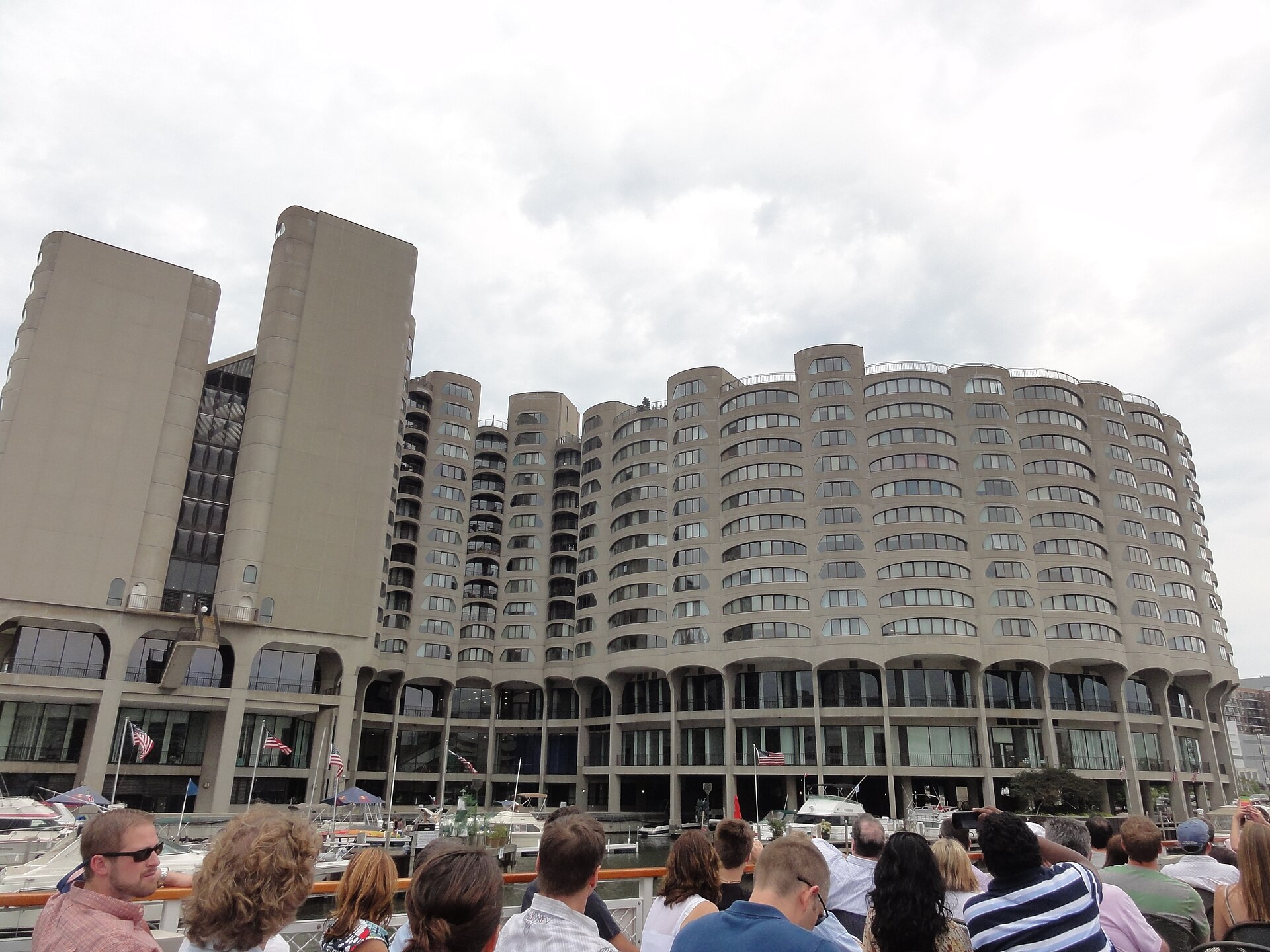
The first was involuntary. In October 1871 the Great Chicago Fire burned roughly three and a half square miles of the city, including nearly the entire commercial core. What replaced it was not a restoration but an experiment: fireproof construction, steel frames, and buildings that went up instead of out. The Home Insurance Building of 1885 is usually credited as the first skyscraper, and while architectural historians argue about the definition, nobody argues about where the argument happened. The result is that Chicago’s downtown is not a random collection of towers but a more or less continuous record of what tall buildings looked like in every decade from the 1880s onward, standing in rows you can read from a boat.
The second decision was entirely deliberate, and considerably stranger. Chicago drew its drinking water from Lake Michigan and dumped its sewage into the Chicago River, which flowed into Lake Michigan. In 1900 the city finished the Sanitary and Ship Canal and reversed the river, sending it away from the lake and toward the Mississippi basin instead. The river you take an architecture cruise on today is flowing backwards on purpose. It is also why the lakefront is clean enough that the beach at North Avenue is a real beach and not a decorative one.
Add the 1893 World’s Columbian Exposition, which left behind the building that is now the Griffin Museum of Science and Industry and a lasting civic habit of thinking in grand plans, and you get a city with an unusually strong sense of its own layout.
Getting in from O’Hare and Midway
Chicago has two commercial airports and both are on the rail network, which is rarer in the United States than it should be.
From O’Hare (ORD), the Blue Line runs 24 hours a day and reaches the Loop in roughly 45 minutes. There is one catch worth knowing before you tap: CTA charges a premium fare of $5 for boarding at the O’Hare station specifically, and a single-trip Ventra ticket bought at an O’Hare vending machine also costs $5 rather than the usual $3. An unlimited pass sidesteps the surcharge entirely — a 1-Day CTA/Pace Pass has been $5, which means the pass costs the same as the single O’Hare ride and then keeps working all day. If you are landing at O’Hare and intend to use transit at all, buy the pass, not the ticket. Note that CTA’s board approved increases for 2026 as part of the regional funding crisis, with the 1-day pass rising to $6, the 7-day to $25 and the 30-day to $85, and the 3-day pass discontinued; check the current fare page before you budget.
From Midway (MDW), the Orange Line reaches the Loop in about half an hour with no surcharge. Midway is closer to downtown and the train is simpler, which is a real argument for booking a Southwest flight into Midway over a legacy carrier into O’Hare if the fares are close. If you are comparing options across the country, our roundup of the cheapest US domestic flights covers how the two Chicago airports price against each other.
A taxi or rideshare from O’Hare to the Loop is a 25 to 45 minute trip that becomes a 70 minute trip at rush hour, and the Kennedy Expressway is not forgiving. The train is genuinely faster more often than not.
What to book ahead — and what it actually costs
Chicago’s headline attractions are almost all timed-entry now, and the difference between booking two days out and turning up is usually the difference between walking in and waiting an hour. These are the numbers that matter, and they are worth checking against current prices because most of them are dynamic and climb on summer weekends.
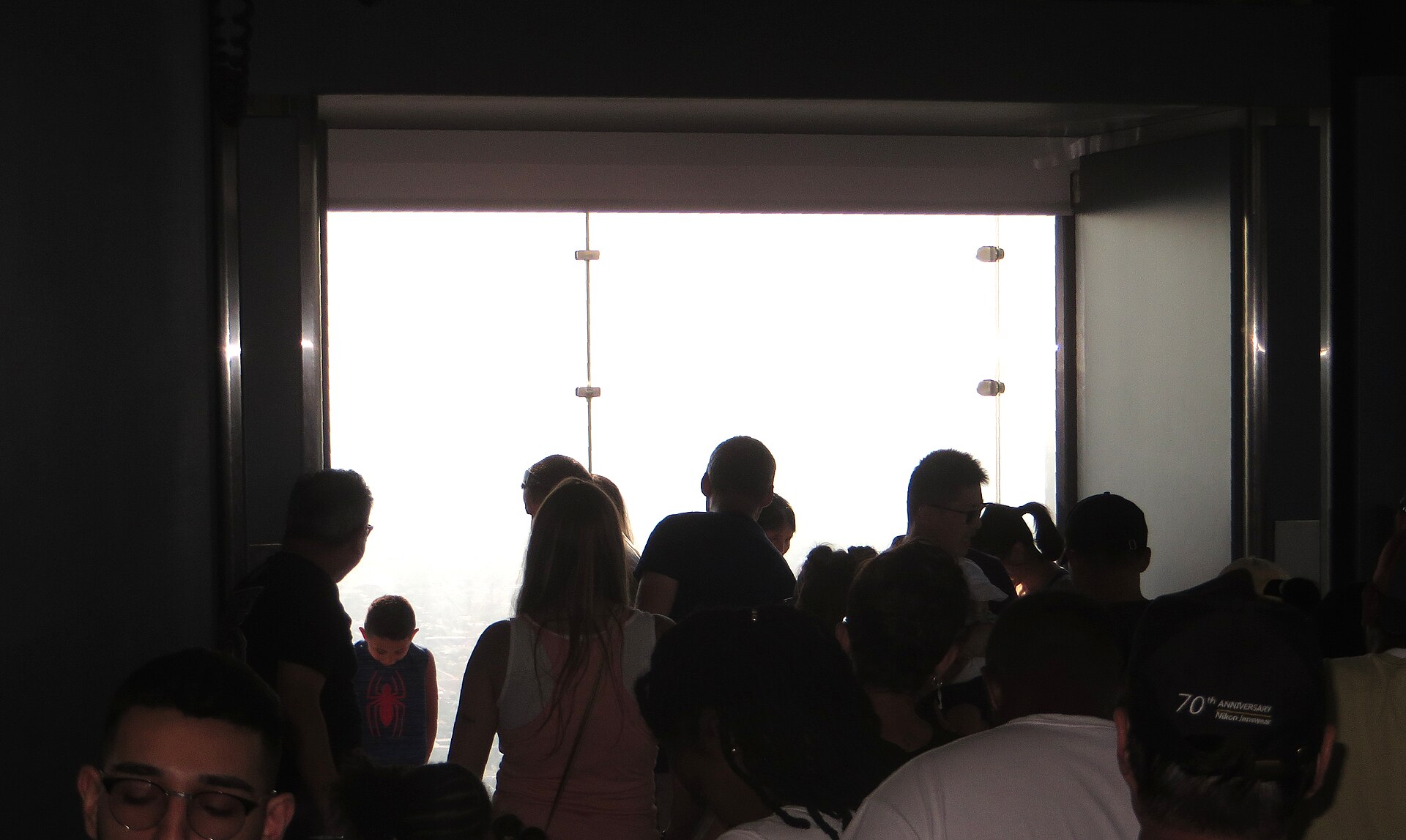
- Skydeck Chicago (Willis Tower) — general admission from about $32 for adults and $24 for ages 3 to 11. The Ledge, the glass balcony that sticks out over Wacker Drive, is included in the standard ticket. Expedited entry starts around $55 and is only worth it in July and August.
- 360 CHICAGO — around $30 on weekdays. TILT, the platform that leans you out over Michigan Avenue, is an extra $9 or $10. It is lower than Skydeck but it faces the good direction, back down the shoreline toward the Loop.
- Art Institute of Chicago — $32 for adults, $26 for seniors. Illinois residents save $5 and Chicago residents save $12, and there are free evening hours for Illinois residents on third Thursdays from 5 to 8pm starting 16 April 2026, plus free Summer Thursdays from 11 June to 17 September 2026.
- Chicago Architecture Center river cruise — about $45 for general boarding and around $50 for priority boarding, which also includes admission to the Architecture Center itself. Ninety minutes, docent-narrated, and the single best paid thing in the city.
- Chicago CityPASS — $144 for adults and $114 for ages 3 to 11, covering five attractions over nine consecutive days from first use. Shedd Aquarium and Skydeck are fixed; you choose three more from a list that includes the Field Museum, 360 CHICAGO, the Griffin Museum of Science and Industry, the Art Institute, Adler Planetarium and an architecture river tour.
- C3 by CityPASS — $109 for three attractions of your choice, which suits a two-day trip better than the five-attraction version.
The honest arithmetic. The five-attraction pass only beats paying individually if you genuinely visit all five, and five museums in nine days is more museum than most people want in a city with a lakefront this good. Run the numbers on your own shortlist: Skydeck at $32 plus Shedd plus the Art Institute at $32 already puts you past $100 before the other two, so the pass wins comfortably for a museum-heavy family trip and loses for a couple who mostly want to walk and eat. Both bundles get repriced periodically, so it is worth a look at the current Chicago CityPASS price and the three-attraction C3 option before you commit either way.
One detail that trips people up: the river tour included in CityPASS is Shoreline Sightseeing’s architecture cruise, not the Chicago Architecture Center’s docent-led cruise aboard Chicago’s First Lady. Both are good. The CAC one is better, and if the architecture is the reason you came, book it separately and treat it as its own line item.
What is free, and no worse for it
Millennium Park costs nothing and contains three of the city’s most photographed objects: Cloud Gate, the mirrored sculpture everyone calls the Bean; Crown Fountain, whose two glass towers project video faces that periodically spit water at children; and the Pritzker Pavilion, which hosts free concerts through the summer. Behind it, the Lurie Garden is a five-acre prairie planting that most visitors walk straight past.
The Lakefront Trail runs eighteen miles along Lake Michigan with separated paths for bikes and pedestrians. You do not need to do all of it. The stretch from Navy Pier north to North Avenue Beach gives you the classic skyline view looking back south, and takes about forty minutes on foot.
The Chicago Riverwalk is a continuous pedestrian level below street grade along the main branch, with bars, kayak rentals and the best ground-level angle on the bridge houses. It is also the coolest place in the city in August, being effectively in a canyon next to water.
The 606 is an elevated rail line converted into a 2.7-mile trail through Wicker Park, Bucktown and Humboldt Park. It is where you go to see the city that lives here rather than the one that visits.
And the Chicago Cultural Center, free, has the largest Tiffany glass dome in the world in a room most tourists never enter because it looks like a municipal building, which it is.
The neighbourhoods, and what each one is for
Chicago’s grid makes this easier than it sounds. State and Madison is the zero point, addresses run 100 units per block and eight blocks to the mile, so an address of 2400 North tells you precisely three miles north of Madison. Once that clicks, you can navigate the entire North Side without a map.
- The Loop — the elevated tracks that give it the name enclose the theatre district, the Art Institute and most of the landmark architecture. Busy on weekdays, oddly quiet on Sunday mornings, which is the best time to look at buildings.
- River North — galleries, steakhouses, and the highest concentration of hotel rooms. Convenient rather than characterful.
- West Loop — the former meatpacking district and now the city’s serious restaurant strip along Randolph and Fulton Market. Book weeks ahead for anything with a name.
- Wicker Park and Logan Square — Blue Line neighbourhoods where the bars, record shops and the better coffee live. Twenty minutes from downtown, a different city in feel.
- Lincoln Park and Old Town — brownstones, a free zoo, and the beaches. The most pleasant place to stay if you do not need to be downtown.
- Pilsen — Mexican-American Chicago, murals, and the National Museum of Mexican Art, which is free.
- Hyde Park — the University of Chicago, Frank Lloyd Wright’s Robie House and the Griffin Museum of Science and Industry, seven miles south and worth the trip.
Three days, arranged so you are not crossing the city twice
Day one — the river and the Loop. Start with the architecture cruise in the morning while the light is still coming from the east. Walk the Riverwalk east afterwards, cut up to Millennium Park for the Bean and the Lurie Garden, then spend the afternoon in the Art Institute, whose entrance is directly across Michigan Avenue. Finish in the Loop for theatre or in the West Loop for dinner.
Day two — the lakefront and a tower. Rent a Divvy bike and ride the Lakefront Trail north to North Avenue Beach, then back down to Navy Pier. Do Skydeck or 360 CHICAGO in the late afternoon so you catch the transition from daylight to lit skyline in one ticket. Evening in Wicker Park or Logan Square.
Day three — south, or out. Hyde Park for the Robie House and the Griffin Museum of Science and Industry, or Pilsen for the murals and lunch, or leave the city entirely for the dunes. If you only have two days, drop day three and add the extra hours to the museums.
Food, and the deep dish question
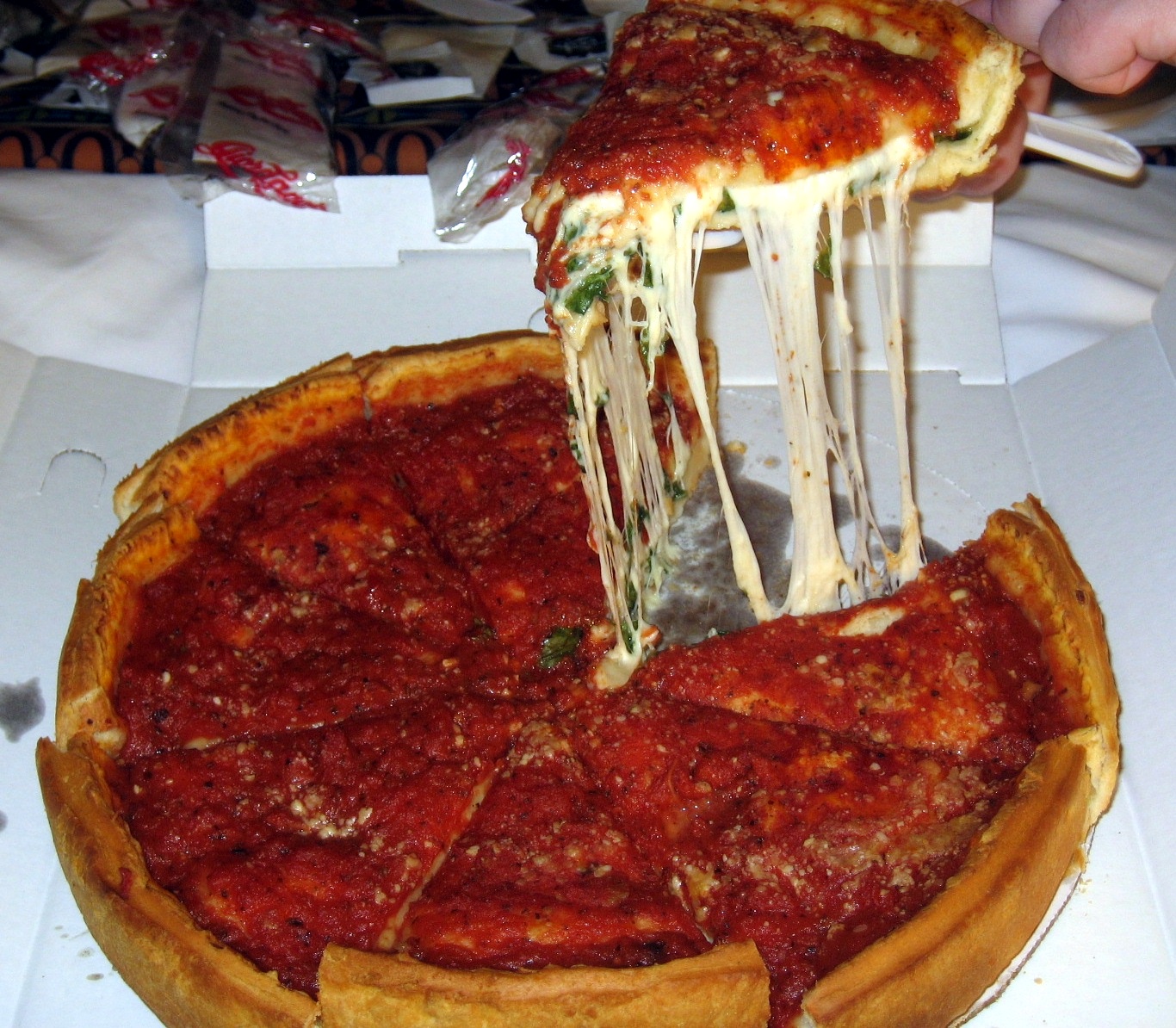
Deep dish is real, it is good, and almost no one in Chicago eats it regularly. It takes 40 to 45 minutes to bake, which means it is a planned sit-down meal, not something you grab. Call ahead and order it when you book the table, or you will spend three quarters of an hour looking at a menu you have already finished reading.
What locals actually eat is tavern-style thin crust, cut into squares rather than wedges, which almost no visitor orders because nobody told them it existed. Have one of each across a trip and you will understand the city better than the deep-dish-only crowd.
Beyond pizza: the Italian beef sandwich, ordered wet or dipped, with hot giardiniera; the Chicago hot dog, which is dragged through the garden and never involves ketchup; and, more importantly, the fact that Chicago has one of the strongest restaurant scenes in the country in Pilsen, Bridgeport, Devon Avenue and Argyle Street, none of which are on the standard itinerary.
Getting around
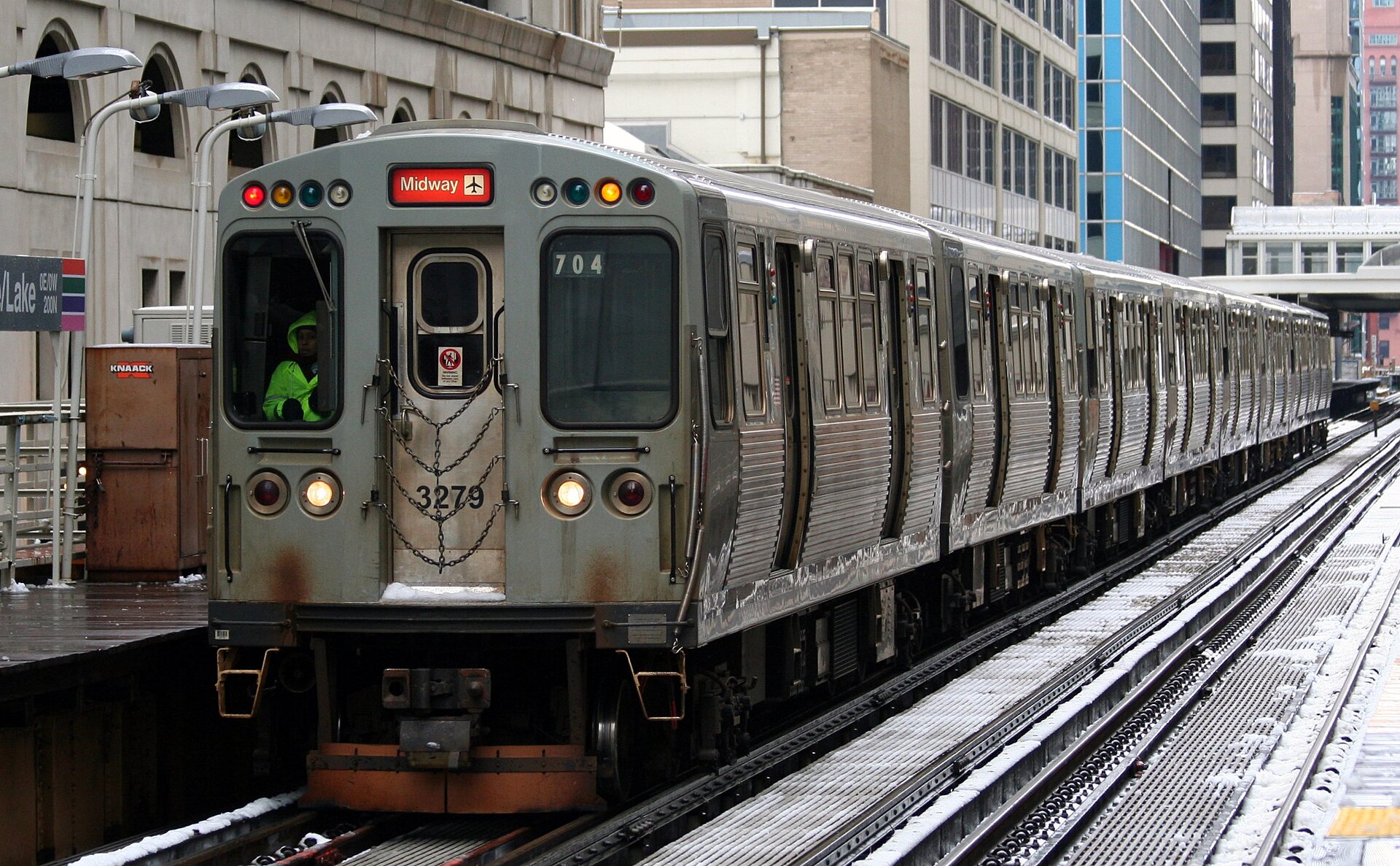
The ‘L’ has been $2.50 a ride and buses $2.25, with up to two transfers free within two hours, and CTA’s published fare chart still carries those figures at the time of writing. A new Ventra card costs $5, refunded as transit value if you register it within 90 days, but you can skip the card entirely and tap a contactless bank card or phone wallet at the turnstile — the same fare applies.
The rule of thumb: if you will take three or more rides in a day, the day pass wins. If you are landing at O’Hare, the pass wins on the first ride alone because of the surcharge.
Divvy bike share covers most of the North Side and the Loop densely, and the Lakefront Trail is the reason to use it. Above ground, the Brown Line around the Loop is worth riding one full circuit purely as a sightseeing tour that costs a single fare.
Where to sleep
The trade-off in Chicago is unusually clean. The Loop and River North put you inside walking distance of the museums, the river and the theatres, and they are where the large hotels are, but the Loop empties out after office hours and River North is short on character. Streeterville is quieter and closer to the lake. Lincoln Park and Old Town cost less per night, feel like a neighbourhood, and are ten to fifteen minutes from downtown on the Red or Brown Line. West Loop is the best base if eating is the point of the trip. Wicker Park is the cheapest of the desirable options and sits directly on the Blue Line, which means one train from O’Hare with no changes.
Two timing notes worth money. Chicago is a convention city, and McCormick Place events can double downtown rates on dates that look completely ordinary — check the convention calendar before you lock in. And winter rates in January and February are startlingly low for a reason that becomes obvious the moment you step outside.
Day trips, and when you need a car
Some of these need wheels and some emphatically do not, which is worth sorting out before you book anything.
No car needed: Indiana Dunes National Park is reachable on the South Shore Line from Millennium Station in a little over an hour, and gives you fifteen miles of Lake Michigan shoreline and dunes with the Chicago skyline visible across the water on a clear day. Evanston and the Baha’i House of Worship are on the Purple Line.
Car needed: Starved Rock State Park, roughly ninety minutes southwest, has the canyons and waterfalls that the flat Midwest is not supposed to have, and there is no useful transit to it. Galena, the preserved nineteenth-century town in the far northwest corner of Illinois, is a three-hour drive. Milwaukee is ninety minutes north and does have Amtrak, but a car makes the lakeshore route worthwhile. If you are renting, book before you arrive — downtown Chicago garage parking runs $40 to $70 a night and is the hidden cost that ruins the arithmetic on a rental you only need for one day.
When to go
May to early June and September to mid-October are the two windows where the weather cooperates and the crowds have not arrived or have left. September in particular is reliably warm, dry and clear.
July and August are hot, humid and full — but they are also when the free festivals happen, when the beaches work and when the Pritzker Pavilion has music most evenings. The Air and Water Show in August packs the lakefront to a degree that makes the North Side genuinely difficult.
January and February are cold in a way that is hard to convey to people who have not stood at the corner of Michigan and Randolph with wind coming off a frozen lake. Hotel rates collapse accordingly, the museums are empty, and if you are here for indoor culture it is arguably the best value in the country. Pack for it properly.
Practical notes, including the ones nobody puts in guides
Safety. Chicago’s reputation is shaped by crime that is concentrated in specific neighbourhoods a long way from anywhere a visitor has reason to be. The Loop, River North, Streeterville, Lincoln Park, Wicker Park, Pilsen and Hyde Park are ordinary big-city environments where ordinary big-city awareness is enough. Late at night, the sensible adjustments are the usual ones: stay on lit main streets, do not stand on a quiet platform with your phone out, and take a car rather than a long walk after 1am.
Tipping. 18 to 20 percent at restaurants and bars, and note that a growing number of Chicago restaurants add a service charge of 3 to 5 percent that is not a tip. Read the bottom of the bill.
The wind. The nickname is political in origin, not meteorological, but the lake effect is real and the temperature at the shoreline can be several degrees off what your phone says for the city.
Museum free days. Most of the big institutions run free days or free evenings restricted to Illinois residents, which visitors cannot use. Do not build an itinerary around them.
Further reading
- Things to do in San Francisco — the other American city where the geography does the work
- Things to do in New York
- Things to do in Toronto — the closest comparison across the lakes
- Motorcycle rental in Chicago
- Cheapest US domestic flights, compared