New York punishes two kinds of visitor: the one who books nothing and spends the trip in queues, and the one who over-books and spends it rushing between timed slots on opposite sides of Manhattan. The city is bigger than it looks on a map — the island alone is 21 km long — and the difference between a good trip and an exhausting one is almost entirely geography.
Here is what is worth pre-booking, what is free and better, and how to group the city so you are not crossing it four times a day.
Getting in from the airport
Three airports, three completely different experiences.
- JFK — 24 km southeast. The AirTrain plus subway costs around USD 11 and takes 60 to 75 minutes to midtown. A yellow cab runs a flat fare of roughly USD 70 plus tolls and tip. Rideshare is often more during surge.
- LaGuardia — closest at 13 km, no rail link. The Q70 bus to the subway is cheap and quick off-peak. Taxi runs USD 40 to 60 metered.
- Newark (EWR) — in New Jersey, 26 km. AirTrain plus NJ Transit to Penn Station is around USD 16 and genuinely efficient. Taxis are expensive and cross state lines.
For late arrivals, groups, or anyone landing at JFK after a transatlantic flight, a fixed-price pre-booked transfer avoids the taxi queue and the surge lottery. For everyone else the AirTrain works fine.
What is genuinely worth pre-booking
Timed entry is now standard at most paid attractions in New York, and the observation decks in particular sell out for sunset slots weeks ahead.
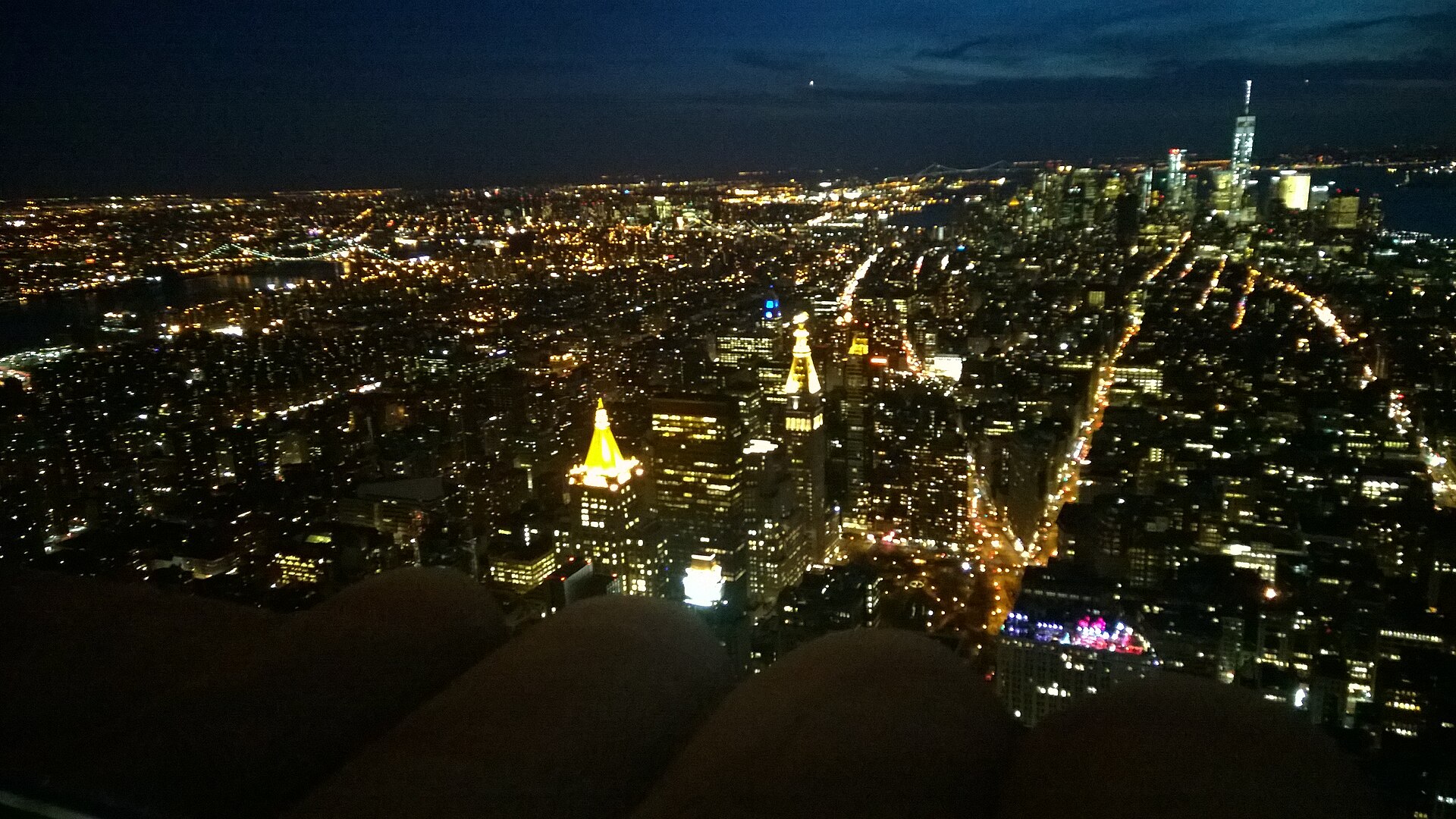
- Observation decks. There are now four serious options — the Empire State Building, Top of the Rock, Edge, and SUMMIT One Vanderbilt. Top of the Rock has the best view because it is the only one that includes the Empire State in the picture. SUMMIT is the most theatrical. Edge is the highest outdoor deck. Empire State is the icon. Pick one, maybe two; they are USD 40 to 80 each.
- 9/11 Memorial and Museum. The outdoor memorial pools are free and open to all. The museum is ticketed at around USD 36 and is a genuinely heavy two hours.
- Statue of Liberty and Ellis Island. The ferry ticket includes both islands. Crown access is separately capped and books months ahead. The Staten Island Ferry is free and passes the statue if you only want the photograph.
- MoMA, the Met, the Whitney. The Met operates suggested admission only for New York State residents; everyone else pays around USD 30. MoMA is around USD 30 and busiest at weekends.
- Broadway. Not a museum ticket but the same logic — good shows sell out. TKTS booths sell same-day discounts if you are flexible.
The free New York, which is most of the good bits
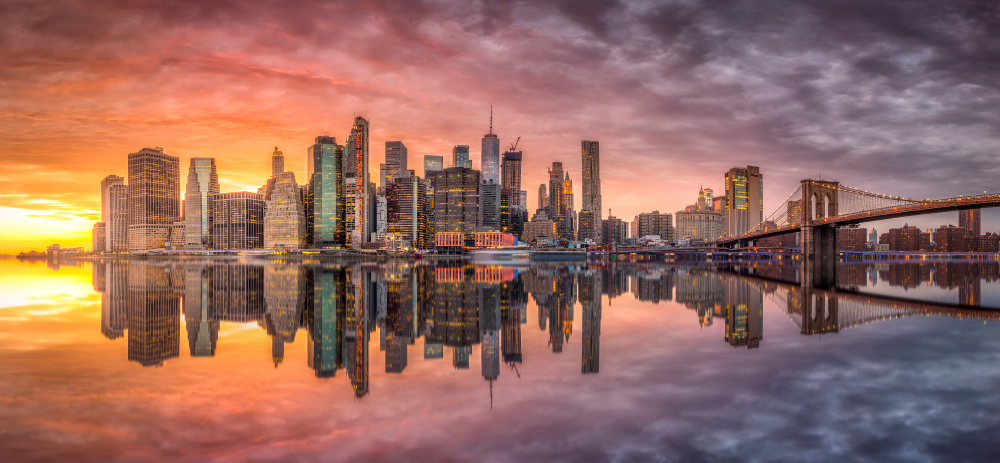
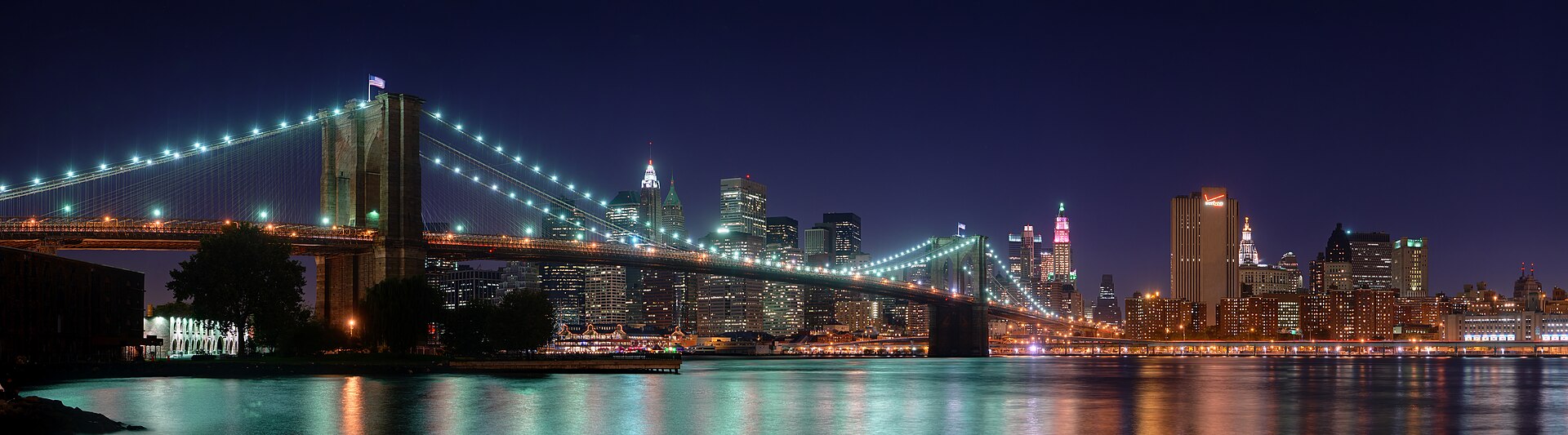
- Walking the Brooklyn Bridge — do it from the Brooklyn side towards Manhattan so the skyline is in front of you. Early morning is the only time it is not shoulder to shoulder.
- The Staten Island Ferry — free, 25 minutes each way, passes the Statue of Liberty.
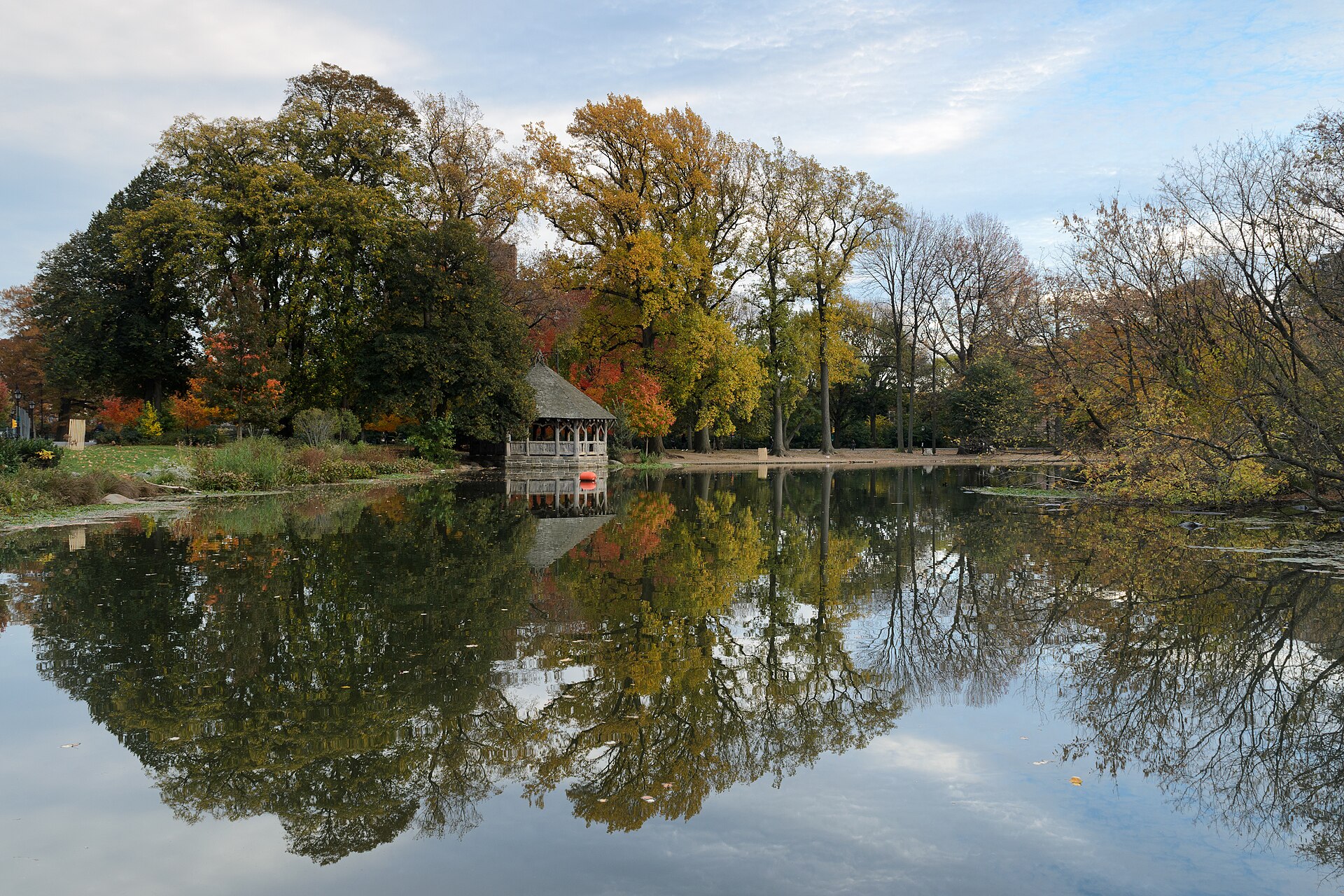
- Central Park — 3.4 square kilometres, free, and genuinely different in each season. The Ramble, Bethesda Terrace and the Reservoir loop are the highlights.
- The High Line — a disused elevated railway turned linear park, 2.3 km through Chelsea. Free, busy at weekends.
- Grand Central Terminal — free to walk through, and the main concourse ceiling is worth ten minutes.
- Neighbourhood walking — the West Village, Williamsburg, Harlem and the Lower East Side are the city most visitors never see and cost nothing.
Group the city by geography, not by wish list
This is the whole trick. A workable four-day shape:
- Day 1 — Midtown. Grand Central, the New York Public Library, Bryant Park, one observation deck, Times Square after dark (once, briefly).
- Day 2 — Downtown. 9/11 Memorial, One World Observatory or the Staten Island Ferry, Wall Street, then walk the Brooklyn Bridge and eat in Dumbo.
- Day 3 — Uptown and museums. The Met or the American Museum of Natural History in the morning, Central Park in the afternoon, Upper West Side in the evening.
- Day 4 — Village and Chelsea. The High Line, Chelsea Market, the West Village, Washington Square Park.
With two days, do Midtown and Downtown and leave the museums. They deserve better than 45 minutes.
Where to stay
- Midtown — most hotels, best transport, least character. Convenient and forgettable.
- Chelsea and the Flatiron District — the best balance of location, atmosphere and price.
- Lower East Side and East Village — younger, cheaper, excellent food, longer subway rides to midtown.
- Brooklyn (Williamsburg, Dumbo) — better value, genuinely nicer, 20 to 30 minutes to Manhattan on the subway.
- Upper West Side — residential and calm, next to Central Park and the museums.
New York hotel rates are volatile and driven by conventions and events. December is the most expensive month; January and February are by far the cheapest. Compare New York accommodation and note that most hotels add a resort or facility fee on top of the advertised rate.
Getting around
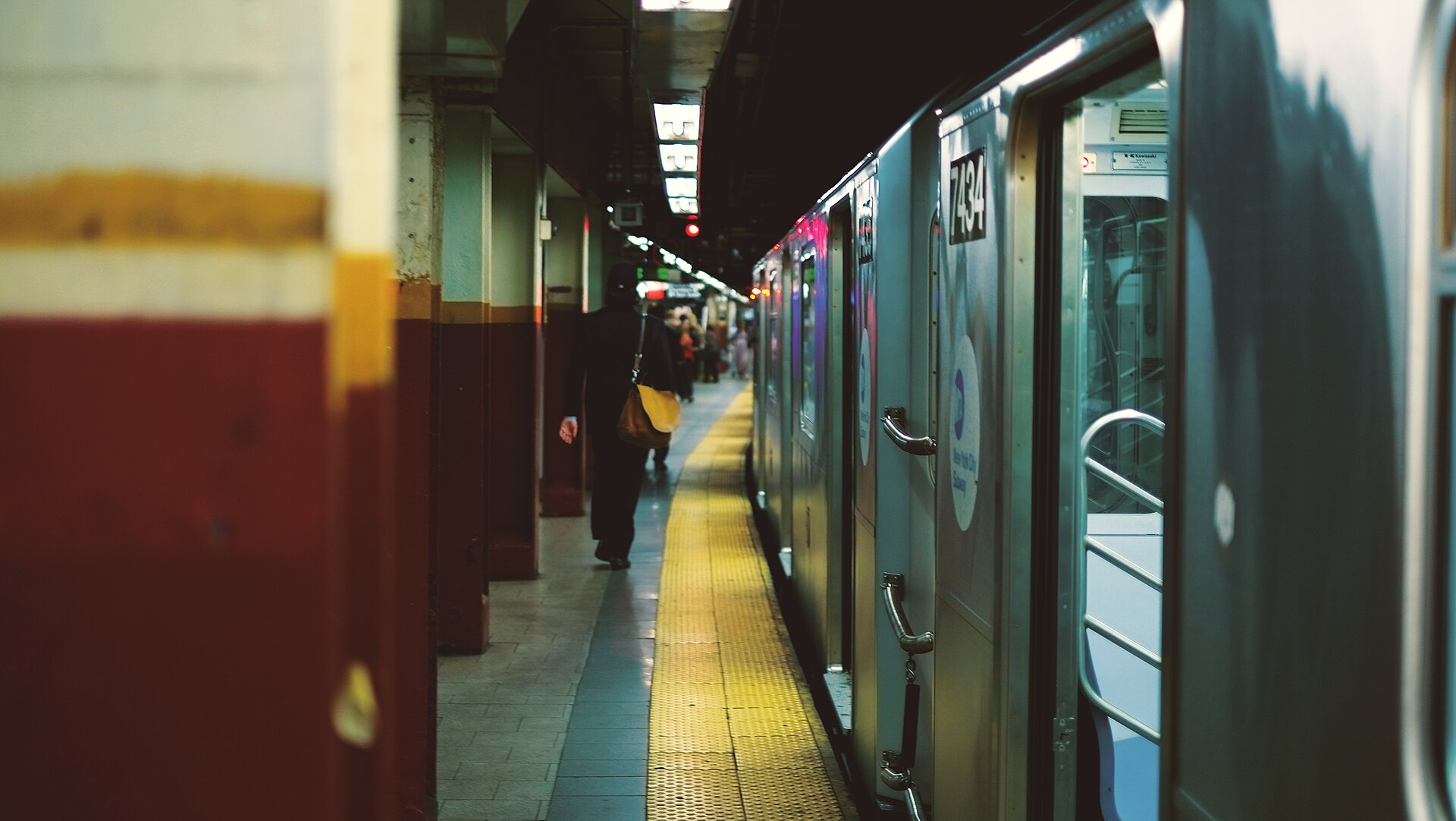
- The subway runs 24 hours and is the fastest way to cover distance. Tap a contactless card or phone directly at the turnstile with OMNY — there is a weekly fare cap, so after 12 journeys the rest of the week is free.
- Walking is genuinely viable. Twenty north-south blocks is about 1.6 km, roughly 20 minutes.
- Do not rent a car. Parking runs USD 40 to 70 a night, Manhattan below 60th Street now has congestion pricing, and traffic is worse than the subway at every hour.
- Yellow cabs and rideshare are useful late at night and useless in midtown traffic.
- Citi Bike is excellent along the Hudson River Greenway and terrifying in midtown traffic.
When to go
April to early June and September to early November are the best windows — mild, walkable, and the parks look their best. July and August are hot and humid enough to be unpleasant. Winter is cold but the city is at its cheapest in January and February, and the museums are the point anyway.
December is beautiful and extremely expensive. If you are coming for the Christmas markets and the tree, budget accordingly and book months ahead.
Getting from the airport to your accommodation is the one leg worth arranging before you arrive — compare fixed-price transfers here:
Practical notes
- Sales tax is added at the till, not shown on the shelf price. Clothing and footwear under USD 110 per item is exempt in New York City.
- Tipping is 18 to 22 percent in restaurants and is genuinely expected. Bartenders get a dollar or two per drink.
- Tap water is excellent and free everywhere.
- Attraction passes — the New York Pass, New York CityPASS and Go City bundle several sights. They only pay off if you are doing three or more paid attractions per day, which is more than most people enjoy.
- Connectivity. A US eSIM costs a few dollars and beats carrier roaming, and you will be using maps constantly.
The attraction pass arithmetic, with real numbers
Here is the sum nobody does before buying. As of August 2026 the New York CityPASS is USD 164.00 for an adult and USD 136.00 for a child aged 6 to 17, plus a USD 2.00 processing fee. It covers five attractions: the Empire State Building observation deck and the American Museum of Natural History are fixed, and you choose three more from a list that includes Top of the Rock, the Statue of Liberty ferry, the 9/11 Memorial Museum, the Intrepid and the Guggenheim. CityPASS puts the gate value at USD 282.98, which is where the “save up to 42 percent” claim comes from. The pass is valid for nine days from first use, which is the detail that actually decides whether it works for you.
Nine days is generous, so the old advice about needing three paid attractions a day is wrong for this particular pass — you can spread five sights across a week and still clear the bar. The real test is different: do you actually want all five? If two of them are places you would never have paid for, you have bought a discount on things you did not want. Two observation decks in one trip is the classic trap, since the Empire State Building is already included and Top of the Rock is the obvious third pick, and the view from one is the view from the other with a different building missing from it. Work out which sights you would pay full price for, add those up, and only then compare. If your genuine list is three items or fewer, buy them individually. Prices move, so it is worth a look at the current figure before you commit — check the current New York CityPASS price .
Paying for the subway in 2026
The base fare rose to USD 3.00 in January 2026, up from USD 2.90, and the reduced fare is USD 1.50. Tap a contactless card or phone at the turnstile with OMNY and forget about buying anything in advance — this is the single biggest change from every guidebook written before 2025. The seven-day rolling fare cap is now permanent: after twelve paid rides in any seven-day window, every further ride that week is free, so you will never pay more than USD 35 in a week no matter how much you ride. Crucially the cap is rolling rather than calendar-based, so it starts from your first tap, not from Monday.
Two practical warnings. Use the same physical card or the same phone for every tap, because the cap counts taps per payment method — a couple tapping one card each will each need their own twelve rides, while tapping one card twice for two people does not count toward a cap at all. And if you want a physical OMNY card rather than using your own bank card, it now carries a USD 2 issuance fee. MetroCard is being retired through 2026, so do not plan around buying an unlimited MetroCard on arrival.
Related reading
Prices are indicative for 2026 in US dollars. Some links on this page are affiliate links; using them costs you nothing and helps keep this site running.