Paris receives more visitors than almost anywhere on earth and disappoints a surprising number of them. The reason is usually the same: people arrive with a list of five monuments spread across the city, spend three days on the metro connecting them, and go home having seen Paris entirely from the outside.
The city rewards the opposite approach. It is small — you can walk across the centre in about an hour — and it is organised into twenty arrondissements that spiral outward from the Louvre like a snail shell. Pick two or three and walk them properly and you will have a far better trip than someone who ticked off twice as much.
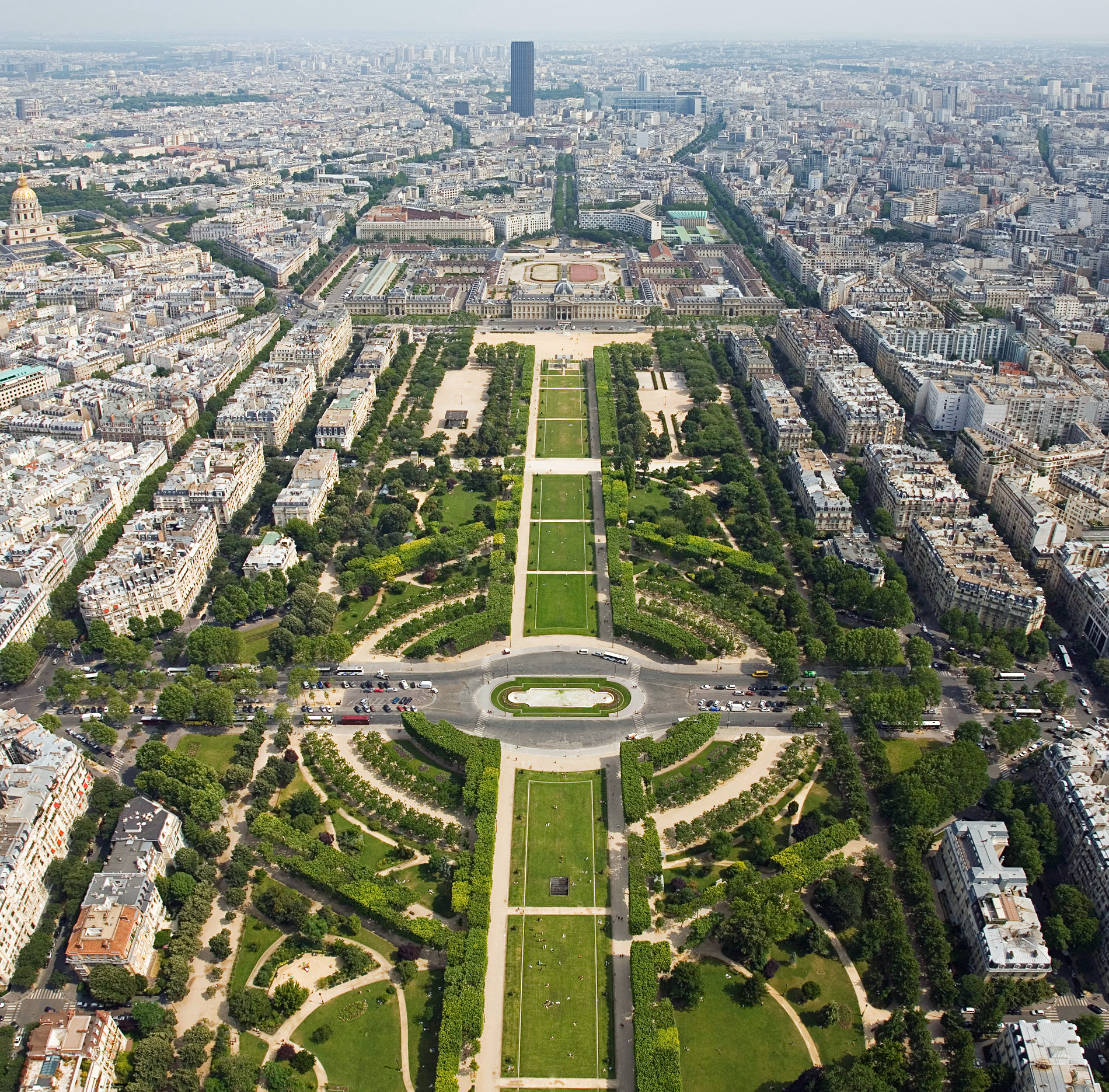
Getting in from the airport
- Charles de Gaulle (CDG) — 25 km northeast. The RER B runs to Gare du Nord and Châtelet in 35 to 50 minutes for around EUR 11.80. The Roissybus goes to Opéra in about an hour. A taxi is a fixed fare — roughly EUR 56 to the Right Bank and EUR 65 to the Left Bank — which is regulated and non-negotiable.
- Orly (ORY) — 18 km south, now on metro line 14, which reaches the centre in about 25 minutes and has transformed the journey. Fixed taxi fares apply here too.
- Beauvais (BVA) — 85 km north, used by some low-cost carriers, and reachable only by a shuttle bus that takes 75 minutes. Budget for it when comparing fares.
The RER B is efficient and also the least pleasant part of many Paris trips — crowded, and with a real pickpocketing problem on the airport route. For late arrivals or anyone with luggage and children, a pre-booked transfer at a fixed price is the calmer option. We cover the detail in our Charles de Gaulle transfer guide and for the other airport in Orly airport transfers.
The museums, and how to not waste them
Paris has around 130 museums. Three of them absorb most visitors, and the way you use them matters more than which you choose.
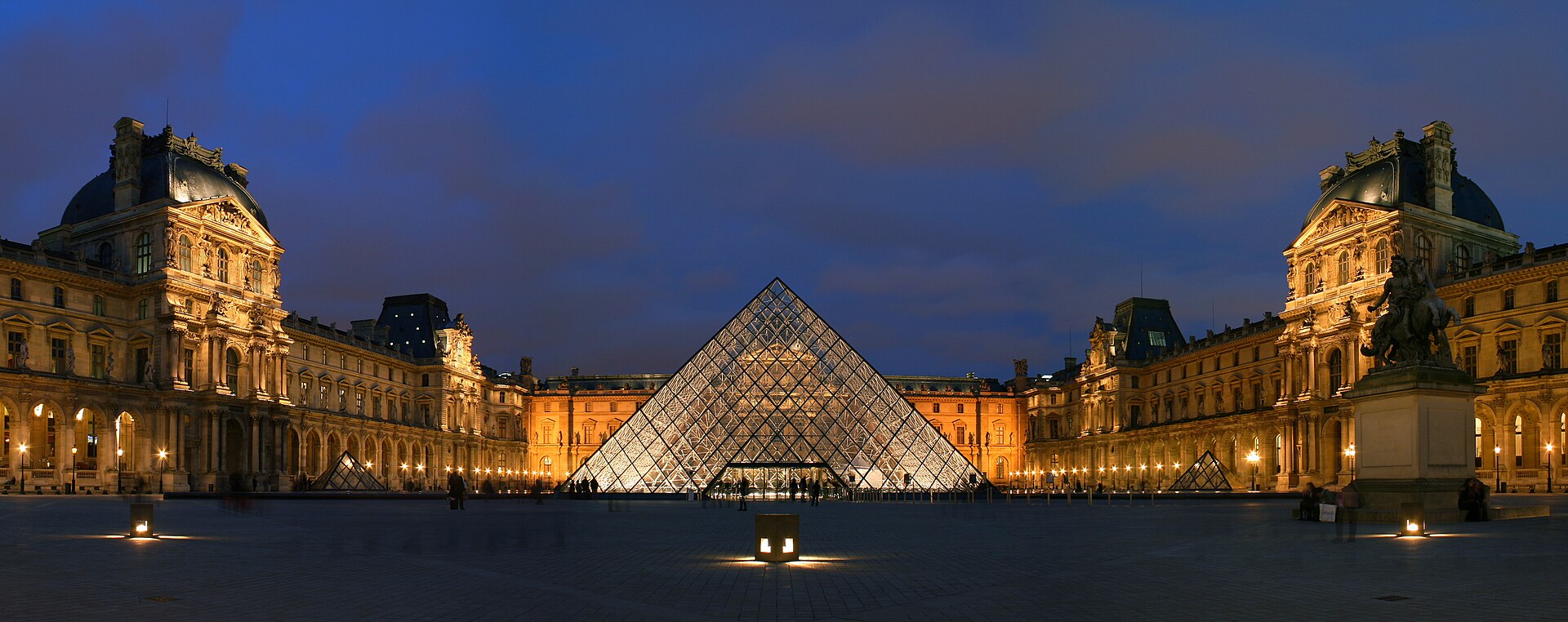
- The Louvre — around EUR 22. The largest art museum in the world, 35,000 works on display, and utterly impossible to “do”. Pick two wings and accept the rest. The Mona Lisa is a small, dark, crowded disappointment for most people; the Egyptian antiquities, the Napoleon III apartments and the Islamic art wing are what people actually remember. Timed entry, book ahead, and go Wednesday or Friday evening when it stays open late and empties out.
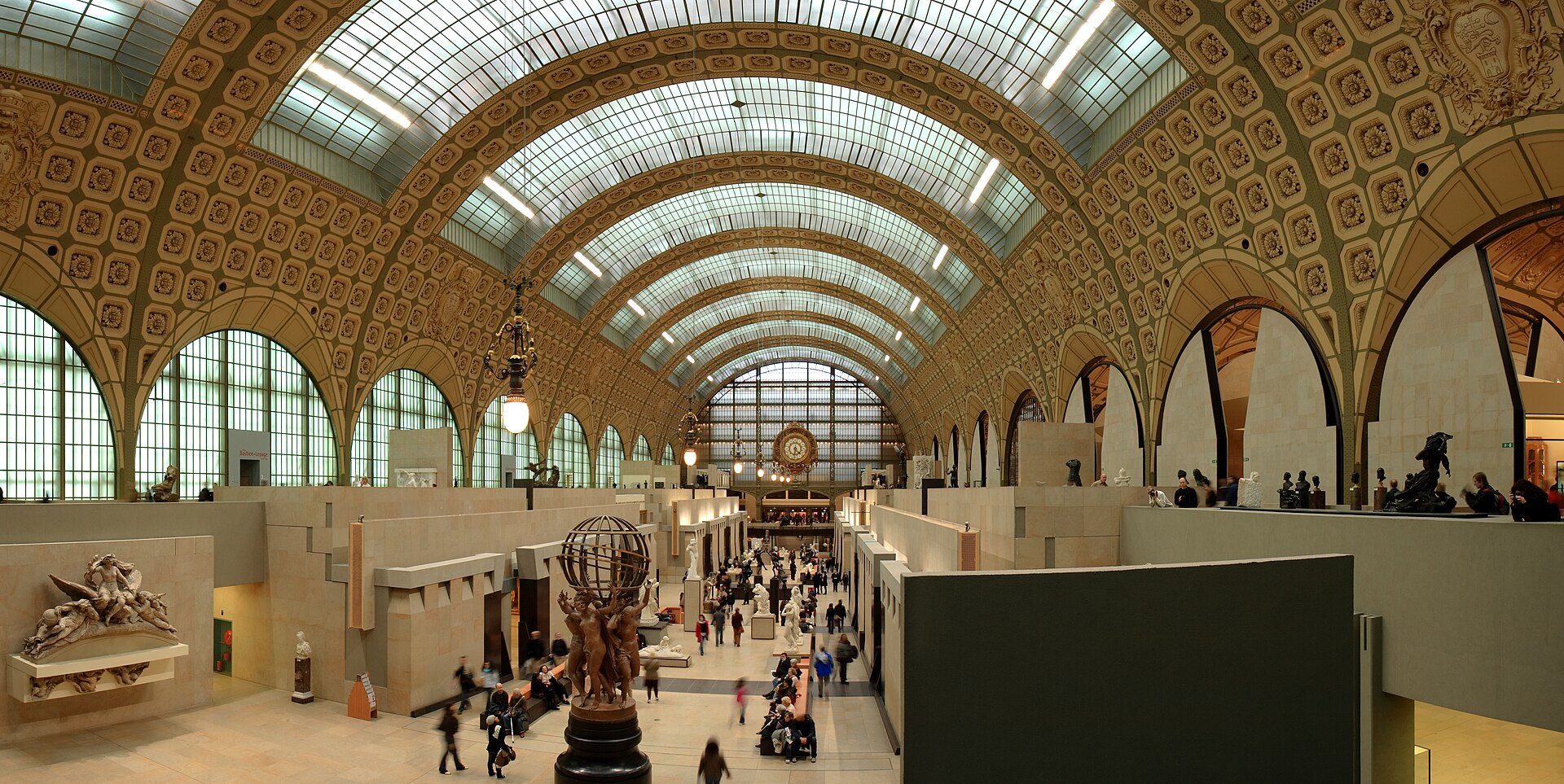
- Musée d’Orsay — around EUR 16. A converted Beaux-Arts railway station holding the world’s great Impressionist collection. Smaller, more manageable and better loved than the Louvre. If you only do one, many people would tell you to do this one.
- Centre Pompidou — modern art in an inside-out building. Check current status before planning, as the building has been undergoing a major multi-year renovation.
- Musée de l’Orangerie — two oval rooms holding Monet’s water lilies, and about forty minutes total. One of the most affecting spaces in the city.
- Musée Rodin — sculpture in a garden, and one of the most pleasant hours in Paris.
Here is what is currently bookable in Paris and roughly what it costs:
The monuments
- The Eiffel Tower — around EUR 29 to the summit by lift, less to the second floor, and cheapest of all if you climb the stairs. Book weeks ahead. The unpopular truth is that the best view of Paris is one that includes the tower, which means the Tour Montparnasse or the Arc de Triomphe.
- Arc de Triomphe — around EUR 16 for the rooftop, and a better panorama than most people expect. Reached by an underpass, not by crossing twelve lanes of traffic.
- Notre-Dame — reopened after the 2019 fire. Entry to the cathedral is free; timed reservations are strongly advised given demand.
- Sainte-Chapelle — around EUR 13, and fifteen minutes of the most extraordinary stained glass in Europe. Go on a bright day.
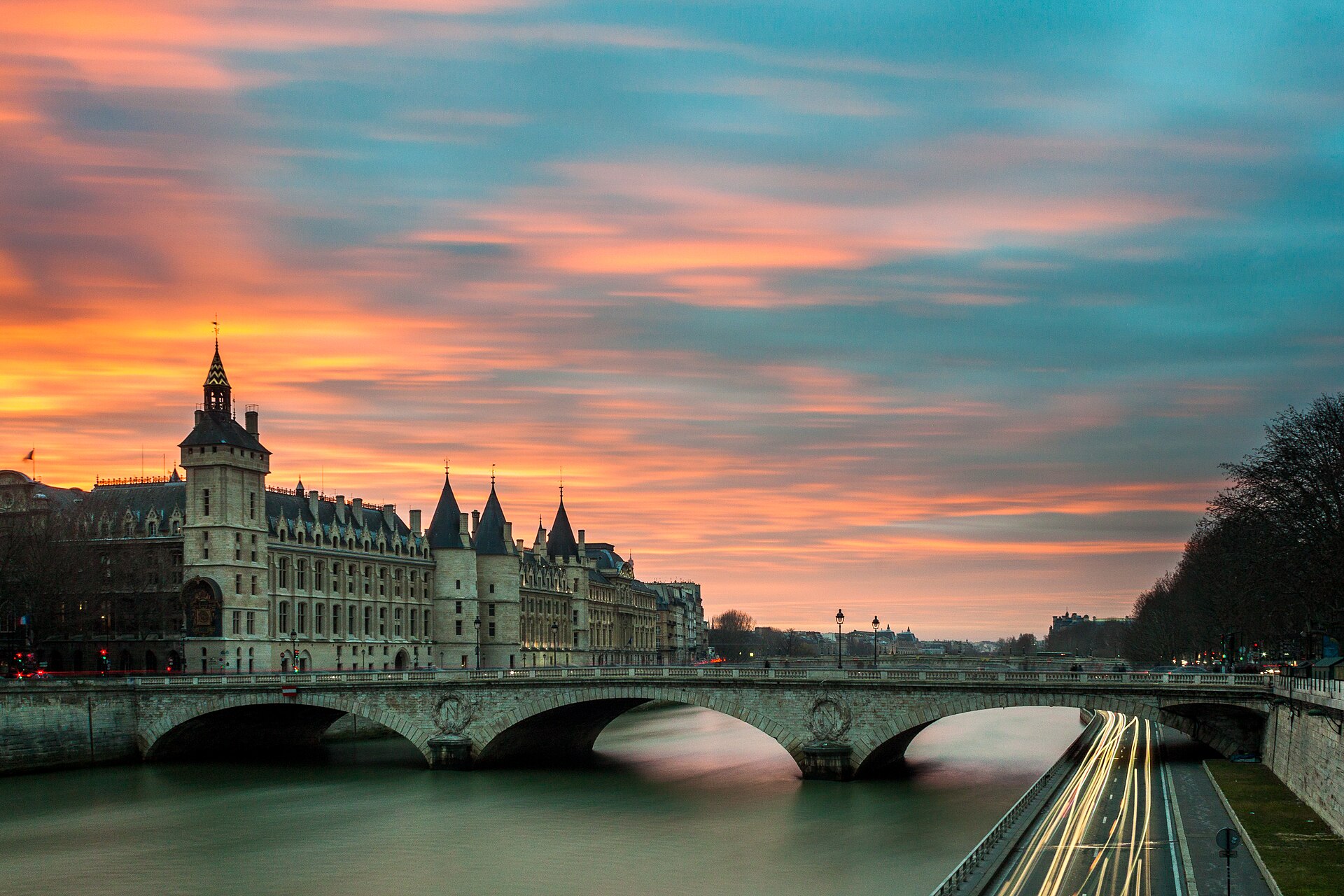
- Panthéon, Conciergerie, Opéra Garnier — all ticketed, all quieter, all worth it.
Arrondissements worth walking
- Le Marais (3rd and 4th) — medieval streets that escaped Haussmann’s demolitions, the Place des Vosges, the Jewish quarter on rue des Rosiers, and the best independent shopping in the city.
- Saint-Germain and the Latin Quarter (5th and 6th) — bookshops, the Luxembourg Gardens, the Panthéon, and cafés that have been trading on their literary history for a century.
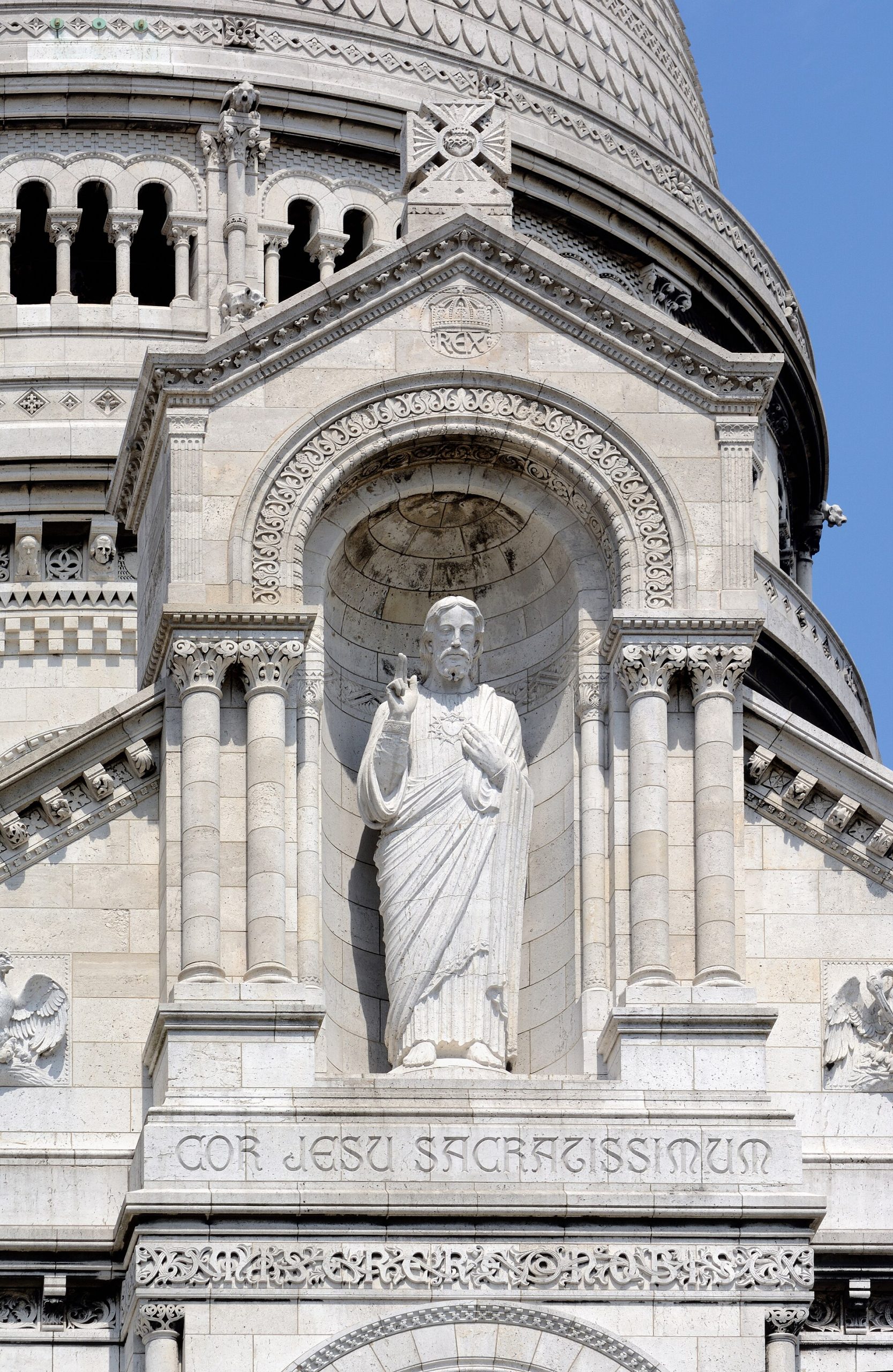
- Montmartre (18th) — the hill, Sacré-Coeur, and a village that was outside Paris until 1860. Go early; by midday the Place du Tertre is a caricature of itself.
- Canal Saint-Martin (10th) — iron footbridges, young Parisians drinking on the quays in summer, and no monuments at all.
- Belleville and Ménilmontant (20th) — the most diverse part of Paris, excellent food, street art, and the Père Lachaise cemetery.
A four-day shape
- Day 1 — the Île de la Cité and the Latin Quarter. Notre-Dame, Sainte-Chapelle, then across to Saint-Germain and the Luxembourg Gardens.
- Day 2 — the Louvre and the Right Bank. Museum in the morning, Tuileries, Place de la Concorde, then the Marais in the afternoon.
- Day 3 — Orsay and the Seventh. Musée d’Orsay, Rodin, Invalides, then the Eiffel Tower at dusk.
- Day 4 — Montmartre and the north. Sacré-Coeur early, then Canal Saint-Martin, then Père Lachaise.
One day only: the Île de la Cité, a walk along the Seine to the Louvre, and Montmartre in the evening. Skip the Eiffel Tower ascent — the queue costs more time than the view returns.
Eating in Paris
The gap between a good and a bad meal in Paris is wider than in most cities, and the bad ones cluster in exactly the places visitors end up.
- Avoid restaurants with laminated multilingual menus and anyone standing outside inviting you in. This filters out most of the tourist-trap belt around the major monuments.
- The formule — a set lunch of two or three courses for roughly EUR 18 to 25 — is the best value eating in the city.
- Bakeries are regulated; a boulangerie that makes its own bread on site can say so. A ham and butter baguette costs a few euros and is a legitimate lunch.
- Markets — the Marché d’Aligre and the Marché des Enfants Rouges are working markets, not attractions.
- Service is included by law. Rounding up is normal; twenty percent is not expected.
Getting around
- The metro is dense — you are rarely more than 500 metres from a station. A single ticket is around EUR 2.50; the Navigo Easy card or a carnet of ten is cheaper.
- Walk. Paris is 105 square kilometres, small for a capital, and the walking is the point.
- The RER is the regional network, faster across long distances and how you reach Versailles and the airports.
- Vélib’ bike share works well and the city has built serious cycle infrastructure in recent years.
- Do not drive. A low-emission zone covers the city, parking is scarce and expensive, and traffic is genuinely bad.
Day trips
- Versailles — 40 minutes on the RER C. Book a timed slot; the palace is the busiest day trip in France. The gardens alone justify the journey.
- Giverny — Monet’s house and garden, about an hour, and best from April to October.
- Chartres — an hour by train, for the cathedral and its glass.
- Reims — 45 minutes by high-speed train into Champagne country.
- Disneyland Paris — 40 minutes on the RER A.
Getting from the airport to your accommodation is the one leg worth arranging before you arrive — compare fixed-price transfers here:
Where to stay
- Le Marais (3rd, 4th) — central, atmospheric, walkable to almost everything.
- Saint-Germain (6th) — elegant and expensive, on the Left Bank.
- Latin Quarter (5th) — better value, young, central.
- South Pigalle and the 9th — good food and nightlife, well connected, cheaper.
- Canal Saint-Martin (10th, 11th) — residential, genuinely Parisian, 15 minutes from the centre.
Paris rates peak around fashion weeks, major trade fairs and the summer. Compare Paris accommodation early, and note that rooms are small by international standards and lifts are often absent in older buildings.
When to go
April to June and September to October are the best windows — mild, long days, and the terraces open. August is quiet in an odd way: many Parisians leave and a proportion of the good restaurants close for the month. Winter is grey but the museums are empty and the prices are low.
Practical notes
- Bonjour matters. Entering a shop or approaching anyone without saying it first reads as rude, and the difference in how you are treated is real.
- Pickpockets work the RER B from the airport, the metro line 1, and the area around the Eiffel Tower and Sacré-Coeur. Nothing violent, just persistent.
- Museum passes. The Paris Museum Pass covers around fifty sites and includes queue priority at many. It pays off from about three museums.
- Free Sundays. Many national museums are free on the first Sunday of the month, which also makes them extremely busy.
- Connectivity. Visiting from outside the EU, a French eSIM costs a few euros and beats roaming.
Related reading
Prices are indicative for 2026. Some links on this page are affiliate links; using them costs you nothing and helps keep this site running.