Boston looks small on paper. The historic core is roughly two square miles, the airport is three miles from downtown, and you can cross the whole tourist zone on foot in an afternoon. Visitors read that as “simple” and then spend three days confused about why the streets refuse to line up.
Here is the thing that makes the map make sense: Boston is two cities welded together. One is a cramped seventeenth-century peninsula that grew by accident. The other is a nineteenth-century grid that was engineered on purpose, on top of a tidal bay that the city filled in with gravel. The Back Bay was an actual bay. Once you know where the seam runs, almost every practical decision on this trip gets easier.
Why Boston looks the way it does
The original settlement sat on the Shawmut peninsula, a hilly lump of about 800 acres joined to the mainland by a neck so narrow that it flooded at high tide. That is why the North End and the streets around Faneuil Hall are a knot: nobody planned them, they were cow paths and property lines that hardened into pavement.
From the 1820s until roughly 1890, Boston solved its land shortage by manufacturing land. Trains hauled gravel from Needham around the clock and dumped it into the tidal flats west of the Common. About one sixth of the modern city sits on made ground, and the original shoreline is now some two miles inland from the water you see today. The Seaport, much of downtown, and all of the Back Bay are fill.
You can read the difference in the street signs. Back Bay cross streets run alphabetically west from the Public Garden: Arlington, Berkeley, Clarendon, Dartmouth, Exeter, Fairfield, Gloucester, Hereford. An alphabet is what a planned district looks like. A tangle is what an unplanned one looks like. The practical takeaway is that “downtown” and “Back Bay” are not one neighbourhood you can loop through casually. They are different cities with different food, different hotel prices, and about a twenty-minute walk between them.
Getting in from Logan
Logan is unusually close to the city it serves, which makes the airport transfer question cheaper in Boston than in almost any other large American city.
- Silver Line SL1 bus — free. It picks up at every terminal and runs to South Station. Not discounted, not a promotion: inbound from the airport it costs nothing, and once you are at South Station you are already on the Red Line.
- Blue Line — $2.40. Free shuttle buses connect the terminals to Airport station every few minutes, then it is a standard subway fare downtown.
- Taxi or rideshare — roughly $30 to $45 plus tunnel tolls, and fifteen minutes at 6am or forty at 5pm.
Going the other way, the SL1 charges the normal fare, but it is free if you transfer to it from the Red Line at South Station. If you are comparing this with other cities, our guides to New York and Chicago cover their far more annoying airport runs.
What you should book ahead, and what it actually costs
Boston is a museum city with a small number of genuinely capacity-limited attractions. Late-2026 gate prices for the ones people ask about: the Museum of Fine Arts is about $30, the Isabella Stewart Gardner Museum about $20, the New England Aquarium about $35, and a Fenway Park tour about $25.
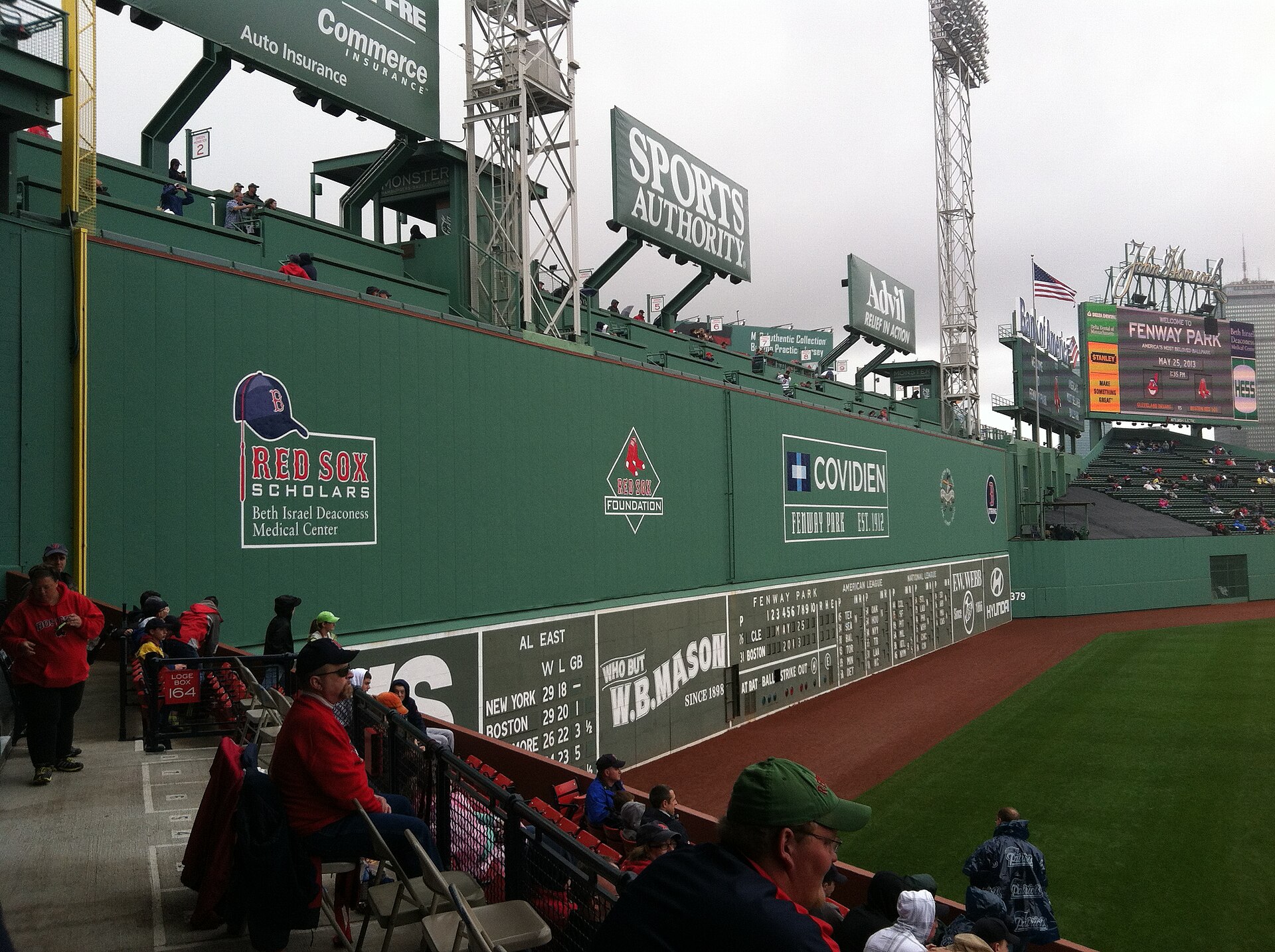
Book ahead for Fenway tours, which stop entirely for several hours before a home game and sell out on match days; for Gardner Museum timed entry; and for whale watching in July and August. Do not book ahead for the Freedom Trail, which is a line of red brick set into the pavement and costs nothing to follow.
The CityPASS question, answered honestly. Boston CityPASS runs about $84 for adults and $72 for children, lets you pick four attractions from a short list, and stays valid for nine consecutive days from first use. It is a good deal in exactly one situation: you are doing four paid attractions, and the four you want are on the list. Aquarium plus Museum of Science plus View Boston plus a harbour cruise would cost roughly $120 to $140 at the gate, so the pass clearly wins. But if your Boston is the MFA, the Gardner and the Freedom Trail, the pass is worth nothing to you, because neither of those museums is included. Read the list before you read the discount percentage.
What is free, and not worse for it
Boston has an unusually strong free tier, partly because so much of the historic material is federal property.
- The Freedom Trail. Two and a half miles, sixteen official sites, marked in brick, self-guided, free. Paid costumed tours exist and are perfectly good; the National Park Service also runs free ranger-led walks on part of the route.
- USS Constitution. Free to board. It is a commissioned US Navy vessel, so adults need government photo ID and you go through a security check.
- Bunker Hill Monument. Free, and 294 steps to a view that is better than several paid observation decks in this city.
- Boston Public Library, Copley Square. Walk into Bates Hall in the McKim building and then tell me it is not worth an hour. Free architecture tours run daily.
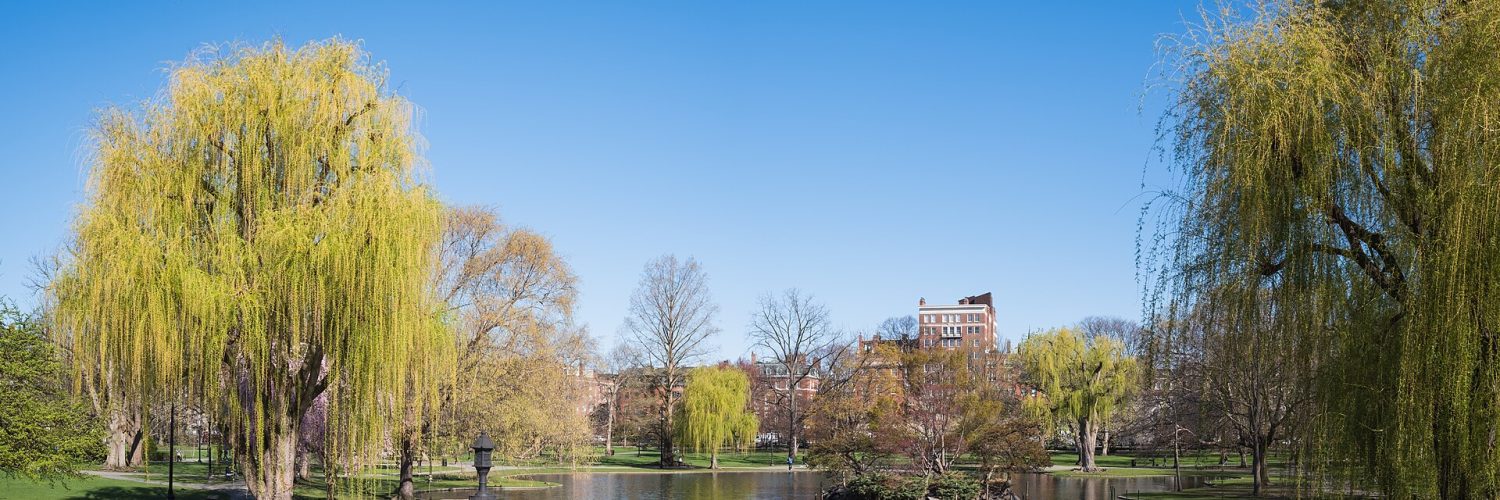
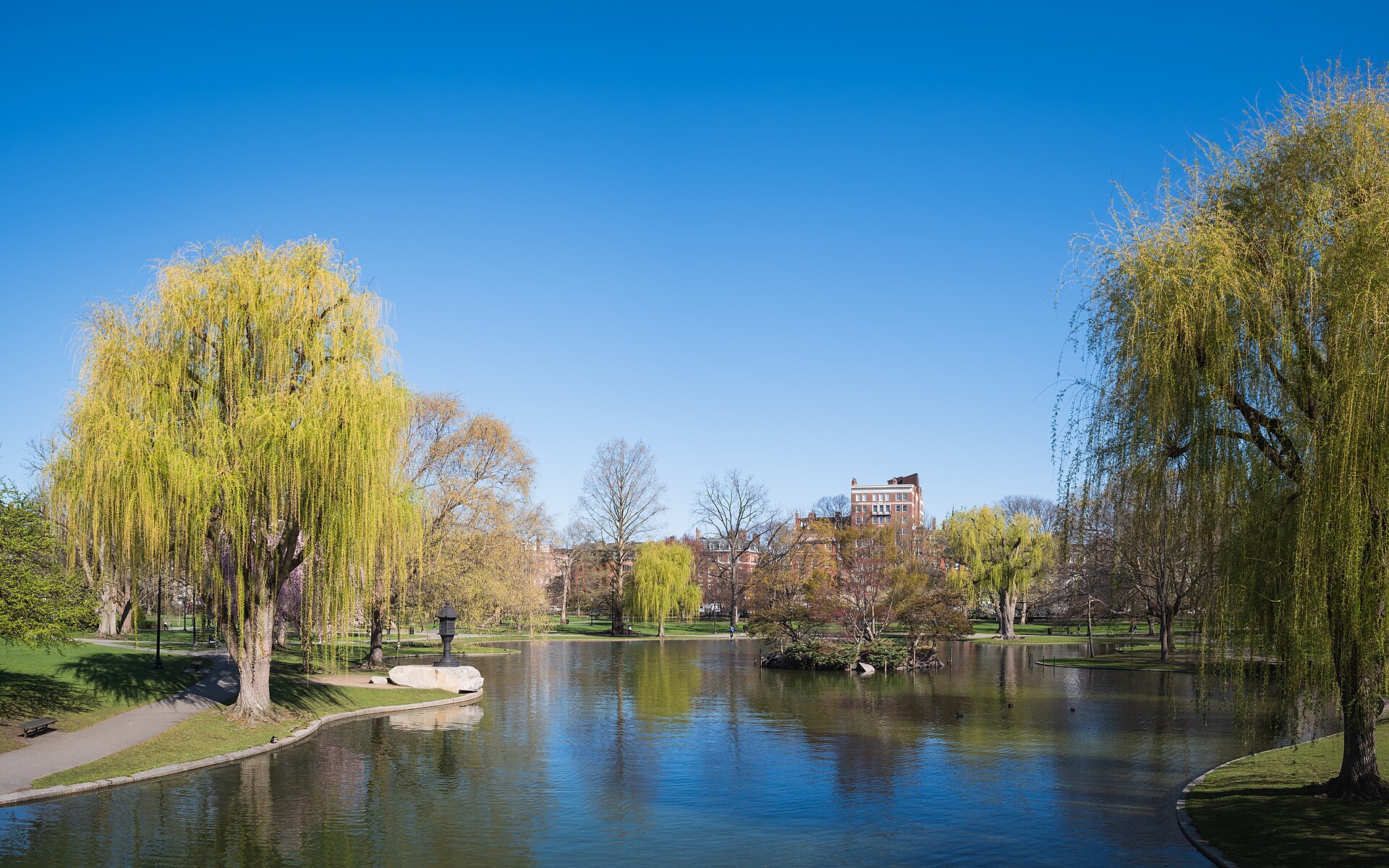
- Boston Common and the Public Garden. The Common dates to 1634 and is the oldest public park in the country. The swan boats in the Garden are seasonal and cost a few dollars.
- Harvard Yard and the MIT campus in Cambridge. You can simply walk in.
One genuinely moving free-adjacent stop: the Gardner Museum still hangs the empty frames from the March 1990 theft, when two men in police uniforms talked their way in and spent 81 minutes removing thirteen works. The frames have hung empty since 1994 and the museum still advertises a $10 million reward. It is the strangest room in Boston.
The neighbourhoods, and what each one is for
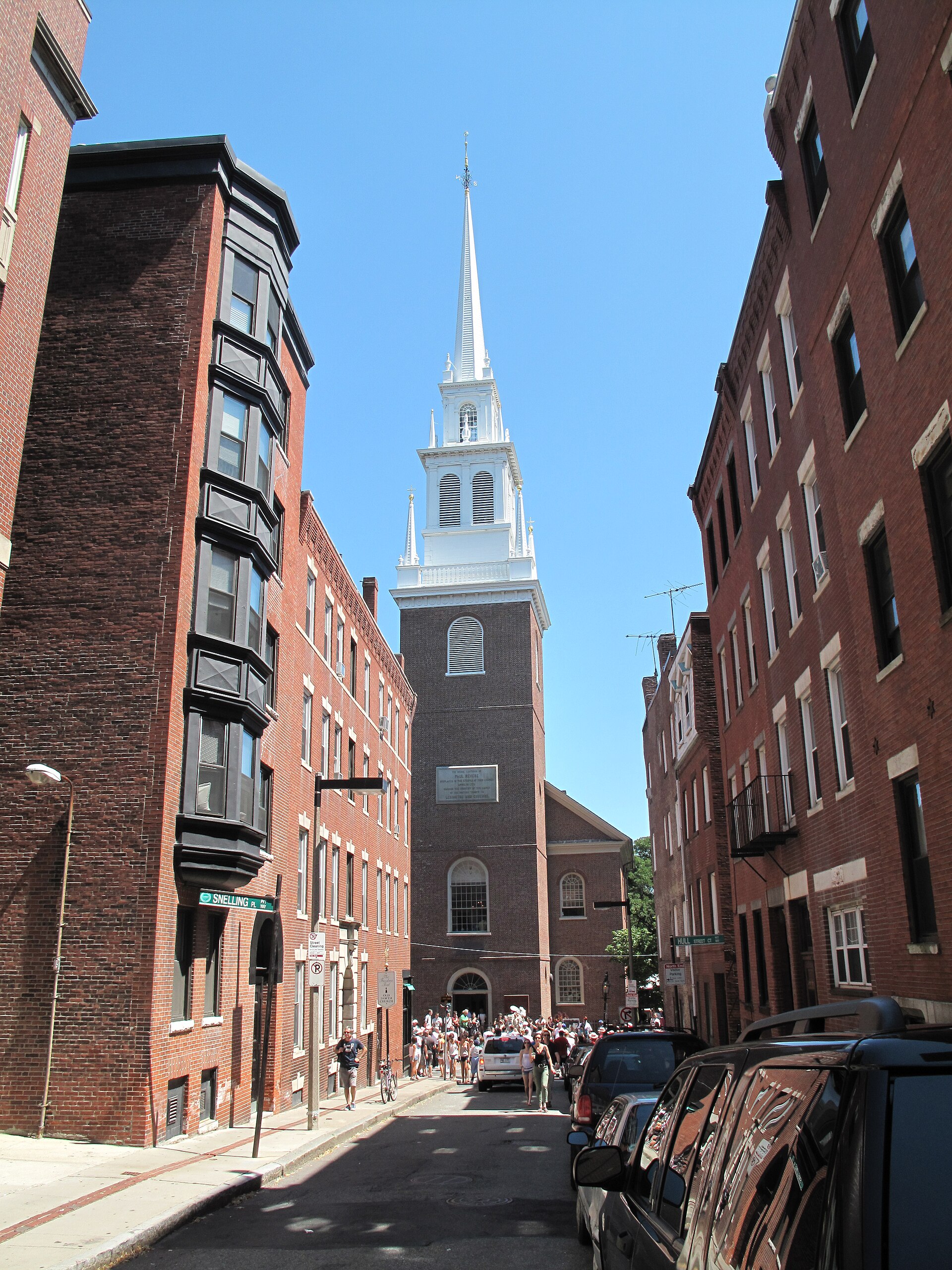
- North End — dinner, and the oldest street pattern in the city. Old North Church and the Paul Revere House are here.
- Downtown and the Financial District — the first half of the Freedom Trail, Faneuil Hall, and almost nothing after 8pm.
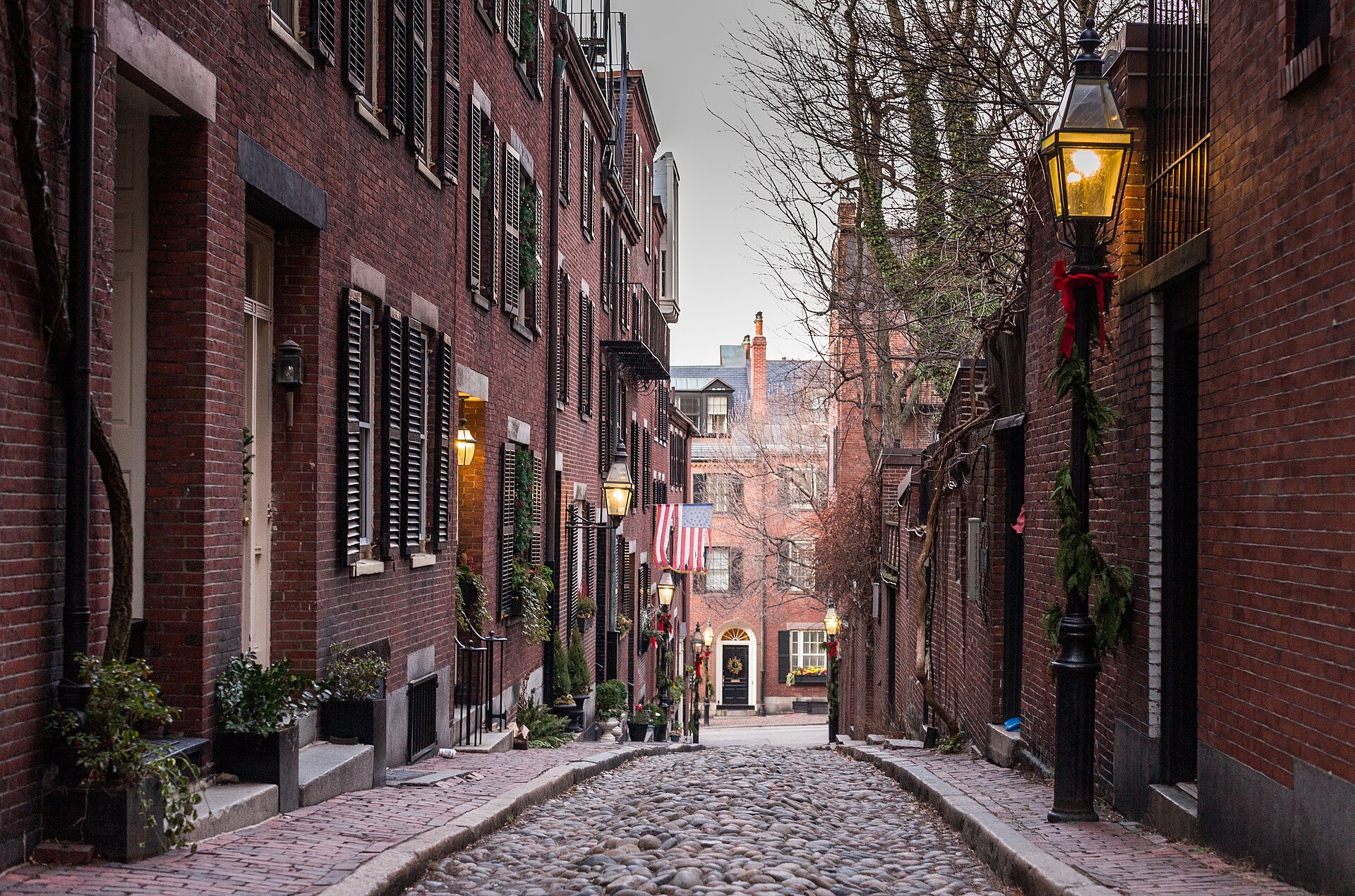
- Beacon Hill — one hour, in daylight, for the gas lamps and Acorn Street. It is a residential neighbourhood, not an attraction; people live behind those doors.
- Back Bay — brownstones, Newbury Street, Copley Square, and the best base for a first visit.
- Fenway and Longwood — the MFA and the Gardner are a five-minute walk apart, with the ballpark just north.
- Seaport — glass, waterfront restaurants, and the newest fill in the city. Weak subway access.
- Cambridge — across the river. Harvard Square, MIT, bookshops, cheaper hotels.
- Charlestown — USS Constitution and Bunker Hill, reachable on foot or by a short harbour ferry.
- Jamaica Plain and Somerville — where people actually live and where a lot of the better new restaurants opened.
A three-day route that respects the seam
Day one, downtown and the North End. Start on Boston Common, follow the Freedom Trail to Faneuil Hall, eat lunch in the North End, see Old North Church, then walk across to Charlestown for USS Constitution and the Bunker Hill Monument. Come back for dinner in the North End and book it in advance.
Day two, museums and the ballpark. MFA in the morning, Gardner after lunch, a Fenway Park tour late afternoon if there is no home game. This is a single small district and you barely move all day.
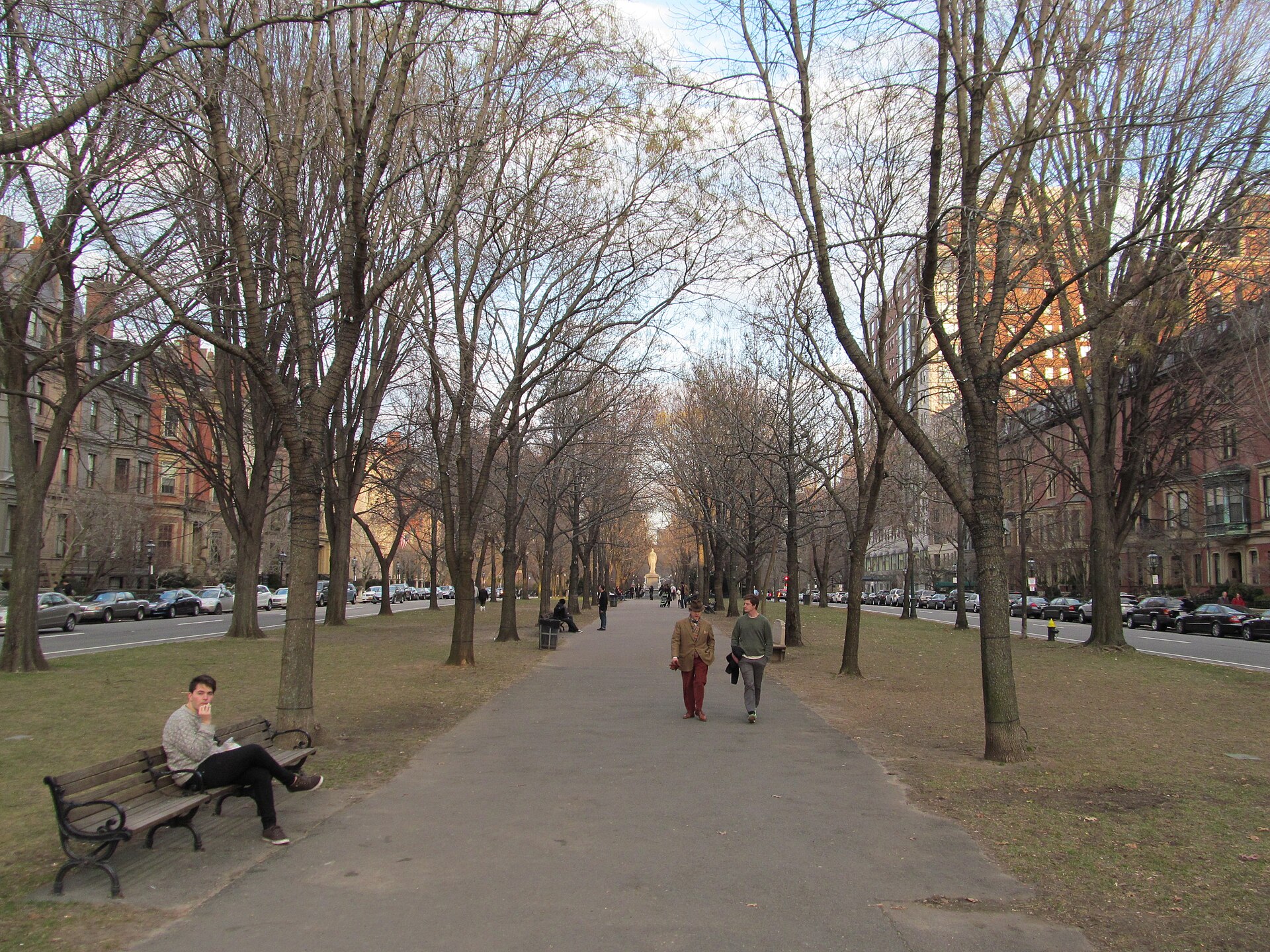
Day three, Back Bay and Cambridge. Public Garden, the Commonwealth Avenue Mall, the Boston Public Library, then the Red Line to Harvard Square and a walk back along the Charles.
If you have a fourth day, Salem is thirty minutes on the commuter rail and runs a seasonal ferry, Concord and Lexington are an easy train ride, and Cape Ann is the one that genuinely wants a car.
Eating, without the tourist tax
The North End is Italian-American, touristy, and still good. Expect a wait, expect a small room, and expect the queue outside the famous bakeries to be longer than the pastry justifies.
On seafood: the honest local version is a fried clam plate or a lobster roll from a counter, not a sixty-dollar dining room. Order whole-belly clams rather than strips if you want to know what the fuss is about. Chowder is rich and fine and one cup is plenty. Dunkin’ really is the regional coffee default, and pretending otherwise will not help you at 7am.
Cambridge and Somerville hold most of the interesting newer kitchens. And note that Boston closes early: most bars stop serving around 1am and kitchens shut well before that. This is not a late city.
Getting around, and the fare change that just landed
The MBTA, universally called the T, charges about $2.40 for the subway with a CharlieCard and $1.70 for a local bus. The part worth knowing on a 2026 trip: as of 1 September 2026 the MBTA is running a fare pilot in which you get unlimited transfers inside a two-hour window and pay only for the highest-priced service you used in that window, with express buses temporarily priced the same as local buses. In practice a bus, then the subway, then another bus now costs $2.40 in total instead of stacking up.
Four coloured lines cover the core. The Green Line is a streetcar that runs in the street above ground and is slower than it looks on the map; downtown distances are short enough that walking often wins outright. Last trains run around 12:30am and there is no night subway.
Do not drive in the core. Garages run roughly $40 to $55 a day, most street parking is resident-permit only, and the street layout was designed by cows.
Where to stay
Back Bay is the right answer for a first visit: it is walkable to the Common, the Public Garden, Newbury Street and Copley, and sits on both the Green and Orange lines. Downtown and the Waterfront put you on the Freedom Trail but empty out at night. Cambridge is usually cheaper and is ten minutes from downtown on the Red Line. Seaport has the newest hotels and the worst subway access of the lot. Airport hotels are worth it only for a genuine 5am departure, because they are a shuttle ride away from everything else.
Day trips, and whether you need a car
Most of the famous day trips do not need one. Salem, Concord, Lexington, Providence and Portsmouth are all reachable by train or bus. A car earns its keep only for the coast: Cape Ann and Rockport, the North Shore beaches, or Cape Cod, where the public transport thins out fast.
If you do rent, pick the car up on the day you leave the city rather than paying garage rates to keep it parked. That single change usually saves more than the rental difference between suppliers.
When to go
- September and October are the best weeks of the year here: warm days, low humidity, foliage inland from mid-October. They are also the busiest and priciest.
- April to June is pleasant but April is unreliable and can be cold and wet. Marathon Monday, the third Monday in April, fills every hotel in the city.
- July and August are humid and expensive, and the harbour breeze is not as much help as you hope.
- January to March is cheap and genuinely cold, and a serious snowstorm can stop the city outright. This is museum season, and the museums are excellent.
- 1 September is the local university move-in day, an annual traffic catastrophe of double-parked trucks and abandoned mattresses. Do not arrive that day.
Practical notes, including the annoying parts
- Boston hotel rates are among the highest in the United States. Budget accordingly, or sleep in Cambridge.
- Tip 18 to 20 per cent in restaurants.
- The sidewalks are brick, uneven, and frequently heaved by tree roots. Wear real shoes. If you use a wheelchair or a stroller, plan routes deliberately, because the historic districts are the worst of it.
- Jaywalking is close to a local sport and drivers half expect it, which does not make it safe for you.
- A Red Sox home game reshapes the evening: the Green Line fills, and every Fenway-area restaurant loses its tables.
- Crowding is mild by European standards, but the downtown half of the Freedom Trail is unpleasant between 11am and 3pm. Walk it at 8am and you will have it almost to yourself.
What we would skip: the amphibious duck tours at around $50 if you are already walking the trail, and paid observation decks when the Bunker Hill Monument is free and the harbour ferry costs a few dollars for a better angle on the skyline.
Further reading
- Things to do in New York — the other Northeast city where geography, not choice, sets your itinerary.
- Things to do in Chicago
- Things to do in Toronto
- Things to do in San Francisco
- Things to do in San Diego
Read next: Philadelphia’s Two Biggest Attractions Are Free — So Where Does the $69 Go?