
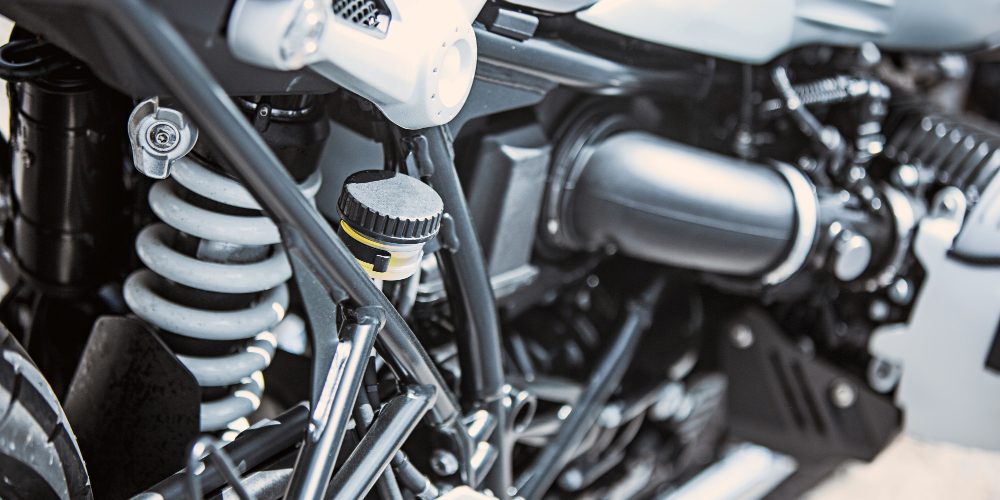
Naples has a reputation for traffic that frightens people out of renting anything with wheels. The reputation is earned. But there is a specific, concrete reason to rent a scooter here rather than a car, and it has nothing to do with atmosphere or Vespa photographs: on the Amalfi Coast road, two wheels are exempt from the plate ban that stops everyone else.
There is also a licence rule that catches out a very large number of visitors, and that most rental shops will happily ignore while handing you the keys. Start there, because it decides whether your insurance is worth anything.
The licence trap: your car licence probably does not cover you
Italy lets its own residents ride a scooter up to 125cc on a full category B car licence. This is widely known, widely repeated in travel articles, and it does not apply to you as a visitor. The concession is domestic. It does not travel across a border with a foreign licence.
So if your home licence has no motorcycle category on it — no A1, A2 or A — you are not licensed to ride a 125 in Italy, regardless of what the rental shop says. And rental shops do say otherwise, because the vehicle is rented to you and the risk lands on you.
Why it matters beyond the theory: if you come off the bike without the correct licence category, your rental insurance is generally void and many travel insurance policies exclude the claim as well. A scraped knee becomes a bill for the bike, for the other party, and for your own hospital treatment. In Italy that last item is not a small number for a non-resident.
What actually works:
- Have an A1, A2 or A category on your licence for anything above 50cc. This is the clean answer.
- A 50cc moped is the fallback if your licence is car-only — but check the specific machine and the specific rule with the rental company in writing, not verbally.
- Non-EU licence holders should carry an International Driving Permit alongside the home licence. It is a translation document, not a licence: it cannot add a motorcycle category you do not already hold.
Where you base yourself in Naples shapes everything else on this list — how early you can start, what you can reach without transport, and how much of the day goes to getting back. Compare the options before you lock in dates.

What it costs
Naples is one of the cheaper places in Western Europe to hire two wheels. A 125cc scooter typically runs in the region of 35 to 60 euro a day, with multi-day rates dropping meaningfully from three days. Larger machines and touring bikes climb from there.
The deposit is the number to plan around. Expect a hold on your credit card, commonly a few hundred euro on a scooter and considerably more on a larger bike, released after the machine comes back undamaged. Many operators also require the credit card to be in the rider name — a partner card will not do — and helmet hire is normally included, with jacket and gloves extra or unavailable.
Prices checked against operator listings in August 2026. Confirm the current rate and deposit before booking.

The Amalfi Coast plate rule, and why scooters win
The SS163 Amalfitana — the coast road from Vietri sul Mare through Amalfi and Praiano to Positano — runs under an alternate-plate ordinance during peak periods. On restricted days, between 10:00 and 18:00, cars whose plate ends in an odd digit are banned on odd calendar dates, and even-ending plates on even dates. In 2026 the announced windows covered the spring holiday bridges: 30 March to 6 April, and 24 April to 2 May. Additional windows for peak summer weekends are announced closer to the dates, so check the Comune di Amalfi notices before you travel.
Motorcycles and scooters are exempt entirely. Not partially, not with paperwork — exempt. That is the reason the coast road fills with two wheels on restricted days, and it is the strongest practical argument for renting a scooter in Naples or Sorrento rather than a car.
Two honest caveats. First, the exemption removes a legal restriction, not the traffic: on a restricted August day the SS163 is still slow, and you will be filtering past stationary tour buses on a cliff road with blind corners. Second, if you are not a confident rider, the ferry from Salerno or Sorrento is genuinely the better day out — around 35 minutes Salerno to Amalfi, around 25 minutes Amalfi to Positano, and no parking problem at the other end.
For the days when the plan is simply to see Naples, these are the experiences worth reserving in advance rather than deciding at the door — the popular ones sell out in high season.
Naples itself: ZTL, parking and the theft question
The historic centre operates ZTL limited-traffic zones, and they apply to scooters as well as cars. Cameras read plates at the entry points and the fine arrives via the rental company with an administration fee attached. Look for the round white sign with a red border and the Varco Attivo display before you commit to a street.
Parking a scooter is the one thing that is genuinely easier than in a car — designated two-wheel bays exist across the city and cost nothing like a car garage. The trade-off is theft. Naples has a real problem with scooter theft, and the rental agreement will make you liable. Use a garage overnight where the hotel offers one, use the disc lock the shop gives you, and do not leave a helmet on the mirror.
On the road, expect a traffic culture where the indicator is advisory and the gap you left will be occupied. Ride defensively, assume you have not been seen, and stay out of the far-left lane on the Tangenziale.

Three rides that justify the rental
The SS163 to Positano
The obvious one, and it earns it. Sixty-odd kilometres of cliff road with the drop on one side and rock on the other. Leave Naples early — before 08:00 if you can — because the difference between the road at 07:30 and the road at 11:00 is the difference between a great ride and a queue with a view. Praiano is the better coffee stop than Positano and has somewhere to leave the bike.

Vesuvius
Up through Ercolano to the car park below the crater, then the last stretch on foot. The ride itself is short but the gradient and the surface are more interesting than the map suggests, and the view back over the bay explains the geography of the entire region in one glance. Book the crater entry slot in advance in high season.
The Sorrento peninsula to Nerano
Cross to the southern side of the peninsula and drop toward Marina del Cantone. Narrower, quieter and far less photographed than the Amalfi side, with a road that keeps asking you to slow down for a reason. This is the ride to do on the day the SS163 is at its worst.
When to ride
April to early June and mid-September to October are the two windows where the weather is right and the coast road is survivable. July and August combine 32-degree heat with the heaviest traffic of the year and the plate restrictions on top — rideable, but you are working for it. Winter is mild by northern European standards and often perfectly pleasant, with the caveat of short daylight and wet surfaces on the coast road.
One date to avoid if you can: Ferragosto, 15 August. Half of Italy is on the coast and the other half is trying to get there.
The arrival leg is the one most people leave to chance. A pre-booked transfer from the airport into Naples costs little more than a metered taxi and removes the negotiation at the kerb after a long flight.
Practical notes
- Helmets are compulsory for all riders and passengers at every age and on every machine, including 50cc.
- Fuel is served, not self-service, at many stations — servito costs more per litre than fai da te. Both are usually available on the same forecourt.
- Autostrada tolls apply if you take the A3 south rather than the coast road. Two wheels pay a reduced class.
- Alcohol limit is 0.5 g/l, and zero for riders in their first three years of licence. Enforcement around the coast in summer is active.
- Photograph the bike from every angle before you leave the shop, including existing scratches on the panels and the state of the tyres. Scooters in Naples live hard lives and previous damage becomes yours by default.
Further reading
Also useful for this trip: renting a motorbike in Bologna if you are riding further north, and our guide to motorcycle rental in Italy for the national rules in one place.




Add comment