
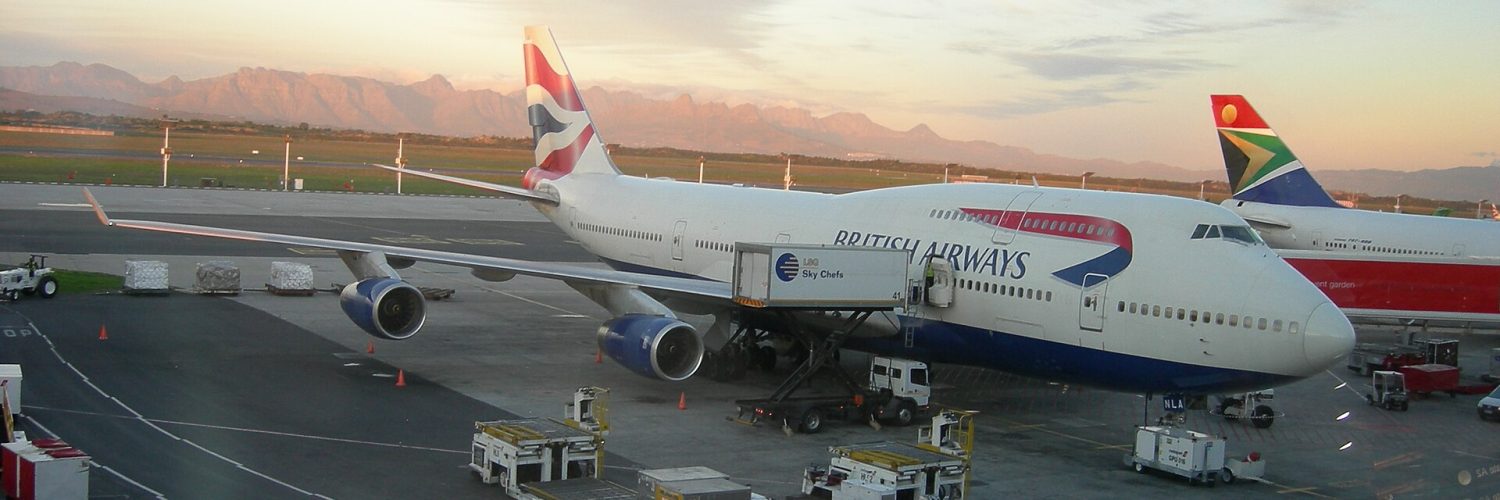
Cape Town International (CPT) sits about 20 km from the City Bowl, and the drive takes 20–30 minutes when the N2 behaves. The transfer itself is simple — what deserves real thought is which option you use, especially if your flight lands after dark. Here are the four realistic choices, ranked.
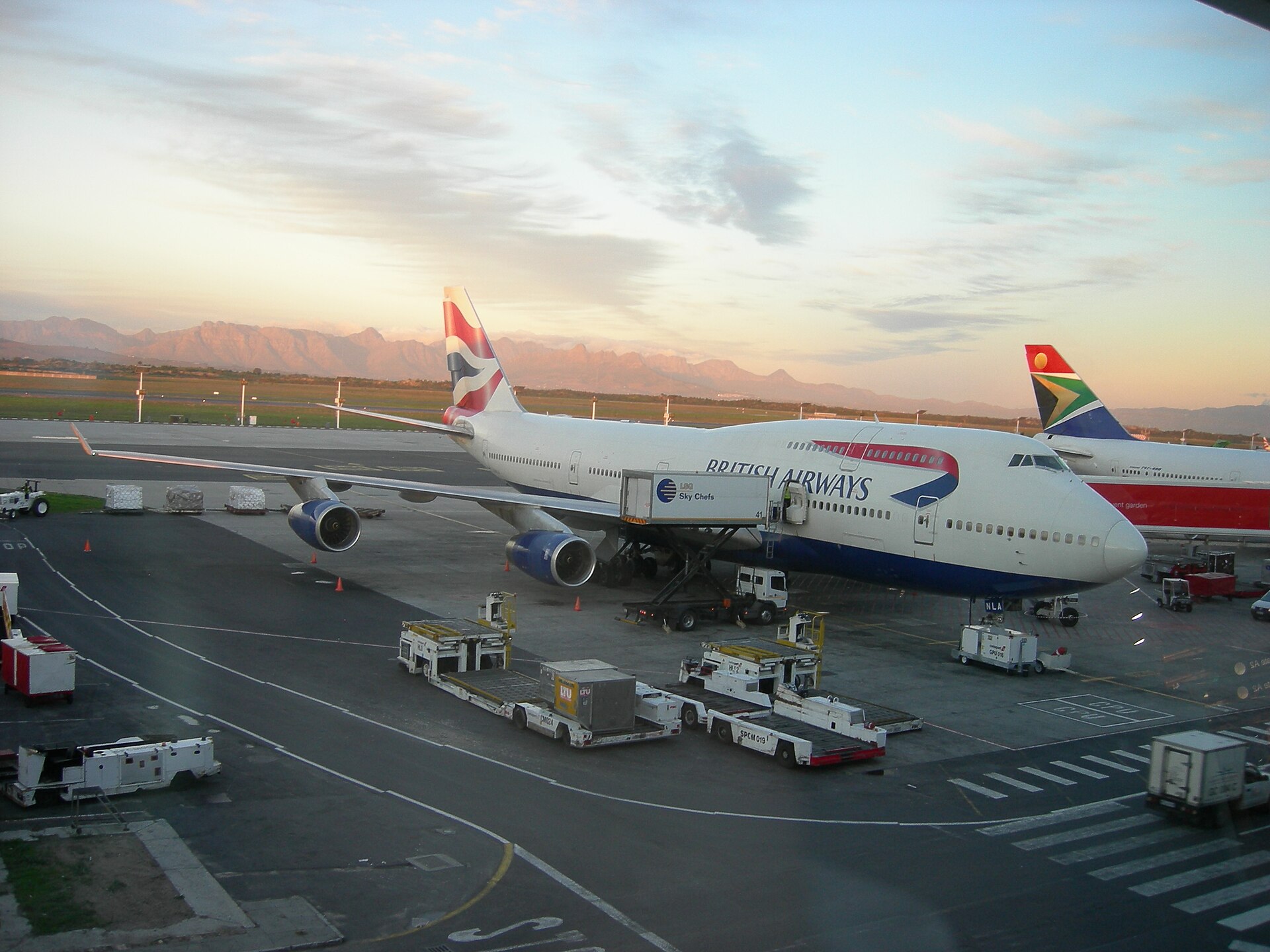
The options at a glance
| Option | Typical cost | Time to CBD | Best for |
|---|---|---|---|
| MyCiTi A01 bus | ~R80 + R35 card | ~30 min | Daytime, light luggage |
| Uber / Bolt | R150–R250 | 20–30 min | Most travellers, daylight |
| Metered taxi (official rank) | R250–R400 | 20–30 min | No phone signal or data |
| Pre-booked transfer | Fixed, agreed ahead | 20–30 min | Night arrivals, families |
| Hire car | Daily rate + fuel | 20–30 min | Peninsula, Winelands, Garden Route |
The airport sits about 20 km east of the city centre on the N2. In free-flowing traffic that is a 20-minute drive; in the weekday afternoon peak it can be 45 minutes or more, so build in a buffer heading back for a departure.
1. Uber or Bolt — Best Value for Most Travelers
Ride-hailing works well at CPT and a trip to the City Bowl, Sea Point or Green Point typically runs R250–R450 depending on time and surge. The apps direct you to a designated pickup zone a short walk from arrivals. Two practical notes: confirm the number plate before getting in, and if your phone has no data on landing, you are stuck — which is why sorting an eSIM before departure matters more here than in most cities.
2. Pre-Booked Private Transfer — Best After Dark
Landing late, traveling with family, or heading beyond the city (Stellenbosch, Hermanus, the Winelands)? A pre-booked driver who tracks your flight and waits in arrivals removes every variable at the exact moment you least want variables. Prices for a sedan to the City Bowl start around R400–R600 — often only marginally above surge-hour Uber. You can compare fixed quotes from vetted local drivers on GetTransfer and lock the price in advance.
3. Metered Taxis — Fine, but Only From the Official Rank
Licensed metered taxis wait at the official rank outside arrivals. They are more expensive than ride-hailing (expect R350–R550 to the center) and quality varies. The firm rule: never accept a lift from anyone who approaches you inside the terminal. Touting is common, unlicensed, and the single most avoidable mistake at this airport.
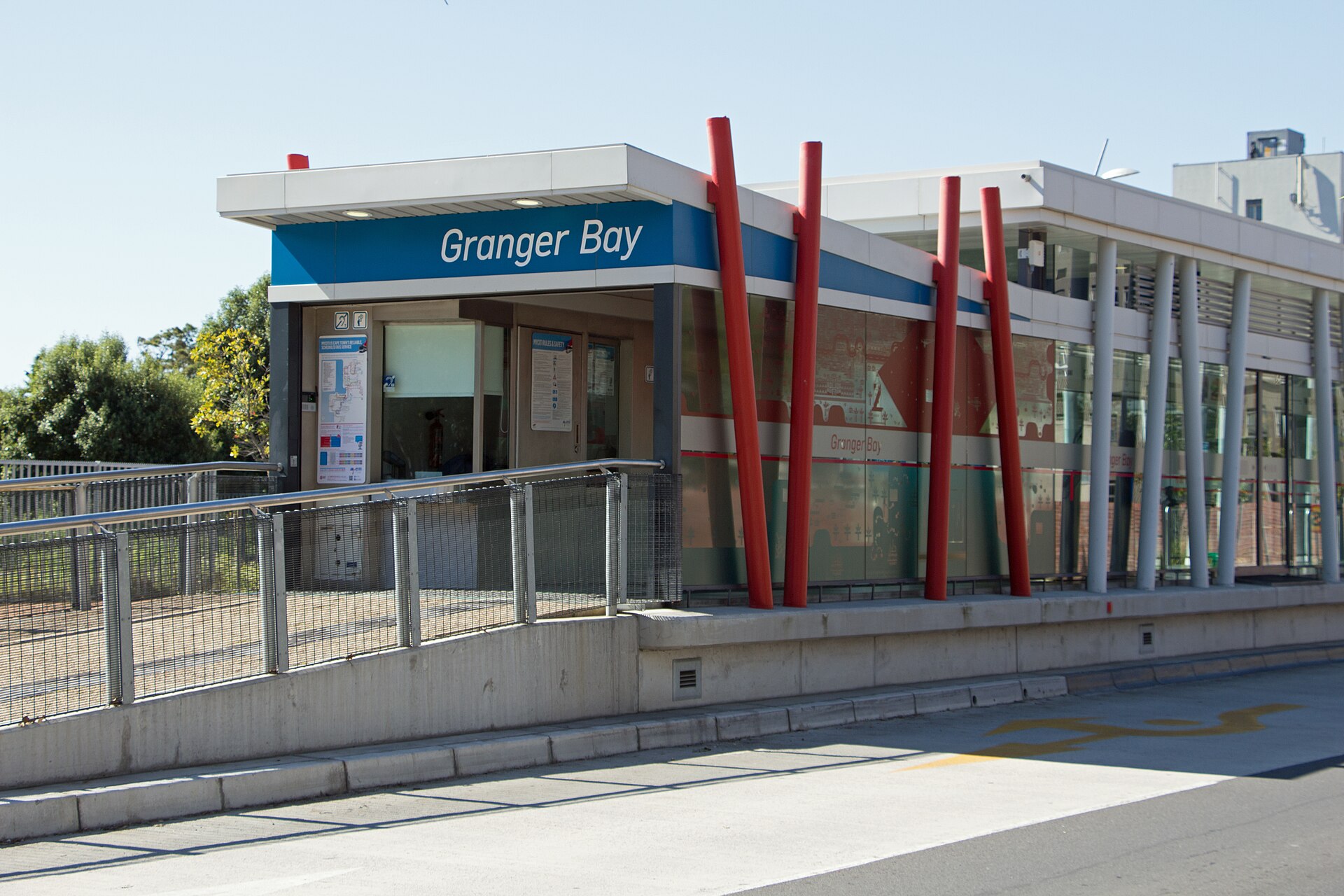
4. The MyCiTi A01 Bus — Cheapest, and Running Again
Updated for 2026: the MyCiTi A01 airport service is operating again, so this is now a real option rather than a rumour. It runs directly between Cape Town International and the Civic Centre station in the CBD, with onward MyCiTi connections to the V&A Waterfront and the Atlantic Seaboard. Allow roughly 30 minutes to the Civic Centre. Buses go about every 20 minutes at peak and closer to hourly off-peak, with first departures around 05:00 and the last around 21:30.
The fare system catches people out: you cannot pay the driver in cash. You need a myconnect card, bought at the airport kiosk for about R35, then loaded with credit — the airport journey itself runs around R80. So your first trip costs roughly R115 all in, and every MyCiTi journey after that is cheap.
Take it if: you land in daylight, travel light, and your accommodation is near the Civic Centre or on a MyCiTi route. Skip it if: you arrive after the last bus, have heavy luggage, or are staying in Camps Bay or the southern suburbs — you will end up in a car anyway. Check current timetables on the official MyCiTi site before relying on it.
Should You Just Rent a Car at the Airport?
If your itinerary includes the Peninsula, Winelands or the Garden Route — and most Cape Town itineraries do — picking up a car on arrival often beats a transfer plus a later rental. CPT’s rental desks are in a single center opposite the terminal, and compact cars are among the cheapest in the world here, frequently under $25/day. Compare the majors and reliable local firms on DiscoverCars. One caveat: if you land exhausted after a long-haul overnight flight, take a transfer and collect the car in town the next morning — jet-lagged left-hand-side driving on unfamiliar highways is a poor first hour in Africa.
Safety, Honestly Stated
Thousands of travelers make this transfer daily without incident, and the precautions are simple: use official channels only, keep valuables out of sight in traffic, have your accommodation address ready, and prefer pre-booked or app-based rides at night. The N2 has stretches where you should not stop for strangers or objects in the road — drivers know this; it is another argument for letting a local do the night drive.

Where you are going changes the answer
“Cape Town” covers a lot of ground, and transfer cost and time vary sharply by destination:
- City Bowl / CBD / Gardens — 20 km, the shortest and cheapest run, and the only one the A01 bus serves directly.
- V&A Waterfront — a little further round the foreshore; reachable on MyCiTi with one connection.
- Sea Point and Green Point — add 10 minutes and a modest amount to any fare.
- Camps Bay and Clifton — over Kloof Nek or round the coast, noticeably more expensive; no practical public transport.
- Constantia and the southern suburbs — a different direction entirely, and often quicker than the CBD run.
- Stellenbosch and the Winelands — 35–45 minutes east. At this point hiring a car usually beats paying for transfers in both directions.
Driving yourself: the N2 and what to know
The drive from CPT to the city is straightforward — essentially one motorway, the N2, most of the way. Two things are worth knowing before you take the wheel.
First, South Africa drives on the left, and most rental fleets are manual; automatics exist but are limited and need booking well ahead. Second, the N2 passes through built-up areas where drivers are advised to keep doors locked, windows up and valuables out of sight, and to avoid stopping on the shoulder. Traffic lights — “robots” locally — are occasionally out of service, in which case treat the junction as a four-way stop.
A car makes a great deal of sense if your trip includes the Cape Peninsula, the Winelands or the Garden Route, because none of those work well on public transport. It makes much less sense if you are staying in the City Bowl for four days, where parking is expensive and e-hailing is cheap.
Arriving after dark
This is the scenario the whole article exists for. Cape Town has plenty of late long-haul arrivals, and the calculus changes once the sun goes down: the A01 bus has stopped, you are tired, and you are navigating an unfamiliar motorway. A pre-booked transfer with a named driver meeting you in arrivals removes every decision from the moment you clear customs. It costs more than an Uber and less than the anxiety is worth on a first visit.
If you do use an app at night, wait inside the terminal until the car is a minute away, check the registration against the app, and use the designated e-hailing pickup rather than the kerb outside arrivals.
Where to stay for an early flight
Cape Town’s long-haul departures cluster in the evening, but regional and domestic flights leave early. If you have a 06:00 departure, staying near the airport rather than in the City Bowl saves a pre-dawn drive, and there is a cluster of hotels a few minutes from the terminal with shuttle services.
When to visit
Cape Town’s peak is December to February — hot, dry, spectacular, and both accommodation and car hire are at their most expensive and most booked out. March to May is the local secret: warm, calm, far fewer people. June to August is the wet, windy winter, when prices fall and Table Mountain spends a lot of time in cloud. September to November brings wildflowers and whales along the coast.
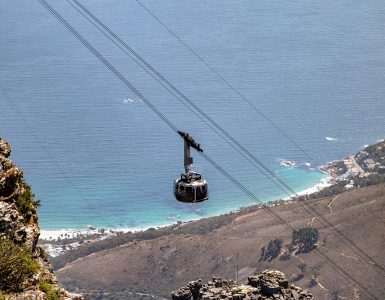
One planning note that catches people out and is worth repeating: the Table Mountain cableway closes in high wind, sometimes for days at a stretch. Never leave it for your last day.
Further reading
- Things to do in Cape Town
- Car rental for the Garden Route
- Flights within South Africa
- Scooter rental in Cape Town
Flying into East Africa instead? See our companion guide: Nairobi Airport to the City: Taxi, Uber, or Pre-Booked Transfer?





Add comment