
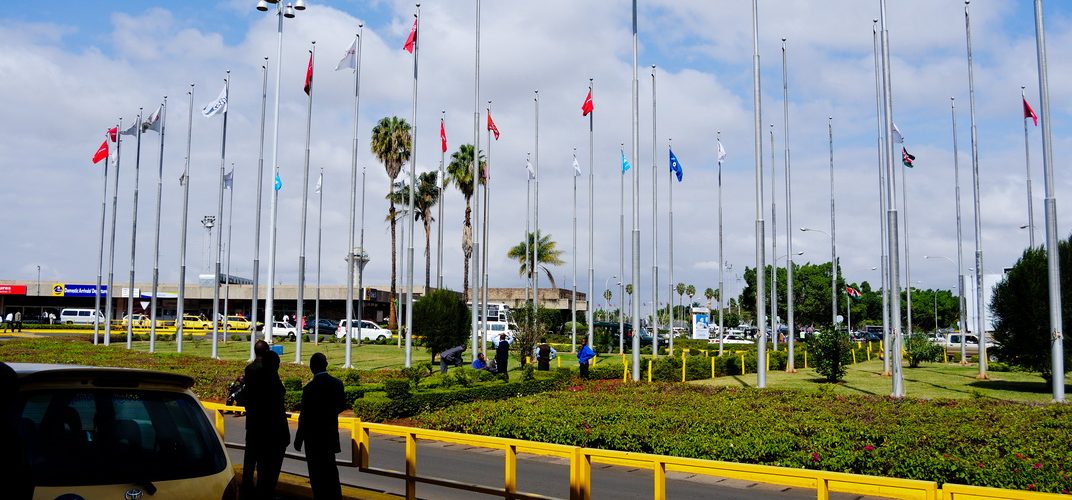
You land at Jomo Kenyatta International Airport (NBO) after a long flight, and the first real decision of your Kenyan trip is waiting right outside the arrivals hall: how do you actually get into Nairobi? The airport sits about 18 km southeast of the city center, and depending on what you choose — and when you land — the trip can take 25 minutes or well over an hour.
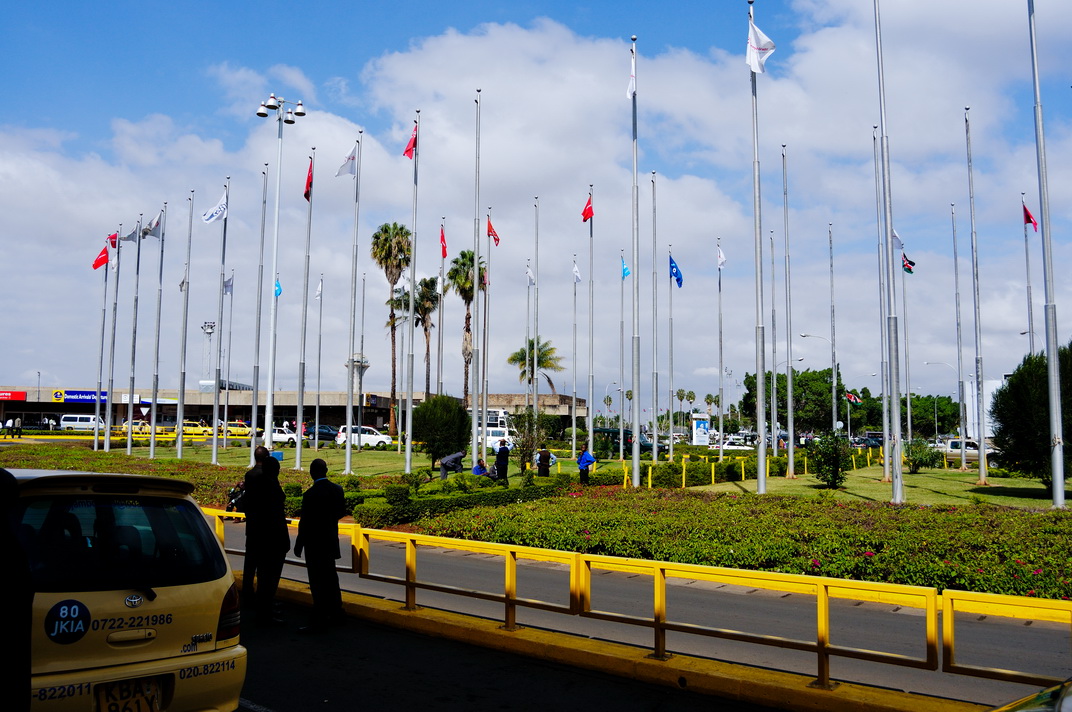
Your Main Options at a Glance
There are four realistic ways to cover the distance: the official airport taxis, ride-hailing apps (Uber and Bolt), a pre-booked private transfer, or your hotel’s shuttle. Public bus route 34 technically exists, but with luggage after an international flight, almost nobody recommends it.
- Airport taxi: roughly KES 2,000–3,500 (about $15–27) to the CBD or Westlands. Agree on the fare before you get in.
- Uber / Bolt: usually the cheapest at around KES 1,000–2,000, but pickup can be confusing at designated zones.
- Pre-booked private transfer: typically $20–35, with a driver holding a sign at arrivals — the stress-free option, especially at night.
- Hotel shuttle: varies; some upscale hotels include it, so ask before booking anything else.
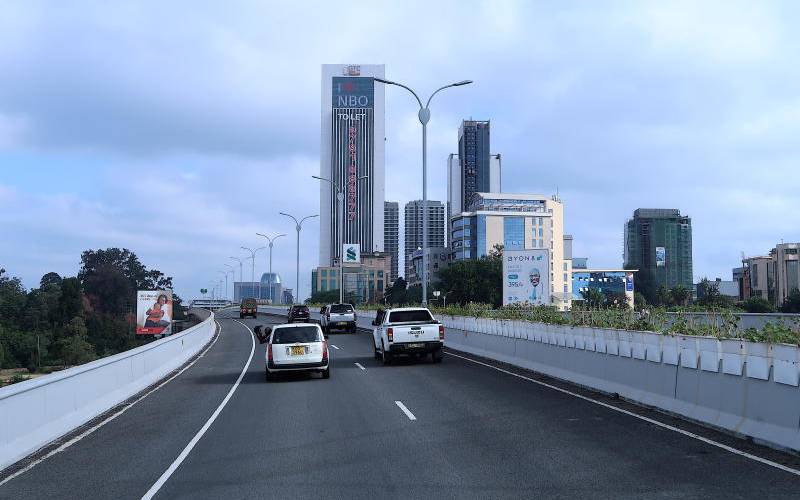
The Nairobi Expressway Changed Everything
The elevated Nairobi Expressway now runs from the airport area toward the city and Westlands, and it turned one of Africa’s most notorious traffic bottlenecks into a fairly predictable ride. Off-peak, you can reach the CBD in 20–30 minutes. During rush hour (roughly 7–9 am and 4:30–7:30 pm), surface roads like Mombasa Road still crawl — make sure your driver takes the expressway; the toll is small and worth every shilling.
Using Uber or Bolt at NBO
Both apps work at the airport, and prices are noticeably lower than the taxi rank. Two caveats: you’ll need mobile data the moment you land (grab an eSIM before your trip so you’re online at arrivals — here’s a data SIM option that works in Kenya), and drivers pick up from specific parking zones, so expect a short walk and a phone call with your driver. At 2 am after a delayed flight, that little dance is less fun than it sounds.
When a Pre-Booked Transfer Makes Sense
If you’re landing late at night, traveling with family, or simply don’t want to negotiate anything after 20 hours of travel, book a transfer in advance. You get a fixed price, a driver tracking your flight, and a name sign at arrivals. You can compare private transfer prices from NBO here — for a group of three or four, the per-person cost often beats two Uber rides.
Practical Tips for Arrival
- Withdraw some Kenyan shillings at the airport ATM, but pay drivers by card or app when possible.
- Nairobi traffic is directional: heading into town in the morning is slow, leaving town is fast — plan your departure day in reverse.
- For the return trip to the airport, leave a buffer of at least 2 hours in the afternoon.
- Staying longer in East Africa? If you plan to explore on two wheels, see our guide to cheap motorbike hire in Nairobi.
What It Looks Like in Practice
FAQ
Is Uber safe from Nairobi airport? Yes, it’s widely used by locals and visitors alike. Standard precautions apply: check the plate number and share your trip status.
How much is a taxi from NBO to Westlands? Expect KES 2,500–3,500 from the taxi rank, or less via app. A pre-booked transfer with meet-and-greet lands around $25–35.
Do I need to tip the driver? Not mandatory, but rounding up or adding KES 100–200 is appreciated.
How long the drive actually takes
Jomo Kenyatta International sits about 18 km south-east of the city centre, and the honest answer to “how long?” is that it depends entirely on whether you are paying for the Expressway and what time you land.
- Nairobi Expressway, off-peak — 20 to 25 minutes to the CBD or Westlands.
- Expressway, peak — 30 to 40 minutes. The elevated road itself flows, but the exits feed into ordinary traffic.
- Mombasa Road, off-peak — 40 to 50 minutes.
- Mombasa Road, weekday peak — 90 minutes to two hours is entirely normal, and worse in heavy rain.
The Expressway is a toll road, and the toll is charged by section. Most drivers will ask whether you want to use it; on a weekday afternoon the answer is almost always yes, and the toll is a small fraction of what the extra hour is worth. Confirm before you set off whether the quoted fare includes the toll or adds it.
Which terminal are you at?
JKIA’s terminals are lettered rather than numbered, and they are spread around the same airside complex. Terminal 1A handles most international long-haul arrivals, 1B and 1C serve regional and other international flights, and Terminal 2 handles low-cost and domestic services. They are within walking distance of each other but not under one roof, so if someone is meeting you, agree the terminal in advance rather than “at arrivals”.
If you are connecting onto a domestic flight to the Maasai Mara, Mombasa or Kisumu, note that some safari flights leave from Wilson Airport, a completely separate airfield on the other side of the city. A transfer between JKIA and Wilson takes 30 to 60 minutes depending on traffic, and missing that connection is one of the most common and most expensive mistakes on a Kenya itinerary. Allow three hours between landing at JKIA and a Wilson departure.
Money, SIM cards and the first hour
- Cash. There are ATMs and exchange desks in the arrivals halls. Withdraw a modest amount of Kenyan shillings for tips and small purchases; almost everything else can be paid by card or M-Pesa.
- M-Pesa. Kenya’s mobile money system is used for practically everything, including many taxi fares. It requires a local SIM and registration, which is straightforward but not instant.
- SIM cards. Available at the airport with passport registration. An eSIM bought before you fly avoids the queue entirely and works the moment you land.
- Visas. Kenya uses an online travel authorisation that must be obtained before departure. There is no visa on arrival to fall back on, and airlines check it at boarding.

Should you hire a car?
For most visitors to Nairobi, no. Traffic is heavy, driving is assertive, parking is difficult, and e-hailing is inexpensive enough that a car sits unused. Nairobi is also a city where a driver who knows the roads genuinely outperforms a map.
Where a hire car does make sense is a self-drive trip beyond the city — the Rift Valley lakes, Amboseli, or a longer loop where you want to set your own pace. For that you want a proper 4×4 rather than a saloon, and you want to pick it up on the morning you leave the city rather than on arrival.
A note on Nairobi National Park
Nairobi is the only capital city in the world with a full big-game national park on its doorstep — the main gate is roughly 20 minutes from the airport. Lions, giraffe, buffalo and black rhino live within sight of the skyline. If you have a long layover, a morning game drive is genuinely feasible before an afternoon flight, and several operators run exactly that trip from JKIA.
Where to stay near the airport
If you land very late or leave very early — and many long-haul and safari connections do both — staying near JKIA rather than in Westlands saves you two trips through Nairobi traffic. There is a cluster of airport hotels within ten minutes of the terminals, most with shuttles.







Add comment