Nairobi is the only capital city on earth with a national park inside its municipal boundary. That is not a marketing line — it is a legal and geographic fact that shapes everything about visiting. Lions hunt within sight of office towers, and the park’s southern boundary is unfenced, so wildlife moves in and out along a migration corridor that the city has been slowly strangling for a century. Understanding that tension is the difference between a good three days here and a wasted one.
Why Nairobi looks the way it does
Nairobi exists because of a railway depot. In 1899 the Uganda Railway reached a swampy patch of Maasai grazing land at the point where the flat plains give way to the climb toward the Rift Valley escarpment. Engineers needed a place to regroup before the ascent, and the settlement they threw up was named after the Maasai phrase Enkare Nyorobi, “place of cool waters.”
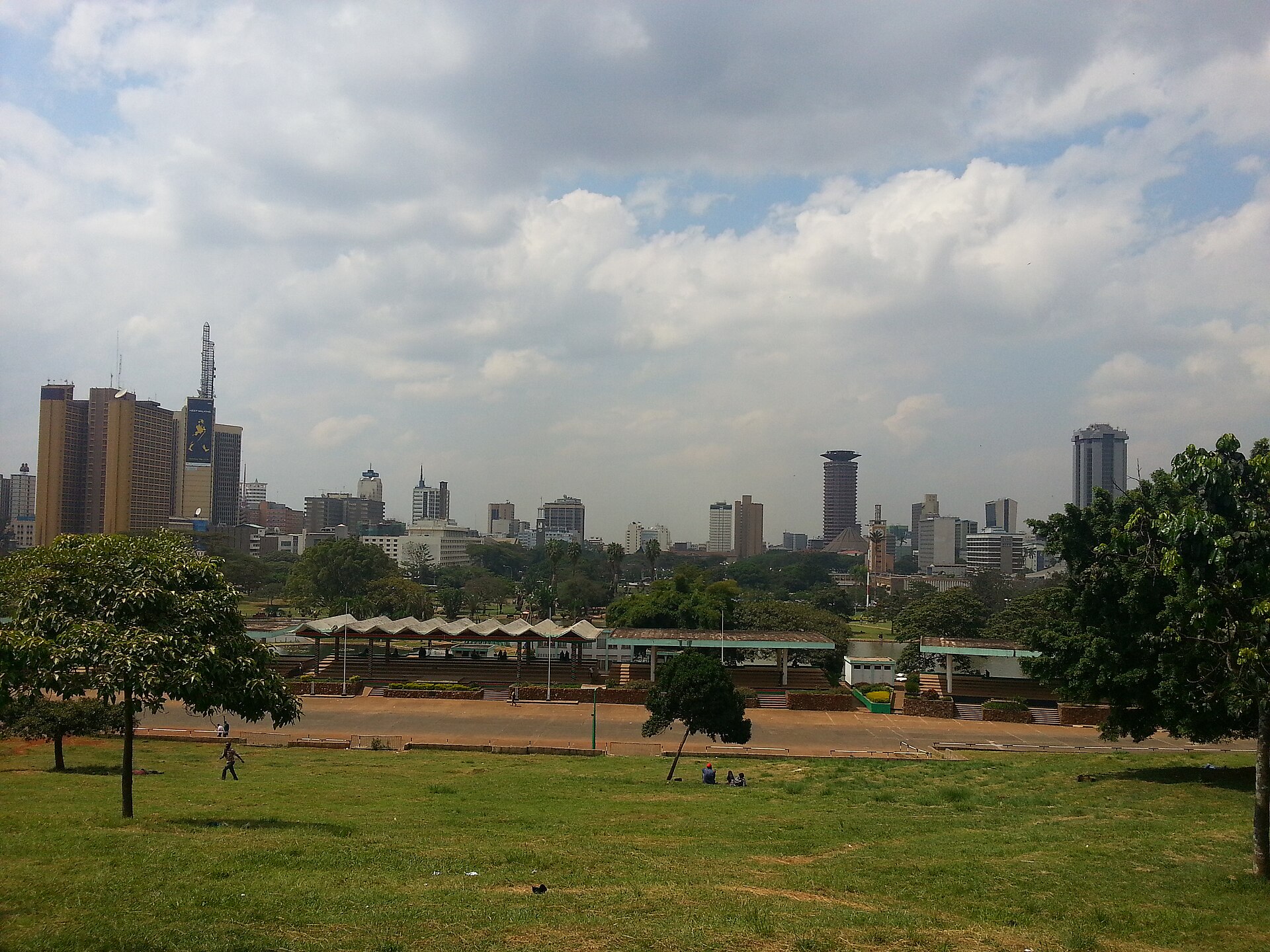
Two consequences follow directly. First, the city grew around a rail line rather than a harbour or a river crossing, so it has no obvious historic core — the centre is a grid of twentieth-century commercial blocks, not an old town. Travellers who arrive looking for the equivalent of Zanzibar’s Stone Town or Marrakech’s medina will be disappointed, because there is not one. Second, the colonial administration reserved the cool, well-drained highlands to the west and north for European settlement and pushed African housing east onto the flatter, hotter ground. That split survives in today’s map: leafy, low-density Karen, Lavington and Gigiri to the west; dense, fast Eastlands to the east. It is why a taxi across town can feel like crossing between two different cities, and why almost every visitor guide quietly confines itself to one half.
Getting in from the airport
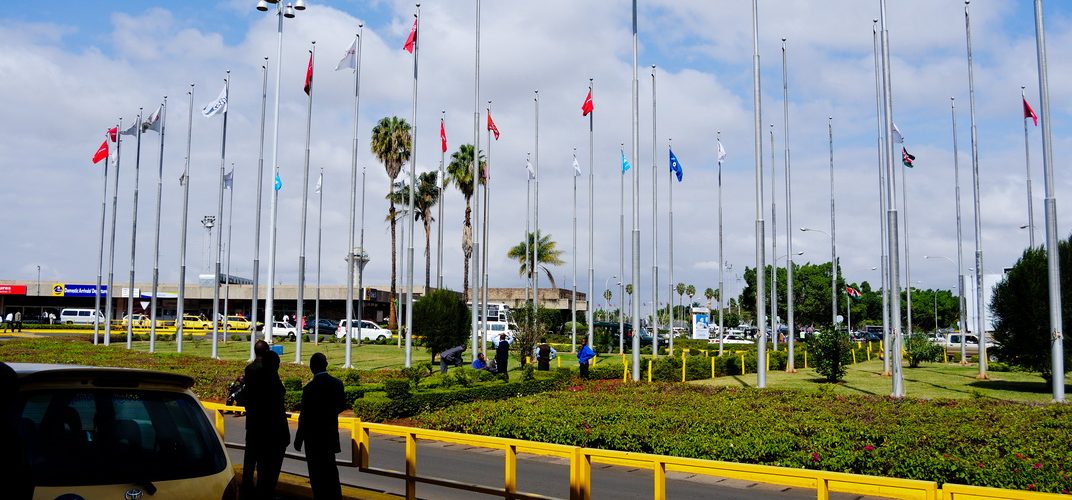
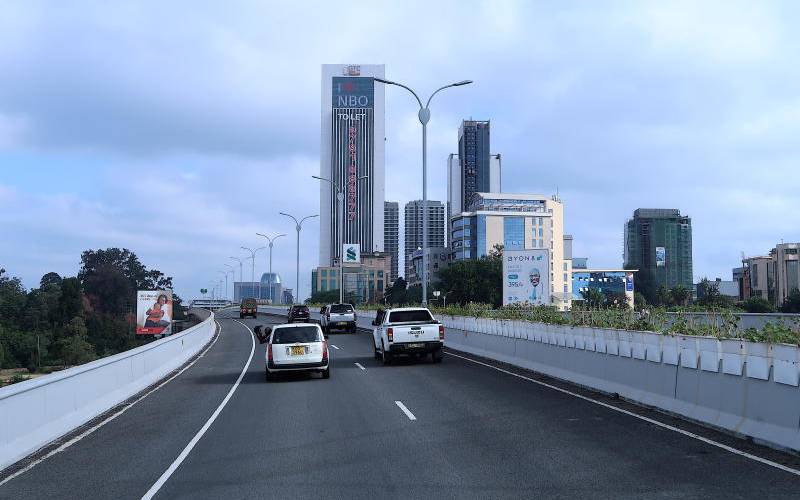
Jomo Kenyatta International (NBO) sits about 18 km southeast of the centre, on the far side of the national park. The road in is Mombasa Road, one of the most congested corridors in East Africa. The Nairobi Expressway, a tolled elevated road opened in 2022, runs above it and cuts a 90-minute crawl to roughly 20 minutes. Any transfer you book should use it; ask, because some drivers avoid the toll to save a few hundred shillings and cost you an hour.
Arriving after dark with luggage, a pre-booked transfer is the sane choice — the arrivals kerb is chaotic and unmetered taxi quotes to first-time visitors are routinely double. We cover the options, current rates and the expressway toll bands in detail in our Nairobi airport transfer guide.
What you must book ahead, and what it costs
Three things in Nairobi sell out or run on fixed one-hour windows, and turning up without a reservation means not getting in.
- Sheldrick Wildlife Trust elephant nursery — open to the public for one hour a day, 11:00 to 12:00, by advance online reservation only. Adults 12 and over pay US$20, children under 12 US$5. Note that the nursery sits inside Nairobi National Park, so if you are not already in the park you pay park entry on top.
- Nairobi National Park — non-resident adults US$80 per day plus a 5% gateway fee, children and students US$40. Payment is cashless through the KWS eCitizen portal; the gate will not take cash from you.
- Giraffe Centre — open 09:00 to 17:00 daily, KSh 1,500 for non-resident adults (roughly US$15), KSh 750 for children. Residents pay KSh 400. Less likely to sell out, but it is 20 minutes from the Sheldrick nursery in Karen and the two are almost always done on the same morning.
Honest note: the Sheldrick hour is genuinely moving and the conservation work is real, but you will share a rope line with two hundred people and a forest of phones. If your trip includes a proper safari afterwards, it is skippable. The Giraffe Centre, by contrast, is small, cheap and interesting for about 45 minutes — no longer.
What is free and no worse
The Nairobi National Museum on Museum Hill charges a modest non-resident fee but the surrounding Nairobi Arboretum is free and is where the city actually relaxes on a Sunday. Karura Forest — 1,000 hectares of indigenous forest inside the city, saved from developers by Wangari Maathai’s campaign in the 1990s — charges only a small entry fee and has waterfalls, caves used by Mau Mau fighters, and 50 km of trails. It is the single best thing to do in Nairobi that costs almost nothing.
The Railway Museum near the station is free-ish, dusty, badly labelled and completely fascinating if you want to understand why the city is here at all. It is also where you will find the carriage from which a lion pulled a superintendent in 1900.
Neighbourhoods and what each one is for
Westlands — restaurants, bars, malls, and most mid-range hotels. Walkable in patches, well connected. This is where most visitors should sleep.
Karen and Langata — Sheldrick, the Giraffe Centre, the Karen Blixen Museum, horse country. Green and quiet, but 45–70 minutes from the centre in traffic. Stay here only if your whole trip is the Karen attractions.
Kilimani and Lavington — residential, lots of apartments and serviced flats, good value, few sights.
CBD — office towers, the matatu terminus, the market. Worth a daytime walk for the energy and for Kenyatta International Convention Centre’s rooftop viewing deck. Not a place to wander after dark.
Gigiri — the UN complex and embassies. Secure, dull, expensive.
A three-day itinerary that works
Day 1. Early game drive in Nairobi National Park (gates open 06:00; the first two hours are the only ones that matter). Back in town by 10:30. Afternoon at the Nairobi National Museum and the Arboretum. Dinner in Westlands.
Day 2. Karen morning — Sheldrick at 11:00, Giraffe Centre after, Karen Blixen Museum if you have read the book. Afternoon in Karura Forest. This is a lot of driving; book a car with a driver for the day rather than three separate rides.
Day 3. CBD walk, Railway Museum, City Market for soapstone and baskets, then either the Kazuri bead workshop or an early departure toward the Rift Valley. If you are heading onward, our Nairobi to Maasai Mara guide covers the road and flight options.
Food and local culture
Nyama choma — grilled goat or beef, eaten with the hands, with kachumbari and ugali — is the social meal. It is not a tourist performance; it is what Nairobi does on a Saturday afternoon. Mutura (a spiced blood sausage) from a street grill is worth trying if your stomach is robust. Kenyan coffee is excellent and, absurdly, harder to find well-made here than in London, because the good beans are exported; the specialty cafes in Westlands and Kilimani have fixed that in the last decade.
Carnivore, the famous meat restaurant, is a set-piece tourist experience with reasonable food at unreasonable prices. It is fine. It is not Nairobi.
Getting around the city
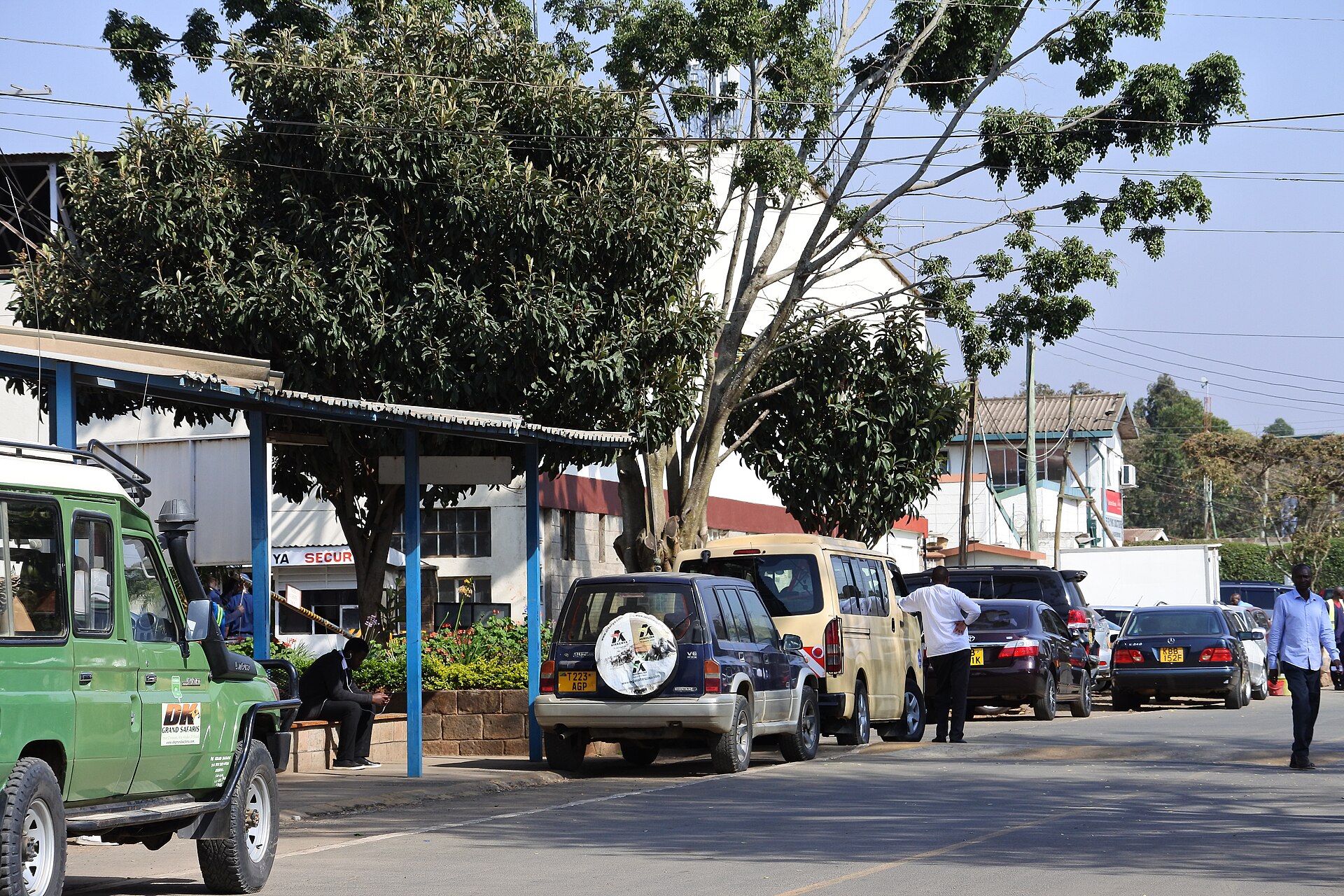
Matatus — privately owned minibuses, loud, decorated, cheap and genuinely useful — run fixed routes for KSh 50–150. They are safe enough in daylight on major routes but there is no map and no timetable; you learn the system by asking. Ride-hailing apps work well and are the default for visitors, with short hops across Westlands typically KSh 300–600. Traffic between 07:00–09:30 and 16:30–19:30 is severe; a 6 km trip can take an hour. Plan around it rather than through it.
Renting a car makes sense if you are staying in Karen or heading out of the city, and much less sense for the centre, where parking is scarce and the driving assertive. Left-hand traffic, and a valid international permit alongside your licence.
Day trips
Hell’s Gate National Park near Naivasha (about 2 hours) is one of the few parks in Kenya you can cycle and walk through, because it has no big cats to speak of. Lake Naivasha itself has hippos and a serious birdlife count. Mount Longonot is a 3–4 hour crater rim hike, steep and exposed — start early. All three work as a self-drive day or a hired car with driver.
When to go
Nairobi sits at 1,795 m, so it is never hot in the way the equator suggests — daytime highs hover around 22–26°C year-round and nights can drop to 11°C. Pack a jacket. The long rains fall roughly March to May and the short rains in November; July and August are dry, cool and slightly grey. For wildlife in the park, the dry months of July to October concentrate animals around water and give the best sightings.
Practical notes, including the unglamorous ones
- Safety. Nairobi’s reputation is worse than its reality for visitors who take normal precautions, but street crime is real. Do not walk in the CBD after dark, do not display phones at traffic lights, use ride-hailing rather than hailing on the street at night.
- Taxi scams. The classic is an unmetered airport quote of US$60–80 for a trip that should cost a fraction of that. Fix the price before you get in, or pre-book.
- Money. M-Pesa runs the country. Many small vendors genuinely prefer it to cash. Cards work in hotels and malls; carry some shillings for markets and matatus.
- Park fees are cashless. Set up eCitizen before you arrive at a gate, not at it.
- Altitude and sun. The UV index is high even when it feels mild. People get burnt here in 20°C weather.
Where to stay
Westlands for balance of price, food and access; Karen for the wildlife attractions and quiet; Kilimani for value on longer stays. Rates are highest in July–August and over the December holidays.