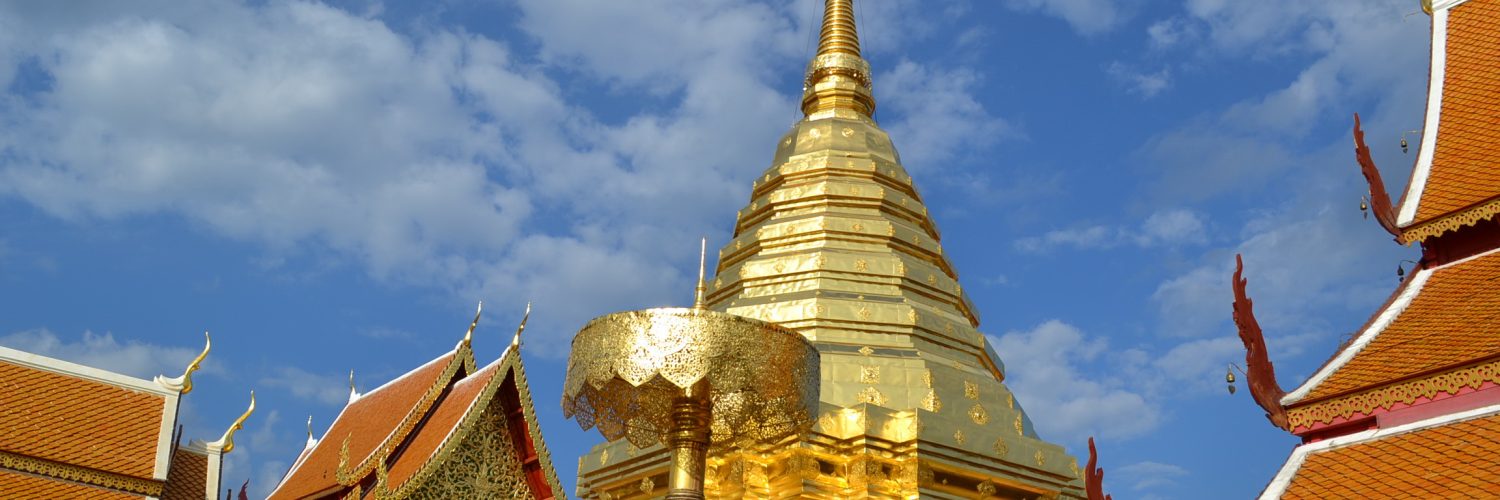
For the first time in its history, Wat Phra That Doi Suthep now comes with a price tag — just not the one most visitors expect. Since October 1, 2025, Doi Suthep–Pui National Park has charged foreign visitors 100 baht (50 baht for children) to enter the park areas around the mountain: the Pha Lat nature trail, Huai Kaew waterfall, Wang Bua Ban–Pha Ngoap waterfall, and the Doi Pui viewpoint. The temple itself, reached by the main road and its 309-step naga staircase, is still free, exactly as it has always been. That distinction — a fee for the mountain, not the shrine — says a lot about how Chiang Mai actually works: the big-name sights are rarely where the money or the confusion is. This guide covers what you pay for, what you don’t, and the parts of the city — the elephant sanctuaries, the night markets, the scooter rental counters — where getting it wrong costs more than a temple ticket ever would.
Where Everything Actually Is
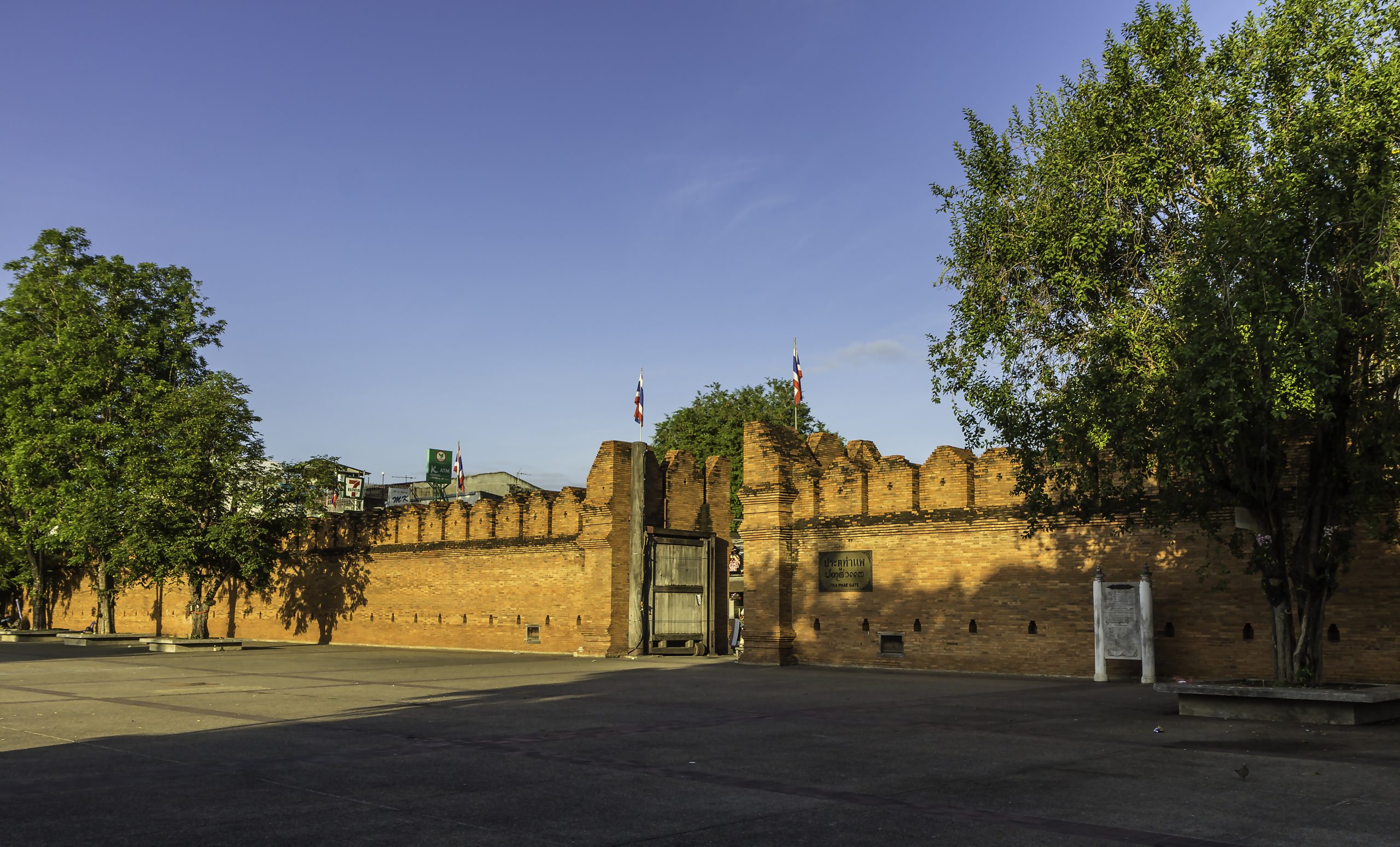
Chiang Mai divides cleanly into three zones. The Old City — the square mile inside the old moat and brick wall — holds most of the temples, the budget guesthouses, and the Sunday market, and is small enough to walk end to end in twenty minutes. Nimmanhaemin (just “Nimman” locally), west of the moat, is the newer, more polished side: specialty coffee shops, co-working cafes, and restaurants that wouldn’t look out of place in Bangkok, popular with the city’s large population of long-term remote workers. The Riverside area, along the Ping River east of the Old City, is quieter and leans toward mid-range hotels and riverside dinner cruises. Most first-time visitors base themselves in or just outside the Old City walls, since it puts the temples, the night markets, and the airport within easy reach, while Nimman suits a longer stay built around cafes and food rather than sightseeing.
What the Temples Actually Cost
The Old City holds more than 30 temples inside that one-square-mile moated square, and almost all of them are free. The two exceptions are also the two most photographed: Wat Phra Singh, home to the revered Phra Singh Buddha image, and Wat Chedi Luang, the enormous half-ruined 14th-century chedi that dominated the city skyline before a 1545 earthquake toppled its top. Both have charged foreign visitors a token entrance fee — at Wat Chedi Luang, historically around 40 baht, collected at the gate rather than a ticket booth — introduced by local authorities to help fund upkeep; bring small bills, since change isn’t always available, and treat the exact figure as approximate since temple fees here get adjusted without much notice. Everywhere else in the Old City — Wat Chiang Man, the city’s oldest temple, Wat Phan Tao with its teak viharn, Wat Inthakin — entry is free, though a donation box sits at most entrances and a 20-baht note is the normal courtesy.
Doi Suthep itself sits 15 kilometers and about 30 minutes by road above the city, and getting there is where most of the actual cost shows up. A round-trip red songthaew (shared pickup-truck taxi) from the Old City runs roughly 80–100 baht per person if you wait for a full truck, or 600–800 baht to charter one outright for the group; a private taxi or app ride is faster but closer to 500–600 baht each way. At the top, a funicular covers the final steep staircase for about 20–50 baht round trip for anyone who’d rather not climb all 309 steps in the heat. Go before 8am or after 4pm — the temple is a major pilgrimage site as well as a tourist stop, and midday brings tour buses in numbers that make the viewing platform genuinely crowded.
The Elephant Sanctuary Question
Chiang Mai is the easiest place in Thailand to visit elephants ethically — and the easiest place to accidentally book something that isn’t. The rule of thumb that actually works: if a listing mentions riding, shows, or elephants performing tricks, it isn’t a sanctuary regardless of what the name says. Genuinely hands-off operations near the city include Elephant Nature Park, where a single day with feeding (no riding, and bathing discontinued in 2018) runs around 2,500 baht per person, and Happy Elephant Home and Into the Wild, both former logging-elephant camps now offering half-day visits from about 1,700–1,800 baht and full-day visits from roughly 2,400 baht, with feeding and supervised bathing included. Smaller operations like Elephant Freedom Project keep groups to three or four visitors per elephant and charge from around 1,225 baht for a half day. None of this is cheap by Thailand standards, and that’s rather the point: a 300-baht “sanctuary” visit advertised with riding photos is almost never one.
Live availability and prices for Chiang Mai sanctuaries, tours, and day trips:
Night Markets: Three, Not One
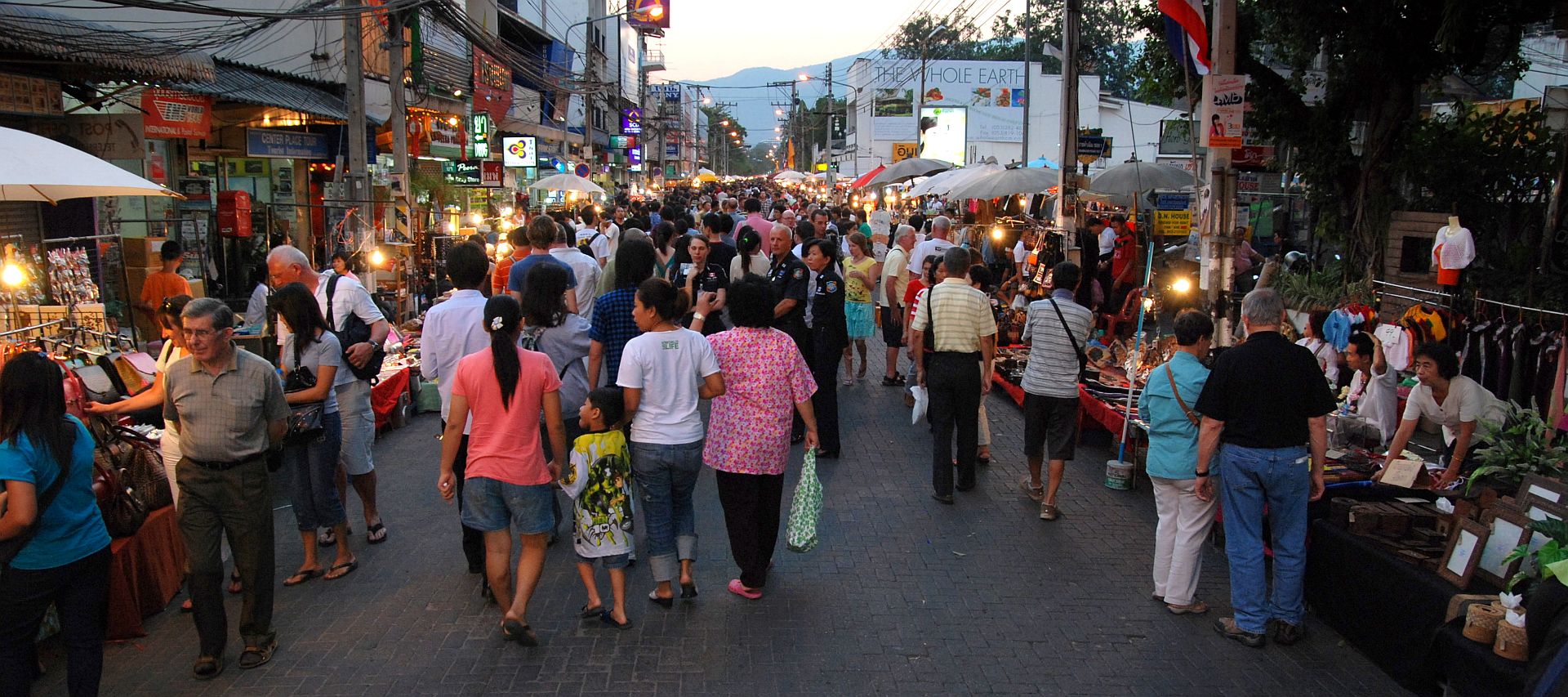
Visitors who show up on a Tuesday looking for “the night market” are usually sent to the Night Bazaar on Chang Klan Road, which runs every night of the week near the Ping River — reliable, a little touristy, heavy on souvenirs and imported goods. The two markets locals actually prefer only run once a week. Sunday Walking Street takes over Ratchadamnoen Road through the heart of the Old City from around 4pm to 10pm, with vendors starting to pack up by 9:30pm; arriving by 5pm beats both the crowds and the heat. Saturday Walking Street does the same along Wua Lai Road, the city’s traditional silversmith district, on the same hours. Both are pedestrian-only, both mix street food with handmade crafts rather than the Night Bazaar’s imported goods, and both are free to walk — the cost is whatever you eat and buy, which for a full dinner of khao soi, moo ping, and mango sticky rice rarely clears 150 baht.
Getting Around: Scooters, Songthaews, and the Passport Trap
The Old City is flat and walkable, but most of what’s worth doing sits outside it, and Chiang Mai’s shared songthaews don’t run fixed routes — you flag one down, state your destination, and agree a price (usually 30–50 baht around the city center) before getting in. Grab and Bolt both operate here and are the lowest-friction option for a fixed price in advance. Renting a scooter is the other default, and it’s genuinely cheap: a 110–125cc automatic runs roughly 150–250 baht a day from most Old City shops, rising toward 2,000–3,000 baht a day for something in the 300cc-plus range. The catch is the deposit. Many shops ask for a passport instead of cash — hand it over and you have no leverage if they later claim damage and hold it until you pay. Every major Western government’s travel advisory says the same thing: never leave your passport as a rental deposit. Offer cash instead (expect 1,000–3,000 baht depending on engine size) plus a photocopy of the passport page, film a walkaround of the bike before riding off, and get the deposit amount written on the agreement. The same trap catches riders everywhere scooters are rented in Thailand, including on Phuket, where the terrain itself adds a second risk on top of it — if a shop won’t take cash, there’s usually another one a block away that will.
Getting In From the Airport
Chiang Mai International Airport (CNX) sits unusually close to the center — about 4 kilometers from the Old City, a 10–15 minute drive outside rush hour. The airport’s fixed-fare taxi counter near Gate 1 advertises fares starting around 150 baht to Old Town destinations, confirmed before you get in rather than metered; Grab and Bolt both serve the airport and tend to run close to that price or slightly under, with Bolt typically coming in a touch cheaper when checked side by side. If Chiang Mai is one stop on a longer Thailand itinerary built around Bangkok’s bigger international connections, our guide to getting from Bangkok’s airport into the city covers the equivalent decision for the capital, where the stakes and the scams are both a size larger.
Book a fixed-price airport pickup in Chiang Mai in advance:
Beyond the Old City: Cooking Classes and SIM Cards
A half-day Thai cooking class is one of the better-value things to do in Chiang Mai regardless of experience level — most run around $25–30 per person, include a morning market tour, four to five dishes cooked from scratch, and hotel pickup from the Old City area, and send you home with a recipe booklet. Book through a school with consistent recent reviews rather than whoever’s handing out flyers on Ratchadamnoen Road. For data, Thailand-wide eSIMs cover Chiang Mai the same as Bangkok or Phuket — see our breakdown of which eSIM actually makes sense for a Thailand trip before you land, since buying one at the airport counter costs noticeably more than the same plan bought online the night before.
Chiang Mai rewards a slower pace better than almost anywhere else in Thailand — three or four days lets you do the temples, a proper sanctuary visit, one night market, and still leave a morning free for nothing in particular. If Bangkok or the islands are also on the itinerary, our guide to what’s actually worth doing in Bangkok covers the louder, faster version of the same country.