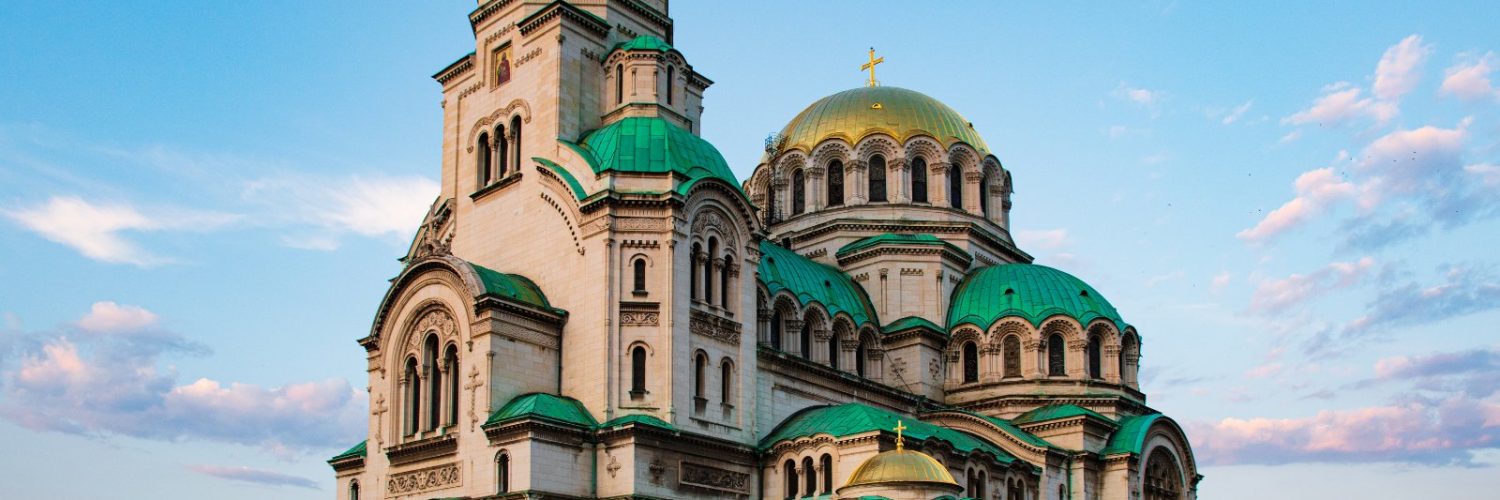
Sofia’s Alexander Nevsky Cathedral is free to walk into. The crypt underneath it is not — €10 for the Museum of Christian Art, or €2 if you time it for a Thursday, no matter what a three-year-old blog post quoting 6 Bulgarian leva still tells you. That gap between what used to be true and what is true now is the whole story of visiting Sofia in 2026: on 1 January, Bulgaria retired the lev and adopted the euro, and a good chunk of what you’ll read online about prices here is still doing currency math nobody asked it to do.
The good news is that none of it makes Sofia expensive. It is still one of the cheapest capitals in the European Union, most of its best sights are free, and the ones that charge admission mostly charge less than a coffee and a pastry would cost you in Vienna or Prague. Here is what is actually worth your time, what it costs in real 2026 euros, and the one fresco-filled day trip most visitors skip without realizing it is a thirty-minute bus ride away.
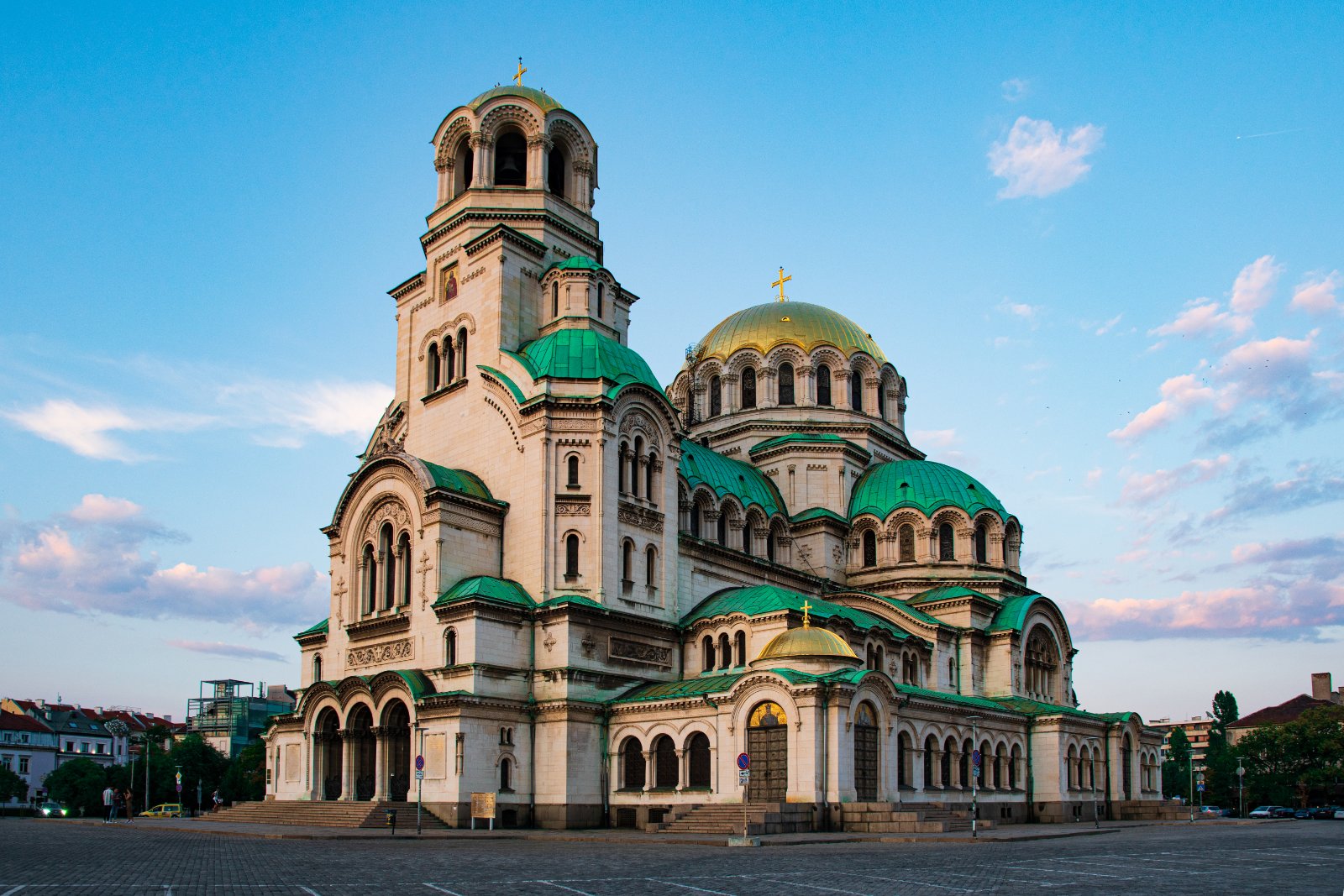
St Alexander Nevsky Cathedral: Free Nave, €10 Crypt
The cathedral itself costs nothing. Walk in, look up at the gilded Neo-Byzantine domes and the bell tower holding twelve bells that weigh 23 tons combined, and leave — nobody will ask you for money, though a modest dress code (covered shoulders and knees) is expected since it is an active place of worship. It was built between 1904 and 1912 and consecrated in 1924, funded by public donations after Bulgaria’s independence from the Ottoman Empire, and it can hold up to 5,000 people.
What does cost money is the crypt: the Museum of Christian Art, home to one of the largest collections of Orthodox icons in Europe. As of 2026 that is a flat €10 for an individual ticket, €4 for pensioners, students and under-18s pay nothing. Every Thursday, across all National Gallery branches, the ticket drops to €2. If you also want Kvadrat 500 (below), the combined ticket is €18 instead of paying for both separately. The museum is open Tuesday to Sunday, 10 a.m. to 6 p.m., with the ticket office closing at 5:30 p.m., and it is closed Mondays and on major Bulgarian holidays.
Sveti Georgi Rotunda and the Ruins Underneath Downtown Sofia
A few minutes’ walk from the cathedral, tucked into a courtyard surrounded by government buildings, sits the oldest preserved structure in the city: a small 4th-century red-brick rotunda, originally a Roman bathhouse, later converted into a mosque under Ottoman rule. Five layers of frescoes were painted over during that conversion and only uncovered during a 20th-century restoration; the murals you see now date from the 6th to the 14th century. Entry is free, and it still holds weekday services, so dress respectfully if you go inside.
Directly below the modern city center, the Ancient Serdica Complex is an open-air museum of Roman ruins — streets, mosaics, and foundations — that were uncovered during metro construction and left exposed under glass walkways and open courtyards around Serdika metro station. It costs nothing to walk through, and it is one of the few European capitals where you can see 2,000-year-old paving stones on your way to catch a train.
Kvadrat 500: Sofia’s Best Art Museum You Have Probably Not Heard Of
Opened in 2015 as the National Gallery’s newest wing, Kvadrat 500 spreads roughly 1,700 works across 28 halls and four levels — Bulgarian 19th- and 20th-century painters alongside African tribal masks, and sketches by Renoir and Matisse that most visitors never expect to find in Sofia. Individual admission runs around €8, and like the cathedral crypt, it drops to roughly €2 on Thursdays. It is an easy pairing with the crypt museum on the same ticket (€18 combined) if you are doing a museum day.
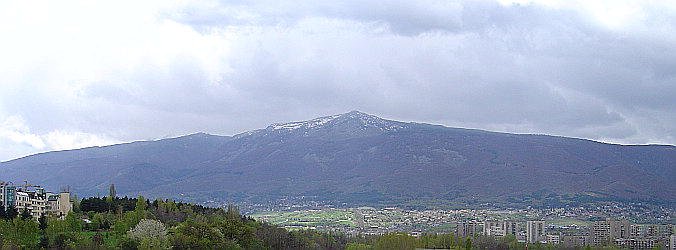
Vitosha Mountain: A 2,290-Meter Peak You Reach by City Bus
Most European capitals do not have a national park with a 2,290-meter summit fifteen minutes from downtown. Sofia does. Cherni Vrah, Vitosha’s highest point, is reachable on trails that mostly take a couple of hours each way, and getting to the trailhead is as simple as taking a city bus to the Simeonovo ski lift — no tour, no transfer, no car required. Vitosha Nature Park is one of the oldest protected areas in the Balkans and includes a cave system beyond the main trails for anyone who wants to go further.
If you are visiting in winter, skiing on Vitosha is genuinely affordable by European standards: lift passes run from around €50 a day, a fraction of what equivalent terrain costs in the Alps.
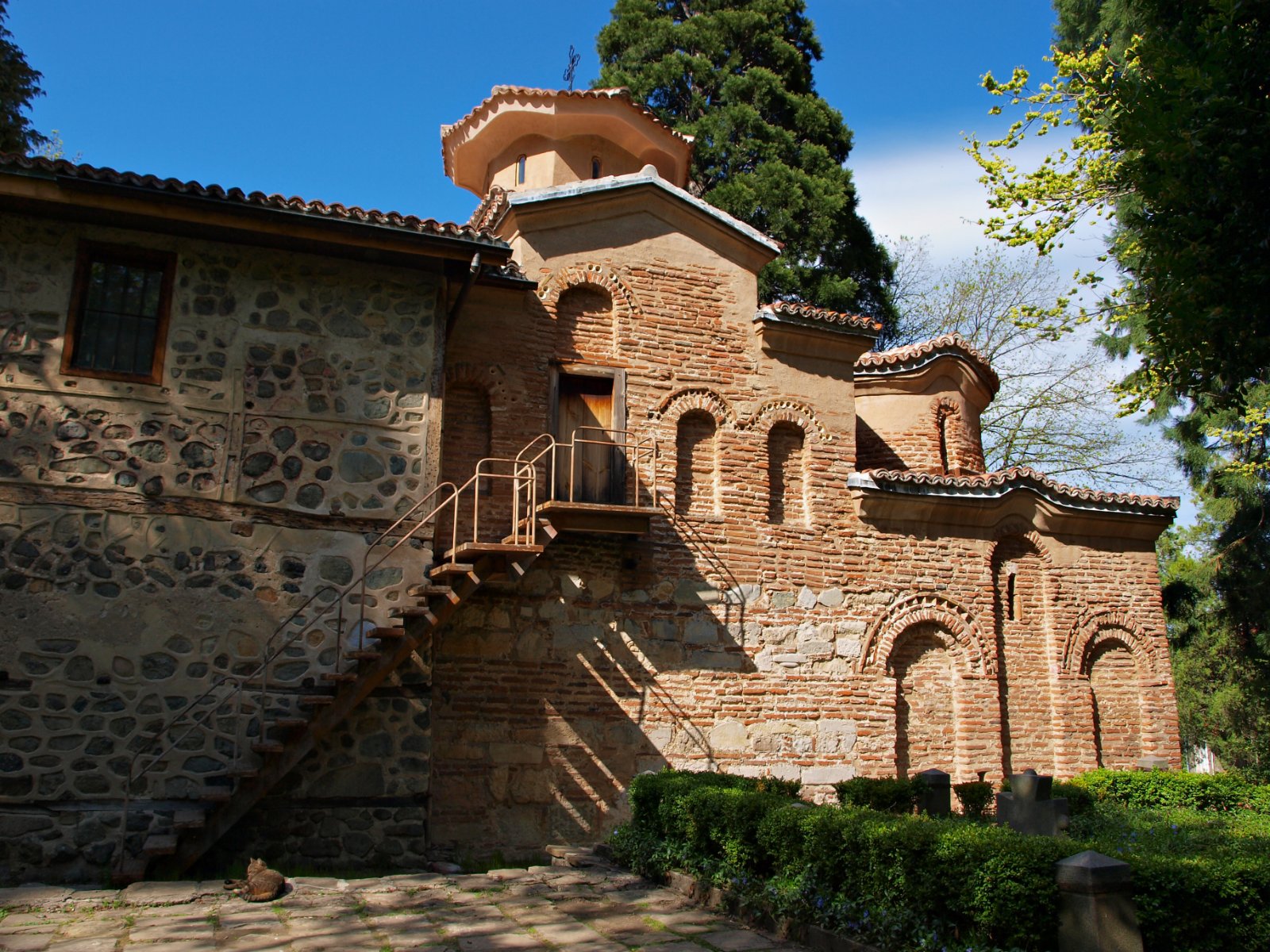
Boyana Church: The UNESCO Site Most Itineraries Skip
This is the one almost every first-time visitor to Sofia misses, which is strange, because it sits at the base of Vitosha — the same direction as the ski lift bus. Boyana Church is a UNESCO World Heritage Site for one reason: frescoes dated to 1259 that are considered among the best-preserved examples of medieval Eastern European art anywhere, predating the Italian Renaissance by over a century. Entry runs around €5, the church is closed Mondays, and because visits are sometimes run in timed groups to protect the frescoes, it is worth checking current opening hours before you go rather than assuming you can just walk up.
Day Trip: Rila Monastery
If you have a spare day, Rila Monastery is the one trip worth rearranging your schedule for. It is the most important Eastern Orthodox monastery in Bulgaria, founded in the 10th century by Saint John of Rila as a hermit’s retreat, later destroyed by fire and rebuilt in the mid-1800s in the striped, golden-domed Bulgarian Renaissance style you see in every photo of it. Entrance to the monastery itself is free. It sits around two hours from Sofia by car; without a car, guided day tours from the city are widely available and are the easier option for a single day.
Getting Around Sofia: What Transport Actually Costs in 2026
Sofia Airport sits about 10 km from the center and has two terminals connected by a free shuttle; most international carriers, Ryanair included, use Terminal 2, which is also where the metro, buses and taxis depart from. The M2 metro line runs directly from the airport to Serdika station in the heart of downtown with no transfers needed.
Official 2026 fares from Sofia’s metro operator, in euros: a single ticket is €0.80, valid 60 minutes. A “30 plus” transfer ticket (usable across metro, bus and tram within 30 minutes of first validation) is also €0.80 and can be tapped with a contactless card or phone directly at the barriers — no need to queue for a paper ticket. A “60 plus” transfer ticket is €1.10. A one-day card is €2, a 24-hour card (including night transport) is €3, and a 72-hour card is €7.60. All of these can be loaded onto a Sofia City Card for convenience.
Taxis start around €2 plus just under €1 per kilometer, which is cheap by Western European standards but still adds up if you use them often — there is no Uber in Sofia, but a local app called Yellow Taxi works the same way and is worth downloading before you land. At the airport specifically, look for the “OK Supertrans” booth near the car rental counters rather than flagging a random cab outside; it is a simple paperwork step that exists to stop unregistered drivers from overcharging arriving tourists.
Where to Stay
Most visitors base themselves between Serdika and Vitosha Boulevard, the pedestrian shopping street that runs south toward the mountain — it keeps you within walking distance of the cathedral, the museums, and a metro stop for everything else. Budget hotels and private Airbnb rooms both run roughly €35–75 a night in that area as of 2026; luxury options near the cathedral push €100–160.
Check Sofia Hotel Prices on Booking.com →
Flying Into Sofia
If you are routing through other Balkan or Central European capitals, it is worth comparing fares before you commit to a single city as your gateway — Sofia, Budapest and Istanbul all handle a mix of low-cost and full-service carriers, and prices between them can swing by more than the cost of a night’s hotel. Search a few dates below before booking anything.
Pairing Sofia With the Rest of the Balkans
Sofia works well as a hub rather than a one-off stop. It is a short flight or an overnight train from Istanbul, close enough to Albania‘s coast to combine both on one trip, and roughly the same distance from Budapest as it is from Kraków if you are stitching together a longer Central European route. Of the group, Sofia is consistently the cheapest base for food, transport and museum admission — one more reason it works well as the city where you spend the extra day.
Watch Before You Go
The Bottom Line
Sofia rewards people who do a little homework and skips people who do not. The free sights — the cathedral nave, the Rotunda, the Serdica ruins, Vitosha’s trails — are genuinely some of the best free attractions in any European capital, so there is no reason to skip them while you decide whether the paid ones are worth it. Of the paid options, the crypt museum and Kvadrat 500 are both worth the few euros if you care about icons or art; Boyana Church is worth rearranging a morning for, precisely because most visitors do not bother. The one mistake to avoid is trusting an old blog’s prices over the Bulgarian lev-to-euro math: this is a 2026 euro city now, and most of what made Sofia a bargain before the switch is still true after it.