Cartagena’s walled Old Town is small enough to cross on foot in twenty minutes, which is exactly why first-time visitors underrate it — you can “see” the whole thing in an afternoon and feel like you’re done. You’re not. The city rewards slowing down: a 450-year-old fort built to survive pirate sieges, a bohemian neighborhood that was a no-go area a decade ago and is now the best food street in the city, and a ring of Caribbean islands forty minutes offshore by boat. Here’s what’s actually worth your time, with real prices and hours.
Climb Castillo San Felipe de Barajas
This is the single best-value attraction in Cartagena and arguably the reason the city survived as a Spanish port at all. Built starting in 1536 and expanded over two centuries into the largest Spanish fortification in the Americas, Castillo San Felipe repelled a British siege in 1741 led by Admiral Edward Vernon — a battle that, by some tellings, changed the outcome of colonial Caribbean history. The tunnels underneath are real, dark, and designed so that a whisper at one end carries to the other — walk them with the free app audio guide or a human guide if claustrophobia isn’t a concern.
Price: approximately COP $50,000 (around $12 USD) for foreign visitors; roughly half that for Colombian nationals and residents.
Hours: 8:00 AM–6:00 PM daily, including weekends and holidays. Last entry 5:30 PM.
Tip: Go right at opening or in the last 90 minutes before close — midday sun on stone ramparts with almost no shade is brutal by 11 AM.
Walk the City Walls at sunset
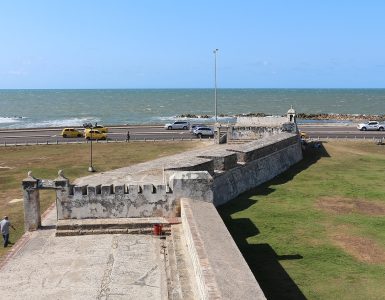
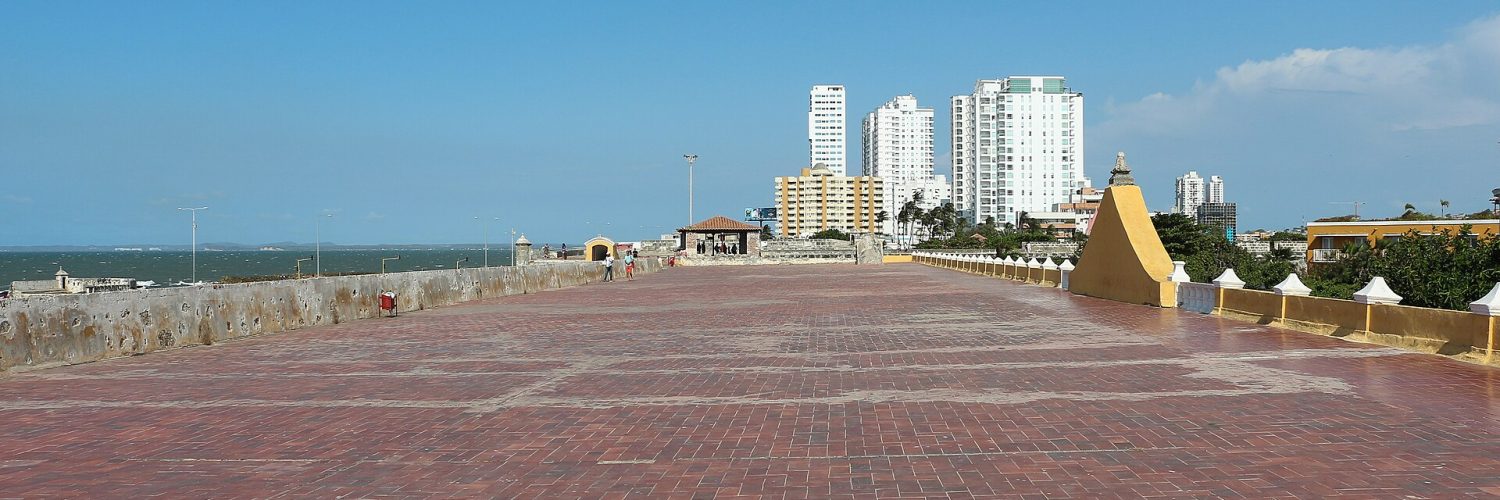
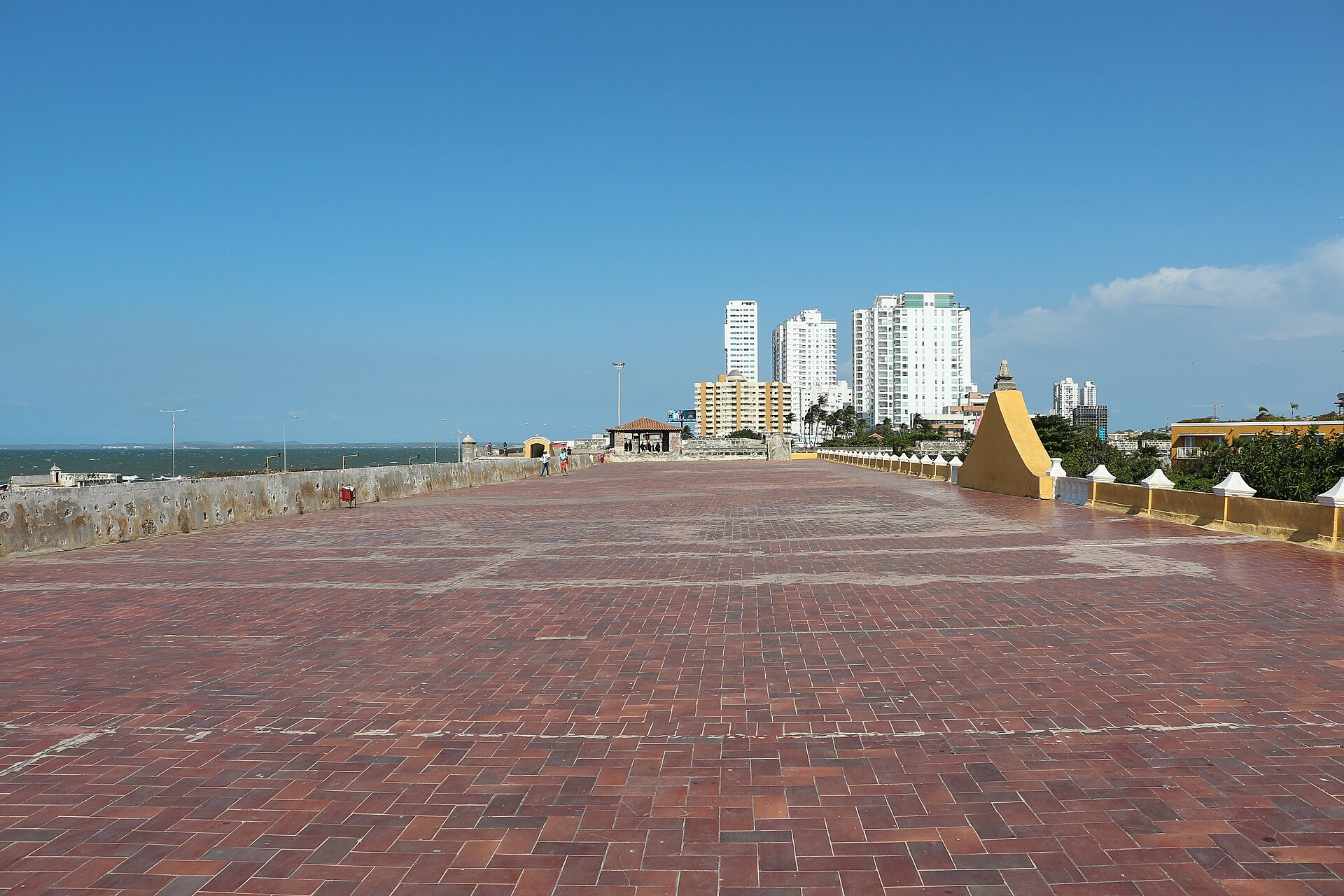
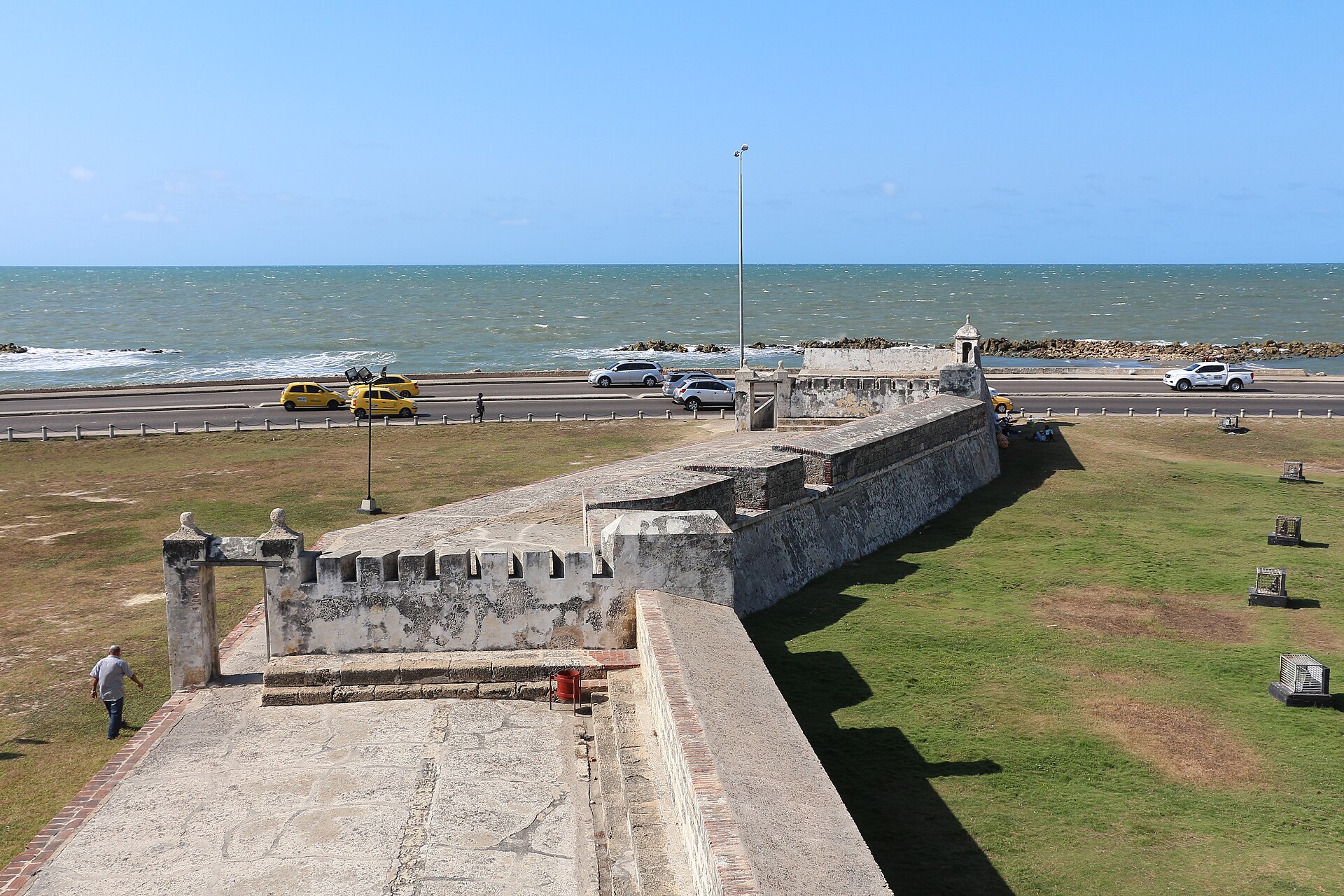
The 11 km of stone walls (Las Murallas) that still ring the Old Town are free, open to the public, and best walked in the final hour before sunset, when the stone stops radiating heat and the light over the Caribbean turns orange behind the fortifications. The stretch near Café del Mar, on the northwestern corner, is the most popular sunset spot in the city — arrive 30–45 minutes early for a seat, because it fills up fast with both tourists and locals.
Get lost in Getsemaní
A decade ago, guidebooks told you not to walk into Getsemaní after dark. Today it’s the most interesting neighborhood in Cartagena — street art-covered walls, Plaza de la Trinidad filling with food carts and impromptu dancing most evenings, and a far more local, far less polished feel than the manicured Old Town just across the old moat. Several free walking tours (tip-based, typically €15–50 per person suggested) start from Plaza de la Trinidad and cover both Getsemaní’s street art and a route up to Castillo San Felipe — a good option if you’d rather have context than go it alone.
Day trip to the Rosario Islands
Islas del Rosario is an archipelago of roughly 30 small coral islands about 35–40 km southwest of Cartagena, reachable by a 45-minute to 1-hour speedboat ride. Full-day tours typically include a stop at an aquarium/nature park on one island, a few hours of beach and swimming time, and lunch, run by dozens of local operators from the Muelle de los Pegasos dock in the city. Bring reef-safe sunscreen — several of the smaller beach clubs restrict standard sunscreen because of coral damage — and book a tour with a fixed departure dock rather than one that requires an extra transfer, since the logistics can eat into your beach time if you’re not careful.
Eat on Calle de la Serrezuela and in Getsemaní
Cartagena’s food scene splits cleanly in two: upscale fine dining inside the walled Old Town (several of Colombia’s most-awarded restaurants are here), and cheaper, more local eating in Getsemaní and around Calle de la Serrezuela. Street-level arepas de huevo (a fried corn arepa with a whole egg cooked inside) and fresh-cut fruit carts along the walls are a few thousand pesos and genuinely good — don’t fill up only on restaurant meals.
Watch the sunset from Café del Mar or a rooftop bar
Beyond the wall-top sunset spot above, several rooftop bars in the Old Town (clustered mostly near Plaza Santo Domingo and along Calle del Arsenal) offer the same sunset with a cocktail list and considerably less competition for a seat, for the cost of a drink rather than nothing.
Shopping: emeralds, a real hat, and Las Bóvedas
Cartagena’s souvenir stalls sell the same magnetized trinkets as any cruise port, but two things are genuinely worth seeking out. Colombia is one of the world’s largest sources of emeralds, and several jewelers inside the walled city, concentrated along Calle de la Factoría, sell certified stones — worth doing if you know roughly what you’re looking at, skippable if you don’t, since quality and pricing vary enormously between shops and bargaining is expected. The other is the sombrero vueltiao, Colombia’s woven palm-leaf hat and a genuine national symbol rather than a tourist prop — the better ones are hand-woven in the Caribbean region and cost noticeably more than the machine-made versions stacked outside the Walls; ask specifically whether it’s vueltiao fino before paying a premium price.
Also worth five minutes even if you don’t buy anything: Las Bóvedas, a row of 23 vaulted rooms built into the city walls in the late 1700s as a Spanish military storehouse and later a prison, now converted into souvenir shops. The shops themselves are unremarkable — the thick stone arches, built to withstand cannon fire, are the actual reason to stop.
Getting in from Rafael Núñez International Airport
Cartagena’s airport sits just 3 km from the Old Town — one of the shortest airport-to-city-center distances of any major Caribbean destination — which is exactly why overpaying for the ride in is so common among first-time visitors who assume a short hop means a cheap one. We cover the real options and prices in our Cartagena Airport Transfer guide.
Practical notes
Cartagena sits at sea level on the Caribbean coast, so expect heat and humidity year-round, with a rainy season roughly April through November (heaviest September–November) and a drier, slightly more comfortable window from December through March — also the busiest and most expensive time to visit. The walled Old Town is flat and very walkable; most of what’s listed here is within a 20–25 minute walk of Plaza de los Coches, with the Rosario Islands as the one trip that requires a boat.
What’s worth skipping
Not everything pitched to tourists in Cartagena earns its time. The horse-and-carriage tours around the Old Town look romantic in photos but move at a crawl through traffic and cost considerably more per hour than simply walking the same streets with a guide or a map — the horses also work in daytime heat that most visitors wouldn’t choose to be out in themselves. Street vendors selling “emerald” jewelry at tourist-heavy corners like Plaza Santo Domingo are overwhelmingly selling glass or treated quartz, not stones from a certified dealer; save the emerald shopping for an actual jeweler inside the Old Town rather than a street table. And the “free” walking tours that gather near the clock tower every hour are rarely free in practice — tipping is the entire business model, so budget €15–20 per person the same as you would for the Getsemaní tours mentioned above.